
For decades, the drive-in theater was considered a relic of mid-century Americana, a fading memory of neon signs and grainy 35mm reels. However, the last few years have seen a massive technological resurgence in the industry. When modern audiences ask, “What movies are playing at the drive-in?” they are no longer looking at a smudged newspaper advertisement or a handwritten marquee. Instead, they are engaging with a sophisticated digital ecosystem that spans mobile applications, high-end projection hardware, and complex audio transmission software.
The transformation of the drive-in from a nostalgic novelty to a high-tech entertainment hub is a testament to how software and hardware can revitalize a legacy business model. This article explores the technological infrastructure that allows today’s outdoor theaters to compete with multiplexes and streaming giants alike.

Finding the Screen: The Digital Infrastructure of Drive-In Listings
The journey of a modern moviegoer begins long before they pull into a gravel lot. The digital discovery phase is powered by integrated software systems that bridge the gap between local theater owners and the global film distribution network.
App-Based Aggregators and Real-Time Scheduling
In the past, drive-in schedules were static and difficult to find. Today, the question of what is playing is answered by sophisticated Application Programming Interfaces (APIs). Major platforms like Fandango and Atom Tickets have integrated specialized drive-in data, allowing users to filter by “outdoor” venues. Behind the scenes, theater management software (TMS) automatically pushes showtime updates to these aggregators. These systems ensure that if a double feature is swapped or a screening is delayed due to technical issues, the digital footprint is updated across all platforms in real-time.
SEO and Local Search Algorithms for Drive-In Discovery
For the independent drive-in owner, “searchability” is a technical challenge. Search Engine Optimization (SEO) for outdoor theaters involves heavy utilization of localized Schema markup—a type of microdata that helps search engines understand specific details like showtimes, ticket prices, and “open-air” status. When a user searches “movies near me,” Google’s algorithm prioritizes theaters that utilize Google Business Profile APIs to feed live data into the search results. This technical layer is what keeps the drive-in relevant in an era where convenience and instant information are paramount.
Projection and Sound: The High-Tech Heart of the Drive-In
The most significant technological leap in the drive-in world has occurred at the projection booth. The transition from physical film to digital formats has not only improved visual quality but has also revolutionized the logistics of outdoor screening.
From 35mm to 4K Digital Laser Projection
Until recently, many drive-ins relied on aging 35mm projectors. The industry-wide shift to Digital Cinema Initiatives (DCI) compliance changed everything. Modern drive-ins now utilize high-output 4K digital laser projectors. These machines are marvels of optical engineering, capable of producing upwards of 30,000 to 60,000 lumens.
This high lumen count is critical for outdoor environments where ambient light from nearby cities or the moon can wash out a screen. Laser phosphor technology provides a wider color gamut and maintains brightness longer than traditional xenon lamps. Furthermore, the use of Digital Cinema Packages (DCPs)—hard drives containing encrypted movie files—allows drive-ins to screen day-and-date releases alongside major indoor cinema chains, a feat that was once logistically impossible.
Wireless Audio and FM Transmission Evolution
The iconic, clunky window-hanging speakers of the 1950s have been replaced by sophisticated radio frequency (RF) technology. To provide high-fidelity sound, drive-ins now utilize low-power FM transmitters. These devices take the digital audio feed from the projector’s media block and broadcast it across a localized frequency.
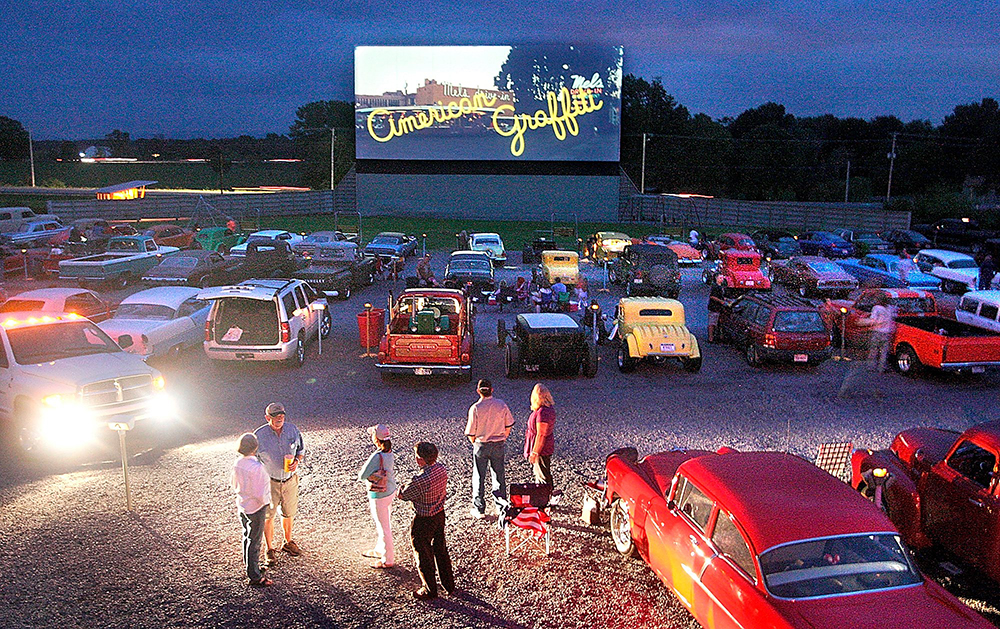
Current tech trends are pushing this even further with the development of proprietary mobile apps that stream audio via ultra-low latency Wi-Fi. This allows viewers to listen through their car’s high-end sound system or via noise-canceling headphones without the signal degradation often associated with FM radio. This shift to digital audio processing ensures that the “drive-in” experience now matches the “THX” standards found in indoor theaters.
The Connectivity Layer: Enhancing the User Experience
Modern drive-ins are increasingly functioning as “smart venues,” utilizing Internet of Things (IoT) devices and mobile software to streamline operations and enhance the customer journey.
Contactless Ticketing and Mobile POS Systems
The bottleneck of the drive-in has traditionally been the ticket booth. To solve this, operators have turned to cloud-based Point of Sale (POS) systems. Many drive-ins now require pre-purchased digital tickets with QR codes that are scanned through car windows, reducing physical contact and wait times.
Internally, these POS systems are integrated with inventory management software for the concession stand. When a moviegoer orders popcorn via a mobile app from their parking spot, the software optimizes the kitchen’s workflow and sends a push notification when the order is ready. This integration of mobile commerce into the drive-in experience mimics the “on-demand” nature of the modern digital economy.
High-Luminosity LED Screens: Overcoming the Sunset Barrier
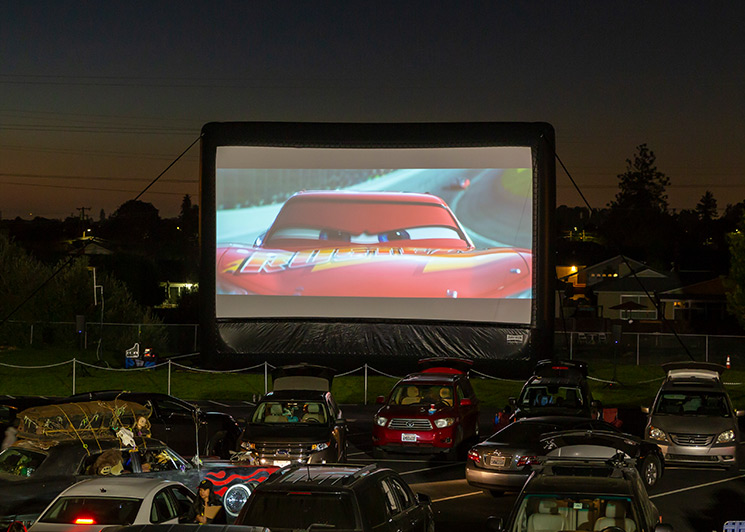
Perhaps the most disruptive technology currently entering the drive-in space is the outdoor LED cinema screen. Traditional projection requires near-total darkness, limiting showtimes to late evening. Modular LED walls, however, offer enough “nits” (a measure of brightness) to be visible even in direct sunlight.
While the cost of large-scale LED arrays is currently high, the technology is trickling down to boutique outdoor venues. These screens do not require a projection booth and offer infinite contrast ratios, as each pixel can be turned off completely for true blacks. As this technology becomes more affordable, the drive-in could evolve into a 24-hour entertainment venue, fundamentally changing the business model of outdoor cinema.
Future Trends: AI and the Automated Outdoor Theater
As we look toward the next decade, the intersection of Artificial Intelligence (AI) and the drive-in theater promises to create even more personalized experiences.
Personalized Content Delivery via Big Data
The question of “what movies are playing” may soon be answered by AI-driven recommendation engines. By analyzing local demographic data and historical ticket sales, drive-in operators can use machine learning algorithms to curate double features that maximize attendance. For example, if data suggests a high concentration of horror fans in a specific zip code, the software can suggest a “fright night” lineup and even automate the digital marketing spend to target those specific users on social media.
Smart Infrastructure and Energy Efficiency
Sustainability is a growing concern in tech, and drive-ins are not exempt. New “smart” drive-ins are implementing IoT sensors to manage lot lighting and climate control in auxiliary buildings. Some are even exploring the use of solar-powered projection booths. Furthermore, as Electric Vehicles (EVs) become the standard, drive-ins are beginning to integrate EV charging stations into parking spots. This allows the theater to serve as a “charging hub” while the audience watches a film, utilizing the two-hour runtime to provide a valuable technical service to the consumer.
Conclusion
The drive-in theater is no longer just a relic of the past; it is a high-tech platform for modern storytelling. When we ask what movies are playing at the drive-in, we are tapping into a complex web of digital distribution, high-lumen projection, and mobile connectivity. By embracing these technological advancements, the outdoor cinema has transitioned from a seasonal novelty to a sophisticated, tech-driven industry. As 4K laser projection, LED screens, and AI-driven curation continue to mature, the drive-in experience will only become more immersive, ensuring that the glow of the big screen under the stars remains a staple of our digital future.
aViewFromTheCave is a participant in the Amazon Services LLC Associates Program, an affiliate advertising program designed to provide a means for sites to earn advertising fees by advertising and linking to Amazon.com. Amazon, the Amazon logo, AmazonSupply, and the AmazonSupply logo are trademarks of Amazon.com, Inc. or its affiliates. As an Amazon Associate we earn affiliate commissions from qualifying purchases.