
When a consumer searches for “what medicine helps with runny nose,” they are usually seeking immediate physical relief. However, for the astute investor and business professional, that simple search query represents the entry point into one of the most resilient and profitable sectors of the global economy: the Over-the-Counter (OTC) pharmaceutical market. The “runny nose” is not just a seasonal inconvenience; it is a primary driver for a market valued at over $10 billion annually in the United States alone.
Understanding the financial machinery behind symptom management requires a deep dive into market capitalization, consumer behavior, and the strategic maneuvering of “Big Pharma” giants. This article explores the business finance, investment potential, and economic structures that allow companies to profit from the common cold.
The OTC Market Landscape: Analyzing the Multi-Billion Dollar Respiratory Sector
The global respiratory medicine market is a behemoth characterized by steady growth and recession-proof demand. Unlike luxury goods or discretionary tech gadgets, medicine for a runny nose, cough, or congestion is a necessity. This creates a “sticky” consumer base that ensures consistent cash flow for the companies dominating the aisles.
Dominant Brands and Market Share
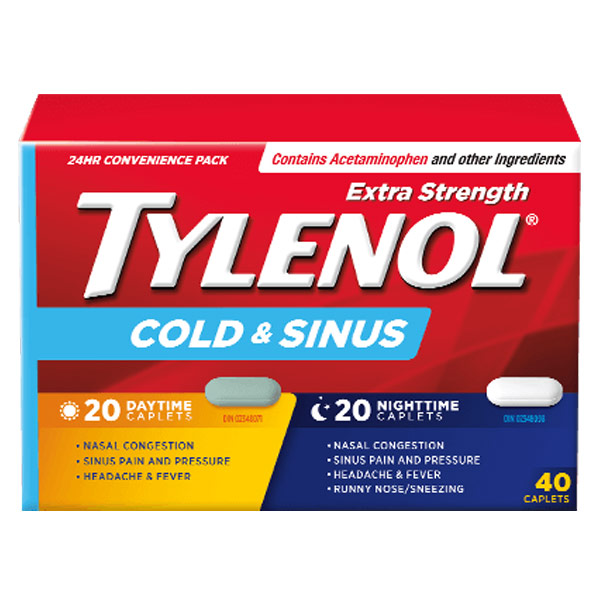
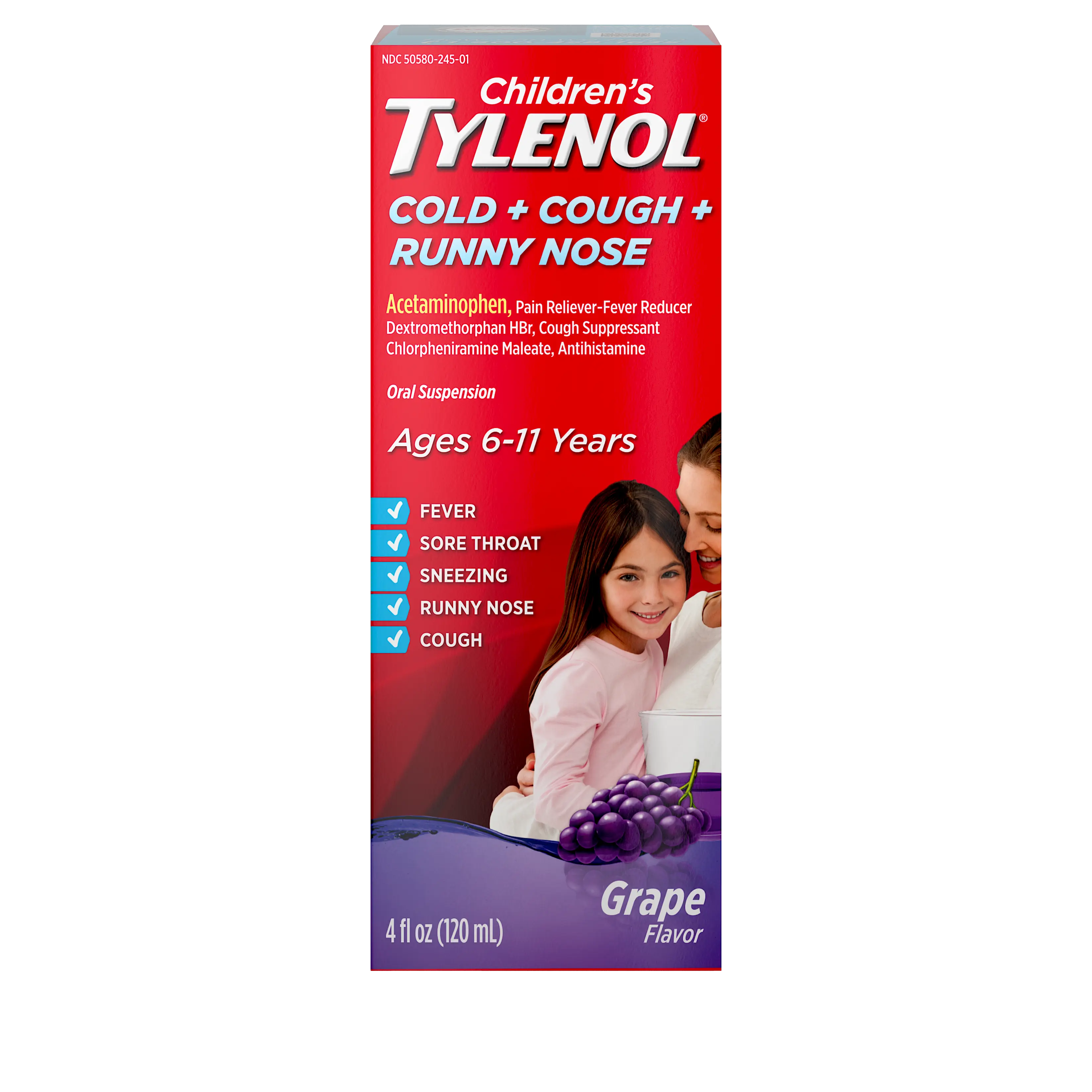
The landscape is dominated by a few key players who have mastered the art of brand equity and distribution. Companies like Procter & Gamble (P&G) with Vicks, Johnson & Johnson (Kenvue) with Tylenol and Zyrtec, and Reckitt Benckiser with Mucinex hold significant market shares. For an investor, these companies represent “Blue Chip” stability. Analyzing their quarterly earnings reveals that respiratory health often accounts for a disproportionate slice of their consumer health revenue, particularly during the Q4 and Q1 fiscal periods.
Consumer Spending Trends in Respiratory Health
Consumer spending on OTC medications has seen a steady Compound Annual Growth Rate (CAGR) of approximately 4-5% over the last decade. Several factors drive this: an aging population more susceptible to complications, the rising cost of primary healthcare (leading people to self-medicate), and the expansion of retail healthcare. When a “runny nose” hits, the modern consumer is more likely to spend $15 on a premium brand-name decongestant than to wait for a doctor’s appointment, making the retail pharmacy sector a high-volume financial engine.
Profitability and Profit Margins in Symptom Management
To understand why “runny nose” medicine is a goldmine, one must look at the margin structures. The active ingredients in most cold medicines—such as pseudoephedrine, phenylephrine, or various antihistamines—are off-patent and relatively inexpensive to manufacture in bulk. The real value, and the source of the profit margin, lies in the branding and delivery systems.
Manufacturing vs. Retail Pricing
The cost of goods sold (COGS) for a standard bottle of liquid cold medicine is remarkably low compared to its retail price. A product that retails for $12.99 might cost less than $1.50 to produce, package, and ship. This massive markup covers extensive marketing budgets and R&D for “new” formulations (often just variations in flavor or “fast-acting” claims). From a business finance perspective, this high-margin profile allows these companies to maintain high EBITDA margins, even in inflationary environments where raw ingredient costs might rise.
Seasonal Revenue Fluctuations and Financial Planning
The cold and flu market is notoriously seasonal, which presents a unique challenge for financial modeling. Chief Financial Officers (CFOs) at pharmaceutical firms must manage cash flow volatility, ensuring that production scales up in the summer to meet winter demand. This “bullwhip effect” in the supply chain requires sophisticated financial forecasting tools and inventory management systems to ensure that capital isn’t tied up in excess stock during the low-demand spring and summer months.
Investment Strategies in the Pharmaceutical Niche
For those looking to grow their portfolio, the “runny nose” economy offers various entry points. Whether you are interested in stable dividends or high-growth biotech, there is a way to capitalize on the common cold.
Big Pharma vs. Consumer Health Spin-offs
A recent trend in the financial world is the “spin-off” of consumer health divisions from parent pharmaceutical companies. A prime example is Kenvue spinning off from Johnson & Johnson or Haleon spinning off from GSK. These entities are now pure-play consumer health stocks. For an investor, these spin-offs are attractive because they strip away the high-risk, high-reward “drug discovery” aspect of pharma and focus on the predictable, recurring revenue of brands like Benadryl and Flonase.
Biotech Disruptors and the Search for a “Cure”
While OTC meds manage symptoms like a runny nose, the “Holy Grail” for investors is a definitive cure or a high-efficacy vaccine for the common cold (rhinovirus). Small-cap biotech companies working on RNA-based treatments or advanced antiviral therapies offer high growth potential. However, these are speculative “Money” plays. The financial risk is high due to the rigorous FDA approval process, but the payoff for successfully disrupting a multi-billion dollar symptom-management market would be astronomical.
The Impact of E-commerce and Direct-to-Consumer (DTC) Models
The way people buy medicine for a runny nose is undergoing a digital transformation. Traditional brick-and-mortar pharmacies are facing stiff competition from digital giants and nimble startups, shifting the flow of capital in the industry.
Amazon’s Private Label Disruptions
Amazon’s “Basic Care” line has significantly disrupted the pricing power of traditional brands. By offering generic versions of popular antihistamines and decongestants at a fraction of the price, Amazon is leveraging its logistics prowess to capture the “value-conscious” segment of the market. This forces traditional brand managers to spend more on marketing to justify their premium pricing, effectively tightening the margins for legacy players.
Subscription-Based Wellness Startups
New business models are emerging that treat “runny nose” prevention as a subscription service. Startups are bundling vitamins, minerals, and OTC meds into monthly personalized packs. This provides these companies with predictable, recurring revenue—a metric highly prized by venture capitalists. From a personal finance perspective, these services are marketed as a way to save time and money, though the “convenience premium” often means the consumer pays more than they would for bulk generics.
Risk Assessment and Regulatory Hurdles
No investment or business strategy in the medical field is without risk. When dealing with products meant for human consumption, the regulatory landscape can shift overnight, impacting stock prices and company valuations.
Patent Cliffs and Generic Competition
Most “runny nose” medications rely on active ingredients that are long out of patent. The business risk here is the “race to the bottom” on pricing. To maintain market share, companies must rely on “evergreening” strategies—patenting new delivery methods (like a specific type of nasal spray nozzle) to prevent generic manufacturers from capturing the entire market. For an investor, monitoring a company’s patent portfolio is essential for long-term financial security.
Global Supply Chain Volatility
The pharmaceutical industry is heavily reliant on active pharmaceutical ingredients (APIs) sourced from international markets, primarily China and India. Geopolitical tensions or global health crises can disrupt these supply chains, leading to product shortages. For a business, this means lost revenue; for an investor, this can lead to sudden “black swan” events that tank a stock. Diversifying investments across companies with localized manufacturing or robust multi-source supply chains is a prudent financial move.

Conclusion: The Financial Vitality of Symptom Relief
While a runny nose is a minor health concern for an individual, its aggregate impact on the global economy is massive. The business of helping people breathe easier is a sophisticated intersection of high-margin manufacturing, strategic brand positioning, and complex global logistics.
For the person asking “what medicine helps with runny nose,” the answer is a pill or a spray. For the investor, the answer is a resilient asset class that provides stability in a volatile market. By understanding the underlying economic drivers—from the seasonality of revenue to the disruption of DTC models—one can see that there is significant “Money” to be made in the quest for physical comfort. As long as the common cold exists, the financial health of the OTC respiratory market will remain robust, making it a cornerstone of any well-diversified health-sector portfolio.
aViewFromTheCave is a participant in the Amazon Services LLC Associates Program, an affiliate advertising program designed to provide a means for sites to earn advertising fees by advertising and linking to Amazon.com. Amazon, the Amazon logo, AmazonSupply, and the AmazonSupply logo are trademarks of Amazon.com, Inc. or its affiliates. As an Amazon Associate we earn affiliate commissions from qualifying purchases.