
In the traditional landscape of oncology, the battle against tongue cancer was fought primarily through the blunt instruments of radical surgery and systemic chemotherapy. However, a seismic shift has occurred. The question of “what kills tongue cancer” is no longer answered solely by biological interventions, but by the sophisticated integration of high-level technology. From artificial intelligence that detects cellular anomalies before they are visible to the human eye, to robotic systems that perform micro-resections with sub-millimeter precision, technology has become the primary executioner of malignant oral cells.
This article explores the cutting-edge technological ecosystem currently being deployed to target, isolate, and neutralize tongue cancer, transforming a once-devastating diagnosis into a manageable—and increasingly curable—condition through engineering and digital innovation.
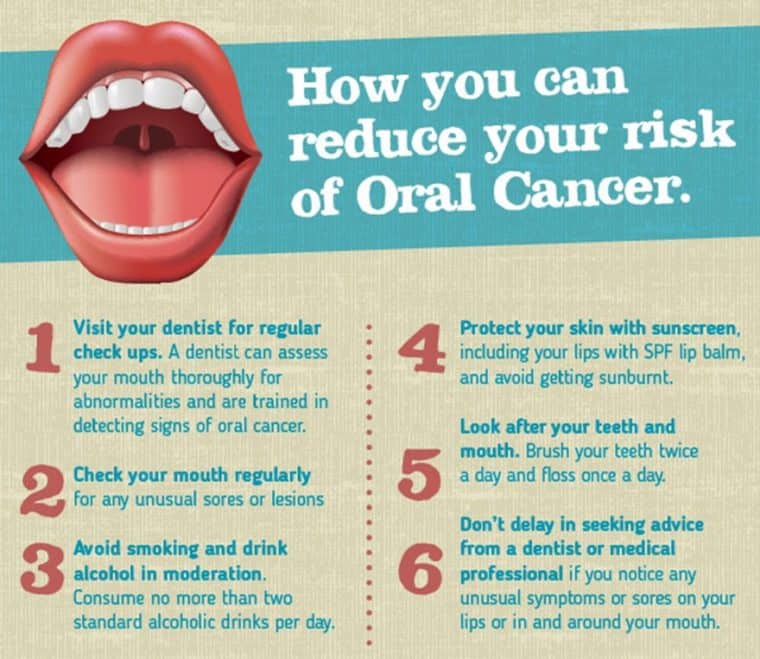
AI and Machine Learning: The First Line of Digital Defense
The most effective way to “kill” cancer is to identify it when it is most vulnerable: at its inception. Artificial Intelligence (AI) and Machine Learning (ML) have revolutionized the diagnostic phase, providing clinicians with tools that outpace traditional biopsy timelines and human visual limitations.
Predictive Analytics in Early Screening
Early-stage tongue cancer often masquerades as benign oral lesions or simple trauma. Tech startups and research institutions are now deploying deep-learning algorithms trained on millions of clinical images to differentiate between high-risk dysplasias and harmless tissue. These AI tools use “computer vision” to analyze the texture, color variance, and vascular patterns of oral mucosa. By identifying these patterns early, technology ensures that the cancer is targeted before it can metastasize, effectively “killing” the progression of the disease at the root.
Algorithmic Pathology and Digital Imaging
Once a sample is taken, the role of the digital pathologist begins. Traditional microscopy is being replaced by high-resolution digital slides processed through ML frameworks. These algorithms can identify mitotic figures—the signs of rapidly dividing cancer cells—that might be missed during a manual review. By quantifying the density of these cells, the software provides a “heat map” of the malignancy, allowing for a highly targeted strike. This precision ensures that treatment is aggressive where necessary and conservative where possible, utilizing data to dictate the exact parameters of the “kill zone.”
Transoral Robotic Surgery (TORS): The Hardware of Precision
In the past, accessing the base of the tongue or the posterior oropharynx often required invasive procedures, such as “mandibular swings,” where the jawbone was split to reach the tumor. Today, the primary “killer” of deep-seated tongue tumors is the robotic surgical system.
Overcoming Anatomical Limitations with Robotics
Transoral Robotic Surgery (TORS), spearheaded by platforms like the Da Vinci Surgical System, has redefined surgical oncology. These robots utilize miniaturized, 3D-high-definition cameras and wristed instruments that can navigate the narrow, curved confines of the human throat. Unlike human hands, these robotic arms have seven degrees of motion and built-in tremor filtration. This allows surgeons to excise the “head” of the cancer with clear margins while preserving the vital nerves and muscles required for speech and swallowing. The technology kills the tumor while saving the patient’s quality of life.
Haptic Feedback and Real-time Visualization
The next generation of surgical robotics is integrating haptic feedback—technology that allows the surgeon to “feel” the resistance of the tissue through the robotic console. Coupled with intraoperative navigation software, which overlays preoperative MRI or CT scans onto the live surgical field, surgeons can see through the tissue. This “X-ray vision” ensures that every fragment of the malignancy is identified and removed, minimizing the risk of recurrence.

Next-Gen Radiotherapy and Targeted Nanotech
When surgery is not enough, the technological arsenal moves into the realm of physics and molecular engineering. The goal is to destroy the DNA of the cancer cells without harming the surrounding healthy tissue of the tongue and neck.
Proton Therapy: Software-Guided Particle Precision
Traditional radiation therapy uses X-rays, which often pass through the tumor and affect healthy tissue behind it. Proton therapy, however, is a marvel of nuclear tech. It uses a massive particle accelerator to fire protons at a specific speed, calculated by sophisticated software. This allows the energy to be released at a precise depth—the “Bragg Peak.” By programming the hardware to dump its maximum energy exactly within the volume of the tongue tumor, the technology “kills” the cancer with surgical precision, sparing the salivary glands and spinal cord from unnecessary radiation.
Nanorobotics and Targeted Molecule Delivery
On the horizon of tech-driven oncology is the use of nanotechnology. Scientists are developing “smart” nanoparticles designed to carry high-potency chemotherapy drugs directly to the cancer cells. These particles are coated with ligands that only bind to the specific receptors found on the surface of tongue cancer cells. Once attached, they release their payload, effectively poisoning the cancer cell from the inside out while leaving the rest of the body untouched. This “seek and destroy” technology represents the pinnacle of personalized tech in the fight against oral cancer.
Digital Health Ecosystems: Post-Treatment Monitoring
The battle against tongue cancer does not end when the tumor is removed. The “killer” of a successful recovery is often a lack of data or a delayed reaction to recurrence. Digital health ecosystems and the Internet of Medical Things (IoMT) are filling this gap.
IoMT and Remote Surveillance
Wearable sensors and smart monitoring devices are now being used to track a patient’s recovery in real-time. For patients who have undergone tongue reconstruction, digital sensors can monitor blood flow and oxygenation in the “flap” (the transplanted tissue), alerting the surgical team via a cloud-based dashboard the moment a complication arises. Furthermore, mobile apps utilizing smartphone cameras allow patients to upload high-definition images of the surgical site daily. AI-driven software then analyzes these images for any signs of “granulation” or “recurrence,” ensuring that if the cancer attempts to return, it is met with immediate technological intervention.
Big Data in Longitudinal Survival Outcomes
The final piece of the technological puzzle is Big Data. By aggregating anonymized data from thousands of tongue cancer patients globally, researchers are using powerful analytics to determine which combinations of technology (e.g., specific robotic paths or radiation dosages) result in the highest survival rates. This data-driven approach allows for “precision medicine,” where the treatment plan is not a guess, but a calculated strategy based on global outcomes.

Conclusion
What kills tongue cancer today is a sophisticated blend of hardware, software, and data. We have moved beyond the era of simple biological intervention into an era of technological dominance. AI identifies the enemy, robotics removes the threat with mechanical precision, and nanotechnology ensures that no microscopic traces remain.
As we continue to refine these tools, the focus shifts from merely surviving tongue cancer to thriving after it. The integration of digital security for patient data, the expansion of tele-oncology, and the advancement of 3D-bioprinting for tongue reconstruction are the next frontiers. In this tech-centric landscape, the malignancy is being outpaced by innovation, proving that the ultimate “killer” of cancer is, and will continue to be, human ingenuity manifested through technology.
aViewFromTheCave is a participant in the Amazon Services LLC Associates Program, an affiliate advertising program designed to provide a means for sites to earn advertising fees by advertising and linking to Amazon.com. Amazon, the Amazon logo, AmazonSupply, and the AmazonSupply logo are trademarks of Amazon.com, Inc. or its affiliates. As an Amazon Associate we earn affiliate commissions from qualifying purchases.