
For decades, the question “What is your body temperature?” was answered with a simple glass tube filled with mercury. It was a reactive measurement—something we only checked when we already felt unwell. However, in the current landscape of rapid technological advancement, body temperature has transitioned from a static medical metric to a dynamic stream of high-fidelity data. In the realm of Health-Tech and the Internet of Medical Things (IoMT), your temperature is now a crucial data point in a sophisticated digital ecosystem designed to predict, monitor, and optimize human performance.
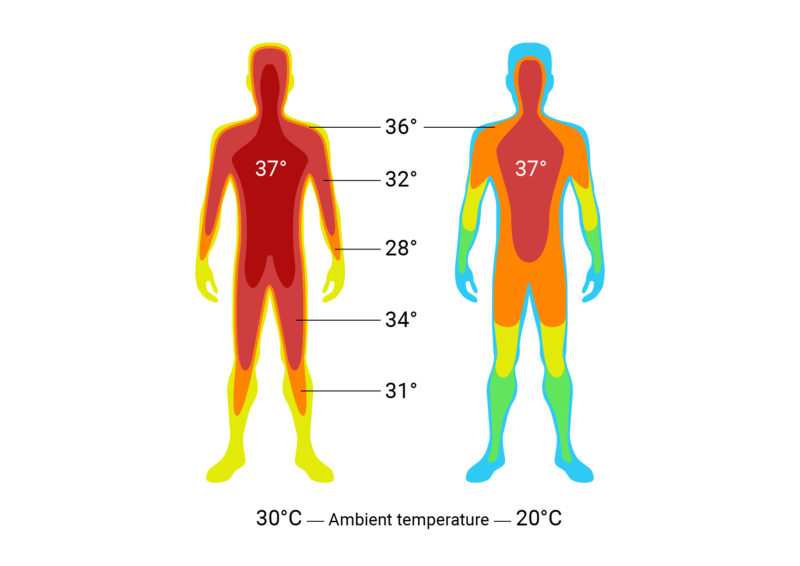
This shift represents a fundamental change in how we interact with our own biology. We are no longer reliant on periodic check-ups; instead, we are moving toward a state of continuous bio-monitoring. This article explores the technology behind modern thermal sensing, the role of artificial intelligence in interpreting this data, and the hardware that is making “the digital twin” a reality.
The Evolution of Thermal Monitoring: From Mercury to Microchips
The journey from the traditional thermometer to integrated silicon sensors represents one of the most significant leaps in consumer technology. While the biological definition of “normal” has remained relatively constant, the technology we use to capture it has undergone a digital revolution.
The Shift Toward Continuous Data Streams
Traditional temperature measurement provided a “snapshot”—a single point in time that might be influenced by external factors like room temperature or physical exertion. Modern tech has replaced the snapshot with a cinematic reel. Wearable devices now utilize thermistors and infrared sensors to track temperature 24/7. This continuous data stream allows for the establishment of a “thermal baseline.”
By understanding a user’s unique baseline through long-term data collection, software can identify deviations that would be invisible to a one-time measurement. This is the difference between knowing your temperature is 98.6°F and knowing that your temperature has risen 0.4°F above your personal three-month average—a subtle shift that often signals the early onset of an immune response.
Precision Sensors and the Internet of Medical Things (IoMT)
At the heart of this tech evolution is the miniaturization of sensors. Modern wearables use highly sensitive thermistors—resistors whose resistance changes significantly with temperature. These are often coupled with ambient light sensors and heat flux sensors to account for the “noise” of the environment.
In the broader context of the IoMT, these sensors do not operate in a vacuum. They are nodes in a network, sending encrypted data via Bluetooth Low Energy (BLE) to smartphones, which then sync with cloud-based analytical engines. This connectivity allows for a level of precision that was previously reserved for clinical environments, bringing hospital-grade monitoring to the consumer’s wrist or finger.
How AI and Machine Learning Interpret Thermal Data
Raw data is essentially useless without the context provided by sophisticated software. The question “What is your body temperature?” is increasingly answered not by a number, but by an insight generated by an Artificial Intelligence (AI) model.
Predictive Analytics: Identifying Illness Before Symptoms Appear
Machine learning algorithms are exceptionally good at pattern recognition. By analyzing thousands of hours of temperature data alongside other metrics like Heart Rate Variability (HRV) and respiratory rate, AI can predict the onset of illness. For example, during the global health crises of recent years, several tech companies developed proprietary algorithms that could identify potential infections up to 48 hours before the user felt any symptoms.
These predictive models work by identifying “anomalous clusters.” If the software detects a sustained rise in skin temperature coupled with a slight decrease in sleep quality, it can trigger a push notification advising the user to rest or seek testing. This proactive approach to health is a direct result of AI’s ability to process complex datasets that the human mind cannot.
Personalized Baselines vs. Universal Averages
For over a century, 98.6°F (37°C) was considered the gold standard for human body temperature. However, tech-driven research has shown that “normal” is a spectrum. Factors such as age, gender, circadian rhythm, and metabolic rate create significant variance.
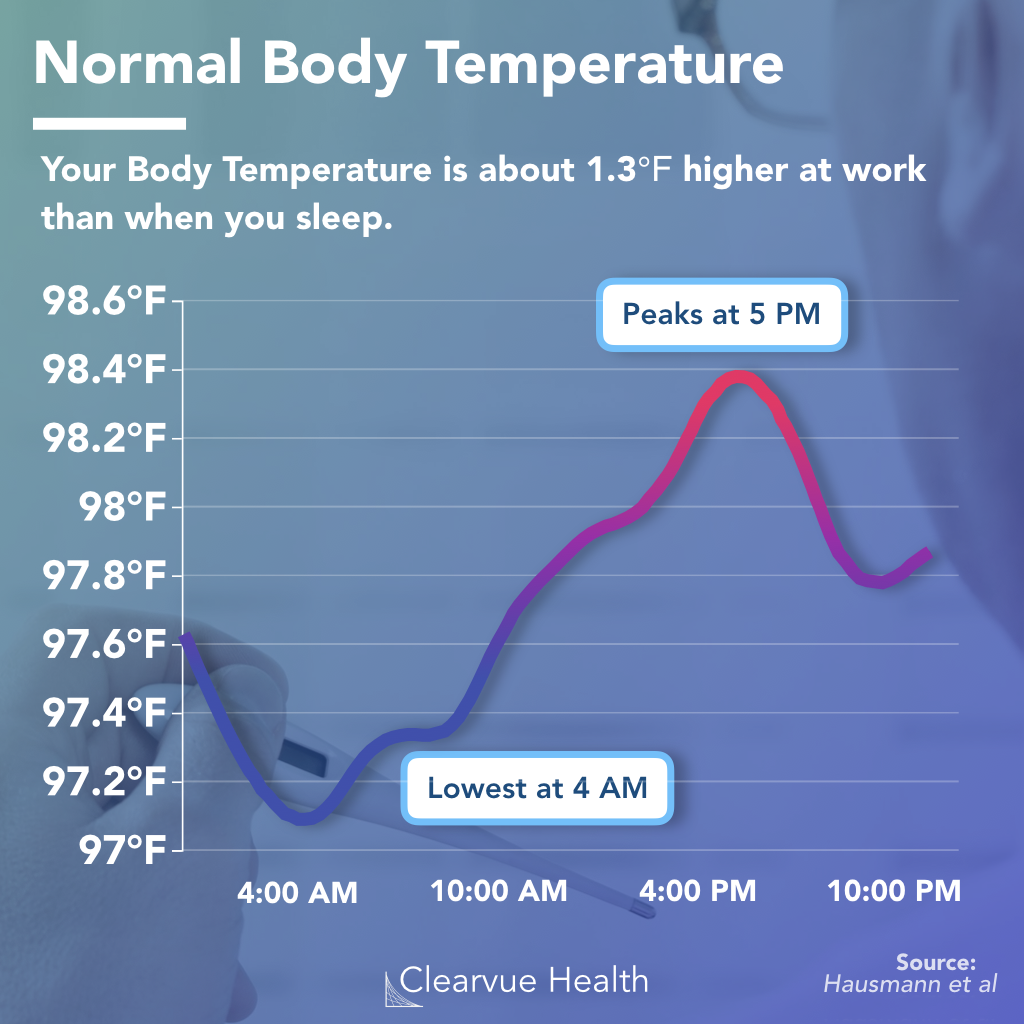
AI-driven health platforms use “Individualized Calibration.” For the first 14 to 30 days of wearing a device, the software “learns” the user. It identifies the temperature dips that occur during deep sleep and the spikes that happen during the afternoon metabolic peak. By creating a digital profile of the user’s “thermal signature,” the tech ensures that alerts are based on personal deviation rather than an outdated universal average.
The Ecosystem of Health Gadgets and Smart Wearables
The hardware market for temperature tracking has diversified significantly, moving beyond the smartwatch to more discreet and specialized form factors.
Smartwatches and Rings: The Leaders in Thermal Tracking
The most prominent players in this space, such as Apple, Samsung, and Oura, have integrated temperature sensing into their flagship products. The engineering challenge here is immense: measuring core body temperature from the extremity (the wrist or finger) is notoriously difficult due to environmental interference.
To solve this, companies like Oura use multiple NTC (Negative Temperature Coefficient) sensors that touch the skin directly. Their software then applies a “heat flux” algorithm to estimate core temperature based on skin temperature and ambient conditions. These devices have become particularly popular for sleep tracking and reproductive health monitoring, as basal body temperature (BBT) is a key indicator of hormonal cycles.
Near-Field Communication (NFC) and Non-Invasive Patch Sensors
Beyond consumer wearables, there is a burgeoning market for medical-grade “smart patches.” These are thin, flexible adhesives equipped with NFC chips and micro-batteries. These patches can be worn for several days, providing clinical-grade temperature monitoring without the bulk of a watch.
This tech is particularly transformative in pediatric care and post-operative monitoring. A parent can scan a child’s patch with a smartphone to get an instant, accurate reading without waking them up. This integration of NFC technology ensures that data transfer is both low-power and highly secure, representing the next frontier in non-invasive biometric monitoring.
Data Security and Privacy in the Age of Bio-Tracking
As our body temperature becomes a digital asset, the tech industry faces a significant challenge: how to protect the most intimate data imaginable. When your “thermal identity” is stored in the cloud, it becomes a target for cyber threats and a subject of ethical debate.
The Vulnerability of Biometric Data
Unlike a password, you cannot change your biological data. If a database containing years of your temperature and health logs is breached, that information is permanently exposed. In the tech sector, this has led to a push for “Edge Processing”—where the AI analysis happens locally on the device (the watch or phone) rather than on a central server. By processing the data at the “edge,” companies can provide insights without the raw biometric data ever leaving the user’s physical possession.
Regulatory Frameworks and Encryption Standards
The intersection of Tech and Health is heavily regulated by frameworks like HIPAA in the United States and GDPR in Europe. Tech companies are now forced to adopt “Privacy by Design.” This includes end-to-end encryption for data in transit and “differential privacy” for data used in aggregate research.
Furthermore, as temperature data becomes more accurate, it becomes “de-anonymizable.” Researchers have shown that a person’s thermal and cardiac patterns are as unique as a fingerprint. Therefore, the technology behind these devices must include robust anonymization protocols to ensure that even if data is used for large-scale medical studies, it cannot be traced back to an individual user.

The Future of Digital Health: Integration and Proactive Wellness
The future of temperature tracking lies in its integration with the wider digital world. We are moving toward an era where your body temperature could communicate directly with your smart home. Imagine a smart thermostat that automatically lowers the room temperature because your wearable indicates your body is entering a high-heat phase of deep sleep, or an office HVAC system that adjusts based on the collective “thermal comfort” of the employees as reported by their devices.
This is the ultimate goal of Health-Tech: a seamless integration of biological data and digital infrastructure. By answering the question “What is your body temperature?” through continuous, AI-analyzed, and securely transmitted data, we are moving away from reactive medicine and toward a future of optimized, proactive wellness. The thermometer is no longer a tool in a medicine cabinet; it is a sophisticated sensor in a global network of human data.
aViewFromTheCave is a participant in the Amazon Services LLC Associates Program, an affiliate advertising program designed to provide a means for sites to earn advertising fees by advertising and linking to Amazon.com. Amazon, the Amazon logo, AmazonSupply, and the AmazonSupply logo are trademarks of Amazon.com, Inc. or its affiliates. As an Amazon Associate we earn affiliate commissions from qualifying purchases.