
In the modern economic landscape, the term “vertical” is frequently used by analysts, investors, and entrepreneurs to describe a specific orientation of business activity. While the word itself suggests a top-to-bottom direction, its implications in the world of business finance and market strategy are much more profound. Understanding what vertical means is essential for anyone looking to navigate specialized markets, optimize supply chains, or build a business with a sustainable competitive advantage.
At its core, a “vertical” approach focuses on depth rather than breadth. Whether it is a vertical market or vertical integration, the strategy revolves around dominating a specific industry niche or controlling multiple stages of a single production cycle. This article explores the financial mechanics of verticality, the strategic advantages of vertical integration, and how this model shapes the profitability of modern enterprises.

Understanding Vertical Markets: The Specialist’s Path to Profitability
To understand what vertical means in a financial context, one must first distinguish between vertical and horizontal markets. While a horizontal market targets a wide array of customers across different industries (think of a company like Microsoft providing Excel to everyone from florists to hedge funds), a vertical market focuses on a specific industry, trade, or profession.
Defining the Vertical Market
A vertical market is one in which all customers are in a particular industry. For example, a company that develops software exclusively for the legal profession is operating in a vertical market. From a business finance perspective, vertical markets are often characterized by high barriers to entry but significant customer loyalty. Because the products are tailored to specific regulatory requirements and workflows, customers are often willing to pay a premium for specialized expertise that a horizontal provider cannot offer.
Vertical vs. Horizontal Markets: A Financial Comparison
From an investment standpoint, horizontal markets offer the potential for massive scale because the “Total Addressable Market” (TAM) is theoretically everyone. However, horizontal markets are also hyper-competitive, often leading to price wars and razor-thin margins.
Conversely, vertical markets may have a smaller TAM, but they offer higher “Average Revenue Per User” (ARPU). In business finance, this is known as the “niche strategy.” By focusing on a vertical, a company can reduce its marketing spend because it knows exactly where its customers are. The sales cycle might be longer due to the complexity of the industry, but the “Customer Lifetime Value” (CLV) is typically much higher due to the lack of specialized alternatives.
Why Investors Prefer Vertical Focus
Modern venture capitalists and private equity firms are increasingly drawn to “Vertical SaaS” (Software as a Service) and specialized industrial verticals. The reasoning is rooted in the “moat” concept. A company that deeply integrates itself into the specific operations of a vertical—such as a platform that manages everything for a dental practice, from billing to patient records—becomes “sticky.” The cost for a customer to switch to a different provider is high, providing the business with stable, predictable cash flow that is highly valued in financial valuations.
Vertical Integration: Controlling the Value Chain
While a vertical market refers to who you sell to, vertical integration refers to how much of the production and distribution process your company owns. This is a critical concept in business finance, as it directly impacts a company’s cost structure and profit margins.
Backward Integration: Securing the Supply Chain
Backward integration occurs when a company moves “up” the supply chain to acquire its suppliers. For instance, a coffee retailer that purchases its own coffee bean plantations is practicing backward integration.
Financially, this strategy is used to secure raw materials and protect the company from price volatility in the commodity markets. By owning the source, the company can eliminate the profit margin that a third-party supplier would normally charge, thereby lowering its “Cost of Goods Sold” (COGS). This leads to increased gross margins and more control over the quality of the inputs.
Forward Integration: Dominating Distribution
Forward integration is when a company moves “down” the supply chain to control the distribution or retail of its products. A classic example is a clothing manufacturer opening its own branded retail stores rather than selling through third-party department stores.
The financial logic here is to capture the retail markup. By selling directly to the consumer (Direct-to-Consumer or DTC), a brand keeps the entire profit of the sale. Furthermore, forward integration provides the company with direct access to consumer data, which is a valuable intangible asset. This data allows for more efficient inventory management and targeted marketing, further improving the company’s bottom line.
Balanced Integration for Maximum ROI
Total vertical integration—where a company owns everything from the raw material to the final retail shelf—is rare because it is incredibly capital-intensive. However, many successful firms use a balanced approach. They identify the “bottlenecks” in their industry—the stages of production where margins are highest or risks are greatest—and integrate those specific areas. This selective integration ensures a high Return on Investment (ROI) without over-leveraging the company’s balance sheet.
The Financial Advantages of Going Vertical
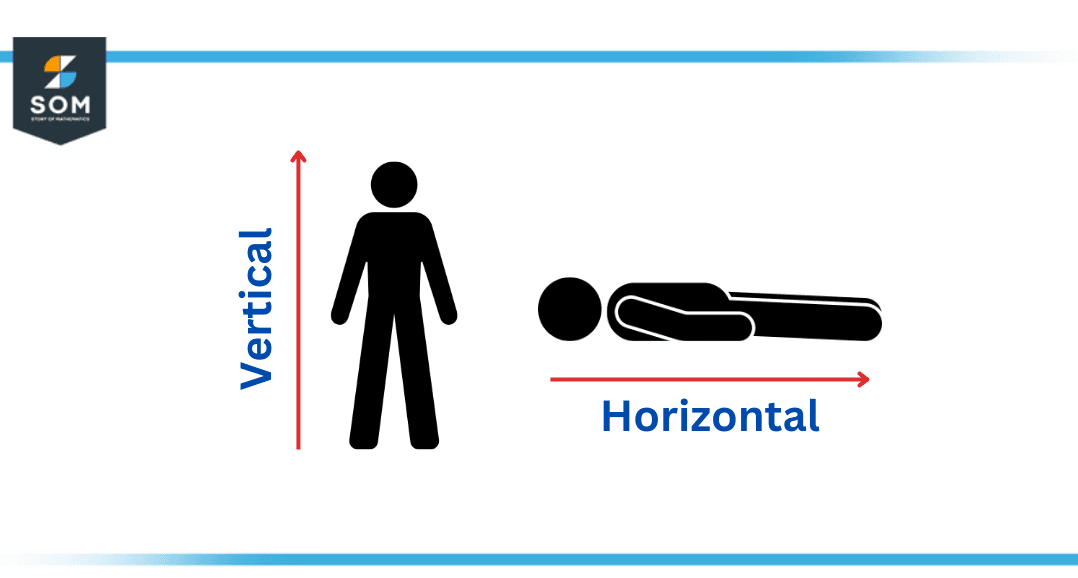
Deciding to “go vertical” is often a move to improve the financial health and long-term viability of a business. There are three primary financial drivers behind this strategy: margin expansion, the creation of competitive moats, and superior data intelligence.
Cost Reduction and Margin Expansion
The most immediate benefit of verticality is the removal of the “middleman.” In a fragmented supply chain, every hand that touches a product adds a markup. By integrating vertically, a company can internalize these markups. Even if the internal cost of production is the same as the supplier’s, the company saves the profit margin it would have paid out. Over time, these savings compound, allowing the company to either undercut competitors on price or reinvest the higher margins into research and development.
Barriers to Entry and Competitive Moats
In the world of investing, a “moat” is a structural advantage that protects a company from competitors. Vertical integration creates a significant moat. If a company owns the exclusive rights to a raw material (backward integration) or has a proprietary distribution network (forward integration), it becomes very difficult for a new entrant to compete. From a business finance perspective, this reduces the risk of “commoditization,” where products become indistinguishable and prices drop.
Data Ownership and Market Intelligence
In the digital economy, information is a form of currency. A vertically integrated company sees every step of the process. A manufacturer that also owns its retail stores knows exactly which items are selling in real-time. This “Vertical Intelligence” allows for “Just-in-Time” manufacturing, which reduces the amount of capital tied up in unsold inventory. Improving inventory turnover is one of the most effective ways to increase a company’s “Return on Assets” (ROA).
Challenges and Risks of Vertical Business Models
Despite the clear financial benefits, a vertical strategy is not without its perils. It requires significant capital, introduces new types of risk, and can lead to organizational rigidity.
Capital Intensity and Liquidity Risks
Vertical integration usually requires significant “Capital Expenditure” (CAPEX). Buying a factory, a plantation, or a fleet of delivery trucks requires a massive upfront investment. For many businesses, this can lead to liquidity issues. If the market turns, the company is stuck with expensive physical assets that are hard to liquidate. This is why many startups prefer a “light” model, outsourcing everything to maintain flexibility.
Reduced Flexibility in Market Shifts
One of the dangers of being vertically integrated is that you are “locked in” to your own supply chain. If a new, more efficient manufacturing technology emerges, an unintegrated company can simply switch suppliers. A vertically integrated company, however, must write off its existing equipment and invest in new technology, which can be a massive financial hit. This “path dependency” can make vertically integrated firms slower to pivot during industry disruptions.
Regulatory Scrutiny and Antitrust Concerns
When a company becomes too vertically integrated, it can attract the attention of regulators. If a firm owns both the platform and the products sold on that platform, it may be accused of anti-competitive behavior or “self-preferencing.” In the realm of corporate finance, the threat of an antitrust lawsuit is a significant “tail risk” that can devalue a company’s stock and lead to multi-billion dollar fines.
Implementing a Vertical Strategy for Growth
For a business owner or financial strategist, the decision to move toward a vertical model should be data-driven. It is not about owning everything; it is about owning the right things.
Identifying the Right Niche
The first step in a vertical market strategy is identifying a niche with “unmet specialized needs.” Financially, you are looking for an industry where the current “horizontal” solutions are inefficient or overly expensive. By building a vertical solution, you can capture the “efficiency premium.”
Evaluating Build vs. Buy Financial Decisions
When a company decides to integrate vertically, it faces the “Build vs. Buy” dilemma. Should the company build its own supply chain from scratch, or should it acquire an existing supplier?
-
Buying (M&A) is faster but requires a large cash outlay or the issuance of debt/equity.
-
Building is cheaper in the short term but takes longer and carries higher execution risk.
A thorough “Net Present Value” (NPV) analysis is required to determine which path will create the most value for shareholders over the long term.
Conclusion: The Enduring Value of the Vertical Perspective
To answer the question “what is vertical mean” is to recognize the power of focus and control in the business world. In an era where global supply chains are increasingly fragile and markets are crowded with generalist products, the vertical approach offers a blueprint for stability and high-margin growth.
From a financial perspective, “Vertical” means more than just a direction; it signifies a commitment to depth, expertise, and efficiency. By either focusing on a vertical market or pursuing strategic vertical integration, businesses can insulate themselves from the volatility of horizontal competition. While the risks of capital intensity and reduced flexibility are real, the rewards—higher margins, stronger moats, and superior market intelligence—frequently make the vertical path the most profitable journey a company can take. Whether you are an investor looking for the next “sticky” SaaS giant or a business owner seeking to protect your supply chain, thinking vertically is a fundamental requirement for long-term financial success.
aViewFromTheCave is a participant in the Amazon Services LLC Associates Program, an affiliate advertising program designed to provide a means for sites to earn advertising fees by advertising and linking to Amazon.com. Amazon, the Amazon logo, AmazonSupply, and the AmazonSupply logo are trademarks of Amazon.com, Inc. or its affiliates. As an Amazon Associate we earn affiliate commissions from qualifying purchases.