
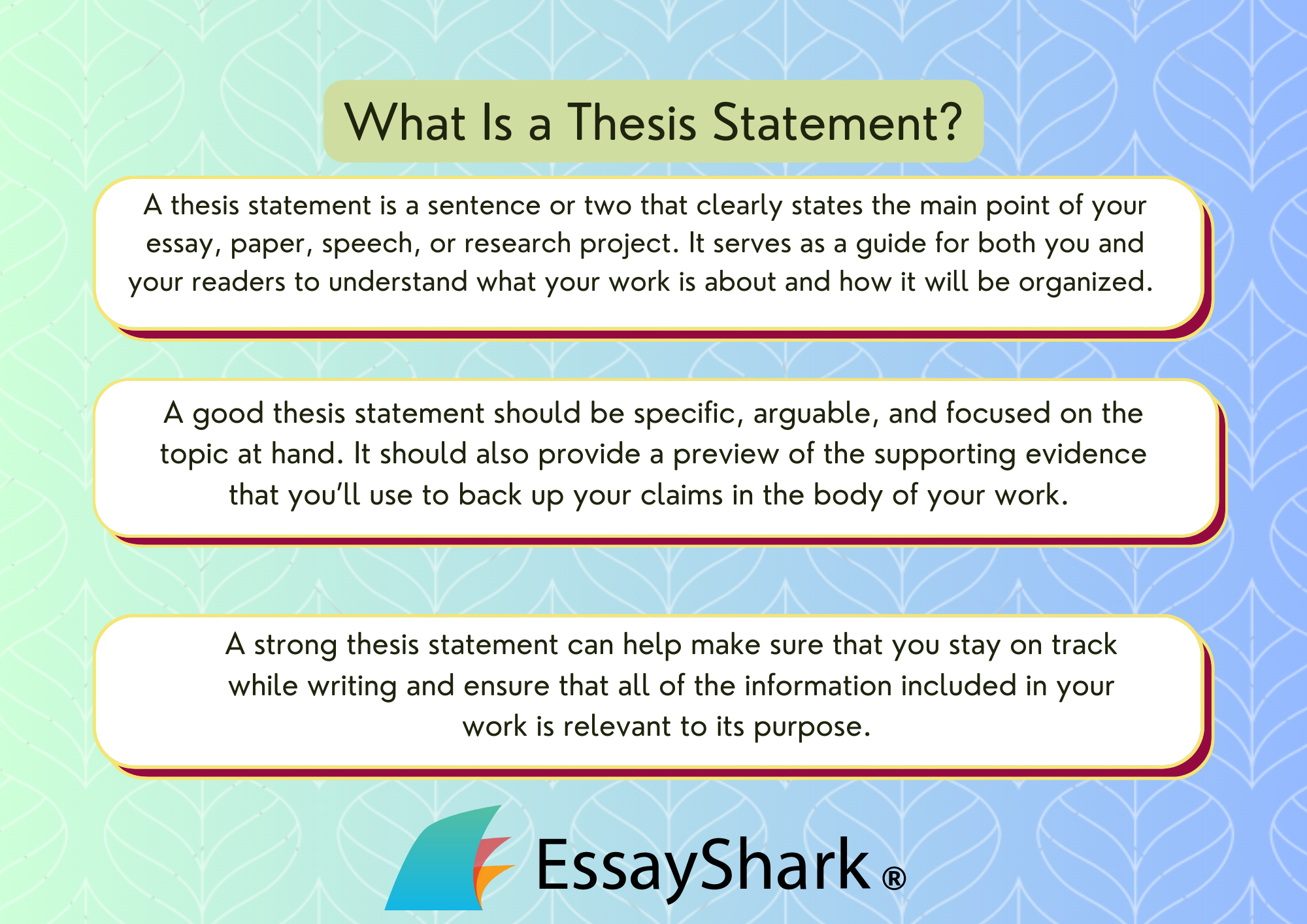
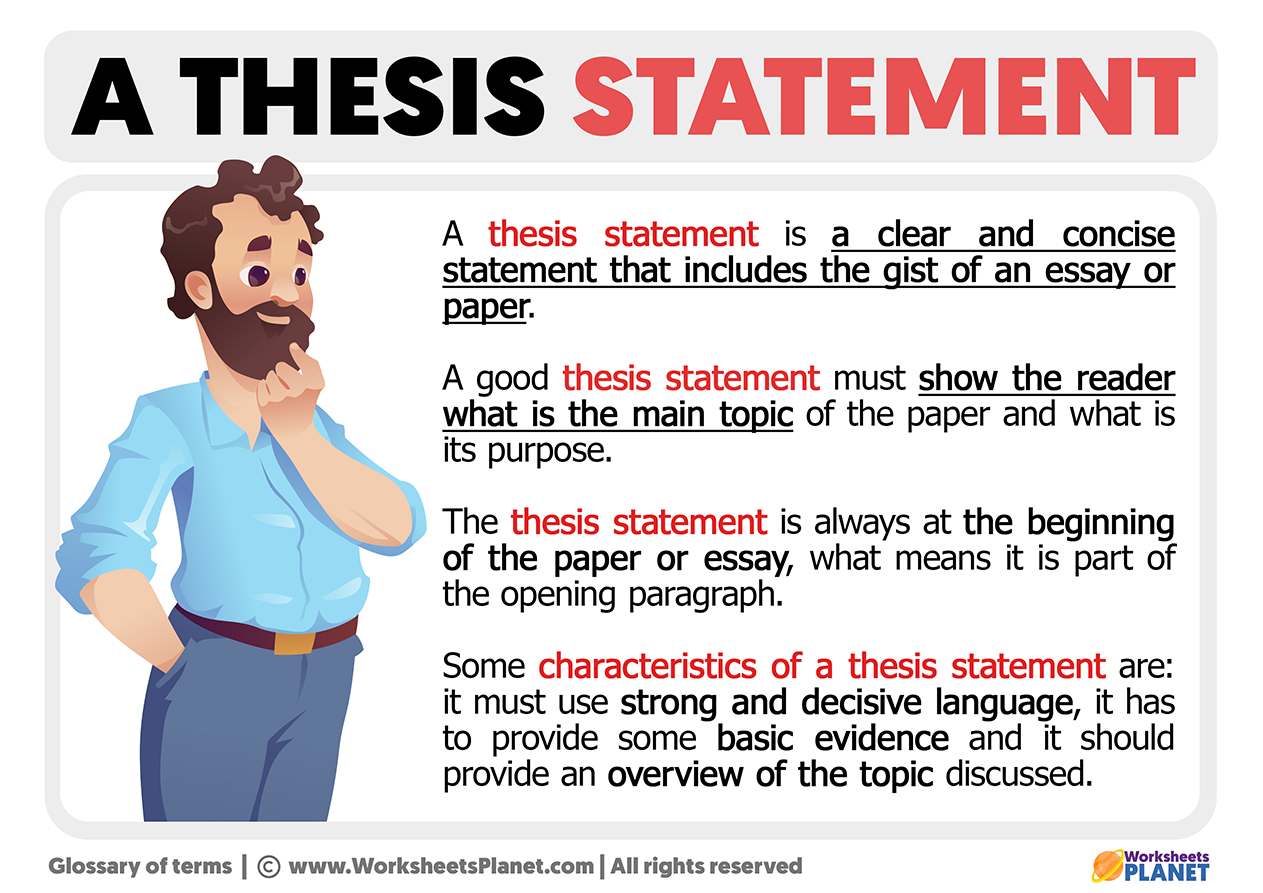
In the academic world, a thesis is the backbone of an essay. It is a concise statement that summarizes the main point or claim of a research paper. It serves as a roadmap for the reader and a North Star for the writer. Without a strong thesis, an essay becomes a collection of disjointed thoughts. In the world of finance, investing, and wealth building, the concept of a “thesis” is just as critical, though its application shifts from the classroom to the boardroom and the brokerage account.
An investment thesis is a reasoned argument for why a specific investment, business venture, or financial strategy will succeed. Just as an essayist must prove their point with evidence, an investor must justify their capital allocation with data, market trends, and logical forecasting. Whether you are a retail investor, a side hustler, or a corporate strategist, understanding “what a thesis is” in a financial context is the difference between calculated growth and reckless gambling.
The Anatomy of a Winning Investment Thesis
To understand the thesis in a financial context, one must look at it as a structured argument. In an essay, the thesis tells the reader what to expect; in finance, the investment thesis tells the market why you believe a specific asset is undervalued or poised for growth. A robust thesis is not a hunch; it is a multi-layered framework.
The Fundamental Premise
The foundation of any financial thesis is the “Why.” Why will this stock go up? Why will this real estate market appreciate? Why will this side hustle generate passive income? This premise must be specific. For example, a weak thesis would be “I think technology stocks will go up.” A strong, academic-style financial thesis would be: “Because of the increasing enterprise adoption of Generative AI and the current scarcity of high-performance semiconductor chips, NVIDIA is positioned to maintain a 30% revenue growth margin over the next four quarters.” This provides a clear, falsifiable statement that can be tested against real-world data.
Evidence-Based Projections
Just as a literature essay requires quotes and citations, a financial thesis requires data. This includes quantitative metrics like Price-to-Earnings (P/E) ratios, Debt-to-Equity ratios, and Free Cash Flow. However, it also requires qualitative evidence, such as the strength of a company’s management team or the “moat” (competitive advantage) it holds within its industry. An investor’s job is to compile this evidence to support their primary claim, ensuring that their financial “essay” holds up under the scrutiny of market volatility.
Why Every Side Hustle Needs a “Business Thesis”
Many people enter the world of online income and side hustles with enthusiasm but lack a core argument for their business’s existence. In the context of “what is a thesis,” a business thesis is your unique value proposition. It is the logical explanation of how you will extract value from a crowded marketplace.
Market Gap Identification
A successful business thesis begins by identifying an inefficiency or a gap. If you are starting an e-commerce brand or a freelance consulting business, your thesis must address a specific pain point. For instance, “Small-scale organic farmers lack affordable digital marketing tools to reach urban consumers directly.” This thesis defines the audience, the problem, and the potential for profit. Without this clarity, entrepreneurs often waste capital on broad strategies that fail to resonate with a specific demographic.
Scalability and Return on Investment (ROI)
The second part of a business thesis involves the mechanics of growth. How does the initial investment of time or money lead to a sustainable return? In professional finance, this is known as the “path to profitability.” Your thesis must outline the levers you will pull to scale. If your side hustle is a content-driven blog, your thesis might revolve around SEO dominance in a high-CPM (Cost Per Mille) niche like personal finance. By defining these parameters early, you can measure your progress objectively—just as a professor grades an essay based on how well the author supported their original thesis.
Strategic Financial Planning: Your Personal Finance Thesis
Personal finance is often treated as a series of chores—paying bills, saving for retirement, or managing debt. However, the most successful wealth builders treat their personal finances as a long-term project backed by a singular, cohesive thesis. This “Personal Finance Thesis” dictates every decision, from asset allocation to lifestyle choices.
Asset Allocation as a Narrative
Think of your portfolio as the body paragraphs of an essay. Each asset class—stocks, bonds, real estate, or crypto—must serve to support the central thesis of your financial life. If your thesis is “Long-term wealth is best achieved through aggressive compounding in low-cost index funds,” then your actions should reflect that. You would prioritize a 401(k) or IRA over speculative day trading. Conversely, if your thesis is “Sovereign risk is the greatest threat to wealth,” your portfolio might lean more heavily toward gold, decentralized finance (DeFi), or international real estate.
Risk Management and Constraints
An essay thesis often includes a “counter-argument” or a “concession” to show depth. In finance, this is your risk management strategy. A sophisticated personal finance thesis acknowledges what could go wrong. It asks: “What is my margin of safety?” This involves maintaining an emergency fund, diversifying across non-correlated assets, and understanding your own psychological tolerance for market dips. By building these constraints into your financial thesis, you prevent emotional decision-making when the market deviates from your expectations.
Refining Your Thesis: Tools and Data Analysis
In the modern era, you don’t have to build your financial thesis in a vacuum. The intersection of “Money” and “Tech” has provided individual investors with tools that were once reserved for Wall Street hedge funds. Refining your thesis requires the right instruments to parse through the noise of the global economy.
Quantitative Financial Tools
To validate a thesis, one must look at the numbers. Tools like Bloomberg Terminal (for professionals) or platforms like Seeking Alpha, Morningstar, and YCharts (for retail investors) allow you to stress-test your arguments. If your thesis is that “Value stocks are currently oversold relative to historical norms,” these tools allow you to run screens and filters to find the data points that either confirm or debunk your theory. In the world of money, “peer review” happens in the spreadsheets.
Qualitative Market Sentiment
While the numbers are vital, the “thesis” must also account for human behavior. Sentiment analysis tools—which track social media trends, news cycles, and consumer confidence—provide a qualitative layer to your financial argument. For example, a thesis regarding the rise of a new fintech app must account for user experience and brand loyalty, not just the company’s balance sheet. Understanding the “narrative” of the market allows you to see where the “math” might be overshadowed by “momentum,” helping you time your investments more effectively.

Conclusion: The Power of Clarity in Wealth Building
At its core, asking “what is a thesis in an essay” is an exercise in seeking clarity. It is about distilling a complex topic into a single, actionable idea. In the realm of money and finance, this clarity is the ultimate competitive advantage.
The most successful investors in history, from Warren Buffett to Ray Dalio, are essentially master essayists of the market. They do not move their capital until they have a clearly defined thesis that is backed by evidence, tested against risks, and supported by a logical framework. Buffett’s thesis on “value investing” and Dalio’s “All-Weather” thesis are simply high-level arguments for how money should be managed to achieve specific outcomes.
By adopting this mindset, you move away from the “noise” of financial news and the anxiety of market fluctuations. Whether you are managing a five-figure savings account, launching a digital side hustle, or navigating the complexities of corporate finance, always start with your thesis. If you cannot explain in one or two clear sentences why your financial decision will lead to a profit, you don’t have a strategy—you have a wish. Master the art of the financial thesis, and you will find that wealth is not just a product of luck, but the result of a well-argued, evidence-based conviction.
aViewFromTheCave is a participant in the Amazon Services LLC Associates Program, an affiliate advertising program designed to provide a means for sites to earn advertising fees by advertising and linking to Amazon.com. Amazon, the Amazon logo, AmazonSupply, and the AmazonSupply logo are trademarks of Amazon.com, Inc. or its affiliates. As an Amazon Associate we earn affiliate commissions from qualifying purchases.