
In the contemporary economic landscape, the traditional narrative of “college at any cost” is undergoing a significant transformation. As student debt reaches atmospheric levels and the return on investment (ROI) for many liberal arts degrees comes under scrutiny, savvy individuals are looking toward a more pragmatic financial path. This brings us to the core of the discussion: what is vocational education, and how does it serve as a powerful vehicle for wealth creation and financial stability?
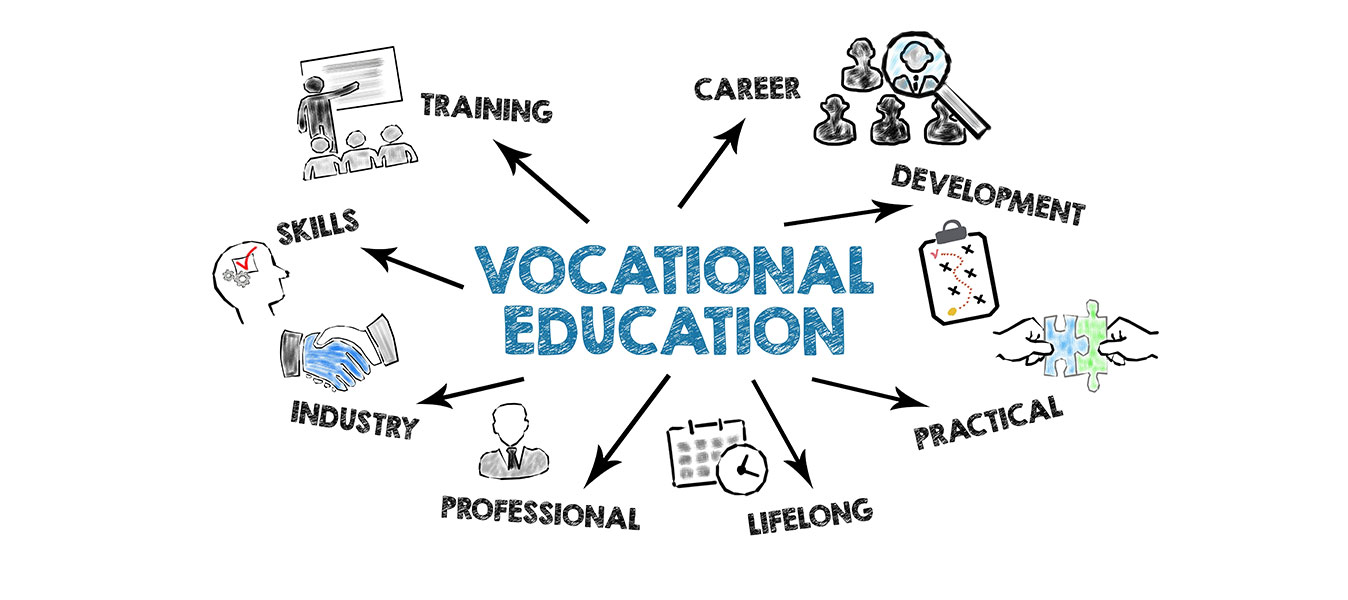
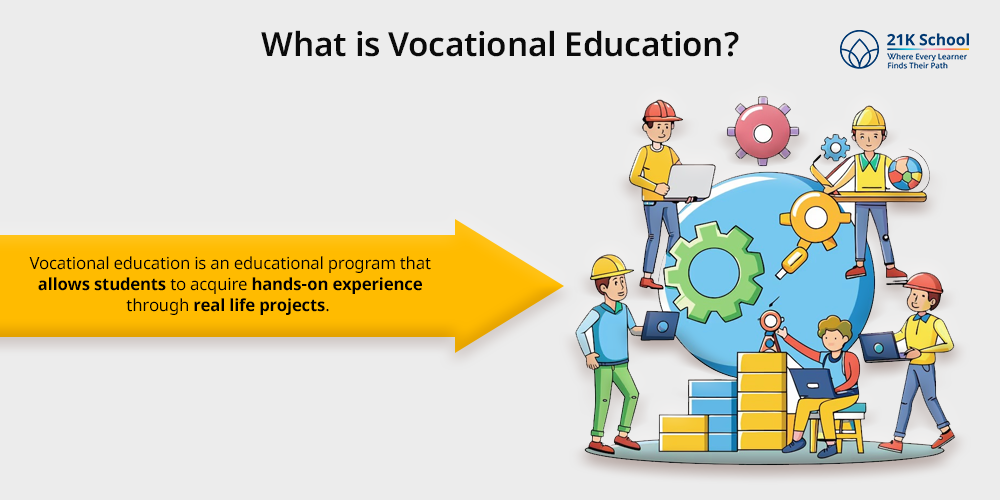
At its essence, vocational education—often referred to as Career and Technical Education (CTE)—is a streamlined instructional path designed to provide students with specific technical skills for a particular trade or profession. Unlike the broad, theoretical approach of a four-year university, vocational education is precision-engineered for the marketplace. From a financial perspective, it is a targeted investment in human capital designed to yield immediate liquidity and long-term dividends.
The Financial Blueprint: Why Vocational Education is a Smart Asset Allocation
When we view education through the lens of personal finance and business logic, we must evaluate it as an asset. Traditional four-year degrees are high-cost, high-time-commitment assets with variable yields. In contrast, vocational education represents a low-cost, low-time-commitment asset with high-predictability yields.
Lower Upfront Costs and Reduced Debt Burdens
One of the most compelling arguments for vocational education in the “Money” niche is the drastic reduction in capital expenditure. The average cost of a four-year private university degree in the United States can exceed $150,000, often funded through high-interest student loans that compound over decades. Vocational programs, typically lasting between six months and two years, often cost a fraction of that—frequently ranging from $5,000 to $20,000.
By minimizing the initial debt burden, vocational graduates avoid the “debt trap” that delays homeownership and retirement investing for their peers. Starting a career with zero or manageable debt allows for the immediate application of earnings toward income-generating assets, such as stocks or real estate, creating a significant head start in the race for compound interest.
Accelerated Time-to-Market for Earners
In finance, the “Time Value of Money” is a critical concept. Vocational education excels here by reducing the “opportunity cost” of schooling. A student in a four-year program spends 48 months out of the full-time workforce. A vocational student might enter the workforce in 12 months. This three-year lead allows the vocational graduate to earn three years of compounded salary, gain seniority, and potentially receive employer-sponsored advanced training while the university student is still paying tuition. This “head start” can result in a net worth delta of hundreds of thousands of dollars by the time both individuals reach their 30s.
Maximizing ROI: High-Earning Vocational Sectors in the Modern Economy
The misconception that vocational roles are “low paying” is a relic of the past. In reality, the “Skills Gap”—the disparity between the number of skilled jobs and the number of people qualified to fill them—has driven wages to record highs in specialized fields.
Specialized Trade Mastery: Plumbing, Electrical, and HVAC
The foundational infrastructure of our economy relies on skilled trades that cannot be offshored or automated by basic algorithms. Master electricians and specialized HVAC technicians in metropolitan areas frequently earn six-figure incomes, surpassing the average earnings of many middle-management office roles. Because these roles are essential services, their pricing power is high. For the entrepreneurially minded, these trades offer a clear path to business ownership, where the margins on labor and parts can lead to significant business wealth.
The New Blue-Collar: Medical Technology and Specialized Healthcare
Vocational education isn’t limited to manual labor; it extends into the high-growth healthcare sector. Roles such as Ultrasound Technicians, Respiratory Therapists, and Dental Hygienists require specialized vocational training rather than a full medical degree. These positions offer high entry-level salaries and excellent job security due to an aging population. From a financial planning perspective, these roles provide a stable “defensive” income stream that is resilient to economic downturns.
The Digital Pivot: Technical Bootcamps and High-Income Skills
The definition of vocational education has expanded to include “Digital Trades.” Coding bootcamps, cybersecurity certifications, and cloud architecture courses are the modern equivalent of the trade school. These programs focus exclusively on high-income skills required by the tech industry. For a relatively small investment, an individual can pivot from a low-wage job to a high-paying tech role in under a year. This represents one of the highest ROIs in the educational market today, often resulting in a 100% to 200% salary increase post-graduation.
Future-Proofing Wealth: Vocational Skills as a Hedge Against Market Volatility
In the world of investing, diversification is key. The same applies to your career. Vocational education provides a “hard skill” hedge against the rising tide of Artificial Intelligence and economic fluctuations.
Recessions, AI, and the Indispensable Human Element
While Generative AI is beginning to disrupt cognitive, desk-based tasks—ranging from entry-level law to data entry—it has yet to master the complex, tactile, and diagnostic requirements of skilled trades. An AI can write a budget, but it cannot repair a burst pipe in a high-rise or recalibrate a specialized surgical robot. By investing in vocational education, individuals are essentially buying “downside protection” for their careers. The physical nature of many vocational jobs creates a barrier to entry for automation, ensuring continued demand and wage stability.
Scalability and Entrepreneurial Opportunities in the Trades
Perhaps the greatest financial advantage of vocational education is the ease of transition from “employee” to “owner.” In many corporate sectors, starting a competing firm requires millions in venture capital. In the vocational world, a skilled tradesperson can start a service-based business with minimal overhead—a van, tools, and a license.
This path offers unlimited upside. Instead of trading hours for dollars indefinitely, the vocational entrepreneur can hire other technicians, scaling their personal income into a business asset that can eventually be sold. Many “secret millionaires” in local communities are not tech founders or hedge fund managers, but the owners of local plumbing, landscaping, or electrical contracting businesses.
Strategic Financial Planning for a Vocational Career Path
Choosing vocational education is a business decision, and like any business decision, it requires a strategic financial plan.
Navigating Grants, Apprenticeships, and Employer-Sponsored Training
One of the unique financial benefits of the vocational path is the prevalence of “earn-while-you-learn” models. Many trade unions and private corporations offer apprenticeships where the student is paid to learn on the job. Furthermore, because of the national labor shortage, there are often significant government grants and private scholarships available specifically for CTE students. Leveraging these resources can reduce the cost of education to near zero, maximizing the eventual ROI.
Building Long-Term Wealth from a Vocational Foundation
For those who choose the vocational route, the primary financial challenge is not earning potential—it is wealth management. Because vocational earners often reach their peak earning capacity earlier in life than university graduates, they have a unique opportunity to exploit the power of time.
A 20-year-old welder earning $60,000 a year who lives modestly and invests 20% of their income into a diversified portfolio will, through the power of compounding, often find themselves in a stronger financial position by age 50 than a doctor who didn’t start earning—and paying off debt—until their early 30s. Vocational education provides the “seed capital” of a strong salary early enough in the lifecycle to make a transformative difference in terminal wealth.
Conclusion: The Bottom Line on Vocational Education
What is vocational education? In today’s economy, it is a sophisticated financial strategy. It is an acknowledgment that the most direct route to wealth is often the mastery of a specific, high-demand skill. By lowering the cost of entry, reducing the time to market, and providing a shield against automation, vocational education offers a compelling alternative to the traditional academic path. For those looking to build a robust financial future, investing in a “trade” is no longer a secondary option—it is a premier strategy for achieving financial independence and long-term prosperity.
aViewFromTheCave is a participant in the Amazon Services LLC Associates Program, an affiliate advertising program designed to provide a means for sites to earn advertising fees by advertising and linking to Amazon.com. Amazon, the Amazon logo, AmazonSupply, and the AmazonSupply logo are trademarks of Amazon.com, Inc. or its affiliates. As an Amazon Associate we earn affiliate commissions from qualifying purchases.