
The refrigerator stands as a sentinel in nearly every modern kitchen, a silent guardian against spoilage and a cornerstone of food safety. Yet, despite its omnipresence, many users remain surprisingly unaware of its optimal operational parameters, particularly the critical internal temperature. This isn’t just about keeping food cold; it’s about a precise science that balances bacterial inhibition, nutritional preservation, energy efficiency, and leveraging cutting-edge appliance technology. Understanding and maintaining the correct refrigerator temperature is paramount for extending the shelf life of your groceries, safeguarding your family’s health, and even trimming down your utility bills.
This comprehensive guide will delve into the intricacies of refrigerator temperature, exploring the science behind optimal cooling, practical steps for setting and monitoring, the advanced technological innovations shaping modern refrigeration, and essential maintenance practices to ensure your appliance operates at peak performance.
The Critical Balance: Why Refrigerator Temperature Matters
The seemingly simple act of refrigeration is a sophisticated process with profound implications for food quality and public health. The temperature within your refrigerator dictates a complex interplay of microbial activity, enzymatic reactions, and the physical state of your food.
Battling Bacterial Growth: The Food Safety Imperative
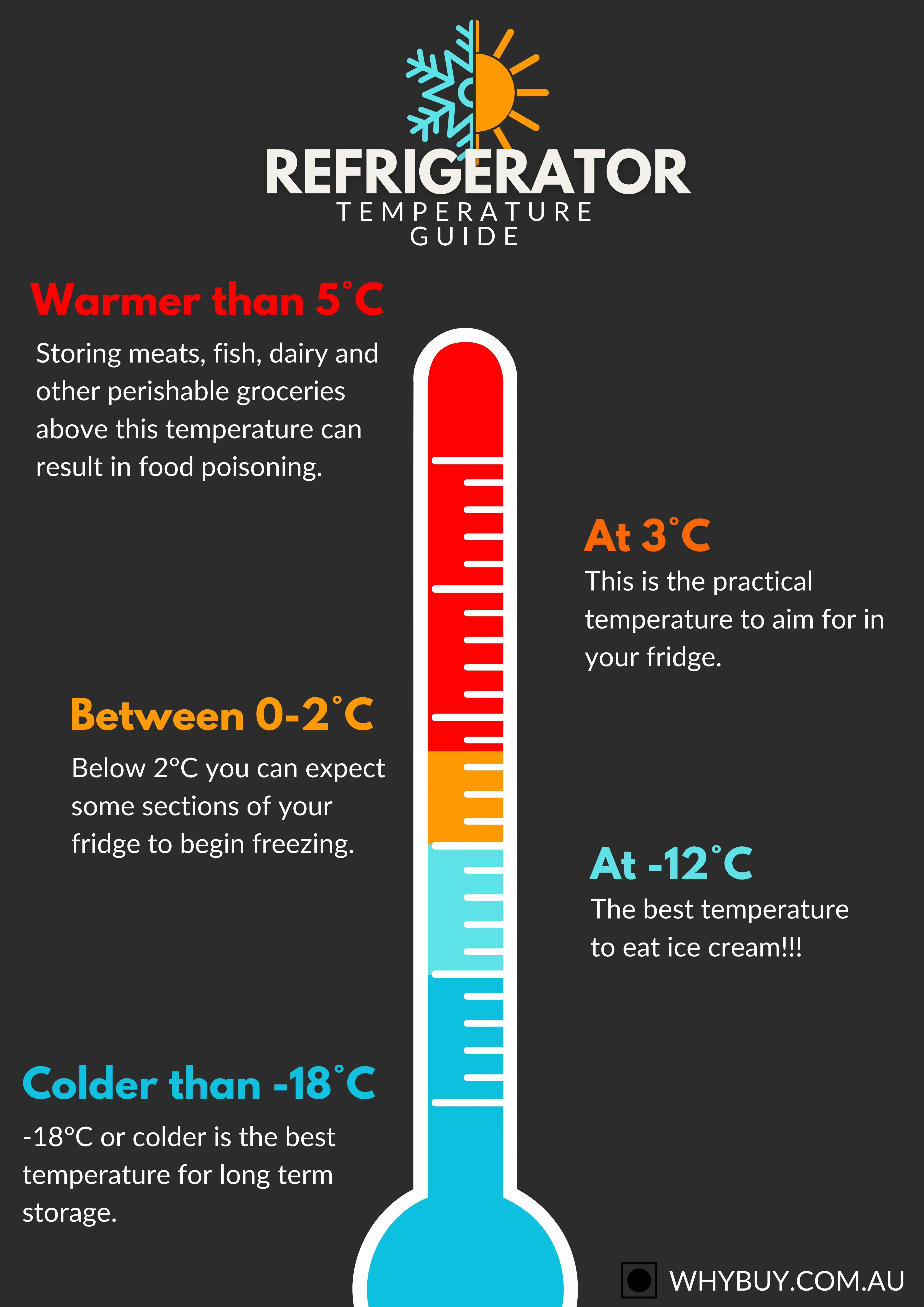
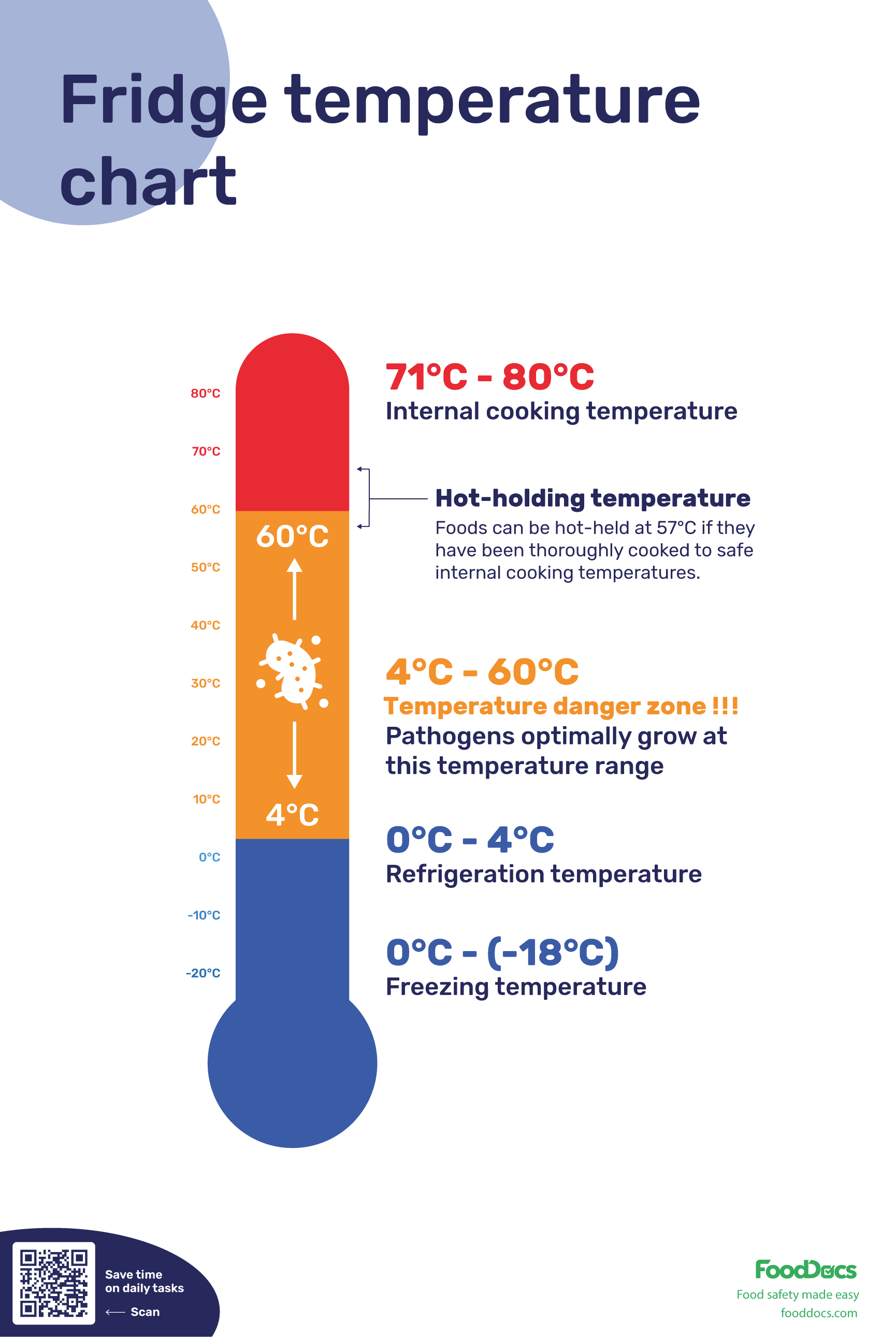
At the heart of refrigeration’s importance is its role in food safety. Harmful bacteria, such as Salmonella, E. coli, and Listeria, thrive in what is known as the “Danger Zone” – temperatures between 40°F (4°C) and 140°F (60°C). Within this range, these microorganisms can multiply rapidly, doubling in number every 20 minutes, significantly increasing the risk of foodborne illness.
The primary function of a refrigerator is to keep perishable foods below this danger zone, slowing down bacterial growth to a crawl. While refrigeration doesn’t kill bacteria, it effectively inhibits their reproduction, buying precious time before food becomes unsafe to consume. Maintaining a consistent temperature below 40°F (4°C) is crucial to prevent the proliferation of these pathogens, ensuring that raw meats, dairy products, cooked leftovers, and fresh produce remain safe for consumption. Even a slight deviation into the danger zone, particularly over extended periods, can compromise food safety and lead to serious health risks.
Extending Shelf Life: Preserving Freshness and Nutrients
Beyond safety, optimal refrigeration temperature significantly impacts the shelf life and quality of food. Low temperatures slow down not only microbial activity but also enzymatic reactions that cause food to ripen, rot, or degrade. Fruits and vegetables retain their crispness, dairy products stay fresh longer, and cooked foods maintain their texture and flavor.
Moreover, proper refrigeration helps preserve the nutritional value of food. Exposure to higher temperatures can accelerate the breakdown of delicate vitamins and other heat-sensitive nutrients. By maintaining a consistently cold environment, refrigerators help lock in the essential vitamins, minerals, and antioxidants that contribute to a healthy diet. This translates into less food waste, as groceries stay fresh and appealing for longer, reducing the frequency of grocery runs and contributing to household savings.
Energy Consumption: The Economic and Environmental Impact
The efficiency of your refrigerator is directly linked to its temperature settings and how well it maintains them. An appliance that struggles to maintain its set temperature, perhaps due to improper settings, worn seals, or poor ventilation, will work harder, consuming more electricity. Conversely, running a refrigerator colder than necessary also wastes energy. Every degree below the optimal 37°F (3°C) to 38°F (3.3°C) range can lead to a disproportionate increase in energy consumption.
Modern refrigerators are designed with energy efficiency in mind, often featuring advanced insulation and compressor technology. However, user practices play a significant role. An improperly set or maintained unit can negate these energy-saving features, leading to higher electricity bills and a larger carbon footprint. Striking the right balance between food safety and energy conservation is a vital aspect of smart appliance management, benefiting both your wallet and the environment.
Decoding the Dial: Setting and Monitoring Your Refrigerator’s Temperature
Setting your refrigerator’s temperature might seem straightforward, but achieving and maintaining the ideal cold environment requires understanding both the recommended guidelines and the specifics of your appliance.
The Golden Range: Recommended Settings from Experts
Food safety organizations worldwide universally recommend a specific temperature range for refrigerators. The U.S. Food and Drug Administration (FDA) and the U.S. Department of Agriculture (USDA) both advise setting your refrigerator to 40°F (4°C) or below. For optimal food quality and minimal energy consumption, many experts suggest a slightly narrower range of 37°F (3°C) to 38°F (3.3°C). This range is cold enough to effectively inhibit bacterial growth without unnecessarily overworking the compressor, which would waste energy.
It’s important to remember that these are average target temperatures. The temperature can vary slightly in different areas of the refrigerator – shelves near the back tend to be colder, while door shelves are generally warmer due to frequent opening.
Understanding Your Refrigerator’s Thermostat: Analog vs. Digital
Refrigerators typically come with one of two types of temperature controls:
-
Analog Dials: Older or more basic models often feature a numerical dial, usually ranging from 1 (warmest) to 5 or 7 (coldest). These dials don’t display an exact temperature, making precise calibration challenging. If you have an analog dial, it’s often best to start at a mid-setting (e.g., 3 or 4) and then adjust based on external thermometer readings.
-
Digital Displays: Modern and high-end refrigerators usually have digital controls, allowing you to set the temperature to an exact degree in Fahrenheit or Celsius. These are more precise and user-friendly, often integrating with internal sensors for more accurate readings.
Regardless of the type, it’s crucial to understand that the setting you choose is a target, and the actual internal temperature can fluctuate.
The Imperative of External Thermometers: Accuracy Beyond Built-Ins
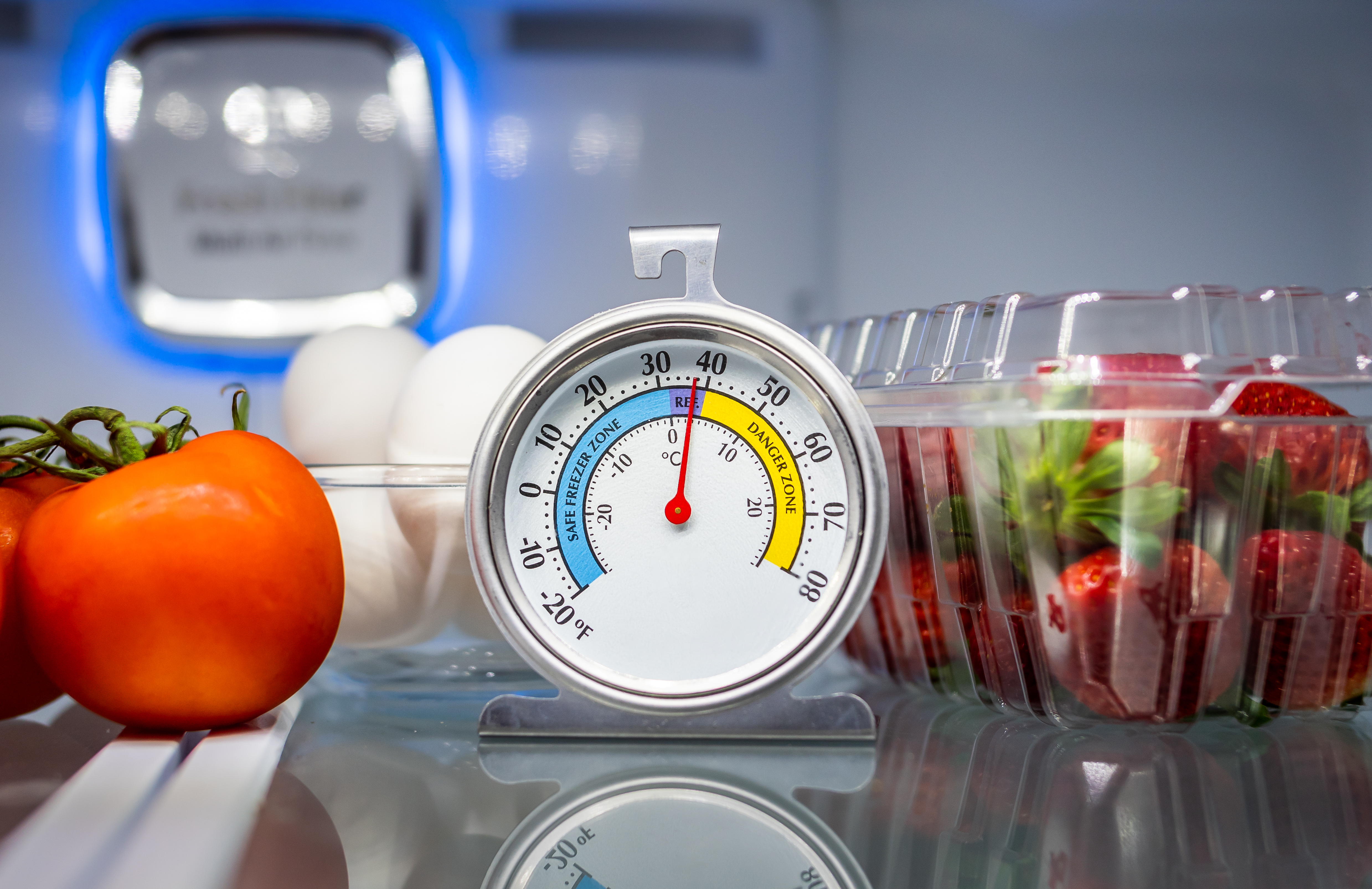
While many refrigerators have built-in temperature displays, these aren’t always perfectly accurate or reflective of the temperature throughout the entire unit. Investing in an inexpensive, appliance-specific thermometer (available at most hardware or grocery stores) is a smart move. Place it in the middle of your refrigerator, away from vents or the door, and check it periodically. This will give you the most reliable reading of your actual internal temperature and allow you to fine-tune your refrigerator’s controls. For maximum accuracy, check the thermometer after 24 hours of stable conditions (minimal door openings, no new hot food).
Factors Influencing Internal Stability: Loading, Frequency of Access, and Ambient Conditions
Several external factors can impact your refrigerator’s ability to maintain a consistent internal temperature:
-
Loading: An overpacked refrigerator restricts airflow, creating warm spots. Conversely, a nearly empty refrigerator has less thermal mass to retain cold, making it susceptible to temperature fluctuations when the door is opened. A moderately full refrigerator is ideal.
-
Frequency of Access: Every time the door is opened, cold air escapes and is replaced by warmer room air, forcing the compressor to work harder to restore the set temperature.
-
Ambient Room Temperature: If your refrigerator is in a very warm kitchen or direct sunlight, it will have to work harder. Similarly, extreme cold (e.g., in an unheated garage) can also cause issues for some models, preventing the freezer from cycling properly and leading to the fridge warming up.
-
Hot Food: Placing hot food directly into the refrigerator significantly raises the internal temperature, impacting other stored items. Always cool food to room temperature (within two hours of cooking) before refrigerating.
The Smart Cold Chain: Advanced Technology in Modern Refrigeration
The humble refrigerator has undergone a remarkable transformation in recent decades, evolving from a simple cooling box into a sophisticated appliance bristling with advanced technology designed for precision, efficiency, and connectivity.
IoT-Enabled Refrigerators: Connectivity and Remote Control
The era of the Internet of Things (IoT) has firmly arrived in the kitchen. Smart refrigerators can connect to your home Wi-Fi network, offering a suite of features that enhance convenience and control. Many smart fridges allow you to:
-
Monitor and adjust temperatures remotely: Using a smartphone app, you can check and change the refrigerator and freezer temperatures from anywhere, a handy feature if you’re away on vacation or forget to adjust after a large grocery haul.
-
Receive alerts: Get notifications if the door is left ajar, the temperature rises unexpectedly (e.g., during a power outage), or it’s time to replace the water filter.
-
Inventory management: Some models feature internal cameras that allow you to see what’s inside without opening the door, or even create a digital inventory to track expiration dates and suggest recipes.
-
Diagnostic capabilities: Smart refrigerators can often self-diagnose minor issues and send alerts to a service center, streamlining maintenance and repairs.
This level of connectivity moves beyond mere cooling, turning the refrigerator into an integrated hub for kitchen management and peace of mind.
Precision Cooling Systems: Dual Evaporators and Multi-Zone Management
One of the most significant advancements in modern refrigeration technology is the introduction of precision cooling systems:
-
Dual Evaporators: Traditional refrigerators use a single evaporator to cool both the freezer and the fresh food compartment. This can lead to dry air in the refrigerator (as moisture is pulled into the freezer) and odor transfer. Dual evaporator systems, conversely, use separate evaporators for each compartment. This allows for independent temperature and humidity control, keeping refrigerator air moist to preserve produce and preventing freezer odors from migrating to fresh foods.
-
Multi-Zone Cooling: Building on the dual evaporator concept, some high-end refrigerators offer multiple climate zones within the fresh food compartment. These specialized drawers or sections can be set to different temperatures and humidity levels, optimized for specific food types like deli meats, cheeses, or delicate fruits and vegetables. This level of granular control maximizes freshness and extends the shelf life of diverse perishable items.
Energy-Efficient Innovations: Inverters and Vacuum Insulation Panels (VIPs)
Modern refrigerators are designed with sustainability and energy savings in mind:
-
Inverter Compressors: Unlike traditional compressors that cycle on and off at full power, inverter compressors can vary their speed and power output. This allows them to run continuously at lower speeds when full cooling isn’t required, leading to more stable temperatures, quieter operation, and significantly greater energy efficiency.
-
Vacuum Insulation Panels (VIPs): These advanced insulation materials are much thinner and more effective than traditional foam insulation. VIPs create a near-vacuum environment, drastically reducing heat transfer and allowing manufacturers to create refrigerators with thinner walls but larger internal capacities, all while consuming less energy.
Specialized Compartments: Tailoring Climates for Specific Foods
Beyond main compartment temperatures, many refrigerators feature specialized drawers designed to optimize conditions for particular food types:
-
Crisper Drawers: Equipped with adjustable humidity controls, these drawers are perfect for fruits and vegetables. A higher humidity setting keeps leafy greens from wilting, while a lower setting prevents ethylene-producing fruits from spoiling surrounding produce.
-
Deli Drawers/Chiller Compartments: These are often set to a slightly lower temperature than the main refrigerator compartment (around 32-35°F or 0-2°C) without freezing. This makes them ideal for storing meats, cheeses, and other deli items, extending their freshness.
-
Convertible Drawers: Some premium models feature drawers that can be converted between refrigerator and freezer temperatures, offering incredible flexibility based on your storage needs at any given time.
These technological advancements underscore the evolution of the refrigerator from a basic appliance to a sophisticated, intelligent system designed to optimize food preservation, minimize waste, and integrate seamlessly into the modern smart home.
Maintaining the Chill: Best Practices for Optimal Refrigerator Performance
Setting the correct temperature is only half the battle; consistent maintenance and proper usage are crucial for ensuring your refrigerator operates efficiently and maintains optimal cold conditions over its lifespan.
Strategic Organization: Maximizing Airflow and Minimizing Hot Spots
The way you arrange food inside your refrigerator significantly impacts its ability to maintain an even temperature.
-
Don’t Overpack: Overstuffing the refrigerator obstructs cold airflow, creating warm pockets and forcing the compressor to work harder. Leave space for air to circulate freely around items.
-
Organize Strategically: Place raw meats and poultry on the bottom shelf to prevent drips from contaminating other foods. Dairy products and leftovers do well on middle shelves. Door shelves are generally the warmest part of the fridge due to frequent opening, making them suitable for condiments, juices, and items less susceptible to spoilage.
-
Ventilation: Ensure that internal air vents are not blocked by food items. These vents are vital for distributing cold air throughout the compartment.
Gasket Integrity: The Unsung Hero of Temperature Retention
The rubber or magnetic seals (gaskets) around your refrigerator and freezer doors are critical for maintaining the internal cold. A compromised gasket allows warm air to seep in, making the compressor work overtime and increasing energy consumption.
-
Regular Cleaning: Clean gaskets regularly with a mild detergent and water to remove food debris and sticky residues that can prevent a tight seal.
-
Check for Leaks: Test your gaskets by closing the door on a dollar bill. If the bill pulls out easily, the gasket might be loose or damaged and may need to be replaced. A simple visual inspection for cracks or tears is also important.
Coil Cleaning and Ventilation: Enhancing Efficiency and Longevity
The condenser coils, usually located on the back or underneath your refrigerator, dissipate heat from the cooling process. When these coils are covered in dust and pet hair, they cannot efficiently release heat, leading to reduced cooling performance and increased energy usage.
-
Annual Cleaning: Pull your refrigerator away from the wall and vacuum or brush the condenser coils at least once a year.
-
Proper Ventilation: Ensure there’s adequate space (typically 1-3 inches) between the back of the refrigerator and the wall, and clearance on the sides and top, to allow for proper heat dissipation. Do not place items on top of your refrigerator that could obstruct its ventilation.
Troubleshooting Common Temperature Woes: What to Do When Things Go Awry
Even with proper care, refrigerators can experience temperature issues. Here are common problems and quick fixes:
-
Refrigerator Too Warm:
-
Check the Thermometer: Confirm the actual temperature.
-
Door Seals: Inspect gaskets for damage or dirt.
-
Coil Cleaning: Clean dusty condenser coils.
-
Overpacking: Remove excess items to improve airflow.
-
Hot Food: Avoid putting hot food directly into the fridge.
-
Thermostat Setting: Ensure the thermostat isn’t accidentally set too high.
-
-
Refrigerator Too Cold (Freezing Food):
-
Thermostat Setting: Adjust the thermostat slightly warmer.
-
Food Placement: Keep sensitive items away from direct airflow vents.
-
Gasket Issues: Paradoxically, a failing gasket can sometimes cause a refrigerator to overcompensate by running too cold.
-
-
Frequent Cycling/Running Constantly: This often indicates the refrigerator is struggling to maintain its temperature, possibly due to dirty coils, a failing gasket, or an issue with the compressor or fan, which may require professional service.
By adhering to these maintenance tips and understanding basic troubleshooting, you can significantly extend the life of your refrigerator, maintain optimal food safety, and ensure it operates as efficiently as intended by its design.
The Freezer’s Role: A Symphony of Cold Beyond the Fresh Food Compartment
While the focus is often on the refrigerator, the freezer plays an equally vital role in food preservation, operating at even colder temperatures to halt microbial activity and extend shelf life indefinitely for many items. Understanding its optimal settings and relationship to the fresh food compartment is key to holistic food safety and appliance efficiency.
The Ideal Freezer Temperature: A Separate Yet Related Concern
The recommended temperature for a freezer is 0°F (-18°C) or lower. At this temperature, bacterial growth is completely stopped, and enzymatic activity that causes spoilage is largely suppressed. This allows for long-term storage of meats, vegetables, and pre-prepared meals. Maintaining a consistent 0°F is critical for preserving both the safety and quality of frozen foods. Similar to the refrigerator, using an external freezer thermometer is the best way to ensure accuracy.
It’s worth noting that in single-compressor refrigerator-freezer units, the freezer often provides the initial cooling, and then air is circulated to the refrigerator compartment. This interconnectedness means that significant temperature issues in one compartment can sometimes affect the other.
Preventing Freezer Burn: The Science of Sublimation
Freezer burn, characterized by dry, discolored spots on frozen food, is not a food safety issue but a quality one. It occurs when food is exposed to air within the freezer, causing moisture to sublimate (turn directly from ice to vapor) and leave the food dry and flavorless.
To prevent freezer burn:
-
Proper Packaging: Use airtight, freezer-safe containers, heavy-duty freezer bags, or vacuum sealers.
-
Remove Air: Squeeze as much air out of bags as possible before sealing.
-
Wrap Tightly: For meats, consider wrapping first in plastic wrap, then in foil or freezer paper, before placing in a freezer bag.
-
Quick Freezing: Freeze items quickly and in small portions to minimize ice crystal formation and reduce the time food spends in a semi-frozen state.
Smart Freezing Practices: For Longevity and Quality
Beyond temperature, smart freezing practices enhance food preservation:
-
Label and Date: Always label items with the contents and the date frozen to ensure you use older items first and track their storage duration.
-
Don’t Overload: Avoid putting too many unfrozen items into the freezer at once, as this can raise the overall temperature and slow down the freezing process for everything. Freeze items in batches if you have a large quantity.
-
Monitor Icing: Excessive ice buildup on the walls or shelves can indicate a door seal problem or an issue with the auto-defrost system. This ice can also insulate the interior, making the freezer work harder.
In conclusion, understanding and actively managing the optimal temperatures for both your refrigerator and freezer are essential practices for any modern household. It’s a blend of basic science, smart usage, and leveraging the impressive technological advancements built into today’s appliances. By prioritizing precise temperature control, coupled with diligent maintenance, you ensure the safety of your food, minimize waste, and contribute to a more energy-efficient and technologically smart home.
aViewFromTheCave is a participant in the Amazon Services LLC Associates Program, an affiliate advertising program designed to provide a means for sites to earn advertising fees by advertising and linking to Amazon.com. Amazon, the Amazon logo, AmazonSupply, and the AmazonSupply logo are trademarks of Amazon.com, Inc. or its affiliates. As an Amazon Associate we earn affiliate commissions from qualifying purchases.