
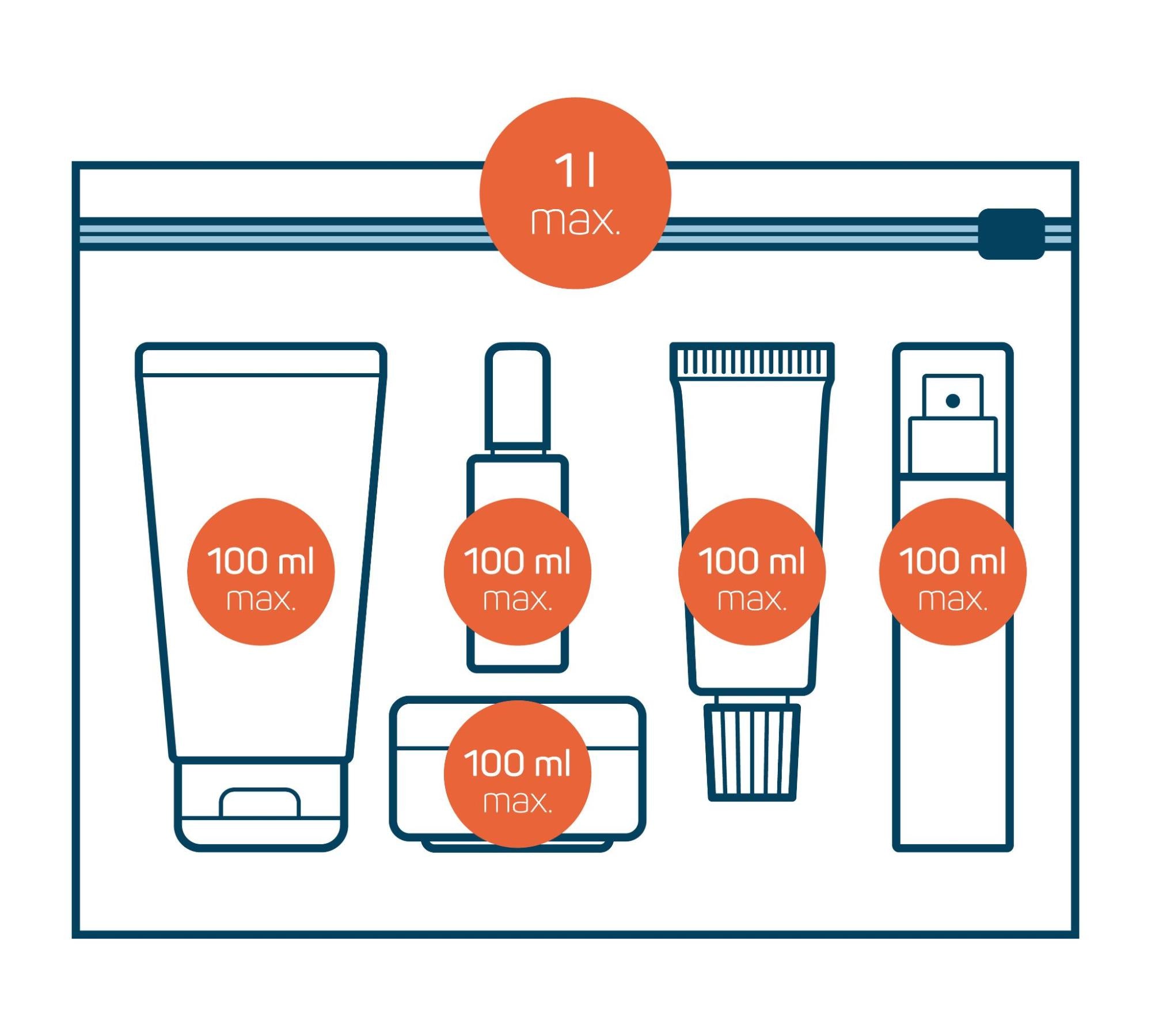
In the modern landscape of global mobility, travel is no longer just a logistical challenge; it is a significant line item in both personal and corporate budgets. When travelers ask, “What is the size for travel liquids?” they are often looking for the standard TSA “3-1-1” rule—liquids must be in containers of 3.4 ounces (100 milliliters) or less, all fitting into one quart-sized clear bag. However, from a financial perspective, this measurement represents much more than a security requirement. It is the gatekeeper to a “carry-on only” lifestyle that can save individual travelers and corporations thousands of dollars annually.

Understanding the financial nuances of travel liquid restrictions is essential for anyone looking to optimize their personal finance or streamline business travel overhead. This article explores the economic impact of the 3.4-ounce rule, the hidden costs of convenience-sized products, and the long-term ROI of strategic travel packing.
1. The Financial Impact of the 3-1-1 Rule: Avoiding Sunk Costs in Baggage Fees
The primary financial driver behind mastering the 3.4-ounce liquid limit is the avoidance of checked baggage fees. Over the last decade, airlines have unbundled their pricing models, transforming what was once a complimentary service into a multi-billion dollar secondary revenue stream.
The Rising Cost of Checked Luggage
For the budget-conscious traveler or the small business owner, checked bag fees represent a significant “leak” in the travel budget. Domestic carriers in the United States and low-cost carriers in Europe often charge anywhere from $30 to $75 for the first checked bag, with prices escalating for additional items or overweight loads. By adhering strictly to the 100ml liquid limit, a traveler can bypass the check-in counter entirely. On a round-trip flight, this simple adherence to size regulations can save upwards of $100. For a frequent business traveler making 20 trips a year, that equates to a $2,000 annual saving—pure profit for a freelancer or a significant reduction in Opex (Operating Expense) for a corporation.
Mitigating the Risk of Asset Loss
Beyond the direct fees, there is the “hidden” financial risk of lost or delayed luggage. When a bag is lost, the traveler incurs immediate costs: purchasing replacement clothing, toiletries, and professional gear at premium “last-minute” prices. While airlines offer compensation, the process is often a bureaucratic hurdle that consumes valuable time. By keeping all essentials, including liquids, within the prescribed carry-on limits, you protect your physical assets and ensure that your trip remains on schedule, preventing the loss of billable hours or business opportunities.
2. Cost-Benefit Analysis: Pre-Packaged Minis vs. DIY Decanting
Once a traveler commits to the carry-on lifestyle, the next financial decision involves how to procure those 3.4-ounce liquids. This is where the “convenience tax” becomes most apparent in personal finance.
The “Convenience Tax” on Travel-Sized Products
Retailers often charge a massive premium for travel-sized versions of popular brands. When you compare the price-per-ounce of a standard 12-ounce shampoo bottle to its 3-ounce “travel size” counterpart, the markup can often exceed 200% to 300%. For example, a luxury skin cream might retail for $50 for 5 ounces ($10/oz), while the 1-ounce travel version sells for $20. For a family of four, these small premiums add up across sunscreens, toothpastes, and hair products, turning a simple packing list into an expensive shopping excursion.
The ROI of High-Quality Decanting Kits
The most fiscally responsible approach to travel liquids is investing in high-quality, reusable silicone or BPA-free plastic containers. While there is an upfront capital expenditure—usually between $15 and $30 for a professional-grade set—the return on investment (ROI) is realized within just two or three trips. By decanting products from “bulk” or “value size” containers purchased at home, travelers benefit from the lowest possible price-per-ounce. This strategy not only saves money but also ensures that the traveler is using their preferred products, avoiding the skin or hair issues that often arise from cheap hotel-provided amenities.
Subscription Models and Bulk Procurement
For corporate teams, there is an argument for bulk procurement of travel-compliant toiletries. Some businesses now offer “travel kits” as part of their employee wellness or productivity packages. By purchasing compliant liquids in bulk directly from manufacturers, companies can provide a perk that saves employees time and money while reinforcing a culture of efficiency and standardized travel protocols.
3. Strategic Business Travel: Time as a Financial Asset
In the world of business finance, time is frequently equated with money. The size of your travel liquids directly dictates how much time you spend in a terminal, which in turn impacts your productivity and your bottom line.
Streamlining the Security Checkpoint
The 3.4-ounce rule is designed for security efficiency. Travelers who arrive at the TSA checkpoint with oversized liquids face secondary screening, which can lead to delays of 15 to 30 minutes. For a high-level consultant or executive whose billable rate might be hundreds of dollars per hour, a 30-minute delay is a tangible financial loss. Mastering the “1” in the 3-1-1 rule—keeping all liquids in a single, accessible clear bag—allows for a seamless transition through security, maximizing the time available for deep work in the lounge or at the gate.
The “Last-Mile” Efficiency
Upon arrival, the carry-on traveler has a distinct financial advantage in the “last mile” of their journey. Those who do not have to wait at the luggage carousel are the first to reach the taxi stand or ride-share pickup point. During peak hours, being 15 minutes ahead of the crowd can mean the difference between a $20 standard Uber fare and a $60 surge-priced ride. Furthermore, it ensures timely arrival at meetings, protecting the traveler’s professional brand and potential for future revenue.
Opportunity Cost of Over-Packing
Over-packing liquids doesn’t just cost money in fees; it creates physical strain and reduces mobility. In a business context, being “nimble” means being able to take public transit, walk between meetings, or switch flights at the last minute due to cancellations. Large, liquid-heavy bags eliminate these options, forcing the traveler into more expensive, less efficient modes of transport.
4. Digital Tools and Financial Planning for the Frequent Flyer
Maximizing the value of your travel liquid strategy involves more than just a clear bag; it requires the use of financial tools and apps to track and optimize spending.
Expense Tracking and Reimbursement
For those traveling for business, many expense management platforms now allow for the categorization of “travel incidentals.” By tracking the cost of travel-sized purchases versus decanted home products, an individual can see a clear picture of their annual savings. Furthermore, for those who must buy liquids at the airport due to forgotten items or security confiscations, using a dedicated business credit card ensures that these high-cost purchases are tracked for tax deductions or company reimbursement.
TSA PreCheck and Global Entry as Financial Investments
While not a “liquid” itself, TSA PreCheck is the ultimate companion to the 3-1-1 rule. The application fee (approximately $78-$85 for five years) is a small investment that yields a massive dividend in time. PreCheck travelers often do not have to remove their 3.4-ounce liquids from their bags. When you calculate the time saved over five years, the cost of the program is negligible. Many premium credit cards even offer a statement credit for these fees, essentially making the investment free and further optimizing the traveler’s financial portfolio.
The Sustainability/Finance Intersection
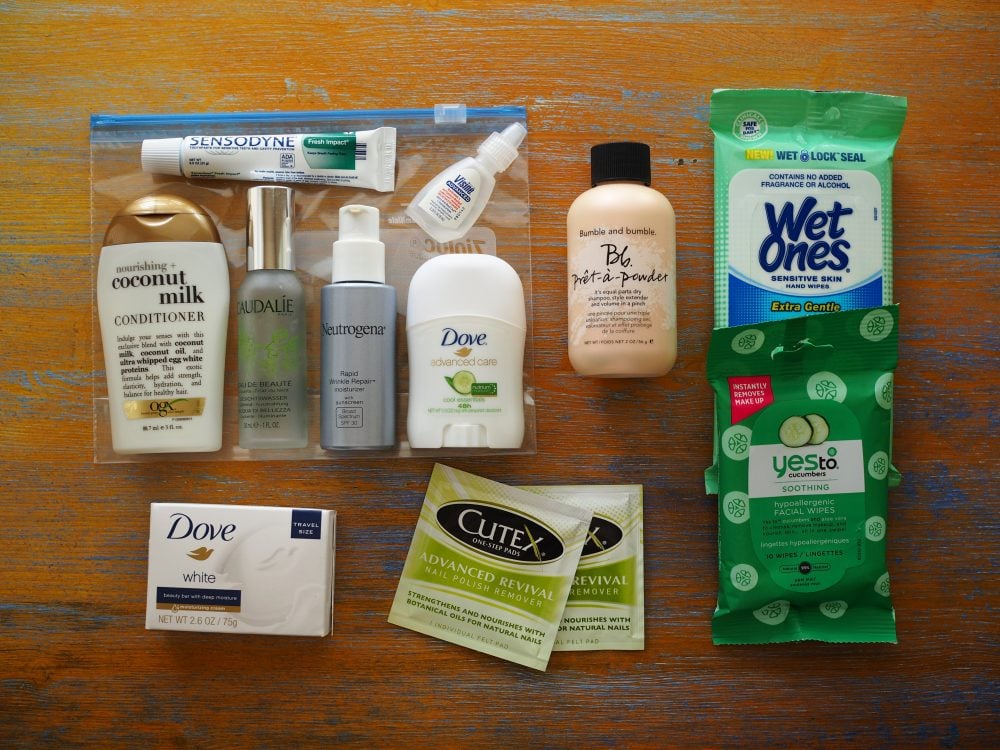
There is a growing trend in personal finance toward “Zero Waste” travel, which aligns perfectly with saving money. Solid toiletries—such as shampoo bars, solid toothpaste tabs, and bar soaps—do not count toward the liquid limit. These products are often more concentrated, lasting longer than liquid alternatives. From a money-management perspective, transitioning to solids eliminates the risk of expensive spills (which can ruin tech gear or clothing) and reduces the recurring cost of plastic containers.
5. Summary: A Holistic Approach to Travel and Wealth
The question of “what is the size for travel liquids” is ultimately a question of how one values their resources. While the 3.4-ounce limit is a regulation imposed by security agencies, it serves as a framework for a more disciplined, cost-effective approach to movement.
By viewing travel liquids through the lens of money and finance, we see that:
-
Adhering to the 3.4oz limit is a primary strategy for avoiding escalating airline fees.
-
Decanting at home is a simple way to bypass the “convenience tax” and improve unit-price savings.
-
Time saved at security and baggage claim translates directly into increased billable hours and reduced travel stress.
-
Investing in the right gear and programs (like reusable containers and TSA PreCheck) provides a long-term ROI that far outweighs the initial cost.
In conclusion, the sophisticated traveler does not see the 3-1-1 rule as a restriction, but as a blueprint for financial and operational efficiency. Whether you are a solo entrepreneur or managing a corporate travel budget, the way you handle your liquids is a microcosm of your overall financial health: it requires planning, an eye for hidden costs, and a commitment to long-term value over short-term convenience.
aViewFromTheCave is a participant in the Amazon Services LLC Associates Program, an affiliate advertising program designed to provide a means for sites to earn advertising fees by advertising and linking to Amazon.com. Amazon, the Amazon logo, AmazonSupply, and the AmazonSupply logo are trademarks of Amazon.com, Inc. or its affiliates. As an Amazon Associate we earn affiliate commissions from qualifying purchases.