
In the rapidly evolving landscape of modern technology, the difference between a groundbreaking breakthrough and a costly failure often lies in the rigor of the process behind it. While the “Scientific Method” is a term traditionally associated with laboratories and white coats, it has become the bedrock of the most successful technological advancements of the 21st century. From the iterative cycles of software engineering to the complex training of Large Language Models (LLMs), the scientific method of investigation provides a structured, logical approach to solving complex digital problems.
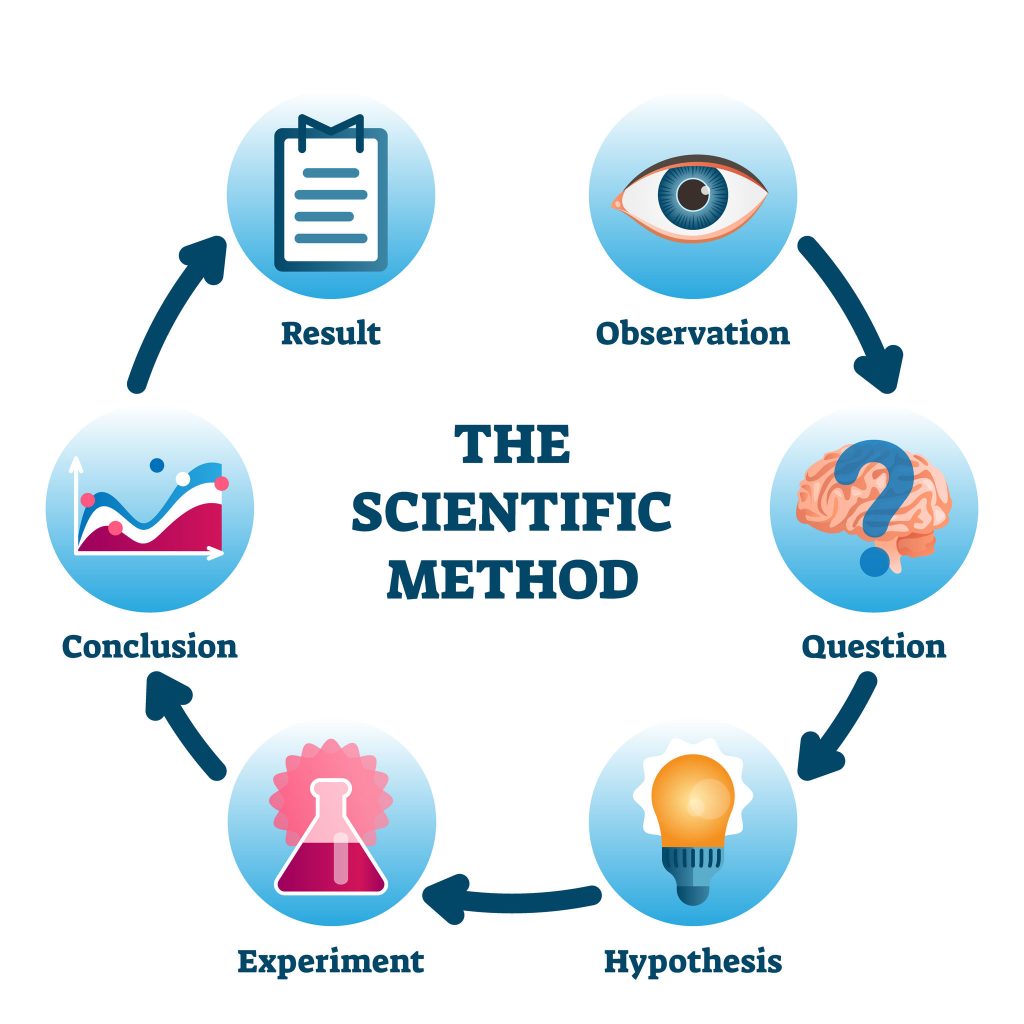
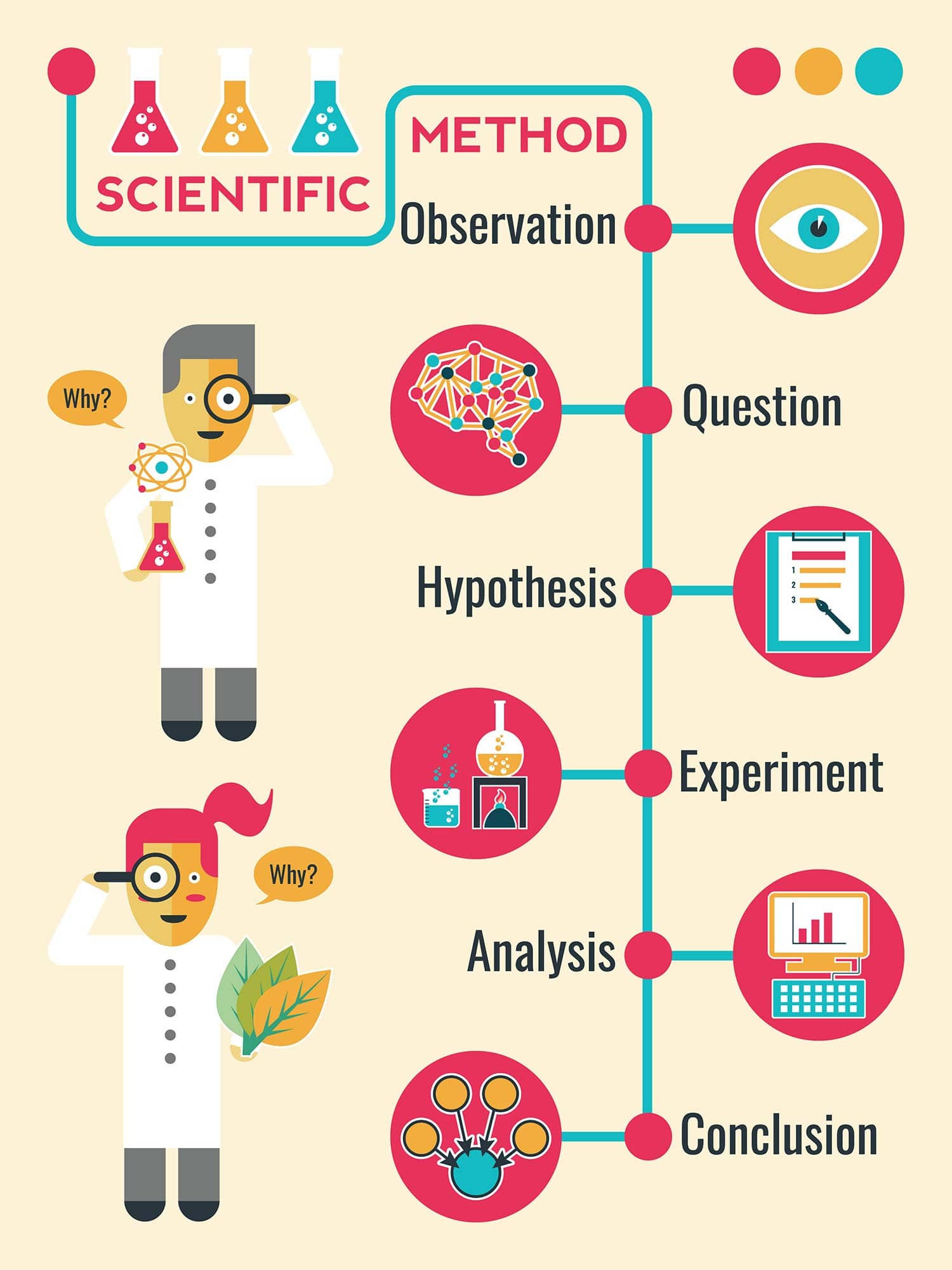
By applying this centuries-old framework to contemporary technology, developers, data scientists, and cybersecurity experts can navigate uncertainty with precision. This article explores how the scientific method—observation, hypothesis, experimentation, and analysis—serves as the engine for digital transformation and technological reliability.
The Core Framework: Adapting Classical Logic for Digital Systems
At its heart, the scientific method of investigation is a systematic way of learning about the world and applying that knowledge to solve problems. In the tech sector, this translates to a rigorous approach to software architecture and system design. Rather than relying on intuition or “gut feelings,” tech leaders utilize empirical evidence to guide their roadmaps.
Observation and Problem Identification in the Digital Ecosystem
In technology, the scientific method begins with observation. This might involve monitoring server latency, analyzing user drop-off rates on a mobile app, or identifying a recurring bug in a codebase. The goal is to move from a vague sense that “something is wrong” to a specific, measurable problem. For instance, a cloud engineer might observe that database queries are slowing down significantly during peak traffic hours. This observation is the data point that triggers the entire investigative process.
Formulating Testable Hypotheses in Software Design
Once a problem is observed, the next step is the hypothesis. In a tech context, a hypothesis is a proposed explanation or solution that can be tested through code or configuration changes. A developer might hypothesize that “increasing the cache size will reduce database query latency by 20%.” The key to a scientific hypothesis in tech is that it must be falsifiable. If the cache increase does not result in the predicted latency reduction, the hypothesis is proven wrong, providing valuable data that narrow down the actual cause of the issue.
Data Science and AI: The Scientific Method at Scale
The field of Artificial Intelligence (AI) and Machine Learning (ML) is perhaps the most direct modern application of the scientific method of investigation. At its core, data science is the “science” of extracting insights from data through experimental iterations. Every AI model ever built is the result of thousands of scientific experiments conducted at the speed of silicon.
Experimental Design in Machine Learning
Training a machine learning model is an inherently experimental process. Data scientists begin with a dataset (the environment) and a goal, such as predicting customer churn or identifying objects in an image. They must choose specific variables—known as features—and select an algorithm. Each “run” or training session is an experiment. If the model’s accuracy is low, the scientist adjusts hyperparameters or provides different data, testing a new hypothesis: “Will adding more diverse image samples improve the model’s ability to recognize objects in low-light conditions?” This iterative loop is the scientific method in action, refined through computational power.
The Role of Peer Review and Algorithmic Validation
In traditional science, peer review ensures that findings are robust and reproducible. In tech, this is mirrored through code reviews, model validation, and open-source collaboration. When a tech company releases a new AI framework or a white paper on a new neural network architecture, they are inviting the global community to test their findings. Validation ensures that the “discovery” (the algorithm) works across different environments and datasets, preventing the tech equivalent of “junk science”—models that perform well in a lab but fail in the real world.
Security and Debugging: Forensic Investigation as a Science
Cybersecurity and software debugging are fields where the scientific method of investigation is used as a tool for “forensic” discovery. When a system is breached or a critical failure occurs, the path to resolution is rarely linear. It requires a disciplined, investigative mindset to uncover the root cause and prevent future occurrences.
Threat Hunting and Vulnerability Assessment
Security analysts often operate like forensic scientists. They observe suspicious patterns in network traffic (the observation), hypothesize a specific type of attack—such as an SQL injection or a zero-day exploit—and then run controlled tests to see if the vulnerability exists. This proactive “threat hunting” is a continuous cycle of scientific inquiry designed to stay ahead of malicious actors. By treating security as a scientific discipline, organizations can build “immune systems” that evolve based on the data gathered from previous attacks.
Root Cause Analysis in Complex Systems
In modern microservices architectures, where hundreds of independent services interact, finding the source of a crash can be like finding a needle in a haystack. Tech teams use Root Cause Analysis (RCA), a process deeply rooted in scientific logic. They isolate variables, systematically disabling certain services or rolling back specific updates to observe the effect on the system. This “variable isolation” is a hallmark of scientific experimentation, ensuring that the fix implemented is actually addressing the cause of the problem rather than just masking a symptom.
Product Development: A/B Testing and Iterative Growth
The scientific method has also revolutionized how technology products are built and marketed to users. The “Lean Startup” methodology, which dominates Silicon Valley, is essentially the application of the scientific method to product management.
Statistical Significance in User Experience
When a tech company like Netflix or Amazon considers a change to their interface, they don’t guess which design is better. They use A/B testing—a randomized controlled trial, the gold standard of scientific experimentation. Group A sees the current design (the control), while Group B sees the new design (the variable). By analyzing metrics like click-through rates or time-on-page, they can determine with statistical significance which version performs better. This removes ego and guesswork from product development, replacing it with hard data.
Turning Failures into Data Points
One of the most profound aspects of the scientific method is its treatment of failure. In science, a failed experiment is not a waste of time; it is a successful discovery of what does not work. In high-growth tech environments, this “fail fast” mentality allows teams to discard ineffective ideas quickly. When a new feature fails to engage users, the scientific approach dictates that the team analyzes why, updates their hypothesis, and pivots. This culture of experimentation is what allows tech companies to innovate at a pace that traditional industries often struggle to match.
Conclusion: The Future of the Scientific Tech Mindset
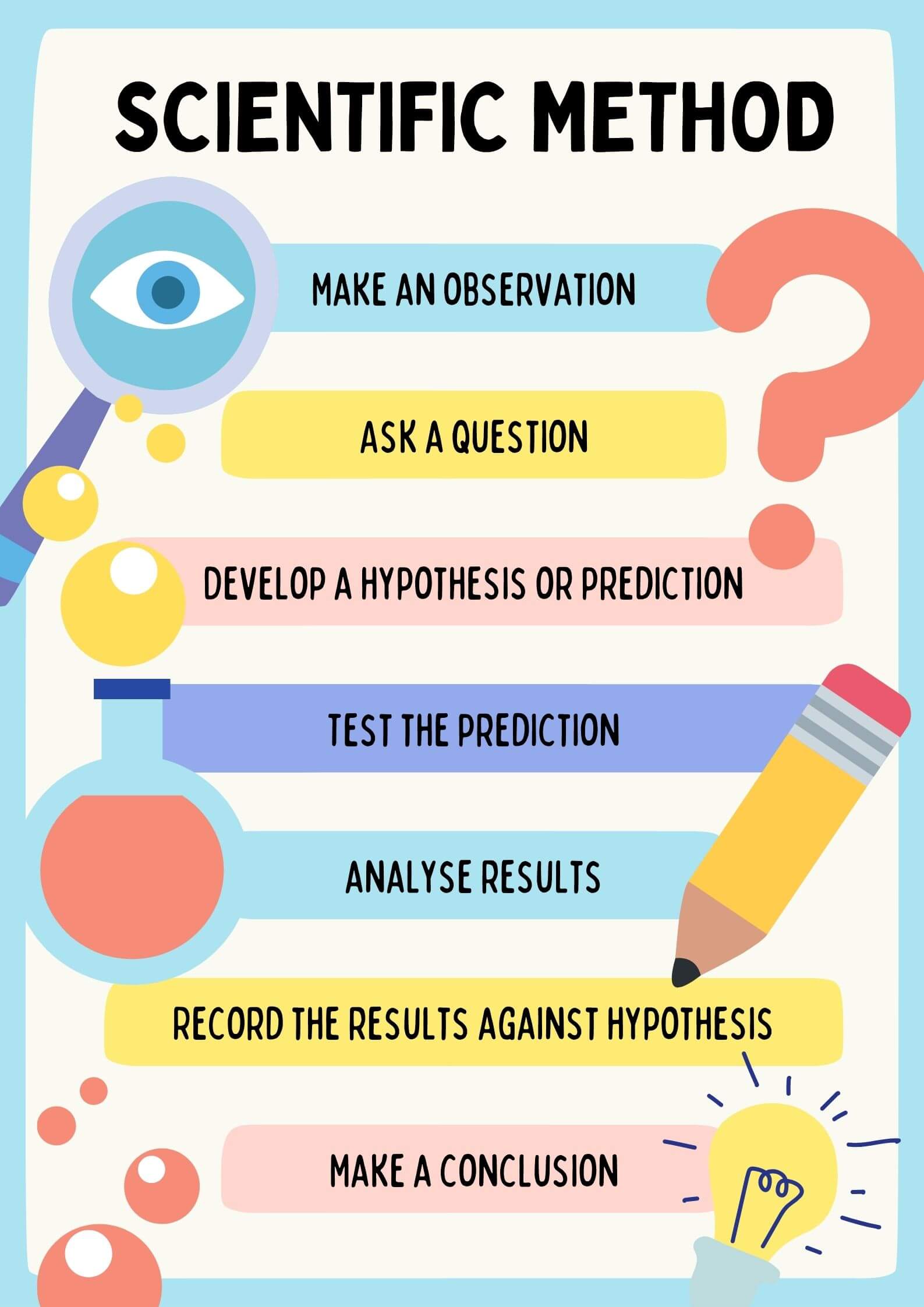
The scientific method of investigation is no longer confined to the pages of academic journals; it is the operating system of the modern tech world. Whether it is a developer debugging a legacy system, a researcher training a multi-billion parameter AI model, or a product manager optimizing a user flow, the principles of systematic investigation remain the same.
In an era of “Big Data” and “Black Box AI,” the need for scientific rigor has never been greater. As technology becomes more complex and autonomous, our ability to investigate it through observation, hypothesis, and experimentation will be the only way to ensure these systems remain safe, efficient, and beneficial. By embracing the scientific method, the technology industry ensures that its march toward the future is not just fast, but fundamentally sound.
aViewFromTheCave is a participant in the Amazon Services LLC Associates Program, an affiliate advertising program designed to provide a means for sites to earn advertising fees by advertising and linking to Amazon.com. Amazon, the Amazon logo, AmazonSupply, and the AmazonSupply logo are trademarks of Amazon.com, Inc. or its affiliates. As an Amazon Associate we earn affiliate commissions from qualifying purchases.