
Car insurance is often viewed by consumers as a fixed, immutable expense—a “necessary evil” of vehicle ownership that remains static regardless of financial behavior. However, from a personal finance perspective, car insurance is a dynamic liability that can be optimized with the same rigor one applies to an investment portfolio or a tax strategy.
Reducing the cost of car insurance is not merely about finding a “cheap” provider; it is about understanding the underlying risk-assessment algorithms used by insurers and strategically positioning your financial profile to appear as a lower risk. By approaching insurance as a component of your broader wealth management strategy, you can unlock significant annual savings that can be redirected toward high-yield savings accounts, debt reduction, or retirement contributions.
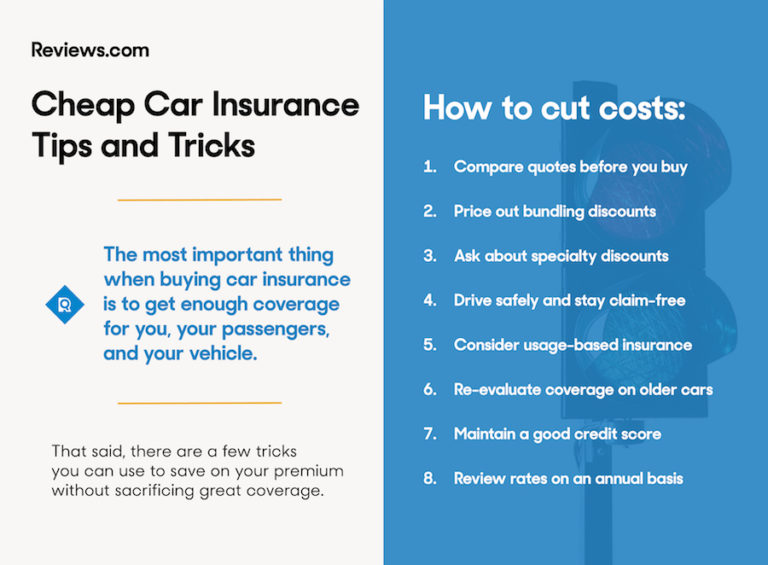
Understanding the Financial Variables of Risk Assessment
To lower your premiums, you must first understand how insurance companies price risk. Actuarial science dictates that premiums are a reflection of the probability that a policyholder will file a claim and the potential severity of that claim. While some factors, such as age and location, are relatively fixed, others are deeply rooted in your financial habits.
The Impact of Credit-Based Insurance Scores
In most jurisdictions, there is a direct correlation between an individual’s credit health and their insurance premium. Actuaries have found that individuals who manage their finances responsibly are statistically less likely to file insurance claims. This has led to the widespread use of “credit-based insurance scores.”
If your credit score is in the “fair” or “poor” range, you could be paying up to 50% more for the same coverage as someone with “excellent” credit. To lower your insurance costs, prioritize improving your credit utilization ratio and ensuring on-time payments. A six-month effort to boost your credit score can result in a significant premium reduction during your next policy renewal cycle.
Driving Records and the Cost of High-Risk Behavior
From a financial standpoint, your driving record is a track record of liability. Moving violations, such as speeding tickets or at-fault accidents, signal to the insurer that you are a high-risk asset. These infractions typically stay on your insurance record for three to five years, during which time your premiums will be inflated.
A proactive financial strategy involves “erasing” these risks where possible. Many states allow drivers to take a defensive driving course to remove points from their license or earn a voluntary discount. The cost of the course (usually $25–$50) is often a fraction of the potential savings, representing a high return on investment (ROI) for a few hours of your time.
Strategic Optimization of Coverage Limits and Deductibles
The structure of your insurance policy determines how much risk you retain versus how much you transfer to the insurer. Adjusting these levers is one of the fastest ways to impact your monthly cash flow.
Finding the Sweet Spot for Deductibles
The deductible is the amount you pay out of pocket before your insurance coverage kicks in. There is an inverse relationship between deductibles and premiums: the higher the deductible, the lower the premium.
For a financially stable individual with an adequate emergency fund, carrying a low deductible (such as $250 or $500) is often an inefficient use of capital. By raising your deductible to $1,000 or $1,500, you can reduce your comprehensive and collision premiums by 15% to 30%. The “Money” strategy here is to ensure that your emergency fund can cover the higher deductible if an accident occurs, essentially self-insuring the smaller risks to save on the guaranteed expense of the premium.
Assessing the Utility of Coverage on Older Vehicles
As a vehicle depreciates, the financial utility of collision and comprehensive coverage diminishes. Collision coverage pays to repair your car if you hit something, while comprehensive covers non-collision events like theft or fallen trees. Both are limited by the Actual Cash Value (ACV) of the vehicle.
A common rule of thumb in personal finance is the “10% rule”: if the annual cost of your collision and comprehensive coverage exceeds 10% of the vehicle’s book value, it may be time to drop those coverages. Paying $600 a year to protect a car worth only $3,000 is a poor financial move, as the maximum payout you would receive (after the deductible) doesn’t justify the cumulative cost of the premiums over time.
Maximizing Discounts and Corporate Affiliations
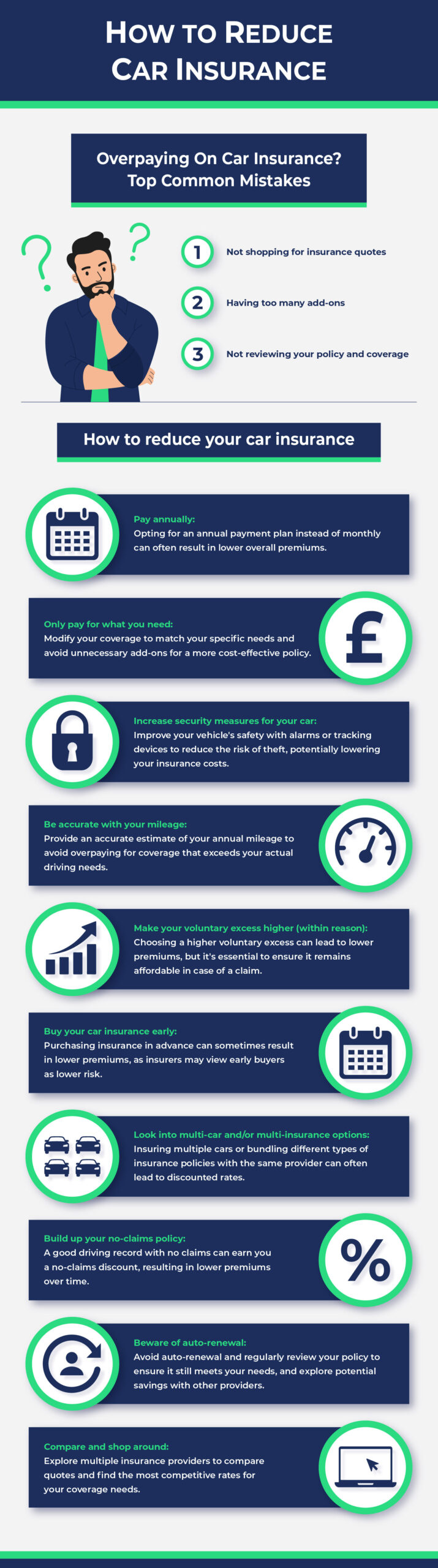
Insurance companies offer a plethora of discounts that are rarely applied automatically. Identifying and stacking these discounts is a critical step in a professional financial audit of your policy.
The Power of Bundling and Multi-Policy Discounts
One of the most effective ways to lower car insurance costs is through “bundling”—purchasing multiple types of insurance (such as homeowners, renters, or life insurance) from the same provider. From the insurer’s perspective, bundling increases “customer stickiness,” making you less likely to switch providers. In exchange, they often offer discounts ranging from 10% to 25% across all policies.
However, a savvy financial manager will always verify the math. Occasionally, the combined cost of two separate policies from different specialized providers is lower than a bundled package from a single carrier. Always compare the total bottom-line figure rather than just looking at the discount percentage.
Professional and Academic Affiliations
Many insurers have partnerships with specific employers, professional organizations, alumni associations, and even certain credit unions. These “affinity discounts” are based on the collective risk profile of the group.
If you are a member of a professional body (such as a Bar Association or a Teachers’ Union) or a graduate of a major university, you may qualify for a group rate that is not available to the general public. Additionally, “Good Student” discounts are a vital financial tool for households with young drivers; maintaining a B average or higher can save hundreds of dollars annually, essentially providing a financial reward for academic performance.
Leveraging Technology and Comparative Financial Tools
The modern insurance landscape is increasingly data-driven. Using technology to your advantage can provide a clearer picture of the market and help you secure the most competitive rates.
Telematics: The Rise of Usage-Based Insurance (UBI)
Telematics involves using a smartphone app or a plug-in device to monitor your driving habits in real-time. This includes metrics like braking intensity, speed, and the time of day you drive. For individuals who drive safely and infrequently (such as remote workers), Telematics can offer the most substantial discounts in the industry—sometimes up to 40%.
From a financial perspective, this is a “pay-for-performance” model. If you are a low-risk driver, you are effectively subsidizing high-risk drivers in a traditional insurance pool. Switching to a usage-based model allows you to decouple your premiums from the general population and pay a rate that reflects your specific behavior.
The Annual Insurance Audit and Comparison Engines
The “loyalty penalty” is a well-documented phenomenon in the insurance industry. Companies often offer aggressive introductory rates to new customers while gradually increasing premiums for existing, loyal customers—a practice known as “price optimization.”
To counteract this, you should treat car insurance like any other recurring contract. Using online comparison engines every 12 months allows you to benchmark your current rate against the market. If a competitor offers an identical policy for 20% less, you have the leverage to either switch providers or negotiate a “loyalty discount” with your current insurer. In the world of personal finance, complacency is expensive.
Long-Term Wealth Preservation through Proper Coverage
While the goal is to get “cheaper” insurance, the ultimate objective of insurance is the preservation of wealth. Selecting the absolute cheapest policy can sometimes be a catastrophic financial mistake if it leaves you underinsured.

The Danger of State Minimum Limits
Many people attempt to save money by opting for the state-mandated minimum liability limits. However, in the event of a serious accident, these limits (often as low as $25,000 for bodily injury) are woefully inadequate. If you are found liable for damages exceeding your policy limits, your personal assets—including your savings, home equity, and future wages—could be at risk.
A professional approach to car insurance involves balancing premium costs with “Umbrella” protection. Often, increasing your liability limits from $50,000 to $250,000 costs only a few extra dollars per month but provides a massive increase in financial security. The goal of “cheaper” insurance should be to maximize the value of every dollar spent, ensuring that your path to long-term wealth is not derailed by a single unforeseen event.
By treating car insurance as a strategic financial variable rather than a fixed cost, you can significantly reduce your annual expenditures. Through credit management, deductible optimization, discount stacking, and regular market benchmarking, you can ensure that your insurance costs are as lean as possible, allowing more of your income to work toward your personal financial goals.
aViewFromTheCave is a participant in the Amazon Services LLC Associates Program, an affiliate advertising program designed to provide a means for sites to earn advertising fees by advertising and linking to Amazon.com. Amazon, the Amazon logo, AmazonSupply, and the AmazonSupply logo are trademarks of Amazon.com, Inc. or its affiliates. As an Amazon Associate we earn affiliate commissions from qualifying purchases.