
In the architecture of brand strategy, the concept of ethos—derived from the ancient Greek term denoting character and credibility—serves as the invisible foundation upon which all successful corporate identities are built. While logos, color palettes, and taglines constitute the visible manifestation of a brand, ethos acts as the underlying belief system. It is the intangible moral and professional compass that guides how a company interacts with its audience, handles crises, and maintains market relevance. Understanding ethos is not merely a philosophical exercise; it is a critical competitive advantage in a marketplace defined by consumer skepticism and the demand for radical transparency.

The Pillars of Brand Ethos
Ethos is essentially the “soul” of a brand. It is the combination of principles, values, and operational ethics that convince a consumer that a brand is worthy of their trust. Unlike a marketing campaign, which targets a specific transactional moment, ethos is the long-term commitment to a specific identity.
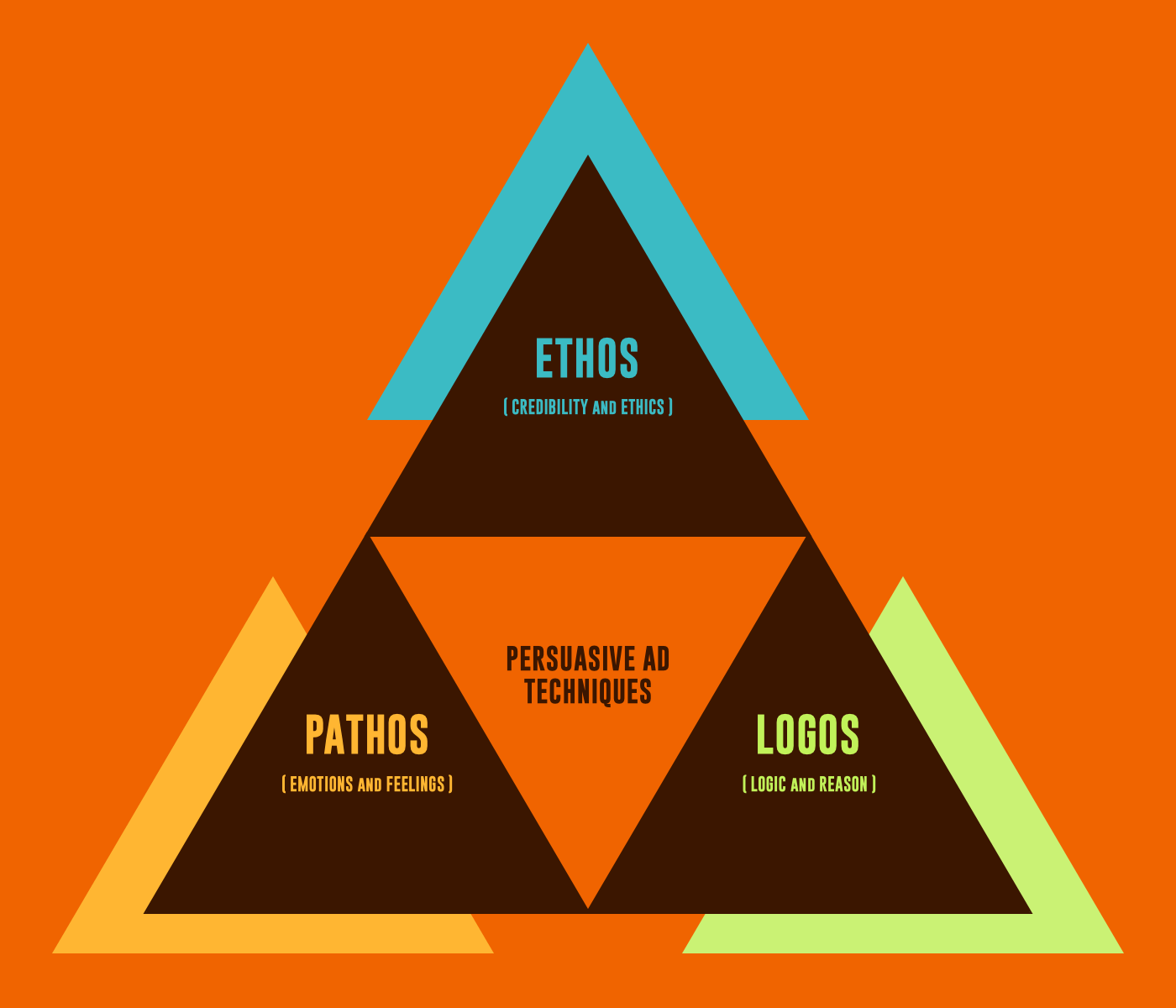
Credibility and Expertise
The primary component of ethos is authority. Does the brand possess the necessary expertise to solve the customer’s problem? In the digital age, authority is no longer granted by legacy status alone; it is earned through consistent output of value. A company that demonstrates deep knowledge—through white papers, educational content, or innovative product design—builds an ethos of competence. Customers gravitate toward brands that make them feel safe in their decisions because the brand itself operates from a position of mastery.
Integrity and Alignment
Integrity refers to the consistency between what a brand says and what it does. If a company claims to prioritize environmental sustainability but engages in supply chain practices that contradict this, their ethos is shattered. Alignment is the process of ensuring that every department—from customer service to product engineering—operates under the same moral framework. When a brand’s internal culture matches its external messaging, the ethos becomes unassailable.
Emotional Resonance
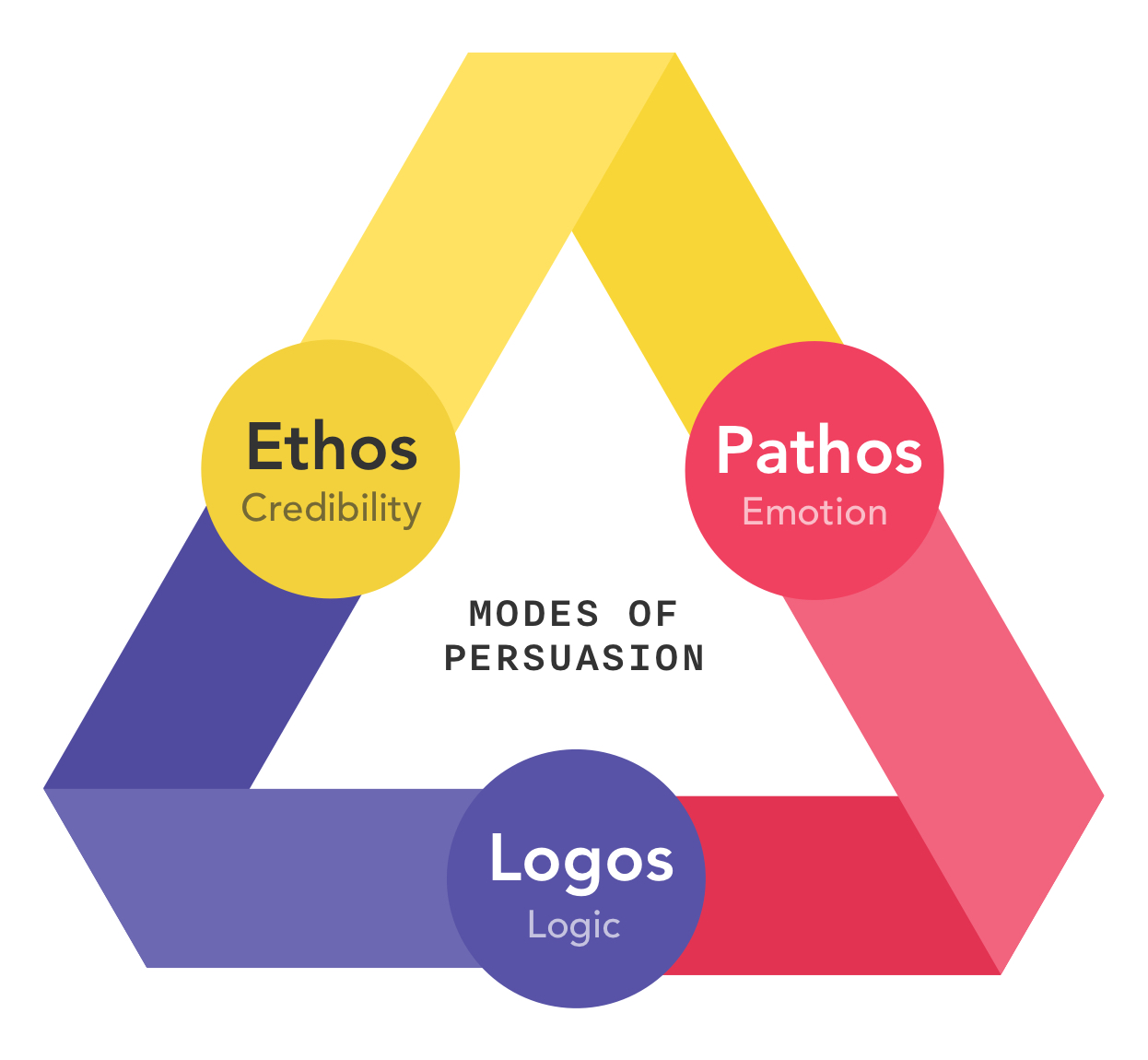
Ethos is also the bridge between logic and emotion. While a consumer might purchase a product because of its specs, they remain loyal to a brand because of how that brand’s character aligns with their own values. Brands that cultivate a strong ethos foster a sense of belonging. This is not about manipulation; it is about reflecting the aspirations and ethical standards of the target demographic back to them.
Building Ethos in a Crowded Marketplace
Developing a robust ethos is a deliberate strategic process. It cannot be synthesized in a boardroom through superficial slogans; it requires a deep dive into the purpose of the business.
Defining Your Value Proposition
Every brand needs to articulate its “why.” Why does this business exist beyond the pursuit of profit? By identifying the core problem you solve for society or your customer base, you begin to define your ethos. This must be specific. If your ethos is “we value quality,” it is too vague. If your ethos is “we prioritize repairability over planned obsolescence,” you have a tangible, actionable standard that defines your brand’s character.
Consistency as a Strategy
The greatest enemy of ethos is fragmentation. If your social media presence is playful and irreverent while your corporate website is sterile and overly formal, you create cognitive dissonance for the consumer. Your ethos must be consistent across every touchpoint. This includes:
- Visual Communication: Design aesthetics should reflect the underlying brand character. A brand focused on minimalism and efficiency should not use cluttered, chaotic design patterns.
- Customer Interaction: The tone of voice in support emails, the speed of response, and the policies regarding returns all signal to the customer what the brand truly values.
- Public Advocacy: Brands must decide how they interact with societal issues. Remaining silent can be a strategic choice, but taking a stance creates a polarizing effect that can either cement deep loyalty or drive away segments of the market.
Authenticity and the Transparency Trap
In the modern market, authenticity is often marketed as a commodity. However, consumers are highly adept at identifying performative virtue. To build genuine ethos, companies must practice radical transparency. This means owning mistakes publicly, explaining price changes, and admitting when a project fails. Acknowledging vulnerability does not weaken your ethos; it strengthens it by demonstrating that your brand is operated by humans who are accountable to their stakeholders.
The Long-Term Impact of Ethos on Brand Equity
Ethos is the ultimate insurance policy against market volatility. When a company faces a PR crisis or a significant pivot in their business model, it is their established ethos that prevents the customer base from abandoning ship.
Resilience Through Reputation
A brand with a strong, well-documented ethos is granted the “benefit of the doubt.” If a company known for impeccable data privacy experiences a minor security glitch, consumers are likely to believe it was an anomaly. If a company with a shaky reputation experiences the same, it is viewed as systemic failure. Ethos builds a reputation bank account; you must make deposits through consistent ethical behavior so that you have a reserve to draw upon when things inevitably go wrong.
Influence Beyond the Product
A powerful ethos transforms a brand from a service provider into a thought leader. When your ethos is clear, you no longer just compete on price or features; you compete on influence. Customers begin to view your products as extensions of their own identity. This is why certain brands can command premium pricing even in markets flooded with lower-cost alternatives. The consumer is not paying for the raw materials; they are paying for the association with the brand’s ethos and the peace of mind that comes with it.
Attracting Talent and Partnerships
Ethos is not merely an external tool; it is a primary driver of internal recruitment and B2B partnerships. Top-tier talent, particularly in the current climate, wants to work for companies that possess a defined and positive ethos. Similarly, when you seek out partnerships or vendors, your reputation as an ethical, clear-sighted brand makes you a more attractive entity for collaboration. Your ethos essentially acts as a filter, attracting high-quality stakeholders who share your vision.
Measuring the Effectiveness of Your Ethos
Can you measure something as abstract as ethos? Yes, but it requires looking beyond standard KPIs like conversion rates or customer acquisition costs.
Sentiment Analysis
Use social listening tools to understand how your brand is perceived in public forums. Are the descriptors used by your audience aligned with your intended character? If you strive for an ethos of “innovation” but your audience consistently describes you as “slow” or “expensive,” there is a disconnect that no marketing campaign can fix.
Retention and Lifetime Value (LTV)
Ethos is the primary driver of customer retention. High LTV suggests that the consumer trusts the brand’s character enough to return repeatedly. If your customer base is transactional—meaning they only buy when there is a deep discount—your ethos is likely weak, and you are competing purely on price.
Net Promoter Score (NPS) and Advocacy
The ultimate sign of a solidified ethos is advocacy. When customers become active supporters of your brand, it means they have adopted your ethos into their own lives. They are not just buying the product; they are endorsing the values that the product represents.
Conclusion: The Perpetual Nature of Ethos
Ethos is never a finished project. It is a living, breathing component of your brand strategy that must be nurtured, protected, and periodically recalibrated. As your business grows, enters new markets, or introduces new product lines, your ethos will face stress tests. Maintaining a coherent brand character in the face of rapid scaling is the hallmark of enduring companies.
By focusing on the core tenants of credibility, integrity, and alignment, you create a brand identity that transcends the temporary nature of trends. Ethos is what remains when the marketing budget runs dry and the initial hype fades. It is the final reason a customer chooses you over the competition, and it is the quiet, powerful force that drives long-term profitability and sustainable growth. In a world of infinite choices, your ethos is your most valuable asset. Protect it, refine it, and let it lead every strategic decision your brand makes.
aViewFromTheCave is a participant in the Amazon Services LLC Associates Program, an affiliate advertising program designed to provide a means for sites to earn advertising fees by advertising and linking to Amazon.com. Amazon, the Amazon logo, AmazonSupply, and the AmazonSupply logo are trademarks of Amazon.com, Inc. or its affiliates. As an Amazon Associate we earn affiliate commissions from qualifying purchases.