
In the world of personal and business finance, numbers are the map, but percentages are the compass. Whether you are tracking the growth of a retirement portfolio, calculating the impact of inflation on your purchasing power, or determining the profitability of a new side hustle, the ability to calculate percentages accurately is an indispensable skill. While basic arithmetic allows us to count our money, percentages allow us to understand its movement, its value, and its potential.
Understanding “how to calculate percent” is not merely an academic exercise; it is the foundation of financial literacy. In this guide, we will explore the essential formulas every investor and budgeter needs, moving from the basic mechanics of percentage to the complex calculations that define wealth building and business sustainability.
The Fundamentals of Financial Percentages
Before diving into complex investment strategies, one must master the basic language of percent. At its core, “percent” means “per hundred.” It is a way of expressing a number as a fraction of 100, providing a standardized way to compare different values regardless of their scale.
Understanding the Basic Percentage Formula
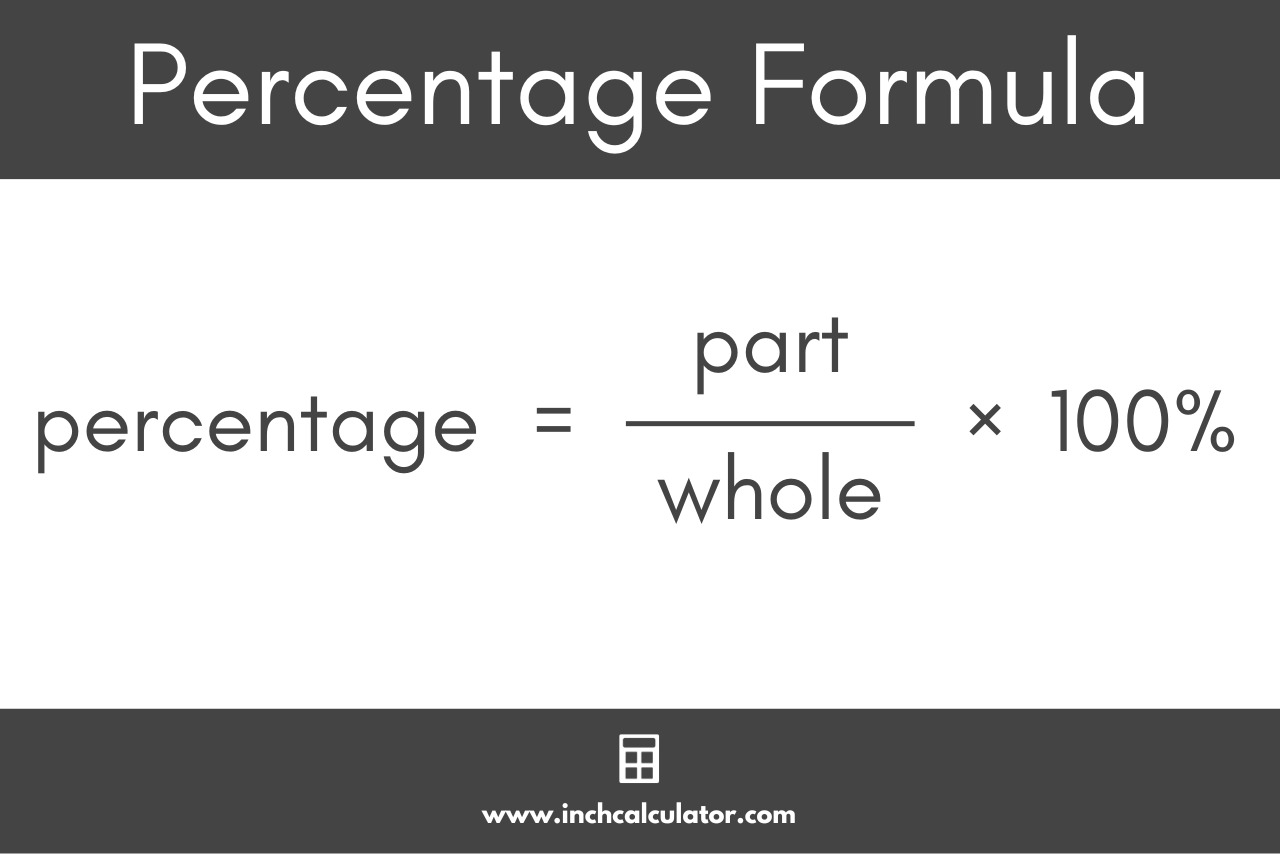
The most fundamental calculation in finance is finding what percentage one number is of another. The formula is straightforward:
** (Part / Whole) × 100 = Percentage **
For example, if you save $500 out of a $4,000 monthly salary, you divide 500 by 4,000 to get 0.125. Multiplying by 100 gives you 12.5%. In a financial context, this allows you to compare your savings rate against industry benchmarks, such as the recommended 15–20% for retirement readiness.
Calculating Percentage Increases and Decreases
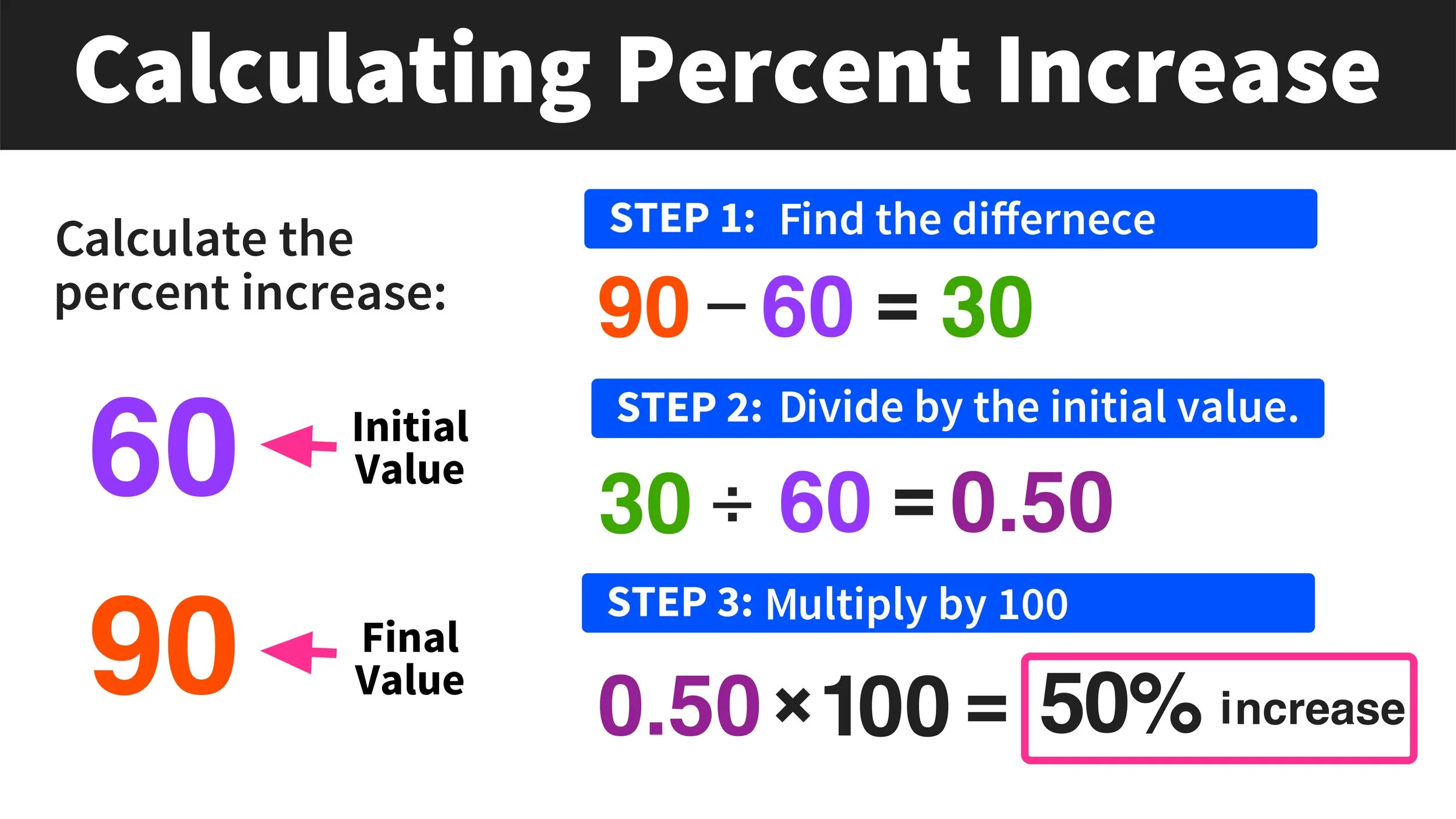
In the world of money, values are rarely static. Stocks rise, expenses fluctuate, and the cost of living increases. To calculate the percentage change between two values—such as your income this year versus last year—use the following formula:
** [(New Value – Old Value) / Old Value] × 100 = Percentage Change **
If your portfolio grew from $10,000 to $11,500, the calculation would be ($1,500 / $10,000) × 100, resulting in a 15% increase. Conversely, if an asset drops in value, the result will be a negative number, indicating a percentage decrease. Understanding this “base-year” logic is critical because it prevents the common error of calculating the change relative to the new value rather than the original investment.
Applying Percentages to Personal Finance
Mastering percentage calculations allows you to move beyond “guesstimating” your financial health and start making data-driven decisions. From daily spending to long-term budgeting, these figures dictate your lifestyle’s sustainability.
Budgeting with the 50/30/20 Rule
One of the most popular personal finance frameworks is the 50/30/20 rule. This strategy relies entirely on percentage-based allocation:
- 50% for Needs: Housing, utilities, groceries, and insurance.
- 30% for Wants: Dining out, hobbies, and entertainment.
- 20% for Financial Goals: Debt repayment, emergency funds, and investments.
To apply this, you must calculate the exact dollar amount of your net income that corresponds to these percentages. If your take-home pay is $5,000, calculating 20% involves multiplying 5,000 by 0.20, resulting in a $1,000 monthly goal for savings and debt reduction. By thinking in percentages rather than fixed dollars, your budget remains scalable even as your income grows or fluctuates.
Calculating Sales Tax and Discounts
Smart consumers use percentages to evaluate the true cost of a purchase. When you see a “30% off” sign, you are looking at a percentage decrease. To find the sale price, you can multiply the original price by the “remaining” percentage. If a $200 item is 30% off, you are paying 70% of the price ($200 × 0.70 = $140).
However, the calculation isn’t finished until you account for sales tax, which is a percentage increase added to the subtotal. If the tax rate is 8%, you multiply your discounted price ($140) by 1.08 to find the total out-of-pocket cost ($151.20). Being able to run these numbers mentally or on a quick calculator prevents “sticker shock” at the register and keeps your daily spending within its allocated percentage of your budget.
Advanced Calculations for Investing and Growth
When you move from saving to investing, percentages become the primary metric for success. In the investment world, raw dollar gains mean very little without the context of the percentage return relative to the capital risked.
Determining Return on Investment (ROI)
ROI is the ultimate “efficiency” metric for your money. Whether you are buying stocks, real estate, or starting a business, you need to know how hard your money is working for you.
** ROI = [(Current Value of Investment – Cost of Investment) / Cost of Investment] × 100 **
Imagine you invest $1,000 in a stock and sell it for $1,200. Your ROI is 20%. Now imagine you invested $10,000 to make that same $200 profit. While the dollar amount is the same, the ROI is only 2%. Percentages reveal that the first investment was significantly more efficient. This calculation allows investors to compare different asset classes—such as comparing the 7% average return of a bond portfolio against the potential 10% return of an index fund.
The Power of Compound Interest
Compound interest is often called the eighth wonder of the world because it involves earning a percentage on top of a percentage. Unlike simple interest, which is calculated only on the principal, compound interest adds your earnings back into the base for the next calculation.
The formula for compound interest is: A = P(1 + r/n)^(nt)
Where:
- A = the future value of the investment
- P = the principal amount
- r = the annual interest rate (decimal)
- n = the number of times interest is compounded per year
- t = the time the money is invested for
For the average person, understanding the “Rule of 72” is a quicker way to use percentages to predict growth. By dividing 72 by your annual percentage rate of return, you can estimate how many years it will take for your money to double. At a 6% return, your money doubles in 12 years (72/6). At a 9% return, it takes only 8 years. This highlights why even a 1% or 2% difference in investment fees or returns can result in hundreds of thousands of dollars in lost wealth over a lifetime.
Business Finance and Profit Margins
For entrepreneurs and side-hustlers, percentages are the difference between a thriving business and bankruptcy. Specifically, understanding the difference between “markup” and “margin” is a common hurdle that requires precise percentage math.
Gross vs. Net Profit Margins
Profit margin is a percentage that tells you how much of every dollar in sales a company actually keeps as profit.
- Gross Profit Margin: This measures the percentage of revenue exceeding the Cost of Goods Sold (COGS). Formula: [(Revenue – COGS) / Revenue] × 100.
- Net Profit Margin: This is the “bottom line,” taking into account all expenses, including taxes, interest, and operating costs. Formula: [Net Income / Revenue] × 100.
A business might have a high gross margin (selling a digital product for $100 that costs $5 to host), but a low net margin if their marketing and labor costs are too high. Tracking these percentages monthly allows a business owner to identify where they are losing efficiency.
Markup vs. Margin: Avoiding Common Errors
One of the most frequent financial mistakes in business is confusing markup with margin.
- Markup is the percentage added to the cost to get the selling price.
- Margin is the percentage of the selling price that is profit.
If an item costs $80 and you want a 20% profit margin, you cannot simply add 20% to the cost ($80 + $16 = $96). If you sell it for $96, your profit ($16) divided by the selling price ($96) is only a 16.6% margin. To achieve a 20% margin, you must divide the cost by the “complement” of the margin: $80 / 0.80 = $100. Mastery of this specific percentage calculation ensures that your business remains profitable after all expenses are paid.

Conclusion: The Strategic Value of Percentages
Calculating percentages is more than just a mathematical task; it is a strategic necessity for anyone looking to master their financial life. By shifting your perspective from absolute dollar amounts to relative percentages, you gain the ability to compare apples to oranges—comparing a high-yield savings account to a dividend-paying stock, or comparing your housing costs to your total income.
Whether you are optimizing a household budget, evaluating a complex investment portfolio, or pricing a product for a new business, the formulas outlined in this guide provide the clarity needed to navigate the financial landscape. In the world of money, those who understand how to calculate and interpret percentages are the ones who ultimately stay in control of their economic destiny. Mastery of these numbers ensures that you aren’t just working for your money, but that your money is working efficiently for you.
aViewFromTheCave is a participant in the Amazon Services LLC Associates Program, an affiliate advertising program designed to provide a means for sites to earn advertising fees by advertising and linking to Amazon.com. Amazon, the Amazon logo, AmazonSupply, and the AmazonSupply logo are trademarks of Amazon.com, Inc. or its affiliates. As an Amazon Associate we earn affiliate commissions from qualifying purchases.