
The labyrinthine world of health insurance can often feel overwhelming, yet understanding its core mechanisms is crucial for sound personal financial planning and safeguarding one’s health. At the heart of this discussion, particularly for millions of Americans, lies the Health Insurance Marketplace, also known as the exchange. Established under the Affordable Care Act (ACA), this digital platform serves as a vital conduit, connecting individuals and small businesses with a spectrum of health insurance plans. Far from being a mere website, it’s a critical financial tool designed to simplify plan comparison, provide financial assistance, and ensure access to comprehensive coverage. This article will demystify the Marketplace, explaining its function, how to navigate its offerings, and the financial benefits it provides.
Understanding the Core Purpose of the Marketplace
At its fundamental level, the Health Insurance Marketplace was conceived to rectify long-standing issues within the U.S. healthcare system: limited access to affordable insurance, particularly for those not covered by an employer or government programs, and the complexity of choosing plans. It functions as a centralized hub, enabling a transparent and structured approach to purchasing health coverage.
A Hub for Affordable Care Act (ACA) Plans
The primary role of the Marketplace is to host health insurance plans that comply with the ACA’s regulations. This means all plans offered through the Marketplace must cover a set of ten Essential Health Benefits (EHBs), including ambulatory patient services, emergency services, hospitalization, maternity and newborn care, mental health and substance use disorder services, prescription drugs, rehabilitative and habilitative services, laboratory services, preventive and wellness services, and pediatric services (including oral and vision care). This standardization ensures a baseline of comprehensive coverage, preventing insurers from offering plans that skimp on critical services. Before the ACA, many individuals struggled to find plans that covered pre-existing conditions or offered adequate benefits, often leading to medical debt and financial ruin. The Marketplace, by mandating EHBs and prohibiting discrimination based on health status, significantly leveled the playing field for consumers.
Bridging the Gap for the Uninsured and Underinsured
For millions, the Marketplace is the only viable path to obtaining health insurance. This includes individuals who are self-employed, work for small businesses that don’t offer coverage, are unemployed, or those whose income disqualifies them from Medicaid but still makes private insurance unaffordable. By consolidating options and providing financial assistance (which we will discuss later), the Marketplace effectively bridges the gap for many who would otherwise remain uninsured or be forced into inadequate, high-cost plans. It represents a significant financial safeguard, protecting individuals and families from the exorbitant costs associated with unforeseen medical emergencies or chronic conditions.
Key Benefits for Consumers
Beyond standardization and accessibility, the Marketplace offers several distinct advantages. It fosters competition among insurers, which can lead to a wider variety of plans and potentially more competitive pricing. The platform’s user-friendly interface is designed to help consumers compare plans side-by-side based on price, benefits, and network structure, empowering them to make informed decisions that align with their financial situation and healthcare needs. Furthermore, the robust regulatory oversight ensures that plans meet specific quality and coverage standards, instilling confidence in consumers about the value of their investment. For small businesses, the Small Business Health Options Program (SHOP) Marketplace offers similar benefits, helping them provide affordable coverage to their employees and potentially qualify for tax credits.
Navigating the Enrollment Process
The path to securing health insurance through the Marketplace involves specific timelines and steps, designed to streamline the application and selection process. Understanding these periods and requirements is crucial for ensuring continuous coverage and accessing financial aid.
The Annual Open Enrollment Period (OEP)
For most people, the opportunity to enroll in a new health plan or change an existing one through the Marketplace occurs during the Annual Open Enrollment Period. This period typically runs from November 1st to January 15th of the following year, though specific dates can vary slightly by state. Enrolling during OEP ensures that coverage can begin as early as January 1st. Missing this window means you generally cannot enroll in a Marketplace plan until the next OEP unless you qualify for a Special Enrollment Period. Financially, enrolling promptly during OEP avoids gaps in coverage that could lead to unexpected medical bills.
Special Enrollment Periods (SEPs) Explained
Life is unpredictable, and the Marketplace accounts for significant life changes that may necessitate immediate access to health insurance outside of OEP. Special Enrollment Periods are triggered by qualifying life events such as getting married, having a baby, losing other health coverage (due to job loss, divorce, aging off a parent’s plan), moving to a new area, or changes in income that affect eligibility for subsidies. These SEPs typically grant a 60-day window from the date of the qualifying event to enroll in a new plan. Understanding SEPs is vital for maintaining continuous financial protection against medical costs when circumstances shift unexpectedly.
Creating an Account and Entering Your Information
The first step in using the Marketplace is to create an account on HealthCare.gov (or your state’s equivalent). This involves providing basic personal information and setting up security credentials. Once your account is established, you’ll be prompted to enter detailed information about your household, including income, family size, and residency. This data is critical because it determines your eligibility for financial assistance, which is a cornerstone of the Marketplace’s affordability. Accurate and complete information is paramount to ensure you receive the maximum possible financial aid.
Comparing Plans: Metal Tiers and Network Types
Once your information is submitted, the Marketplace presents you with a range of plans. These plans are categorized into “metal tiers”: Bronze, Silver, Gold, and Platinum. These tiers indicate how costs are split between you and your insurance company.
-
Bronze plans typically have the lowest monthly premiums but the highest deductibles and out-of-pocket costs. They’re best for those who anticipate minimal healthcare use.
-
Silver plans have moderate premiums and moderate cost-sharing. They are unique because they are the only plans eligible for Cost-Sharing Reductions (CSRs) for those who qualify, making them a financially savvy choice for many.
-
Gold plans have higher monthly premiums but lower deductibles and out-of-pocket costs, suitable for those who expect more frequent medical care.
-
Platinum plans have the highest premiums but the lowest deductibles and cost-sharing, ideal for individuals with significant ongoing medical needs.
Beyond metal tiers, plans also vary by network type:
-
HMO (Health Maintenance Organization): Requires you to choose a primary care provider (PCP) within the network and get referrals for specialists.
-
PPO (Preferred Provider Organization): Offers more flexibility; you don’t need a PCP referral and can see out-of-network providers, though at a higher cost.
-
EPO (Exclusive Provider Organization): Similar to an HMO but without the PCP requirement or referrals; generally no out-of-network coverage.
-
POS (Point of Service): A hybrid of HMO and PPO, requiring a PCP but allowing out-of-network care with a referral.
Careful consideration of these factors, balancing monthly premiums against potential out-of-pocket costs and network preferences, is a key financial decision.
Financial Assistance and Cost Savings
One of the most significant features of the Health Insurance Marketplace is its provision for financial assistance, making health coverage accessible even for those with limited incomes. These subsidies are critical financial tools that directly reduce the burden of healthcare costs.
Premium Tax Credits (APTC)
The primary form of financial aid available through the Marketplace is the Premium Tax Credit (PTC), which can be taken as an advance (APTC) to lower your monthly premium payments immediately. Eligibility for APTCs is based on your household income relative to the federal poverty level (FPL), and family size. Generally, those earning between 100% and 400% of the FPL qualify, though the American Rescue Plan Act (ARPA) and Inflation Reduction Act (IRA) temporarily expanded eligibility by removing the 400% FPL income cap, ensuring no one pays more than 8.5% of their household income for a benchmark Silver plan. This credit is a direct subsidy, reducing your out-of-pocket premium costs, and significantly improves the affordability of health insurance.
Cost-Sharing Reductions (CSRs)
Beyond premium assistance, some individuals may also qualify for Cost-Sharing Reductions (CSRs). CSRs lower your out-of-pocket costs when you receive care, such as deductibles, copayments, and coinsurance. To be eligible for CSRs, you must enroll in a Silver-tier plan and have a household income between 100% and 250% of the FPL. This is a crucial distinction: CSRs are only applied to Silver plans. For those who qualify, a Silver plan with CSRs effectively functions like a Gold or Platinum plan in terms of out-of-pocket costs, but with a Silver plan’s (often lower) premium. This makes Silver plans an exceptionally strong financial choice for eligible individuals.
Eligibility Requirements for Subsidies
Eligibility for both APTCs and CSRs is primarily determined by household income, family size, and whether you have access to other affordable, comprehensive health coverage (such as through an employer or government program). If you are offered affordable, employer-sponsored coverage that meets minimum value standards, you generally won’t qualify for Marketplace subsidies. The Marketplace platform itself, after you input your income and household details, automatically calculates your eligibility for these forms of financial aid, providing a clear financial picture of your options.
The Role of Income in Determining Aid
Your projected modified adjusted gross income (MAGI) for the upcoming year is the most critical factor in determining the amount of financial assistance you receive. It’s essential to estimate this figure as accurately as possible. If your income changes significantly during the year, you should update your Marketplace application to ensure your subsidies are adjusted accordingly. Failing to do so could result in owing money back at tax time if you received too much assistance, or missing out on additional aid if your income dropped. Proactive management of your income information is a vital aspect of managing the financial implications of your Marketplace plan.
Types of Plans Available and Key Terminology
Navigating the Marketplace also requires familiarity with specific insurance terms and plan structures. Understanding these helps in making an informed financial decision about which plan best suits your healthcare consumption patterns and risk tolerance.
Deductibles, Copayments, Coinsurance, and Out-of-Pocket Maximums
These are the fundamental cost-sharing elements you’ll encounter:
-
Deductible: The amount you must pay out of pocket for covered healthcare services before your insurance plan starts to pay. High-deductible plans typically have lower monthly premiums.
-
Copayment (Copay): A fixed amount you pay for a covered healthcare service (e.g., $20 for a doctor’s visit) after your deductible has been met.
-
Coinsurance: Your share of the cost of a covered healthcare service, calculated as a percentage (e.g., 20%) after you’ve met your deductible.
-
Out-of-Pocket Maximum: The most you will have to pay for covered services in a plan year. Once you reach this limit, your plan pays 100% of the cost of covered benefits. This figure represents your maximum financial exposure for healthcare in a year.
Choosing a plan involves balancing these elements: a lower premium often means higher deductibles and coinsurance, shifting more financial risk to the consumer, especially for unexpected medical events.
Essential Health Benefits (EHBs)
As mentioned, all Marketplace plans are mandated to cover ten categories of Essential Health Benefits. This ensures that regardless of the plan or metal tier you choose, you have comprehensive coverage for a wide range of medical needs, providing a baseline of financial security against common health issues. This standardization protects consumers from plans that might previously have offered extremely low premiums by excluding critical services.
Beyond Enrollment: Managing Your Coverage
Enrolling is just the first step. Effective management of your health insurance plan and understanding your responsibilities can prevent financial surprises and ensure you maximize the benefits of your coverage.
Reporting Life Changes
It’s imperative to report any significant life changes to the Marketplace as they occur. Changes in income, household size (birth, marriage, divorce, death), or eligibility for other health coverage can impact your eligibility for financial assistance. Failure to report these changes can lead to incorrect subsidy amounts, potentially resulting in owing money back to the IRS at tax time or missing out on additional aid. Proactive communication ensures your financial aid is always accurately adjusted.
Understanding Your Policy Documents
Upon enrollment, you’ll receive policy documents (Summary of Benefits and Coverage, plan certificate, etc.). Take the time to read and understand these. They detail what your plan covers, what it doesn’t, your specific deductibles, copays, coinsurance, and out-of-pocket maximums, as well as the appeal process for denied claims. This knowledge empowers you to utilize your benefits effectively and challenge any billing discrepancies, safeguarding your personal finances.

Resources for Help and Support
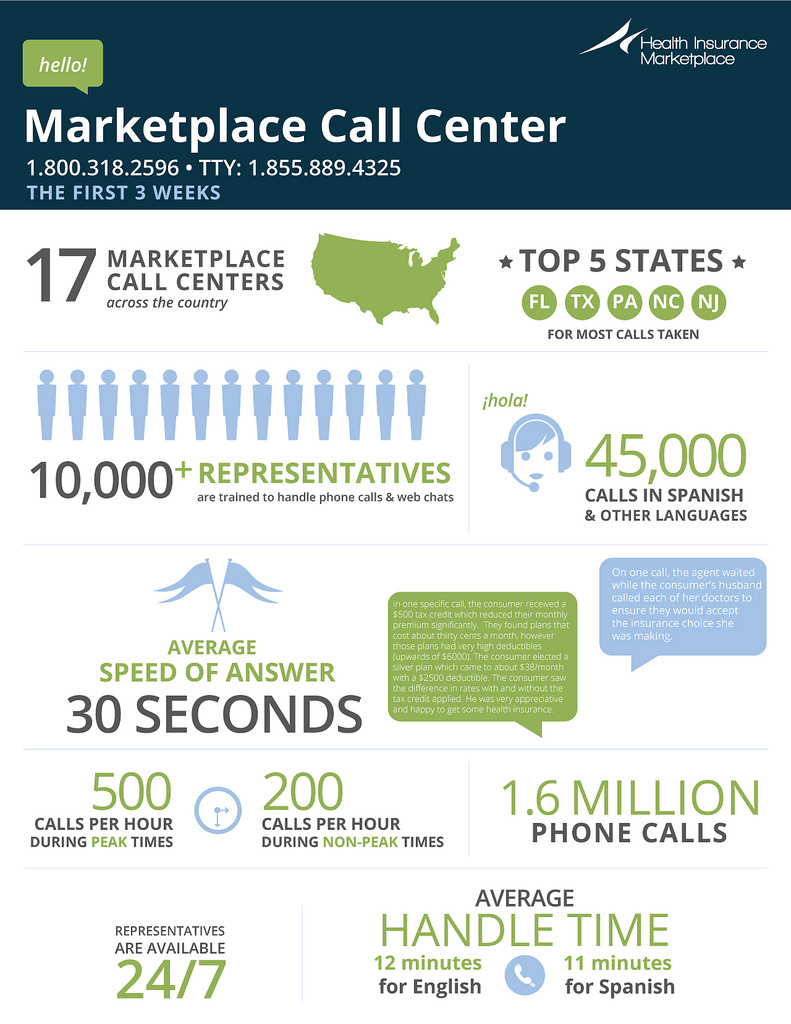
The Health Insurance Marketplace isn’t a solitary journey. Numerous resources are available to assist you. HealthCare.gov offers a robust help center, and a toll-free hotline is available for direct assistance. Additionally, certified navigators and assisters are available in communities to provide free, in-person help with the application process, plan selection, and understanding financial aid options. Utilizing these resources can clarify complex aspects of health insurance and ensure you make the most financially sound choices for your situation.
In conclusion, the Health Insurance Marketplace stands as a cornerstone of modern healthcare access and personal financial stability for many. By understanding its purpose, navigating the enrollment process, leveraging available financial assistance, and knowing how to manage your coverage, individuals and families can secure vital health protection. It transforms the often-daunting task of finding health insurance into a structured, supported, and financially manageable endeavor, affirming its crucial role as a financial tool for well-being.
aViewFromTheCave is a participant in the Amazon Services LLC Associates Program, an affiliate advertising program designed to provide a means for sites to earn advertising fees by advertising and linking to Amazon.com. Amazon, the Amazon logo, AmazonSupply, and the AmazonSupply logo are trademarks of Amazon.com, Inc. or its affiliates. As an Amazon Associate we earn affiliate commissions from qualifying purchases.