
In an increasingly competitive and dynamic job market, understanding your annual salary is more than just a simple calculation; it’s a foundational pillar of personal financial health, career planning, and professional empowerment. Whether you’re a new graduate entering the workforce, a seasoned professional contemplating a career change, or simply trying to make sense of your current compensation package, knowing your true worth is invaluable. This isn’t just about the number that hits your bank account; it encompasses a broader understanding of your total compensation, market value, and strategic approaches to salary discovery and negotiation.
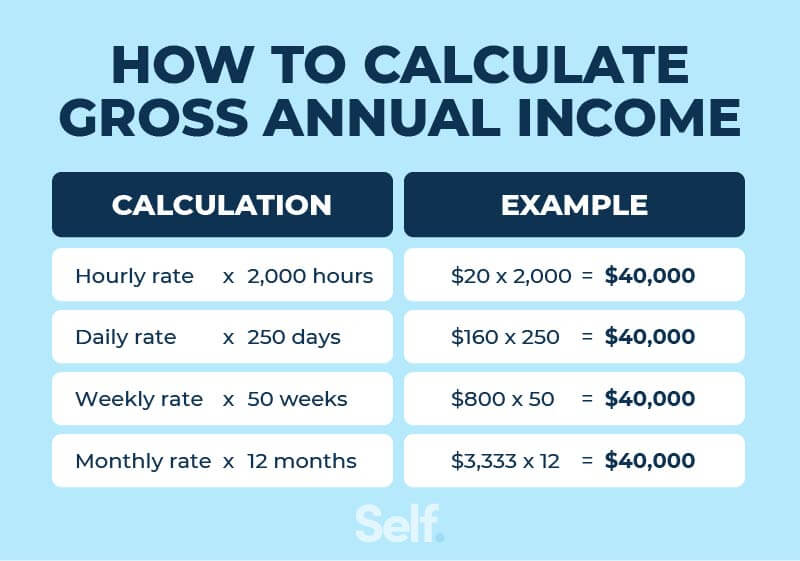
Far too many individuals navigate their careers without a clear grasp of what they earn or, more critically, what they should be earning. This lack of transparency can lead to missed opportunities, underpayment, and ultimately, a hindered ability to achieve financial goals. This article will demystify the process of discovering your annual salary, offering actionable strategies and insights to help you take control of your financial future.
Understanding Your Current Compensation Package
Before you can effectively research external market rates or negotiate a new offer, you must first have a comprehensive understanding of your current compensation. Your “annual salary” is often more complex than just the base figure; it includes a variety of components that contribute to your total financial reward.
Decoding Your Offer Letter and Employment Contract
When you accept a job, the offer letter and subsequent employment contract are your primary sources for understanding your compensation. These documents meticulously detail your base salary, but savvy individuals look beyond this headline figure. Scrutinize clauses related to:
-
Base Salary: The fixed amount you are paid annually before taxes and deductions.
-
Bonuses: Are there performance-based bonuses, sign-on bonuses, or annual discretionary bonuses? Understand the criteria for eligibility and typical payout structures.
-
Equity/Stock Options: For many roles, particularly in tech and startups, stock options, Restricted Stock Units (RSUs), or other forms of equity can form a significant portion of total compensation. Understand the vesting schedule (how long you need to stay to “own” them) and potential value.
-
Benefits Package: This is often overlooked but incredibly valuable. Detail health insurance premiums, dental, vision, life insurance, disability coverage, and wellness programs. What percentage does your employer cover? What are the deductibles and co-pays?
-
Retirement Contributions: Does your employer offer a 401(k) or similar retirement plan? Do they match your contributions? Understanding the matching formula and vesting schedule for these contributions is crucial.
-
Paid Time Off (PTO): How many vacation days, sick days, and personal days are you allocated? Is there a rollover policy? The value of a generous PTO policy cannot be understated for work-life balance and mental well-being.
The Role of Pay Stubs and Tax Documents
Your pay stubs are a monthly or bi-weekly snapshot of your earnings and deductions. Regularly reviewing them helps you track your gross pay, understand various withholdings (federal, state, local taxes, FICA), and see deductions for benefits, retirement contributions, and other pre-tax or post-tax items. Over the course of a year, these deductions can significantly impact your net take-home pay, providing a clearer picture of your actual annual earnings and expenses.
Furthermore, tax documents like your W-2 (for employees) or 1099 (for independent contractors) summarize your annual earnings, taxes withheld, and often the value of certain benefits. Your W-2 form, in particular, will provide the definitive figure for your taxable gross wages for the year, which is a critical piece of information for personal financial planning and filing your taxes accurately.
Beyond Base Pay: Total Rewards Approach
Adopting a “total rewards” mindset means viewing your compensation not just as your salary, but as the sum of all financial and non-financial benefits you receive. A lower base salary might be offset by superior health benefits, a generous 401(k) match, substantial equity, extensive professional development opportunities, or a flexible work environment. Quantifying these non-cash benefits—such as calculating the monetary value of health insurance premiums covered by your employer or the potential future value of vested stock—provides a much more accurate and holistic view of your actual annual compensation. This perspective is vital when comparing job offers or assessing your overall career satisfaction and financial well-being.
Researching Market Value for Your Role
Once you understand your current package, the next critical step is to discover what your role, experience, and skills are worth in the broader market. This enables you to negotiate effectively, identify potential for growth, and ensure you are fairly compensated.
Leveraging Online Salary Aggregators and Data Platforms
The internet has revolutionized salary research, providing a wealth of data that was once inaccessible. Several prominent platforms compile vast amounts of salary data, often submitted anonymously by employees. Key tools include:
-
Glassdoor: Offers salary ranges for specific job titles at various companies, often including base pay, bonuses, and sometimes equity.
-
LinkedIn Salary: Provides personalized salary insights based on your skills, location, and industry, drawing from LinkedIn’s vast professional network data.
-
Indeed Salary: Similar to Glassdoor, it aggregates salary data from job postings and self-reported employee submissions.
-
Salary.com and PayScale: These sites offer detailed salary reports based on various factors like job title, experience, education, location, and specific skills.
When using these platforms, always input as much specific information as possible to refine your search. Understand that these are aggregators, and their data can have limitations; some data points might be outdated, or not granular enough for highly specialized roles. Cross-referencing data across multiple platforms is a best practice to get a more accurate range.
Industry-Specific Surveys and Reports
Beyond general aggregators, many industries and professional organizations conduct their own detailed salary surveys. These reports are often highly specific to a niche, providing invaluable insights into compensation trends for specialized roles, certifications, and experience levels within that particular field. Examples include:
-
Professional Associations: Organizations like the American Medical Association, American Bar Association, or various engineering societies often publish annual compensation surveys for their members.
-
Recruitment Firms: Specialized recruiters who place candidates in specific industries (e.g., IT, finance, healthcare) often have up-to-date market intelligence and may publish their own salary guides.
-
Specialized Publications: Trade magazines, industry-specific news sites, and market research firms sometimes release compensation analyses relevant to their sectors.
These sources can provide more accurate and nuanced data than general aggregators, especially for unique or highly technical roles. Access might require membership or subscription, but the investment can be well worth it.
Networking and Informational Interviews
While less formal, networking remains one of the most powerful—and often underutilized—methods for gathering salary intelligence. Discreet conversations with peers, mentors, former colleagues, or individuals in similar roles can provide invaluable qualitative insights into compensation trends. Approach these conversations with tact and professionalism:

-
Be Prepared: Know what specific information you’re seeking (e.g., typical salary range for a Senior Marketing Manager in San Francisco with 8 years of experience).
-
Ask Indirectly: Instead of asking “How much do you make?”, phrase questions like “What’s the typical salary range you’ve seen for someone with my experience in this role?” or “What are compensation expectations like in your company for positions similar to mine?”
-
Offer Value in Return: Be willing to share your own (non-confidential) insights or offer assistance in other areas.
-
Focus on Trends and Ranges: The goal isn’t to get an exact figure from one person, but to understand general compensation philosophies, benefit structures, and typical ranges within a company or industry.
These discussions provide context that data alone often cannot, offering insights into company culture, growth opportunities, and negotiation flexibility.
Strategies for Discovering Salary Expectations (When Applying or Negotiating)
Once armed with market data and an understanding of your value, you’ll need strategies to effectively discover and discuss salary expectations during job applications and negotiations.
Asking the Right Questions During Interviews
Many companies will try to get your salary expectations early in the hiring process. The goal is to avoid anchoring yourself too low and to keep your options open.
-
Delaying Disclosure: If asked about your salary expectations early, try to defer. “I’m focusing on learning more about the role and company culture first to ensure it’s a good fit. Based on my research into similar roles, I’m expecting a competitive compensation package that reflects my skills and experience.”
-
Turning the Question: Politely ask the interviewer about the role’s budgeted salary range. “Could you share the salary range budgeted for this position? That would help me determine if we’re aligned.”
-
Research First: Never go into an interview without having done your market research. If you must provide a figure, use a well-researched range, not a single number.
Using Salary Ranges to Your Advantage
When you are asked for your expected salary, providing a range rather than a single number offers flexibility and demonstrates that you’ve done your homework.
-
Based on Research: Your range should be informed by your market research, slightly above what you think is fair to allow for negotiation.
-
Justification: Be prepared to justify your range with your skills, experience, and contributions.
-
Avoid the Low End: Never start with the absolute minimum you’d accept. Aim for the middle or slightly above the market average for your desired role and experience level.
The Art of Negotiation
Negotiation is where all your research culminates. It’s not just about asking for more; it’s about advocating for your worth.
-
Confidence in Your Value: Understand your unique skills, achievements, and the value you bring to the organization. This confidence will underpin your negotiation.
-
Holistic View: Negotiate the entire compensation package, not just the base salary. Consider bonuses, equity, benefits, PTO, relocation packages, professional development budgets, and even signing bonuses.
-
Be Prepared to Walk Away: This is the ultimate leverage, though it’s a high-stakes move. Knowing your alternatives and being genuinely willing to decline an offer that doesn’t meet your needs strengthens your position.
-
Get it in Writing: Always ensure that all negotiated terms are included in the final written offer letter before you sign.
The Benefits of Knowing Your Worth
Proactively seeking out and understanding your annual salary and total compensation has profound benefits, extending far beyond simply receiving a larger paycheck.
Informed Career Planning and Development
Knowing your market value allows you to make strategic career decisions. It enables you to:
-
Identify Growth Opportunities: Pinpoint industries or roles where your skills are most highly valued, or where there’s a significant salary jump potential with additional experience or education.
-
Evaluate Job Offers Critically: Confidently compare different opportunities, weighing not just the base salary but the entire compensation package and potential for future earnings.
-
Plan for Promotions: Understand the salary expectations for the next step in your career path, allowing you to prepare and position yourself for those roles.
Enhanced Financial Planning and Goal Setting
Your annual salary is the cornerstone of your personal financial plan. With accurate knowledge, you can:
-
Create Realistic Budgets: Effectively manage your income and expenses, ensuring you live within your means and allocate funds towards savings.
-
Set Achievable Savings Goals: Whether for a down payment on a house, retirement, or an emergency fund, knowing your income allows you to set and track realistic savings targets.
-
Strategize Debt Repayment: Develop an effective plan to tackle student loans, credit card debt, or mortgages, knowing exactly how much disposable income you have.
-
Optimize Investing Strategies: Allocate appropriate amounts to investments, understand your risk tolerance, and project future wealth accumulation with greater accuracy.
Boosting Confidence and Job Satisfaction
Being aware of your market value and knowing that you are fairly compensated can significantly impact your professional confidence and overall job satisfaction.
-
Reduce Financial Stress: When you feel fairly paid, it can alleviate a significant source of stress, allowing you to focus more on your work and personal life.
-
Increase Motivation: Feeling valued and compensated for your efforts can boost motivation, leading to higher productivity and engagement.
-
Empowerment: The knowledge that you understand your worth and can advocate for it is empowering, fostering a sense of control over your career trajectory and financial future.

Conclusion
Discovering your annual salary is an ongoing process of research, self-assessment, and strategic communication. It’s not a one-time event but a continuous journey of understanding your market value, leveraging available resources, and confidently advocating for the compensation you deserve. By adopting a proactive and informed approach to understanding your total rewards, you not only ensure fair compensation but also empower yourself to make sound financial decisions, plan for a secure future, and ultimately, achieve your broader career and life goals. Take control of your financial narrative—your annual salary is the powerful first chapter.
aViewFromTheCave is a participant in the Amazon Services LLC Associates Program, an affiliate advertising program designed to provide a means for sites to earn advertising fees by advertising and linking to Amazon.com. Amazon, the Amazon logo, AmazonSupply, and the AmazonSupply logo are trademarks of Amazon.com, Inc. or its affiliates. As an Amazon Associate we earn affiliate commissions from qualifying purchases.