
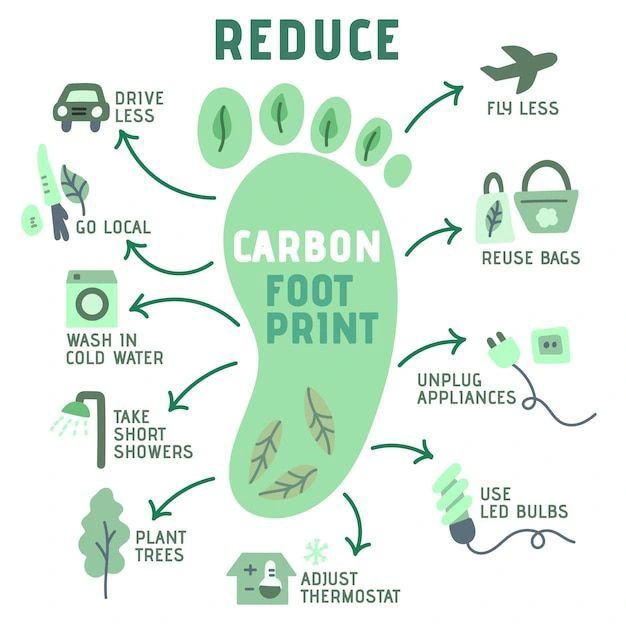
In the twenty-first century, the concept of an ecological footprint has evolved from a purely biological metric into a sophisticated data problem. As we navigate an era defined by rapid digital transformation, our environmental impact is no longer just a result of what we consume physically, but also how we interact with the digital landscape. Reducing your ecological footprint today requires a dual-pronged approach: leveraging cutting-edge technology to optimize physical consumption and addressing the hidden environmental costs of our digital lives. By integrating smart software, artificial intelligence, and sustainable hardware management into our daily routines, we can achieve a level of precision in environmental stewardship that was previously impossible.
Leveraging Software and AI for Precise Carbon Accounting
The first step in reducing any footprint is accurate measurement. Traditionally, calculating one’s environmental impact involved cumbersome manual tracking of utility bills and travel miles. Today, a new generation of software tools and AI-driven platforms has automated this process, providing real-time insights that drive behavioral change.
Personal Carbon Calculators and Data Integration
Modern carbon tracking applications have moved beyond simple surveys. The most effective tools now integrate directly with your financial accounts and utility providers through secure APIs. By analyzing spending patterns—such as fuel purchases, utility payments, and grocery habits—these platforms use machine learning algorithms to estimate carbon emissions with high granularity. These apps don’t just provide a static number; they offer dynamic feedback loops, suggesting specific tech-based interventions based on your unique data profile.
AI-Driven Behavioral Optimization
Artificial Intelligence is playing a pivotal role in personal sustainability by identifying inefficiencies that the human eye might miss. Advanced AI assistants can now analyze a user’s schedule and energy consumption patterns to suggest optimizations. For instance, AI can determine the most carbon-efficient route for a commute by cross-referencing real-time traffic data with the fuel efficiency curves of specific vehicle models. Furthermore, predictive analytics can help users anticipate energy-heavy days, allowing them to shift tasks—such as running a dishwasher or charging an electric vehicle—to periods when the local power grid is supplied by a higher percentage of renewable energy.
Transforming the Living Environment through Smart Home Ecosystems
The “Internet of Things” (IoT) represents one of the most powerful toolsets for reducing the ecological footprint of a household. By creating an interconnected web of sensors and actuators, homeowners can eliminate the “passive waste” that accounts for a significant portion of domestic energy consumption.
Intelligent HVAC and Energy Management
Heating, ventilation, and air conditioning (HVAC) are typically the largest contributors to a home’s carbon footprint. Smart thermostats have evolved into sophisticated energy management hubs. Using geofencing technology, these devices sense when a home is unoccupied and adjust temperatures to energy-saving levels. More advanced systems utilize occupancy sensors and machine learning to learn the thermal properties of a building—calculating exactly how long it takes to cool a room based on the outside temperature and humidity—thereby preventing the over-consumption of electricity.
Smart Lighting and Appliance Automation
Beyond climate control, the automation of lighting and appliances contributes to a cumulative reduction in energy waste. Smart lighting systems utilize ambient light sensors to adjust brightness levels throughout the day, ensuring that artificial light is only used when natural light is insufficient. Furthermore, “smart plugs” can eliminate “vampire power”—the energy consumed by electronics while they are in standby mode. By scheduling these plugs to cut power entirely during the night or while the user is at work, individuals can significantly reduce their baseline electricity demand.
Mitigating the Impact of Your Digital Presence

While we often view the digital world as “weightless,” the infrastructure supporting our online activities has a massive physical footprint. From the energy-intensive cooling of data centers to the electricity required to transmit bits across the globe, our digital habits are a growing component of our ecological footprint.
The Carbon Cost of Data and Streaming
Every email stored, every video streamed, and every cloud-based backup requires physical server space and energy. To reduce this digital footprint, users are increasingly turning to “green” software habits. This includes utilizing local storage for frequently accessed files to reduce cloud pings, opting for lower-resolution streaming when high definition is unnecessary, and using “dark mode” on OLED screens to reduce pixel power consumption. Additionally, choosing service providers that commit to 24/7 carbon-free energy for their data centers is a critical tech-centric decision for the modern environmentalist.
Optimizing Web Browsing and Digital Maintenance
The software we use to navigate the web can also be optimized for sustainability. Ad-blockers and script-limiters do more than just improve user experience; they prevent the loading of energy-intensive tracking scripts and high-bandwidth media advertisements, thereby reducing the total data transferred and processed by your device. Regular digital “hygiene”—such as clearing redundant cloud backups and unsubscribing from automated email lists—reduces the storage burden on global data centers, contributing to a leaner, more efficient digital ecosystem.
Circular Tech and the Evolution of Sustainable Hardware
The physical devices we use—smartphones, laptops, and wearables—represent a significant “embodied” ecological footprint. This includes the energy and raw materials used in manufacturing, as well as the environmental impact of their eventual disposal. Reducing this footprint requires a shift toward circular technology practices.
Prioritizing Modular and Repairable Design
The tech industry is seeing a resurgence in the “Right to Repair” movement, which is fundamentally an ecological strategy. Choosing hardware designed with modularity in mind allows users to upgrade individual components—such as a battery or a camera module—rather than replacing the entire device. This extends the lifecycle of the hardware and drastically reduces the demand for new raw materials. Software support is equally important; choosing manufacturers that provide long-term security updates ensures that devices remain functional and secure for years, preventing premature obsolescence.
Responsible E-Waste Management and Upcycling
When hardware eventually reaches the end of its functional life, the tech-focused approach to footprint reduction shifts to responsible recovery. E-waste contains valuable rare-earth metals that are carbon-intensive to mine. Utilizing specialized tech-recycling platforms ensures that these materials are recovered and reintroduced into the manufacturing stream. Furthermore, “upcycling” old hardware—such as turning an old tablet into a dedicated smart home controller or using an old laptop as a lightweight Linux-based server—prevents functional silicon from entering the waste stream prematurely.
The Future of Green Tech: From Microgrids to Transparent Supply Chains
As we look toward the future, the technology available to help us reduce our ecological footprint is becoming even more integrated and transparent. We are moving from a model of reactive conservation to one of proactive, systemic optimization.
Decentralized Energy and Smart Meters
The integration of blockchain and decentralized ledger technology is beginning to allow for “peer-to-peer” energy trading within microgrids. Homeowners with solar panels can use automated software to sell excess energy directly to their neighbors, optimizing local energy distribution and reducing the reliance on centralized, often fossil-fuel-dependent, power plants. Smart meters provide the data backbone for this transition, offering second-by-second visibility into energy flows and allowing for a level of grid efficiency that was previously unattainable.
Blockchain for Supply Chain Transparency
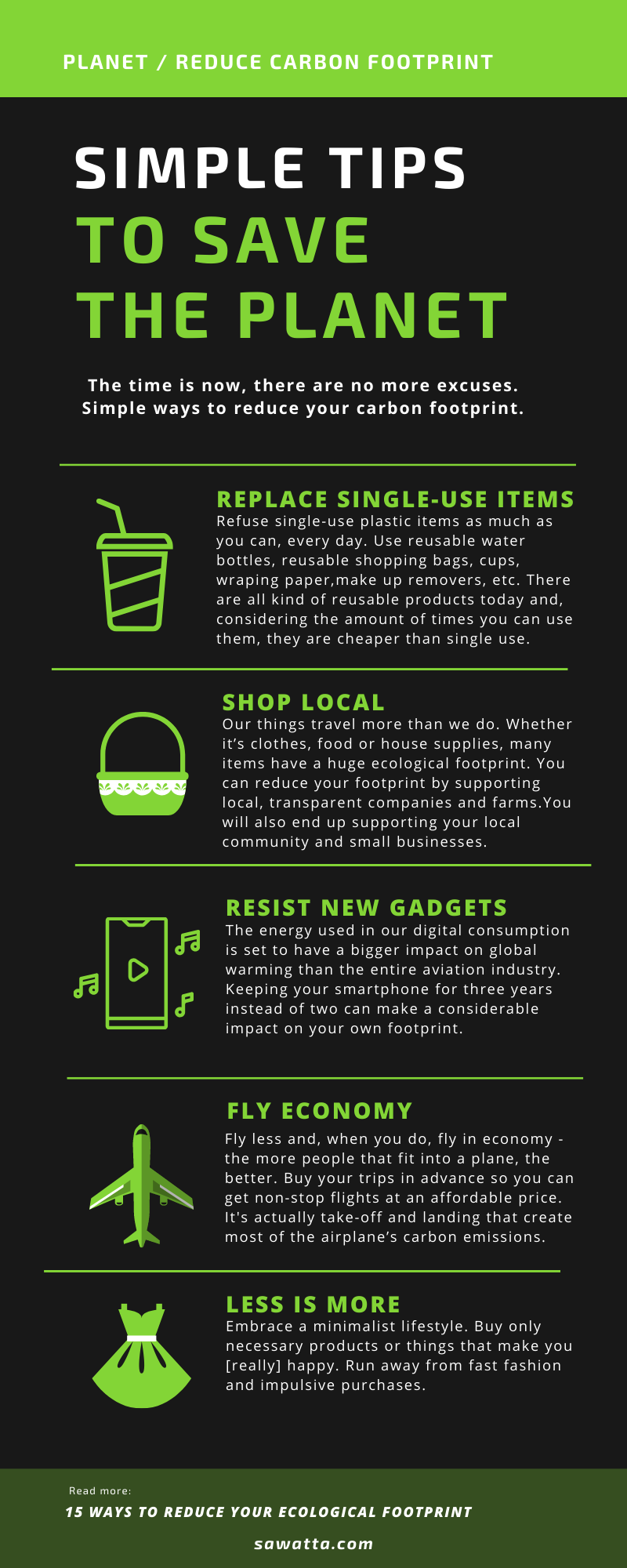
For the tech-conscious consumer, the “hidden” footprint of products is a major concern. Emerging blockchain solutions are providing unprecedented transparency into the supply chains of the products we buy. By scanning a product’s digital twin, a consumer can verify the environmental certifications of every component, from the origin of the raw materials to the carbon footprint of the shipping route. This data empowers users to make purchasing decisions based on verifiable environmental performance rather than marketing claims.
Reducing your ecological footprint in the modern era is an exercise in data management and technological integration. By embracing AI for carbon tracking, optimizing our homes through IoT, managing our digital presence with care, and supporting circular hardware economies, we can move beyond vague intentions toward measurable, impactful sustainability. The tools to change our environmental trajectory are already in our hands; the challenge lies in utilizing them to their full, transformative potential.
aViewFromTheCave is a participant in the Amazon Services LLC Associates Program, an affiliate advertising program designed to provide a means for sites to earn advertising fees by advertising and linking to Amazon.com. Amazon, the Amazon logo, AmazonSupply, and the AmazonSupply logo are trademarks of Amazon.com, Inc. or its affiliates. As an Amazon Associate we earn affiliate commissions from qualifying purchases.