
Navigating the landscape of modern personal finance requires a granular understanding of every monthly expense, particularly those related to risk management and healthcare. For many individuals, families, and entrepreneurs, health insurance represents one of the most significant line items in a household budget. However, the complexity of the United States healthcare system—specifically the distinction between private plans, employer-sponsored coverage, and federal or state-based exchanges—often leads to confusion. Determining whether you are enrolled in “Marketplace” insurance (often referred to as ACA or “Obamacare” coverage) is not merely a matter of administrative curiosity; it is a critical step in managing your tax liability, optimizing your subsidies, and planning your long-term financial health.

Auditing Your Financial Records and Tax Documentation
The most definitive way to identify if your coverage is Marketplace-based is through a thorough audit of your financial documentation. Unlike employer-sponsored plans, which are typically deducted directly from a paycheck, or private plans purchased directly from a carrier’s broker, Marketplace plans are intrinsically linked to your federal tax filings.
The Significance of IRS Form 1095-A
In the realm of personal finance, Form 1095-A (the Health Insurance Marketplace Statement) is the “smoking gun.” If you receive this form in the mail or in your digital tax portal at the beginning of the year, you have Marketplace insurance. This document is provided by the federal or state exchange and outlines the months you were covered, the total monthly premiums paid, and, most importantly, the amount of the Advance Premium Tax Credit (APTC) that was paid to your insurer on your behalf.
From a financial planning perspective, this form is indispensable. It is used to “reconcile” your taxes. If you earned more than you estimated when you applied for the plan, you might owe some of that credit back; if you earned less, you might receive an additional credit. If your insurance was through an employer, you would receive a 1095-B or 1095-C instead. Therefore, checking your previous year’s tax records for a 1095-A is the fastest way to confirm your status.
Tracking Monthly Premium Payments and Bank Statements
If you are looking for real-time confirmation, your bank statements offer a clear trail. Marketplace plans are almost always paid via an individual premium payment to a private insurer (such as Blue Cross Blue Shield, Ambetter, or Oscar), but the mechanism of that payment is telling.
If you notice that your monthly premium seems unusually low compared to the market rate for individual insurance, it is likely because a federal subsidy is being applied directly to the bill. For example, if you are enrolled in a plan that would normally cost $800 a month, but your bank statement shows a recurring charge of only $150, you are likely receiving a Marketplace subsidy. Private plans purchased outside the exchange do not qualify for these advance credits, meaning you would be responsible for the full sticker price.
Understanding the Premium Tax Credit and Its Role in Your Personal Budget
The financial architecture of Marketplace insurance is built upon the Premium Tax Credit (PTC). This is a refundable credit that helps eligible individuals and families cover the premiums for their health insurance. Understanding how this credit interacts with your income is essential for effective cash flow management.
Advance Payments vs. Year-End Reconciliation
When you apply for Marketplace insurance, you provide an estimate of your expected income for the upcoming year. The government uses this estimate to calculate your subsidy. You have two choices: have the credit paid in advance to your insurance company to lower your monthly bill (APTC), or pay the full premium yourself and claim the total credit when you file your tax return.
From a liquidity standpoint, most people choose the advance payment. However, this creates a financial obligation to report income changes throughout the year. If you are a freelancer or a business owner whose income fluctuates, failing to update the Marketplace on a high-earning month can result in a significant tax bill at the end of the year. Conversely, if your income drops, you may be leaving money on the table that could have reduced your monthly overhead.
How Income Fluctuations Impact Your Coverage Costs
Marketplace insurance is uniquely tied to your Modified Adjusted Gross Income (MAGI). This creates a “sliding scale” of affordability. For those focused on wealth building, managing MAGI becomes a strategic endeavor. Contributions to a traditional IRA or a 401(k) can lower your MAGI, which in turn can increase your eligibility for Marketplace subsidies.
By identifying that you have a Marketplace plan, you unlock the ability to use retirement contributions as a lever to reduce your health insurance costs. This synergy between healthcare and retirement planning is a hallmark of sophisticated personal finance management.
Evaluating Plan Levels Through a Wealth Management Lens
If you have confirmed your enrollment through the Marketplace, the next step is to identify your “Metal Tier.” The Marketplace categorizes plans into Bronze, Silver, Gold, and Platinum. These tiers do not reflect the quality of care, but rather the financial structure of the plan—specifically, how you and the insurer share costs.
Metal Tiers: Bronze, Silver, Gold, and Platinum
-
Bronze Plans: These have the lowest monthly premiums but the highest out-of-pocket costs when you need care. Financially, these are often best for individuals who have a robust emergency fund and do not expect frequent medical expenses.
-
Silver Plans: These are the “benchmark” plans. They are particularly important because if you qualify for Cost-Sharing Reductions (CSRs), you must be enrolled in a Silver plan to receive them.
-
Gold and Platinum Plans: These have high monthly premiums but very low deductibles. From a budgeting perspective, these plans offer high predictability, which is often preferred by those with chronic conditions or families who want to avoid large, unexpected medical bills.
Cost-Sharing Reductions (CSRs) and Income Eligibility
One of the most overlooked financial benefits of the Marketplace is the Cost-Sharing Reduction. If your income falls within a certain range (generally between 100% and 250% of the Federal Poverty Level), and you choose a Silver plan, you receive “extra savings.”
These savings are not just about the premium; they lower your deductible, your co-pays, and your out-of-pocket maximum. In some cases, a Silver plan with CSRs can offer the same level of coverage as a Platinum plan but at a fraction of the cost. Identifying that you have a Marketplace plan allows you to verify if you are taking full advantage of these reductions, which can save a household thousands of dollars in a single fiscal year.
Navigating Transitions: From Employer-Sponsored to Marketplace Coverage
The distinction between Marketplace insurance and employer-sponsored insurance is vital during career transitions. Whether you are moving into the “passion economy,” starting a small business, or facing a layoff, your insurance status dictates your next financial moves.
The “Affordable” Threshold and Financial Incentives
You generally cannot receive Marketplace subsidies if you have access to “affordable” insurance through an employer. The IRS defines “affordable” based on a specific percentage of your household income. If your employer’s plan costs more than this threshold for self-only coverage, you may be eligible to move to a Marketplace plan and receive subsidies.
For the self-employed, the Marketplace is often the primary vehicle for risk management. Understanding that your plan is through the Marketplace allows you to potentially deduct 100% of your health insurance premiums on your taxes as a business expense, provided you have a net profit. This is a powerful tool for reducing the “tax drag” on a new business.
Side Hustles, Freelancing, and the Marketplace Advantage
For those in the gig economy, the Marketplace provides a level of portability that employer-sponsored plans lack. Because Marketplace plans are individual contracts, they stay with you regardless of how many clients you take on or lose. This stability is a cornerstone of a solid financial foundation for freelancers. If you are unsure of your plan type, checking the HealthCare.gov portal (or your state’s equivalent) will confirm your enrollment and help you ensure that your coverage is keeping pace with your professional growth.
Leveraging Your Coverage for Long-Term Financial Health
Once you have identified your Marketplace insurance, you can integrate it into your broader financial strategy. Health insurance is not just about paying for doctor visits; it is about protecting your assets from the catastrophic costs of a medical emergency.
HSAs and High-Deductible Health Plans (HDHPs)
Many Marketplace plans, particularly in the Bronze and Silver tiers, are designated as “HSA-compatible.” A Health Savings Account (HSA) is one of the most tax-advantaged vehicles in the financial world. Contributions are tax-deductible, growth is tax-free, and withdrawals for qualified medical expenses are tax-free.
If your Marketplace plan is an HDHP, you should prioritize contributing to an HSA. This effectively allows you to pay for your deductible and other medical costs with pre-tax dollars, providing an immediate return on your investment equal to your marginal tax rate.
Avoiding Penalties and Maximizing Deductions
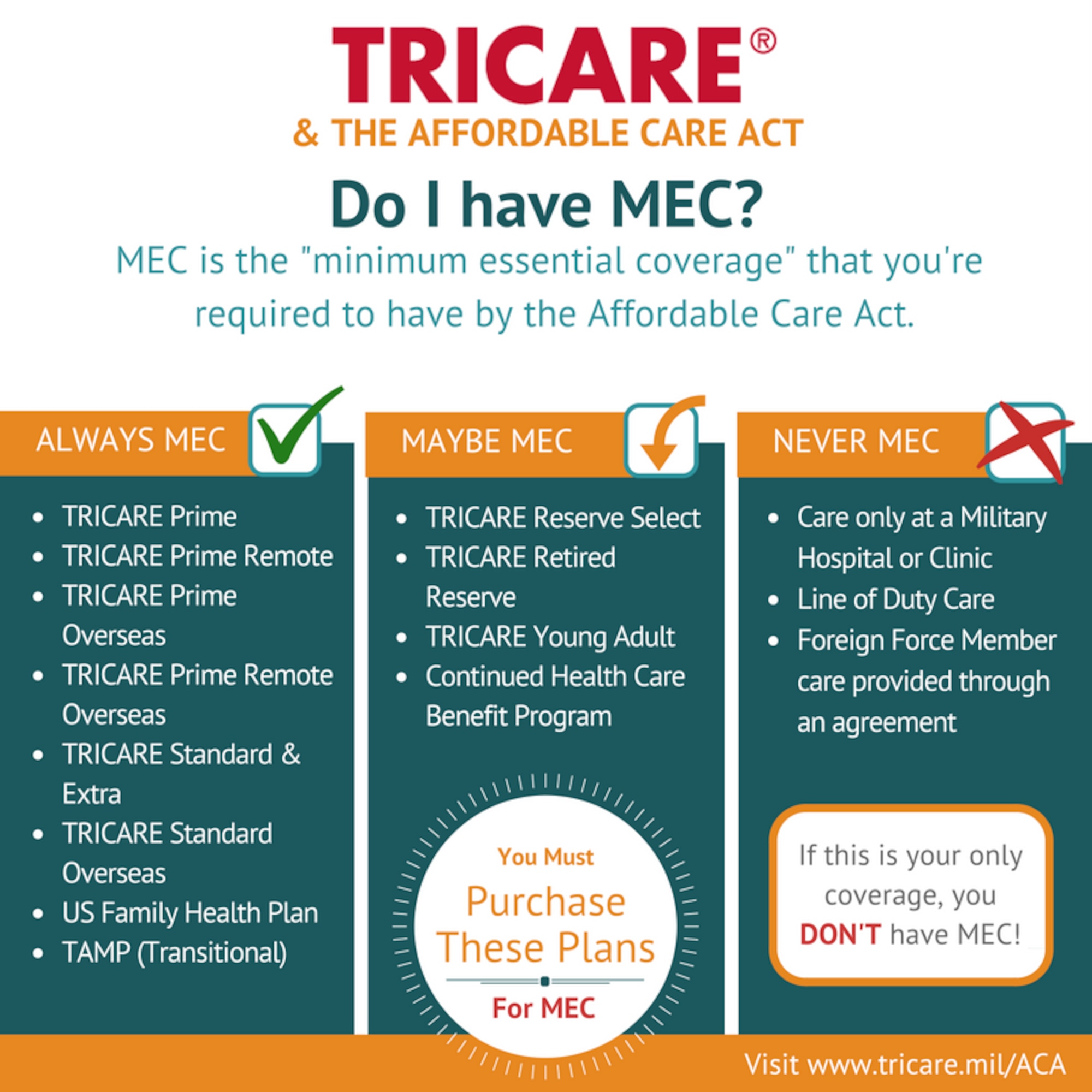
While the federal individual mandate penalty was reduced to zero at the federal level, several states still impose a financial penalty for not having qualifying health coverage. Knowing that you have a Marketplace plan—and that it meets “Minimum Essential Coverage” (MEC) requirements—is essential for avoiding these state-level taxes.
Furthermore, by keeping meticulous records of your Marketplace premiums and out-of-pocket costs, you can determine if you meet the threshold to deduct medical expenses on your Schedule A (if you itemize). For high-net-worth individuals or those with significant medical needs, this can result in substantial tax savings.
In conclusion, knowing if you have Marketplace insurance is the first step in mastering the intersection of healthcare and personal finance. By auditing your Form 1095-A, understanding your metal tier, and leveraging the tax advantages of subsidies and HSAs, you transform your insurance from a confusing monthly expense into a strategic component of your financial success.
aViewFromTheCave is a participant in the Amazon Services LLC Associates Program, an affiliate advertising program designed to provide a means for sites to earn advertising fees by advertising and linking to Amazon.com. Amazon, the Amazon logo, AmazonSupply, and the AmazonSupply logo are trademarks of Amazon.com, Inc. or its affiliates. As an Amazon Associate we earn affiliate commissions from qualifying purchases.