
Understanding your annual income is more than just knowing your salary; it’s the cornerstone of sound financial planning, budgeting, tax management, and achieving your long-term monetary goals. Whether you’re a salaried employee, an hourly worker, a freelancer, or a business owner, accurately calculating how much you make in a year provides a clear picture of your financial standing and empowers you to make informed decisions. This comprehensive guide will walk you through the various components of annual income and the methodologies to calculate it accurately, ensuring you have a complete financial perspective.

Understanding Different Income Types
Before diving into the numbers, it’s crucial to recognize that “income” isn’t a monolithic concept. Different sources of income require distinct approaches to calculation, and a truly comprehensive annual income figure will often combine several types.
Salary vs. Hourly Wages
For many, earned income comes in one of two primary forms: a fixed salary or hourly wages.
-
Salaried Income: This is generally the most straightforward to calculate. If you receive a consistent annual salary, that figure is your gross annual income from employment. However, it’s important to remember that this is before any deductions or taxes.
-
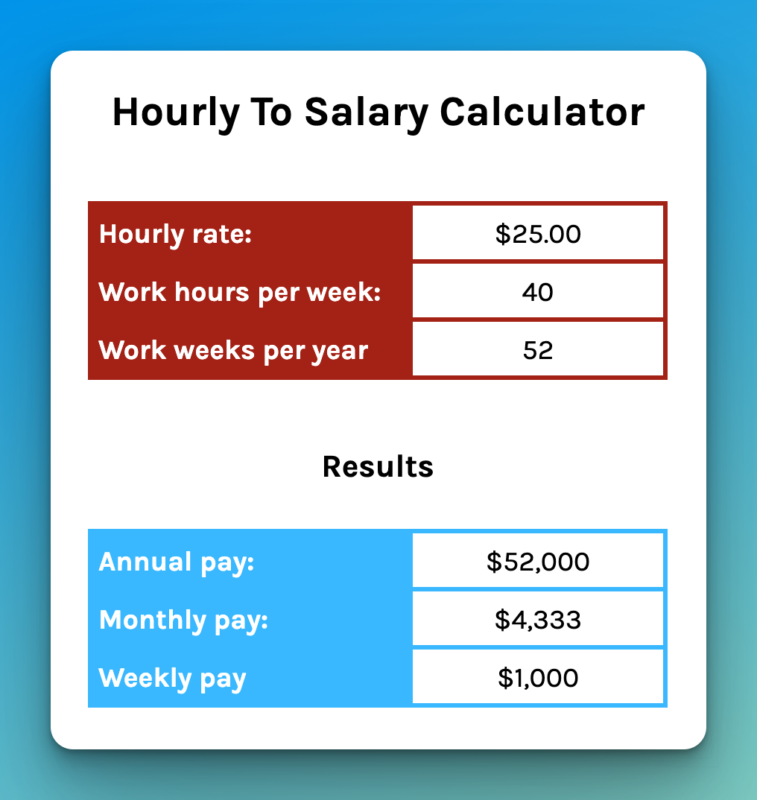
Hourly Wages: For hourly employees, the calculation involves multiplying your hourly rate by the number of hours worked per week, and then by 52 (the number of weeks in a year). For example, if you earn $20/hour and work 40 hours/week, your gross annual income from wages would be $20 * 40 * 52 = $41,600. Don’t forget to account for any overtime hours, which are typically paid at a higher rate and can significantly impact your annual earnings.
Freelance, Contract, and Gig Economy Income
The rise of the gig economy has made freelance and contract work a common income stream for many. Calculating this income can be more complex due to its often irregular nature.
-
Project-Based Income: If you work on a per-project basis, you’ll need to sum up the total earnings from all completed projects within the year.
-
Hourly Contract Work: Similar to hourly wages, track your hourly rate and the total hours billed across all clients.
-
Platform Earnings: For gig workers (e.g., rideshare drivers, food delivery), platforms often provide an annual summary of your gross earnings, but it’s crucial to track your own records as well.
The key here is diligent record-keeping of all invoices, payments received, and contracts.
Investment and Passive Income
Beyond earned income from labor, many individuals generate income from their investments and other passive sources.
-
Dividends: Payments made by companies to their shareholders.
-
Interest: Earnings from savings accounts, certificates of deposit (CDs), bonds, or loans you’ve issued.
-
Rental Income: Money received from renting out properties, after deducting eligible expenses.
-
Capital Gains: Profit made from selling an asset (like stocks, real estate, or collectibles) for more than its purchase price.
-
Royalties: Income received for the use of intellectual property (e.g., books, music, patents).
These income types often have different tax implications and reporting requirements, but they are undeniably part of your total annual income.
Other Sources (Bonuses, Commissions, Benefits)
Many employees receive additional compensation beyond their base salary or wages.
-
Bonuses: One-time payments often tied to individual or company performance.
-
Commissions: Earnings based on a percentage of sales or services rendered.
-
Tips: Common in service industries, tips can form a significant portion of annual income.
-
Unemployment Benefits or Social Security: Government benefits can also contribute to your annual income, particularly in certain life stages or circumstances.
-
Non-Cash Benefits: While not directly cash, certain employer-provided benefits like health insurance, retirement plan contributions, or use of a company car have a monetary value and can be considered part of your overall compensation package, even if not included in a strict “income” calculation for tax purposes.
Step-by-Step Calculation for Employed Individuals
For those primarily earning income through employment, calculating your annual income involves understanding the journey from your gross earnings to what you actually take home, and all the deductions in between.
Gross Annual Income: The Starting Point
Your gross annual income is the total amount of money you earn from all sources before any taxes, deductions, or pre-tax contributions are taken out.
-
Salaried Employee: Your stated annual salary is your gross annual income.
-
Hourly Employee: Sum of (hourly rate × hours worked × 52 weeks) + any overtime or differential pay.
-
Commission-Based/Variable Pay: Total of all commissions, bonuses, and base pay earned throughout the year.
This figure is often found on your offer letter or employment contract. If you have multiple jobs, sum the gross income from each.
Deductions and Pre-Tax Contributions
Once you have your gross income, various amounts are typically subtracted. Some of these are pre-tax, meaning they reduce your taxable income.
-
401(k) or 403(b) Contributions: Money you contribute to your employer-sponsored retirement plan.
-
Health Insurance Premiums: Your share of health, dental, or vision insurance costs.
-
Flexible Spending Accounts (FSAs) or Health Savings Accounts (HSAs): Contributions to these accounts for healthcare expenses.
-
Dependent Care FSAs: Contributions for childcare expenses.
These deductions reduce the amount of income subject to federal, state, and local income taxes.
Taxes (Federal, State, Local, FICA)
This is often the largest reduction from your gross pay.
-
Federal Income Tax: The amount withheld based on your W-4 form and your income level.
-
State Income Tax: Applicable in most states, varies by state.
-
Local Income Tax: Some cities or counties impose their own income taxes.
-
FICA Taxes (Social Security and Medicare): These are mandatory payroll taxes that fund Social Security (6.2% up to an annual limit) and Medicare (1.45% with no limit). Your employer pays an equal share.
It’s important to note that the amount withheld for taxes throughout the year might not perfectly match your actual tax liability, often leading to a refund or an amount due at tax time.
Net Annual Income: What You Actually Take Home
After all pre-tax deductions, taxes, and post-tax deductions (like Roth 401(k) contributions or charitable donations via payroll), what’s left is your net income, often referred to as “take-home pay.”
- Calculation: Gross Annual Income – Pre-Tax Deductions – Taxes – Post-Tax Deductions = Net Annual Income.
This is the amount of money you have available for living expenses, savings, and discretionary spending. Knowing your net annual income is crucial for creating a realistic budget.
Accounting for Variable Income (Bonuses, Overtime)
If your income fluctuates due to bonuses, commissions, or overtime, it’s essential to track these accurately.
-
Review Pay Stubs: Regularly examine your pay stubs, which detail your year-to-date earnings for both gross and net pay, as well as deductions.
-
Keep Records: Maintain a personal log or spreadsheet of any additional income received outside of your regular pay cycle.
For bonuses, remember they are typically taxed at a supplemental rate, which might be higher than your regular withholding rate.
Calculating Income for Self-Employed and Freelancers
Calculating annual income when you’re self-employed, a freelancer, or an independent contractor requires a slightly different approach, focusing on revenue and expenses.
Tracking All Revenue Streams
The first step is to diligently track every single payment received for your services or products throughout the year.
-
Invoicing Software: Utilize accounting or invoicing software (e.g., QuickBooks, FreshBooks) to generate and track all invoices.
-
Payment Records: Keep clear records of all payments received from clients, whether through bank transfers, payment apps, or checks.
-
Platform Summaries: If you use platforms like Upwork, Etsy, or PayPal, download their annual summary reports (e.g., 1099-K forms) but verify them against your own records.
Identifying Business Expenses
A key difference for the self-employed is the ability to deduct legitimate business expenses, which reduce your taxable income.
-
Operating Costs: Rent for an office, utilities, internet, software subscriptions, office supplies.
-
Marketing and Advertising: Website hosting, social media ads, business cards.
-
Professional Development: Courses, certifications, conference fees.
-
Travel and Meals: Business-related travel, a portion of business meals.
-
Insurance: Professional liability insurance, health insurance premiums (potentially deductible).
-
Home Office Deduction: If you use a portion of your home exclusively and regularly for business, you may qualify.
Accurate expense tracking is critical for both calculating profit and minimizing your tax burden.
Estimating Self-Employment Taxes and Quarterly Payments
Unlike employees whose FICA taxes are split with an employer and withheld, self-employed individuals are responsible for paying the entire 15.3% (12.4% for Social Security up to the annual limit, 2.9% for Medicare) as “self-employment tax.”
-
Estimate Your Income: Project your gross income and deductible expenses for the year.
-
Calculate Estimated Tax: Based on your estimated profit, calculate your self-employment tax and income tax.
-
Quarterly Payments: Most self-employed individuals are required to pay estimated taxes quarterly (April 15, June 15, September 15, and January 15 of the following year) to avoid penalties.
Failure to pay estimated taxes can result in fines and interest from the IRS.
The Importance of a Profit & Loss Statement
A Profit & Loss (P&L) statement, or Income Statement, is an invaluable tool for self-employed individuals.
-
Structure: It summarizes your revenues, costs of goods sold, and expenses over a specific period (e.g., a month, quarter, or year).
-
Net Profit: The bottom line of your P&L statement shows your net profit (or loss), which is your effective annual income from your business.
-
Financial Health: A P&L helps you understand the profitability of your business and makes calculating your annual income much clearer.
Incorporating All Income Sources for a Comprehensive View
For many, annual income isn’t a single stream but a tapestry woven from various sources. A truly accurate calculation requires consolidating all of them.
Blending Multiple Jobs or Income Streams
If you work a full-time job and have a side hustle, or juggle multiple part-time positions, simply add up the net income from each.
- Example: Full-time job net annual income + freelance project net annual income + part-time job net annual income = Total Combined Net Annual Income.
Remember to account for different tax treatments. Your W-2 income is subject to withholding, while your freelance income might require estimated tax payments.
The Role of Investment Income (Dividends, Interest, Capital Gains)
As discussed earlier, investment income contributes to your total financial picture.
-
Tax Documents: Look for Forms 1099-DIV (dividends), 1099-INT (interest), and 1099-B (brokerage transactions for capital gains/losses) from your financial institutions.
-
Realized Gains: Only realized capital gains (when you sell an asset for profit) count as income for the year. Unrealized gains (when an asset increases in value but you haven’t sold it) do not.
This income, while often passive, is taxable and must be included in your annual income calculation for tax purposes.
Understanding the Value of Non-Cash Benefits
While not directly counted in your taxable annual income in the same way, non-cash benefits from an employer or other sources hold significant monetary value and should be considered when assessing your overall compensation.
-
Health Insurance: If your employer pays a significant portion of your health insurance premium, that’s a direct financial benefit you would otherwise have to pay out-of-pocket.
-
Retirement Contributions: Employer matching contributions to your 401(k) or pension plans are a form of deferred income that adds to your long-term wealth.
-
Life Insurance/Disability Insurance: Employer-provided coverage saves you from having to purchase these independently.
-
Perks: Company car, subsidized meals, gym memberships, tuition reimbursement.
While these don’t add to your “income” on a tax return, they reduce your expenses or increase your net worth, making them vital to a holistic understanding of your annual financial gain.
Why an Accurate Annual Income Figure Matters
Knowing precisely how much you make in a year is not just an academic exercise; it’s fundamental to robust personal finance management.
Budgeting and Financial Planning
Your annual income is the bedrock of your budget. An accurate figure allows you to:
-
Allocate Funds: Distribute your income effectively across essential expenses, savings, and discretionary spending.
-
Avoid Overspending: Prevent living beyond your means by understanding your limits.
-
Track Progress: Monitor your spending patterns against your income to ensure financial health.
Tax Planning and Filing
Accurate income calculation is indispensable for tax purposes.
-
Correct Filing: Ensures you report all income accurately to avoid penalties or audits.
-
Maximizing Deductions: Helps you identify eligible deductions and credits, especially for the self-employed.
-
Estimated Taxes: Guides self-employed individuals in making correct quarterly estimated tax payments.
Loan Applications and Creditworthiness
Lenders, landlords, and other financial institutions rely heavily on your reported annual income to assess your ability to repay debts.
-
Mortgages: Crucial for determining how much home you can afford.
-
Car Loans/Personal Loans: Affects your eligibility and interest rates.
-
Rental Applications: Landlords often have income requirements.
A clear understanding of your annual income can significantly impact your access to credit and housing.
Setting Financial Goals (Savings, Retirement, Investments)
Whether your goal is to save for a down payment, retire early, or build a robust investment portfolio, your annual income dictates what’s achievable.
-
Savings Rate: Allows you to calculate a realistic savings rate.
-
Retirement Projections: Informs how much you can contribute to retirement accounts.
-
Investment Capacity: Determines how much capital you have available to invest.

Negotiating Salaries and Fees
Knowing your current earnings and market value empowers you during salary negotiations or when setting rates for your freelance services.
-
Informed Decisions: You can confidently articulate your financial requirements.
-
Benchmarking: Compare your income against industry averages to ensure fair compensation.
An accurate annual income figure provides the data you need to advocate for yourself financially.
Calculating your annual income is a foundational skill in personal finance. It moves beyond a simple number on a pay stub to encompass a holistic view of all your financial inflows. By diligently tracking all sources of income, understanding the impact of deductions and taxes, and maintaining meticulous records, you gain invaluable clarity. This clarity is not just for tax season; it’s a powerful tool that enables informed decisions, strategic planning, and the confident pursuit of your financial aspirations year after year.
aViewFromTheCave is a participant in the Amazon Services LLC Associates Program, an affiliate advertising program designed to provide a means for sites to earn advertising fees by advertising and linking to Amazon.com. Amazon, the Amazon logo, AmazonSupply, and the AmazonSupply logo are trademarks of Amazon.com, Inc. or its affiliates. As an Amazon Associate we earn affiliate commissions from qualifying purchases.