
Understanding your annual income is one of the most fundamental steps in personal finance. It’s the bedrock upon which all other financial decisions are built – from crafting a realistic budget and setting savings goals to planning for retirement and applying for loans. Far beyond just knowing what your monthly paycheck says, a comprehensive grasp of your total annual earnings empowers you to make informed choices, minimize tax liabilities, and ultimately achieve financial security and independence.
Many people only have a vague idea of their total yearly earnings, often equating it solely with their primary salary. However, annual income can be a multifaceted figure, encompassing various sources that, when combined, paint a complete picture of your financial inflow. This article will guide you through the process of accurately determining your annual income, exploring its different components, practical calculation methods, and why this figure is so critically important for your financial well-being. By the end, you’ll have a clear roadmap to confidently assess your financial standing and leverage this knowledge for a brighter financial future.
Understanding the Components of Your Annual Income
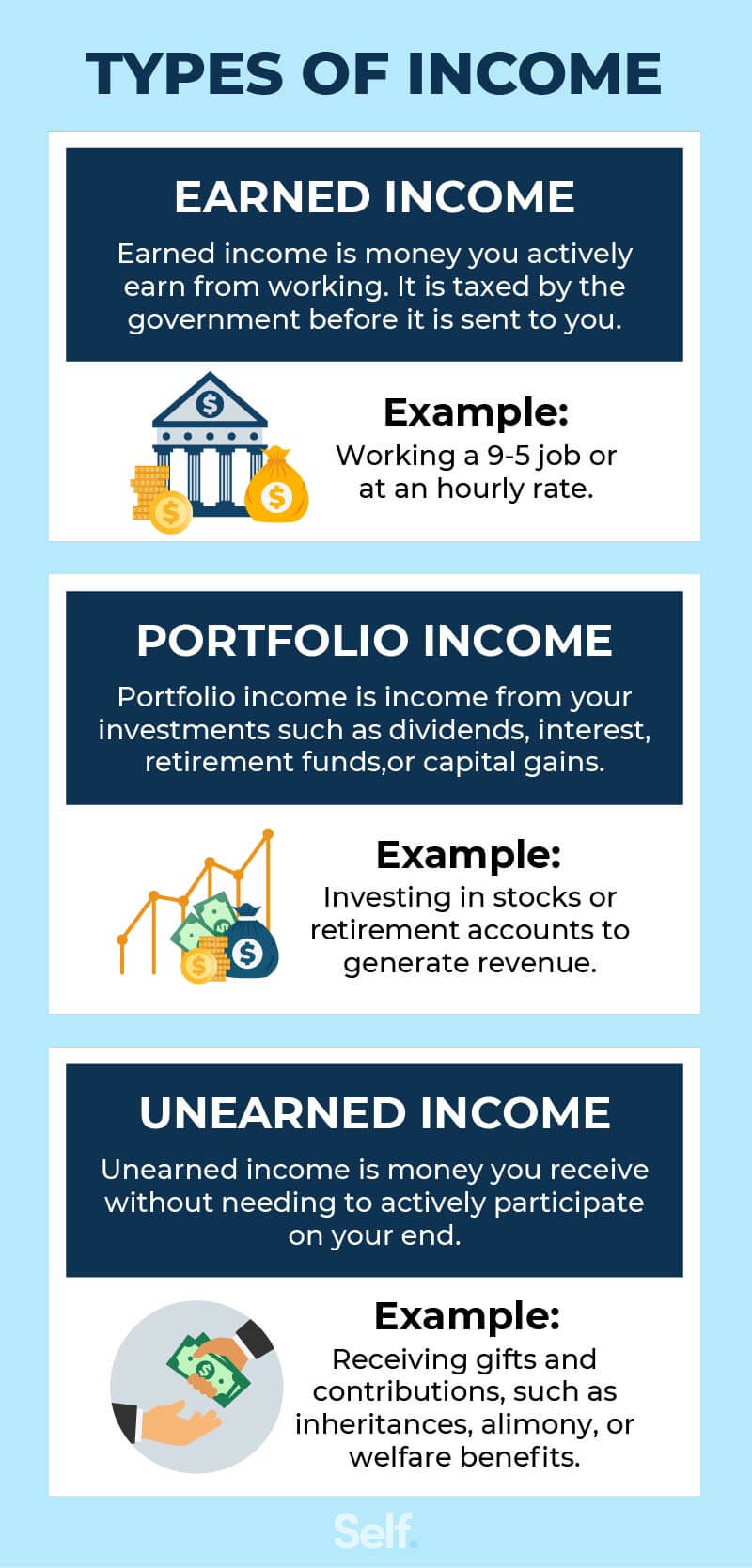
Before you can calculate your annual income, it’s crucial to understand what counts towards it. Annual income isn’t just your base salary; it’s the sum total of all monetary inflows you receive over a 12-month period. Differentiating between various types of income is the first step towards an accurate assessment.
Gross Income vs. Net Income
Perhaps the most important distinction to make is between gross income and net income.
-
Gross Income refers to the total amount of money you earn before any deductions are taken out. This includes your salary, wages, bonuses, commissions, and any other earnings from employment or business activities. For a salaried employee, it’s the figure on your pay stub before taxes, retirement contributions, health insurance premiums, and other withholdings. For a self-employed individual, it’s your total revenue before business expenses and self-employment taxes.
-
Net Income, also known as “take-home pay,” is the amount of money you actually receive after all deductions and taxes have been withheld. While net income is what you live on day-to-day, gross income is the figure most commonly used for loan applications, tax calculations, and broader financial planning. Both figures are important, but understanding gross income is essential for a holistic view of your financial capacity.
Salaried Employment Income
For most individuals, a significant portion of their annual income comes from salaried employment. This category typically includes:
-
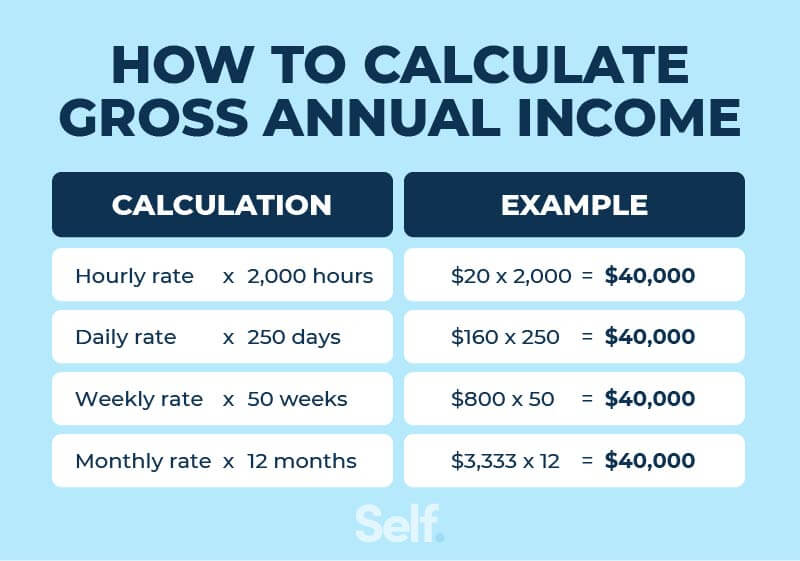
Base Salary/Wages: Your fixed annual pay. If paid hourly, calculate your total hours worked multiplied by your hourly rate for the year.
-
Bonuses: One-time or performance-based payments that supplement your base salary. These can be discretionary or tied to specific metrics.
-
Commissions: Earnings based on a percentage of sales or services provided, common in sales roles.
-
Overtime Pay: Additional wages earned for working beyond standard hours, usually at a higher rate.
-
Tips: Income received directly from customers for services rendered, common in hospitality.
To calculate your total salaried employment income, you’d sum up your base pay, all bonuses received, commissions, and any overtime or tips for the entire year.
Self-Employment and Business Income
For entrepreneurs, freelancers, or independent contractors, determining annual income is slightly more complex, as it involves the interplay of revenue and expenses.
-
Total Revenue: This is all the money your business or services bring in before any costs are deducted.
-
Business Expenses: These are the costs incurred in running your business (e.g., office supplies, software subscriptions, travel, marketing, professional development).
-
Net Self-Employment Income: This is calculated by subtracting your total legitimate business expenses from your total revenue. This “net” figure is what you typically report as income for tax purposes and use for personal financial planning. Accurate record-keeping of both revenue and expenses is paramount here.
Other Sources of Income
Annual income isn’t always derived solely from work. Many other sources contribute to your financial inflow:
-
Rental Income: Money earned from properties you rent out, minus associated expenses (mortgage interest, property taxes, maintenance).
-
Investment Income:
-
Dividends: Payments from stock investments.
-
Interest: Earnings from savings accounts, bonds, or other interest-bearing assets.
-
Capital Gains: Profits from selling an asset (like stocks or real estate) for more than you paid for it.
-
-
Alimony and Child Support: Payments received from a former spouse.
-
Pensions and Annuities: Regular payments received after retirement from a pension plan or annuity contract.
-
Social Security Benefits: Payments from the government for retirement, disability, or survivor benefits.
-
Side Hustle Income: Earnings from part-time gigs outside your primary employment (e.g., ridesharing, consulting, selling crafts).
-
Royalties: Payments for the use of intellectual property (books, music, patents).
To get your total annual income, you must meticulously sum up all these disparate sources. Overlooking even minor streams can lead to an inaccurate financial picture.
Practical Methods for Calculating Your Annual Income
Now that you understand the different components, let’s explore practical ways to gather the necessary data and perform the calculation. The method you choose might depend on the complexity of your income streams.
Reviewing Pay Stubs and Tax Documents
This is often the most straightforward method for most employees.
-
W-2 Forms: If you’re a salaried or hourly employee, your employer will provide you with a W-2 form by the end of January each year. Box 1 (“Wages, tips, other compensation”) on your W-2 is your total taxable gross income from that employer for the year. If you worked for multiple employers, you’ll have multiple W-2s, and you’ll need to sum up Box 1 from each.
-
1099 Forms: For income received as an independent contractor, freelancer, or from investments, you’ll receive various 1099 forms (e.g., 1099-NEC for nonemployee compensation, 1099-INT for interest, 1099-DIV for dividends, 1099-R for retirement distributions, 1099-MISC for miscellaneous income). Each of these forms will detail specific income amounts you received.
-
Pay Stubs: Throughout the year, your pay stubs often show “Year-to-Date (YTD)” gross income. If you want to estimate your annual income before the year ends, or if you don’t have all your W-2s yet, you can use the YTD figure from your last pay stub and extrapolate for the remaining months. For example, if your YTD gross income on your October pay stub is $50,000, and you expect two more consistent paychecks, you can add those to get an estimate.
Utilizing Bank Statements and Financial Software
For those with variable income, self-employment, or numerous small income streams, bank statements and financial tracking tools can be invaluable.
-
Bank Statements: Reviewing your bank statements allows you to track all deposits into your accounts. While this doesn’t differentiate between gross and net (as deductions happen before deposit for employees), it’s excellent for identifying and summing up all cash inflows, especially for freelancers or those with irregular income. You’ll need to categorize deposits to understand their source (e.g., client payment, rental income, investment payout).
-
Financial Tracking Software/Apps: Tools like Mint, Personal Capital, Quicken, or even simple spreadsheets can automate much of this process. By linking your bank accounts and credit cards, these tools can categorize transactions, including income deposits, and provide summaries of your total income over specified periods. They are particularly useful for consolidating data from multiple sources.
-
Invoicing Software: If you’re self-employed, your invoicing software (e.g., FreshBooks, Wave, QuickBooks Self-Employed) will be your primary source for tracking revenue. It will show you exactly how much you’ve billed and received from clients over any given period.

Projecting Future Income
For individuals with variable income, such as freelancers, commission-based sales professionals, or those starting new businesses, simply looking at past data might not be enough. Projecting future income becomes essential.
-
Historical Averaging: Look at your income from previous years or quarters and calculate an average. This can provide a reasonable baseline for future projections, especially if your business has a consistent cycle.
-
Pipeline Analysis: For sales or project-based work, analyze your current sales pipeline, active projects, and anticipated contracts. Assign probabilities to close rates and project potential income.
-
Conservative Estimates: When projecting, it’s often wise to err on the side of caution. Use conservative estimates rather than optimistic ones, especially for critical financial planning like budgeting or loan applications.
-
Seasonal Adjustments: If your income fluctuates seasonally, account for these variations in your projections.
The Importance of Accurate Income Determination
Knowing your annual income isn’t just an exercise in numbers; it’s a critical component of sound financial health. Its accuracy impacts nearly every aspect of your financial life.
Budgeting and Financial Planning
Your annual income is the cornerstone of effective budgeting. Without knowing your total inflow, you cannot realistically determine how much you can spend, save, or invest.
-
Realistic Spending Limits: An accurate income figure prevents overspending by establishing clear boundaries for your discretionary income.
-
Saving Goals: Whether you’re saving for a down payment, retirement, or an emergency fund, your annual income dictates how much you can realistically allocate towards these goals each month.
-
Debt Management: Understanding your income helps you assess your debt-to-income ratio, a key metric for lenders, and determines how much you can comfortably put towards debt repayment.
Tax Preparation and Compliance
Taxes are inextricably linked to your annual income. An accurate determination is crucial for compliance and optimizing your tax strategy.
-
Correct Tax Filing: Your annual income forms the basis of your tax return. Misstating it can lead to audits, penalties, or missed deductions.
-
Tax Bracket Understanding: Knowing your total gross income helps you understand which tax bracket you fall into, enabling better tax planning.
-
Deductions and Credits: Certain deductions and credits are income-dependent. Accurate income figures ensure you claim what you’re eligible for and avoid claiming what you’re not.
-
Estimated Taxes: For self-employed individuals, accurate income projection is vital for paying quarterly estimated taxes, preventing a large tax bill and potential penalties at year-end.
Loan Applications and Creditworthiness
Lenders heavily rely on your reported annual income to assess your ability to repay borrowed money.
-
Mortgage Applications: Your income, often in relation to your debts, is a primary factor in determining how much mortgage you can qualify for.
-
Car Loans and Personal Loans: Lenders use your income to calculate your debt-to-income ratio and assess your overall creditworthiness.
-
Rental Applications: Landlords often require proof of income to ensure you can cover rent payments. An accurate annual income statement strengthens your application.
Personal and Professional Goal Setting
Your annual income dictates the feasibility and timeline of your life’s major financial goals.
-
Retirement Planning: The amount you can contribute to retirement accounts (401k, IRA) is directly tied to your income, as are your long-term wealth accumulation projections.
-
Major Purchases: Whether it’s buying a home, starting a business, or funding a child’s education, your income determines how quickly you can achieve these milestones.
-
Career Advancement: Understanding your current income helps you evaluate job offers, negotiate salaries, and plan career moves that align with your financial aspirations.
Navigating Variable and Complex Income Streams
Not everyone has a predictable, fixed salary. Many individuals contend with income that fluctuates significantly throughout the year or comes from multiple, diverse sources. This requires a more dynamic approach to income determination.
Strategies for Freelancers and Gig Workers
Freelancers and gig workers face unique challenges in determining annual income due to variable client work and inconsistent payment schedules.
-
Robust Record-Keeping: Implement a systematic approach to track every invoice, payment received, and business expense. Use dedicated accounting software, spreadsheets, or online platforms.
-
Separate Business Bank Account: Keep personal and business finances strictly separate. This simplifies tracking business revenue and expenses.
-
Set Aside for Taxes: Since taxes aren’t automatically withheld, calculate and set aside a percentage of every payment for estimated quarterly taxes. A financial advisor can help determine an appropriate percentage.
-
Income Averaging and Projections: Based on historical data, project a conservative average monthly income. Regularly review and adjust these projections based on your current workload and pipeline.
Managing Investment Income
Investment income can be passive but requires attention for accurate annual income determination, especially regarding tax implications.
-
Understand Different Types: Differentiate between qualified dividends, non-qualified dividends, interest income, and short-term vs. long-term capital gains. Each has different tax treatments.
-
Brokerage Statements: Your brokerage firm will provide consolidated 1099 forms (1099-DIV, 1099-INT, 1099-B for sales of stock) that detail your investment income for the year.
-
Reinvested Dividends/Interest: Even if you reinvest your dividends or interest, they still count as taxable income in the year they were earned.
-
Tax-Advantaged Accounts: Income within retirement accounts (like 401ks, IRAs) generally isn’t taxed until withdrawal, but contributions are often based on earned income limits.
Dealing with Irregular Income
For those with highly irregular income (e.g., seasonal workers, those with fluctuating commissions), consistent budgeting and income determination are paramount.
-
Create an Emergency Fund: Build a substantial emergency fund (6-12 months of living expenses) to bridge gaps during lean periods.
-
Budget for Lean Months: Base your monthly budget on your lowest expected income month, not your highest. Allocate any surplus from high-income months to savings or to cover expenses in future low-income months.
-
Income Smoothing Techniques: Consider setting up a separate “income smoothing” account. Deposit all income into this account, then pay yourself a fixed “salary” from it each month. This creates predictable cash flow.
-
Regular Review: Review your income and expenses monthly, not just annually, to stay agile and adjust your financial plan as needed.
Accurately determining your annual income is not a one-time task but an ongoing financial discipline. It serves as your financial compass, guiding every decision from daily spending to long-term wealth accumulation. By diligently tracking all your income sources, utilizing available tools, and understanding the nuances of different income streams, you equip yourself with the knowledge to build a robust financial future. Don’t underestimate the power of this single number; it’s the key to unlocking true financial insight and control. If your financial situation is complex, consider consulting with a qualified financial advisor who can provide personalized guidance.
aViewFromTheCave is a participant in the Amazon Services LLC Associates Program, an affiliate advertising program designed to provide a means for sites to earn advertising fees by advertising and linking to Amazon.com. Amazon, the Amazon logo, AmazonSupply, and the AmazonSupply logo are trademarks of Amazon.com, Inc. or its affiliates. As an Amazon Associate we earn affiliate commissions from qualifying purchases.