
In the world of finance, timing is not just a secondary consideration; it is the very foundation upon which successful investment strategies are built. For the individual investor, understanding when stock markets open and close is the first step toward professionalizing their approach to the markets. While the digital age allows for a 24/7 flow of information, the actual liquidity and movement of capital are governed by strict schedules and regional time zones. Knowing when the “opening bell” rings—and what happens in the hours surrounding it—can mean the difference between capturing a profitable trend and being caught in a trap of low liquidity.
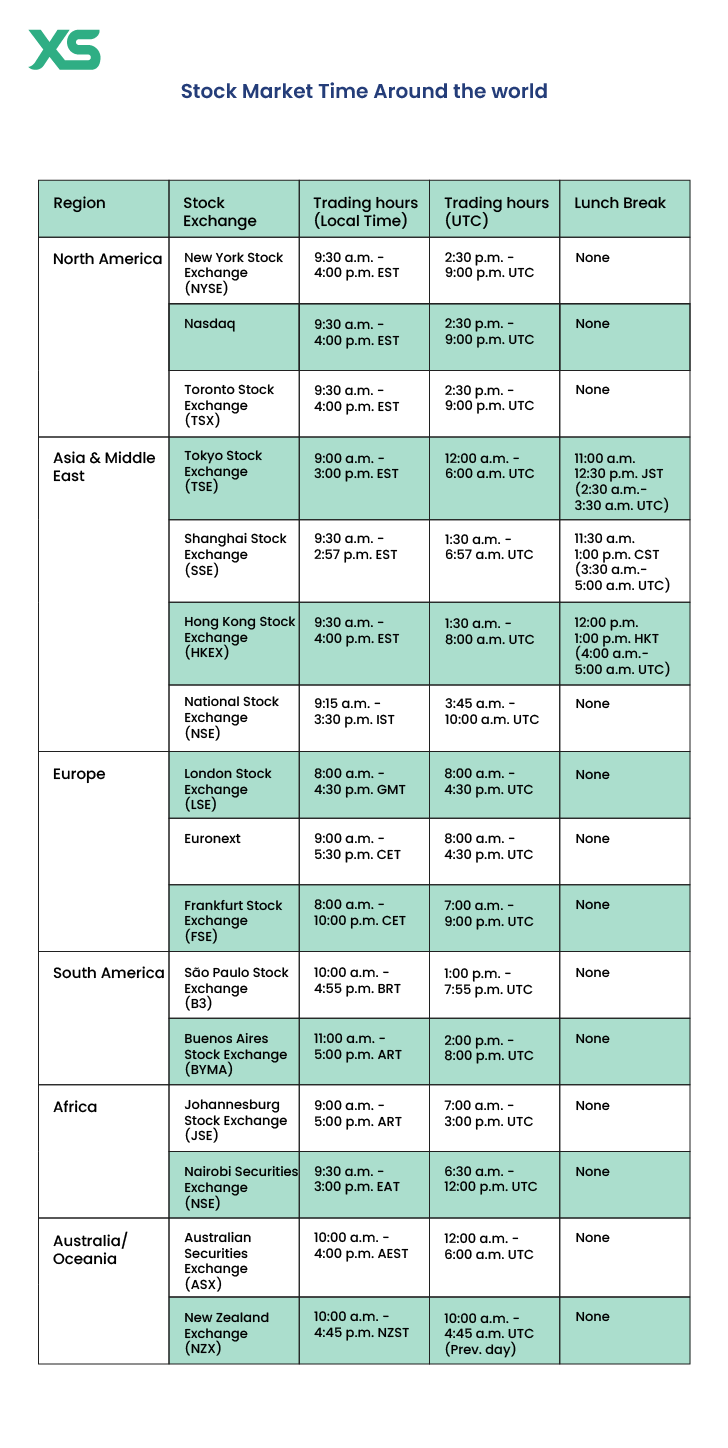
This guide explores the intricate schedule of global financial markets, the mechanics of extended trading hours, and the strategic implications of time on your personal portfolio.
1. The Pulse of Wall Street: Standard US Trading Hours
For the majority of retail investors in the West, the New York Stock Exchange (NYSE) and the NASDAQ define the trading day. These institutions operate on Eastern Time (ET) and represent the largest concentration of capital in the world.
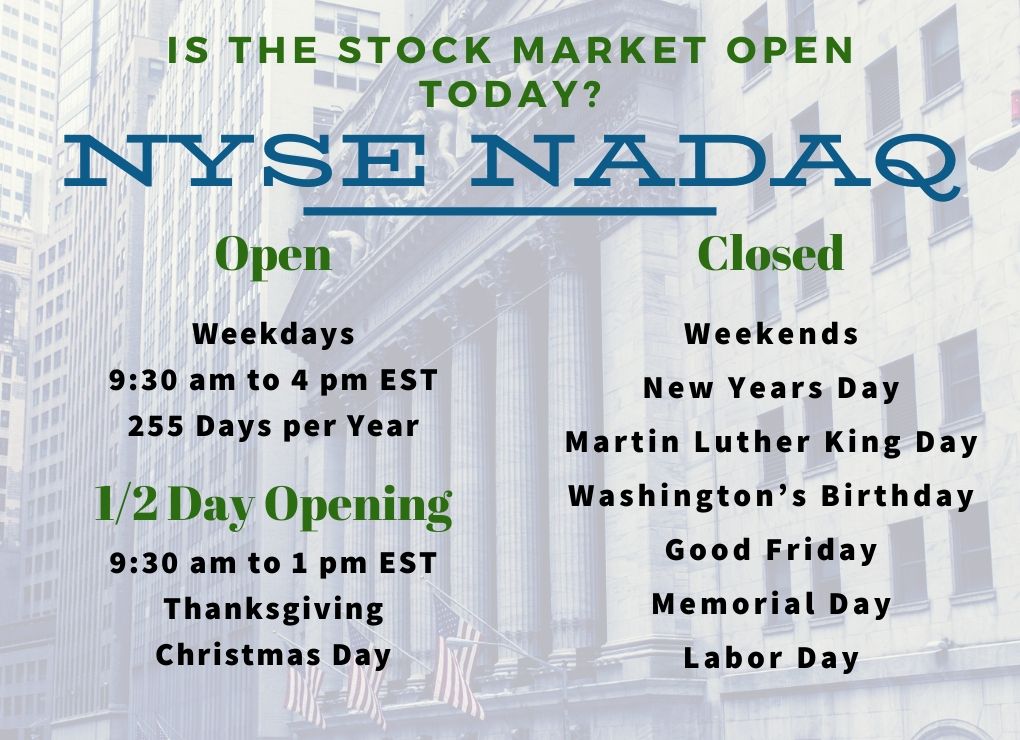
Standard Trading Hours (9:30 AM – 4:00 PM ET)
The core trading session in the United States begins at 9:30 AM ET and concludes at 4:00 PM ET. This 6.5-hour window is when the highest volume of trading occurs. For the average investor, this is the safest and most efficient time to execute trades. Because liquidity is at its peak, bid-ask spreads (the difference between the price a buyer is willing to pay and a seller is willing to accept) are typically at their narrowest. This ensures that you get a fair price for your assets with minimal “slippage.”
The Opening and Closing Bells
The first and last 30 minutes of the standard session are often characterized by extreme volatility. At 9:30 AM, the market reacts to news that has broken overnight, including earnings reports, economic data, and geopolitical events. This period of “price discovery” is where institutional investors and algorithms battle to find the new equilibrium price. Similarly, the 3:30 PM to 4:00 PM window, often called the “Power Hour,” sees massive volume as mutual funds and institutional players rebalance their portfolios before the day ends.
2. Beyond the Bell: Extended-Hours Trading
The traditional 9:30-to-4:00 window is no longer the only time investors can move capital. Electronic Communication Networks (ECNs) have made it possible to trade outside of standard hours, though these sessions come with unique risks and opportunities.
Pre-Market Sessions (4:00 AM – 9:30 AM ET)
Many brokerage platforms now allow retail investors to participate in pre-market trading, often starting as early as 4:00 AM ET. This session is primarily used by investors looking to get ahead of the standard opening based on early-morning news, such as Labor Department employment reports or European market movements. However, investors must be cautious: because there are fewer participants, a single large trade can cause a disproportionate swing in a stock’s price.
After-Hours Trading (4:00 PM – 8:00 PM ET)
The after-hours session is perhaps the most famous period for “earnings season.” When major corporations like Apple or Microsoft release their quarterly results, they usually do so shortly after 4:00 PM to ensure the market has time to digest the information without causing a mid-day panic. Trading during this time allows investors to react immediately to financial results. The primary risk here is the lack of liquidity; if you attempt to sell a large position at 6:00 PM, you may find that the only available buyers are offering prices significantly lower than the last “official” close.
3. The Global Relay Race: International Market Schedules
The sun never sets on the financial markets. For an investor looking to diversify into international equities or understand global sentiment, it is vital to know when markets in Europe and Asia are active.
The European Markets (LSE and Euronext)
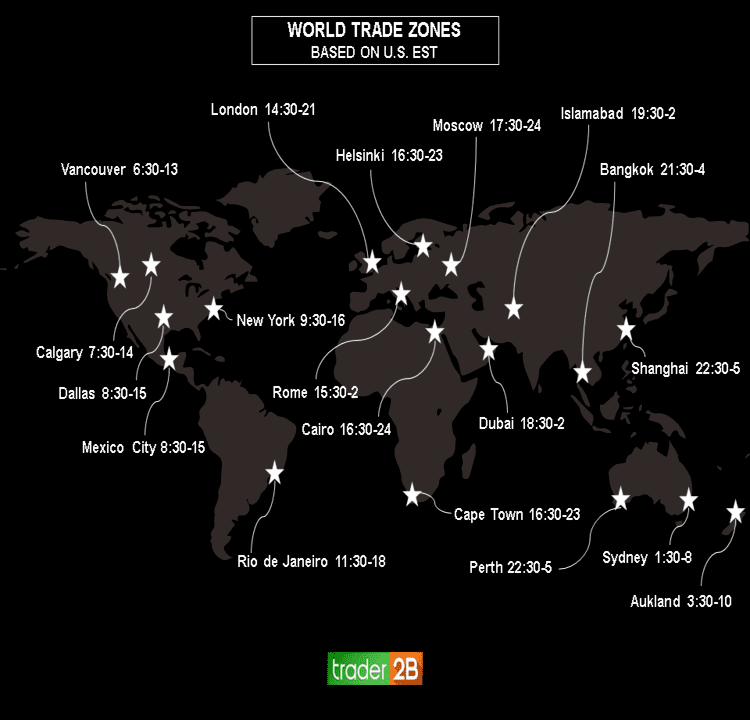
The London Stock Exchange (LSE) is the crown jewel of European finance. It typically opens at 8:00 AM GMT (3:00 AM ET) and closes at 4:30 PM GMT (11:30 AM ET). There is a critical three-hour overlap between the London and New York sessions (from 9:30 AM to 12:30 PM ET). During these hours, global liquidity is at its absolute maximum, often leading to significant trends in currency pairs and multinational stocks.
The Asian Powerhouses (TSE, HKEX, and SSE)
The trading day effectively begins in Asia. The Tokyo Stock Exchange (TSE) and the Hong Kong Stock Exchange (HKEX) are key indicators of global risk appetite. Most Asian markets have a unique feature: a lunch break. For example, the Tokyo Stock Exchange typically trades from 9:00 AM to 11:30 AM local time, pauses for an hour, and resumes from 12:30 PM to 3:00 PM. For a US-based investor, these markets are active during the late evening and early morning hours, making them essential to watch for clues on how the US market might open the following day.
4. Market Holidays and the Trading Calendar
Just as important as knowing the daily hours is knowing which days the “store” is closed. Stock markets do not follow the same holiday schedule as general retail businesses, and missing these dates can lead to failed trade executions or missed opportunities.
US Federal and Exchange Holidays
The NYSE and NASDAQ observe several major holidays throughout the year, including:
- New Year’s Day
- Martin Luther King, Jr. Day
- Presidents’ Day
- Good Friday
- Memorial Day
- Juneteenth National Independence Day
- Independence Day
- Labor Day
- Thanksgiving Day (Early closure on the following Friday)
- Christmas Day
On these days, the markets are completely closed. There is no pre-market or after-hours trading. Understanding this calendar is crucial for managing “margin” requirements and ensuring that you are not holding high-risk positions over a long weekend when you cannot exit them.
Early Closures and Regional Differences
It is also common for markets to have “early bird” sessions. For instance, on the day after Thanksgiving (Black Friday) and sometimes on Christmas Eve, the US markets typically close at 1:00 PM ET. Furthermore, investors must be aware of “bank holidays” in other countries. If you are trading a Canadian stock on the Toronto Stock Exchange, it may be closed for Victoria Day or Civic Holiday even if the US markets are operating as normal.
5. Strategic Implications: When Should You Trade?
Understanding the clock is only the beginning; applying that knowledge to your personal finance strategy is where the real value lies. The time of day you choose to trade should align with your risk tolerance and investment goals.
The Dangers of the “First Hour”
For the conservative long-term investor, the first hour of the market (9:30 AM – 10:30 AM) is often the most dangerous. This is when “amateur hour” occurs—retail orders placed overnight are executed all at once, leading to erratic price swings. Professional traders often wait for this initial “washout” to complete before entering positions. If you are a long-term investor looking to add to a position in a retirement account, waiting until mid-day (between 12:00 PM and 2:00 PM ET) often provides a more stable price environment.
Tracking Global Liquidity for Risk Management
If you hold a portfolio of global stocks or ETFs, you must be aware of how “overnight” moves affect your capital. For example, if a major economic crisis hits China at 2:00 AM ET, the US markets will likely “gap down” at 9:30 AM. By monitoring the Asian and European opens, an investor can use the US pre-market session to hedge their positions or set stop-loss orders to protect their capital before the standard session begins.
Utilizing Automation and Tools
Because the human body is not designed to stay awake for the entire global trading cycle, successful investors use tools to manage their money across time zones. Limit orders (which only execute at a specific price) and stop-loss orders are essential for managing a portfolio when the markets are open but you are asleep. In the modern era of personal finance, your brokerage app likely offers “GTC” (Good ‘Til Canceled) orders that remain active across multiple days and sessions, ensuring your strategy is executed even when you aren’t watching the clock.
In conclusion, the stock market is a global engine that never truly stops, but its “high-performance” hours are strictly regulated. By mastering the opening and closing times of the world’s major exchanges, identifying the risks of extended-hours trading, and respecting the holiday calendar, you position yourself as a disciplined and informed investor. In finance, as in life, showing up at the right time is half the battle.
aViewFromTheCave is a participant in the Amazon Services LLC Associates Program, an affiliate advertising program designed to provide a means for sites to earn advertising fees by advertising and linking to Amazon.com. Amazon, the Amazon logo, AmazonSupply, and the AmazonSupply logo are trademarks of Amazon.com, Inc. or its affiliates. As an Amazon Associate we earn affiliate commissions from qualifying purchases.