
For students, educators, and professionals alike, a graphing calculator often represents a critical tool, unlocking complex mathematical and scientific computations. However, for many, the immediate question isn’t about its capabilities but its cost: “How much is a graphing calculator?” This seemingly simple query opens up a deeper discussion about financial planning, value assessment, and making an informed investment in an educational or professional asset. Graphing calculators are not merely gadgets; they are often mandatory instruments for specific courses and careers, making their price a significant consideration for individual and family budgets. Understanding the financial landscape of these devices, from their initial purchase price to their long-term value, is essential for a prudent financial decision.

The Financial Spectrum of Graphing Calculators
Graphing calculators exist across a broad price spectrum, much like any significant financial purchase. The cost can vary dramatically based on brand, features, age, and where it’s purchased. Breaking down this spectrum helps consumers identify where their needs align with their budget.
Entry-Level Models: Affordability Meets Functionality
Entry-level graphing calculators typically range from $50 to $90. These models are often sufficient for basic algebra, trigonometry, and introductory calculus courses. They provide the core graphing functions, matrix operations, and statistical calculations without many advanced bells and whistles. Brands like Texas Instruments (e.g., TI-83 Plus, older TI-84 Plus models) and Casio (e.g., fx-9750GII) offer reliable and widely accepted options in this category. Their affordability makes them accessible for students who need a functional tool without a substantial financial outlay. While they might lack color screens or advanced programming features, their robustness and adherence to standardized testing requirements make them a financially sensible choice for many. The focus here is on providing essential functionality at the lowest possible cost, proving that an effective graphing calculator doesn’t necessarily have to break the bank.
Mid-Range Options: Balancing Cost and Features
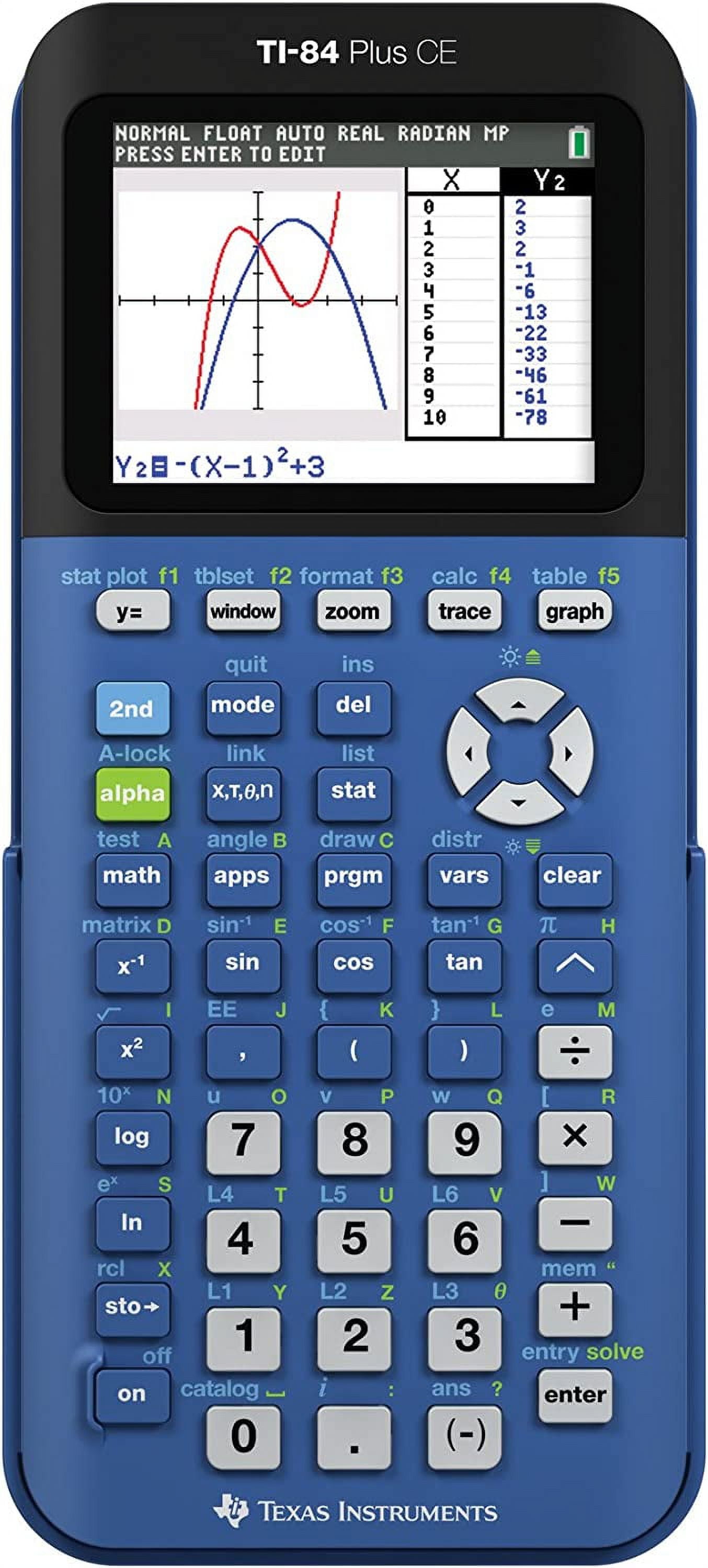
Stepping up from entry-level, mid-range graphing calculators usually fall between $90 and $150. This segment often includes popular models like the TI-84 Plus CE or certain Casio Prizm models (e.g., fx-CG50). These calculators typically offer significant enhancements over their entry-level counterparts, such as higher-resolution color screens, faster processors, and increased memory. The color display, in particular, can greatly aid in visualizing complex graphs and data, making concepts easier to grasp. For many high school and early college courses, these calculators strike an optimal balance between advanced functionality and a manageable price point. They are often chosen because they meet the requirements for most standardized tests (like the SAT, ACT, and AP exams) while offering a more user-friendly and feature-rich experience, representing a thoughtful middle-ground investment.
Premium Calculators: Advanced Capabilities and Higher Price Tags
At the top end, premium graphing calculators can cost anywhere from $150 to $250 or more. These devices are designed for advanced mathematics, engineering, and computer science students or professionals. Examples include the TI-Nspire CX II CAS, HP Prime, or models specifically tailored for particular fields. These calculators boast powerful Computer Algebra System (CAS) capabilities, allowing them to solve symbolic equations, perform calculus operations, and manipulate algebraic expressions, mirroring what one might do with sophisticated software. They often feature larger, touch-enabled screens, rechargeable batteries, and robust connectivity options. The higher price tag reflects the advanced processing power, specialized software, and broader range of applications. For those pursuing rigorous STEM fields, the investment in a premium calculator can be justified by its long-term utility and ability to handle complex problem-solving that simpler models cannot. This isn’t just a purchase; it’s an investment in a powerful computational tool that can support advanced academic and professional endeavors for many years.
Factors Influencing Graphing Calculator Costs
The variability in graphing calculator prices isn’t arbitrary; several key factors contribute to their final cost. Understanding these elements can help consumers make a more informed financial decision and find the best value.
Brand and Manufacturer Reputation
The brand plays a significant role in pricing. Texas Instruments (TI) is often considered the market leader, and its calculators, particularly the TI-84 Plus series and TI-Nspire, command premium prices due to their widespread adoption, reliability, and robust support ecosystem. Casio offers competitive alternatives, often at slightly lower price points for comparable features. Other brands like HP also cater to specific niches, especially in engineering. Consumers often pay a premium for established brands due to perceived quality, longevity, and universal acceptance in educational institutions. This brand loyalty, while sometimes financially taxing, often guarantees compatibility and a wealth of online resources.
Features and Functionality
The more features a calculator possesses, the higher its price. Key features that drive up costs include:
-
Color Display: Enhances visualization but increases manufacturing costs.
-
Computer Algebra System (CAS): Allows symbolic manipulation, making the calculator more powerful but also more expensive.
-
Memory and Processor Speed: Higher capacity and faster processing enable more complex calculations and larger programs, naturally raising the price.
-
Connectivity: USB ports for computer integration, data transfer, and even Wi-Fi capabilities on some advanced models add to the cost.
-
Rechargeable Batteries: While convenient, they often contribute to a higher initial purchase price compared to models using disposable batteries.
Educational Requirements and Course Specifics
Often, the “best” calculator is dictated by specific course requirements or standardized test regulations. Certain exams might only permit specific models or ban others (e.g., CAS models are often restricted). If a student needs a calculator for AP Calculus or an engineering course, the financial outlay might be higher due to the need for advanced functionalities. Conversely, for an introductory statistics course, a more basic model might suffice, leading to lower expenditure. It’s financially prudent to verify these requirements before purchasing to avoid overspending on features that won’t be used or, worse, buying a calculator that isn’t permitted.
New vs. Used Market: Maximizing Your Budget
One of the most impactful ways to reduce the cost is by exploring the used market. Platforms like eBay, Craigslist, Facebook Marketplace, and even school bulletin boards frequently offer graphing calculators at significantly reduced prices, often 30-60% off the retail price. While there’s a risk of wear and tear or outdated models, a carefully vetted used purchase can be a smart financial move. Similarly, refurbished models from reputable sellers can offer significant savings with a warranty. The trade-off is often a slightly older model or aesthetic imperfections, but the functional value remains largely intact, making it a compelling option for budget-conscious buyers.
Bundles, Discounts, and Promotional Offers
Retailers, especially during back-to-school seasons, often offer discounts, bundles (e.g., calculator with a case or accessories), or promotional codes. Keeping an eye out for these sales can lead to substantial savings. Student discounts offered directly by manufacturers or through educational institutions are also worth investigating. Comparing prices across different retailers—online and brick-and-mortar—is also crucial. Patience and strategic timing can significantly reduce the financial burden of purchasing a new graphing calculator.
Beyond the Initial Purchase: Long-Term Value and Hidden Costs
The sticker price is only one part of the financial equation. A holistic financial perspective considers the long-term value, potential hidden costs, and overall economic impact of this investment.
Accessories and Replacements

Graphing calculators, while durable, can incur additional costs over their lifespan. These include:
-
Batteries: For models using disposable batteries, this is a recurring expense. Rechargeable models might eventually need battery replacement, which can be costly.
-
Cables: USB cables for connectivity to computers are often included but can be lost or damaged.
-
Protective Cases: While an optional purchase, a good case can prolong the life of the calculator, preventing damage that could necessitate an expensive replacement.
-
Stylus/Pen: For touch-screen models, a replacement stylus might be needed.
These minor expenses, while individually small, can add up over time and should be factored into the overall cost of ownership.
Software Updates and App Ecosystems
Some premium graphing calculators support regular software updates and have an ecosystem of downloadable apps. While many basic updates are free, specialized apps might come with a cost. This is less common than with smartphones, but it’s a consideration for advanced users who leverage the full capabilities of their device. The cost here is not always monetary but can be in time and effort spent managing these features.
Resale Value and Future Investment Potential
A well-maintained graphing calculator, especially popular models like the TI-84 Plus CE or TI-Nspire, tends to hold a good portion of its resale value. This means that the initial purchase isn’t a complete write-off; a portion of the investment can be recouped by selling it once it’s no longer needed. This potential for recouping funds makes the initial outlay less daunting and should be considered as part of the overall financial planning. For families with multiple children, passing down a calculator can also provide significant savings.
The Cost of Not Having One: Academic Impact
Perhaps the most significant “hidden cost” is the academic disadvantage of not having the required tool. Forcing a student to struggle with manual calculations or relying on less effective alternatives can lead to lower grades, increased stress, and a diminished understanding of mathematical concepts. In courses where a graphing calculator is mandatory, its absence can literally prevent a student from completing assignments or performing well on exams. From a financial perspective, failing a course can lead to additional tuition costs, delayed graduation, or a reduced likelihood of pursuing higher-paying STEM careers. Therefore, the investment in a graphing calculator often yields a positive return through academic success and future earning potential.
Smart Strategies for Purchasing a Graphing Calculator
Armed with an understanding of costs and contributing factors, consumers can employ several strategies to minimize their financial outlay and maximize value.
Researching the Best Deals
The internet is an invaluable tool for price comparison. Websites like Amazon, Best Buy, Walmart, and educational supply stores should be cross-referenced. Price tracking tools or browser extensions can alert you when the price of a desired model drops. Checking refurbished sections on manufacturer websites or reputable electronics retailers can also uncover significant savings on like-new devices with warranties.
Exploring Rental and Loaner Programs
Many schools, colleges, and public libraries offer graphing calculators for rent or loan, either for a small fee or even for free. This is an excellent option for short-term needs, such as a single semester course, or for students who are unsure if they will need the calculator long-term. This strategy eliminates the upfront cost and responsibility of ownership, making it a highly cost-effective solution.
Utilizing Financial Aid and Educational Grants
For eligible students, the cost of educational tools like graphing calculators might be covered by financial aid packages or specific grants. It’s worth checking with the financial aid office of the institution to see if these expenses qualify for reimbursement or direct assistance, effectively reducing the out-of-pocket cost to zero.
Budgeting for a Necessary Educational Tool
Rather than viewing a graphing calculator as an unexpected expense, integrate it into your back-to-school or educational budget. Setting aside funds specifically for this purchase allows for a more planned and less stressful acquisition. Considering the long-term usage and potential resale value can help justify a higher initial investment if it means a more reliable and feature-rich device.
Is the Investment Worth It? A Financial Perspective
Ultimately, the question “how much is a graphing calculator?” leads to a deeper inquiry: is the investment worth it? From a purely financial standpoint, the answer leans heavily towards yes, when approached thoughtfully.
Short-Term Expense vs. Long-Term Educational Gain
While the initial cost can seem substantial, particularly for premium models, it’s crucial to view it as an investment in education and future opportunities. The ability to master complex mathematical concepts directly translates into better grades, access to higher education, and potential career paths in STEM fields, which are often associated with higher earning potentials. The relatively small initial financial output pales in comparison to the long-term benefits of academic achievement and career development.
Avoiding Unnecessary Spending: Identifying Your Needs
The key to a financially sound decision is to avoid overspending. A student in Algebra I does not need a TI-Nspire CX II CAS. By aligning the calculator’s features with specific course requirements and personal needs, consumers can prevent unnecessary expenditure on advanced functions that will go unused. This intelligent matching of product to need ensures that every dollar spent contributes meaningfully to the user’s educational journey.
Making an Informed Financial Decision
Purchasing a graphing calculator is more than just buying electronics; it’s a strategic financial decision for academic and professional growth. By understanding the price ranges, influencing factors, hidden costs, and smart purchasing strategies, individuals can make an informed choice that balances their budget with their educational requirements. The goal is to acquire the right tool at the right price, ensuring that the financial investment supports, rather than hinders, academic success and future opportunities.
aViewFromTheCave is a participant in the Amazon Services LLC Associates Program, an affiliate advertising program designed to provide a means for sites to earn advertising fees by advertising and linking to Amazon.com. Amazon, the Amazon logo, AmazonSupply, and the AmazonSupply logo are trademarks of Amazon.com, Inc. or its affiliates. As an Amazon Associate we earn affiliate commissions from qualifying purchases.