
The phrase “stock market crash” can strike fear into the hearts of even the most seasoned investors. It conjures images of panicked selling, vanishing portfolios, and economic uncertainty. Yet, for all its intimidating connotations, a crash is an inherent, albeit challenging, part of the investment landscape. It’s not a question of if the market will crash again, but when. Understanding the dynamics of a downturn, preparing for its arrival, and navigating its emotional and financial complexities are paramount for anyone serious about building long-term wealth. This article will deconstruct stock market crashes, equip you with strategies to weather the storm, and underscore why they can, surprisingly, present unique opportunities for the disciplined investor.
Deconstructing the Downturn: What is a Stock Market Crash?
Before we can effectively prepare for or react to a stock market crash, it’s crucial to understand what it entails and how it differs from more minor market fluctuations. The financial lexicon is rich with terms describing market movements, and distinguishing between them is the first step toward informed decision-making.
Defining Market Corrections vs. Crashes
Often, the terms “correction” and “crash” are used interchangeably, but they represent distinct phenomena. A market correction is typically defined as a decline of 10% or more from a recent peak in a major market index, such as the S&P 500. Corrections are relatively common, often occurring annually or every few years, and usually resolve relatively quickly. They can be healthy for the market, shaking out speculative excesses and bringing valuations back to more reasonable levels.
A stock market crash, on the other hand, is a far more severe and sudden decline. While there’s no universally agreed-upon percentage, it generally refers to a sharp, unexpected drop of 20% or more within a very short period, often accompanied by widespread panic and high trading volumes. Crashes tend to be more disruptive, lasting longer, and are frequently precursors to or coincide with economic recessions. The key difference lies in the magnitude, speed, and the broader psychological impact on investor confidence.
Common Triggers and Catalysts
Stock market crashes are rarely unprovoked. They are typically sparked by a confluence of factors, often emerging from a period of excessive speculation or underlying economic fragility. Understanding these triggers can help investors identify potential risks, though predicting the exact timing remains notoriously difficult.
One of the most common catalysts is an economic recession. A slowdown in economic activity, characterized by declining GDP, rising unemployment, and reduced consumer spending, often leads to lower corporate profits, which in turn devalues stocks. Geopolitical events such as wars, major terrorist attacks, or significant political instability can also rattle investor confidence, leading to rapid market declines.
Speculative bubbles bursting are another frequent culprit. When asset prices detach from their fundamental value, driven instead by irrational exuberance and herd mentality, a bubble forms. The dot-com bubble of the late 1990s is a classic example. When confidence wanes or a small trigger pricks the bubble, the ensuing rapid sell-off can lead to a crash. Interest rate hikes by central banks, while necessary to combat inflation, can also make borrowing more expensive, cool economic activity, and make fixed-income investments more attractive relative to stocks, contributing to market downturns. Finally, systemic financial issues, like a banking crisis or a sovereign debt crisis, can propagate fear and instability throughout the global financial system, precipitating a crash. The 2008 financial crisis, stemming from the subprime mortgage meltdown, perfectly illustrates this.
Historical Context: Lessons from the Past
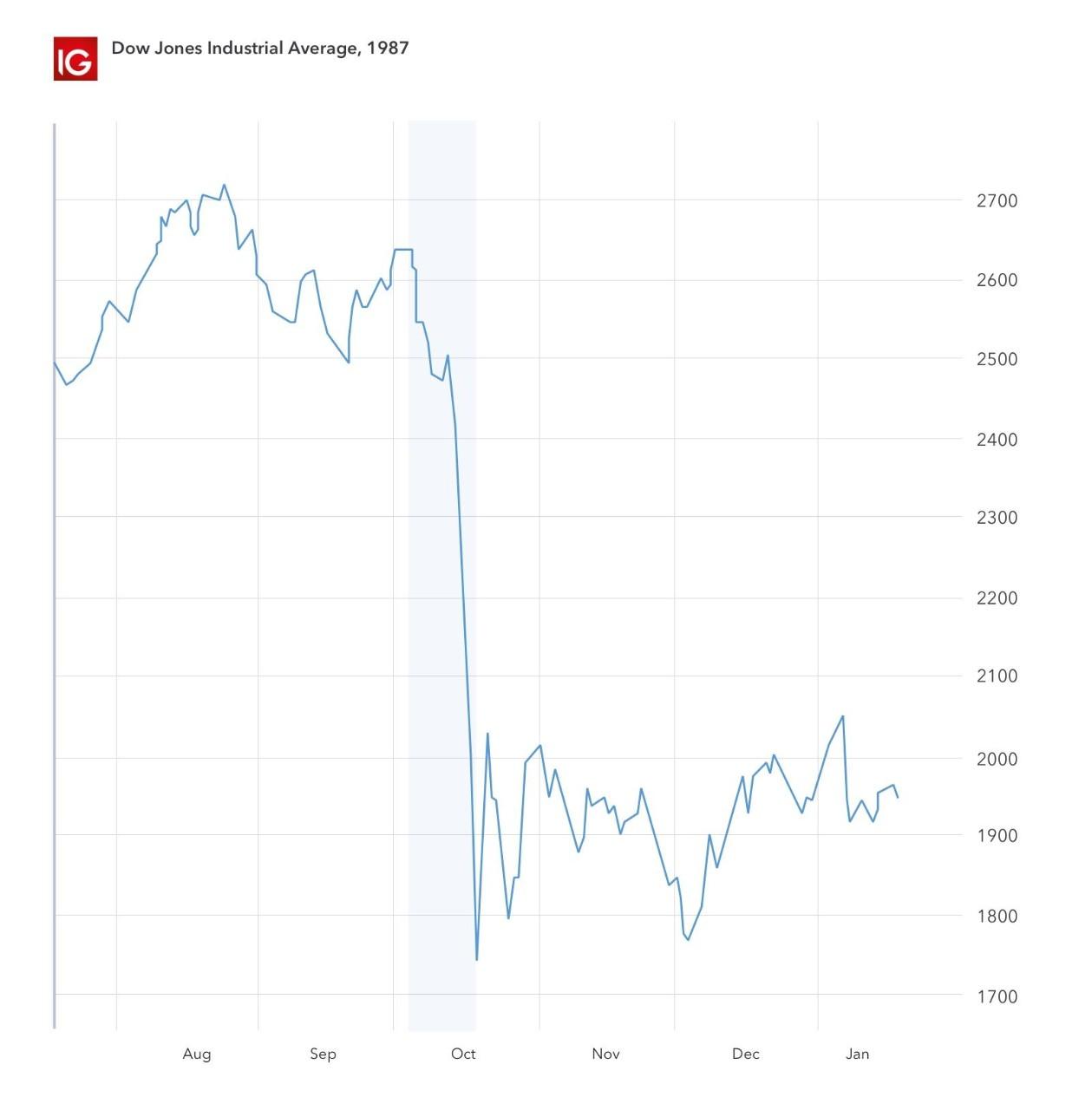
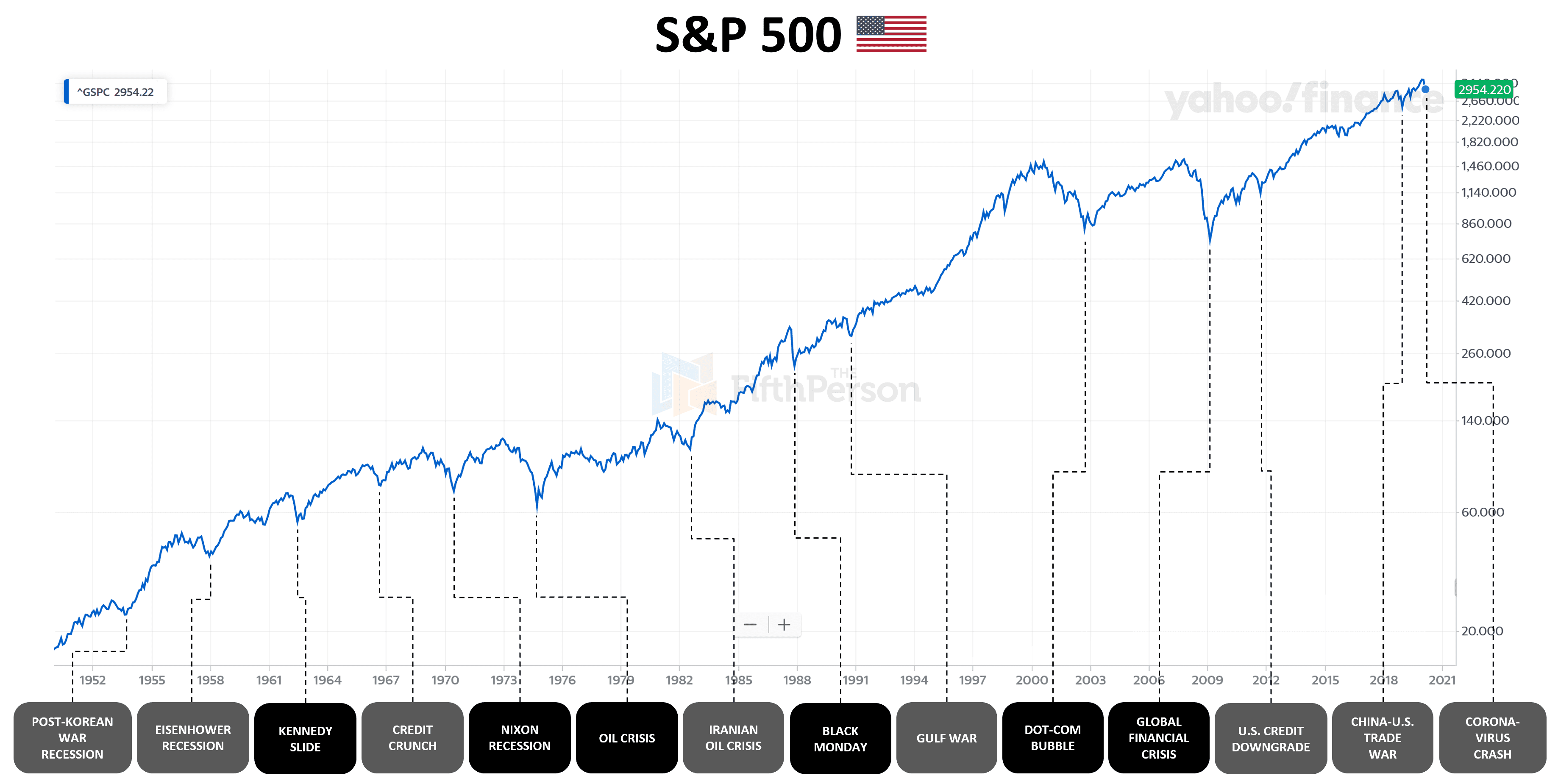
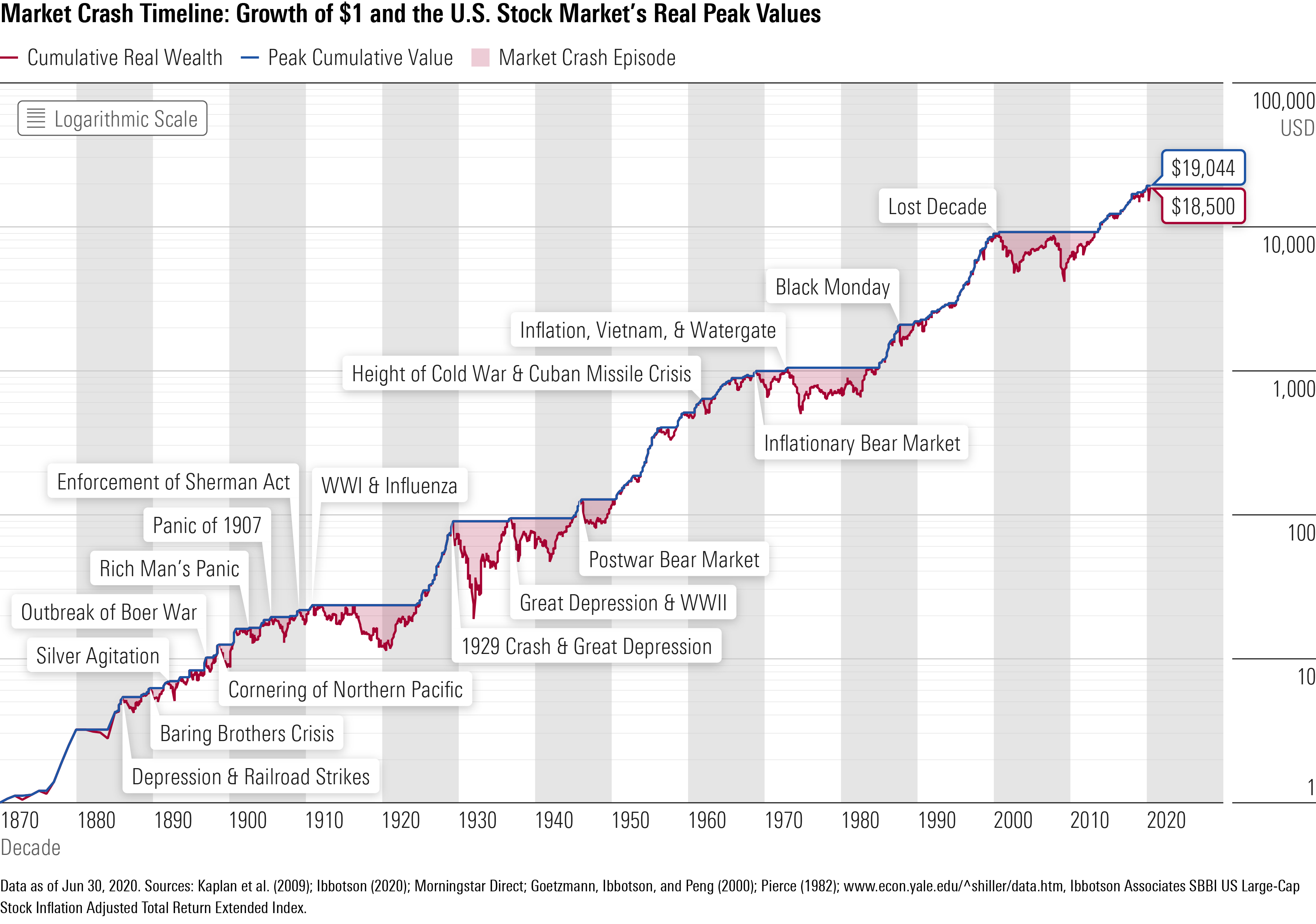
History offers a sobering yet ultimately reassuring perspective on stock market crashes. The “Black Tuesday” crash of 1929, which ushered in the Great Depression, remains the benchmark for market devastation. Other notable crashes include “Black Monday” in 1987, a single-day 22.6% drop in the Dow Jones Industrial Average; the dot-com bust of 2000; the global financial crisis of 2008-2009; and the brief but severe COVID-19 induced crash of March 2020.
What these historical events consistently demonstrate is that while crashes are painful and can take years to fully recover from, markets always recover and eventually reach new highs. The inherent resilience of capitalism, human innovation, and adaptive economic policies ensures that downturns are eventually followed by upturns. This historical pattern is the bedrock of the long-term investment philosophy, reminding investors that patience often proves to be the most valuable asset during turbulent times.
The Investor’s Playbook: Navigating the Volatility
When the market enters a period of severe decline, it’s natural for fear and uncertainty to dominate. However, a well-defined strategy, developed long before the storm hits, can be the most potent weapon in an investor’s arsenal. Successfully navigating volatility involves a combination of proactive preparedness, disciplined reaction, and astute post-crash positioning.
Pre-Crash Preparedness: Building a Robust Portfolio
The time to prepare for a crash is not during a crash, but well in advance. A robust portfolio is one built on sound principles, designed to withstand various market conditions. Diversification is perhaps the most critical component. This means spreading your investments across different asset classes (stocks, bonds, real estate, commodities), various geographies (domestic and international markets), and multiple sectors (technology, healthcare, consumer staples, financials). The goal is to avoid having all your eggs in one basket, ensuring that if one area performs poorly, others might provide a buffer.
Asset allocation tailored to your individual risk tolerance and investment horizon is equally vital. Younger investors with a longer time horizon might allocate a larger portion to growth-oriented stocks, while those nearing retirement might lean more heavily on bonds and income-generating assets. Regularly reviewing and rebalancing your portfolio to maintain your desired asset allocation helps ensure you’re not unknowingly taking on too much risk as market dynamics shift.
Finally, maintaining an emergency fund – typically 3-6 months’ worth of living expenses in a highly liquid account – is non-negotiable. This fund acts as a critical safety net, preventing you from being forced to sell investments at a loss to cover unexpected expenses during a downturn.
During the Crash: Avoiding Panic and Pitfalls
Once a crash is underway, emotions can run high. The instinct to sell everything and stop the bleeding is powerful but often leads to significant financial detriment. The cardinal rule during a crash is to avoid panic selling. Selling at the bottom locks in losses and prevents you from participating in the inevitable recovery. History shows that those who remain invested or even buy during downturns often fare much better in the long run.
For those with steady income, dollar-cost averaging becomes an even more powerful strategy during a crash. By consistently investing a fixed amount of money at regular intervals, you automatically buy more shares when prices are low and fewer when prices are high. This systematic approach takes emotion out of the equation and can significantly reduce your average cost per share over time, especially when market prices are depressed.
It’s also a good time for strategic rebalancing. If your pre-defined asset allocation dictates, a crash might mean some asset classes have fallen below their target weight. This presents an opportunity to sell relatively resilient assets (if any) and buy more of the undervalued ones, bringing your portfolio back into alignment with your risk profile.
Post-Crash Opportunities: Buying the Dip (Wisely)
While difficult to pinpoint the exact bottom, market crashes often present rare buying opportunities for patient and informed investors. Companies with strong fundamentals, solid balance sheets, and proven business models that were unfairly beaten down by market sentiment can become available at significant discounts. This is often referred to as “buying the dip.”
However, “buying the dip” must be done wisely. It’s not about indiscriminately purchasing every falling stock. Instead, focus on recognizing value. Research companies thoroughly, look for those that were profitable before the crash, have manageable debt, and whose long-term prospects remain intact despite the short-term economic headwinds. Avoid speculative “penny stocks” or companies whose business models were fundamentally broken even before the downturn. A gradual re-entry strategy, rather than trying to perfectly time the absolute bottom, is often more prudent and less stressful.
The Psychological Toll: Managing Fear and Greed
Beyond the numbers, a stock market crash is a profound psychological test. The human brain is hardwired for survival, and rapid losses trigger powerful emotional responses that can lead to irrational financial decisions. Understanding and mitigating these behavioral biases is crucial for maintaining discipline during turbulent times.
Behavioral Biases in a Downturn
Several behavioral biases become amplified during a market downturn, making sound judgment difficult. Loss aversion is perhaps the most potent; studies show that the pain of losing money is psychologically twice as powerful as the pleasure of gaining an equivalent amount. This bias drives investors to make hasty decisions to avoid further losses, often leading to selling at the worst possible time.
Herd mentality is another significant factor. As panic spreads, many investors feel compelled to follow the crowd, selling simply because everyone else is. This can create a downward spiral, divorcing asset prices from their underlying value. Confirmation bias can also play a role, where investors selectively seek out information that confirms their existing fears, reinforcing their desire to exit the market. Overcoming these deeply ingrained biases requires conscious effort and a strong commitment to a pre-defined strategy.
The Importance of a Financial Plan
This is where a well-articulated financial plan becomes indispensable. A comprehensive plan, developed during calm market periods, acts as an anchor in the storm. It outlines your investment goals, risk tolerance, asset allocation strategy, and even your planned responses to different market scenarios. By committing to this plan, you reduce the likelihood of making impulsive decisions driven by fear. Your plan serves as a roadmap, reminding you of your long-term objectives and the rationale behind your investment choices. It transforms emotional reactions into calculated, rational actions.
Seeking Professional Guidance
While self-discipline is key, sometimes the emotional weight of a crash can be overwhelming. This is when seeking professional guidance from a qualified financial advisor can be invaluable. A good advisor provides an objective, unemotional perspective. They can help you stick to your plan, reassess your risk tolerance if necessary, identify potential opportunities, and prevent you from making common mistakes driven by fear or anxiety. They act as a behavioral coach, guiding you through the psychological pitfalls of market volatility.
Beyond the Immediate Impact: Long-Term Wealth Building
While the immediate impact of a stock market crash is undoubtedly painful, focusing solely on the short-term losses obscures the bigger picture. For long-term investors, crashes are temporary setbacks within a broader upward trend, and they can even be periods of significant opportunity for those who maintain perspective.
The Power of Time in the Market
The most compelling argument for weathering market storms lies in the power of time in the market. Historical data consistently demonstrates that despite numerous corrections and crashes, the stock market has always recovered and gone on to achieve new highs over extended periods. Trying to “time the market” – selling before a crash and buying back at the bottom – is notoriously difficult and rarely successful. Most investors who attempt it end up missing out on significant recovery gains.
Instead, a strategy of patience and persistent investment allows the forces of compounding interest and economic growth to work in your favor. Each crash, while initially devastating, has ultimately proven to be a temporary dip on the long-term upward trajectory of wealth creation. Those who remain invested through the downturns are the ones who ultimately reap the rewards of the subsequent bull markets.
Rebalancing and Reassessing Goals
A market crash, while challenging, can also serve as a crucial opportunity to rebalance your portfolio and reassess your financial goals. The dramatic shifts in asset prices can throw your carefully constructed asset allocation out of whack. For instance, if stocks have plummeted, they might now represent a smaller portion of your overall portfolio than you intended. Rebalancing involves selling some of the assets that have performed relatively well (e.g., bonds) and buying more of the undervalued assets (e.g., stocks), bringing your portfolio back to your target allocation. This systematic approach ensures you’re buying low and selling high, albeit in a disciplined, automated fashion.
Furthermore, a significant market event can be a good time to reflect on your long-term objectives. Has your risk tolerance changed? Are your retirement goals still realistic? Do you need to adjust your savings rate? These reflections, prompted by market volatility, can lead to important adjustments that ultimately strengthen your financial plan.
Opportunities for Growth and Innovation
Paradoxically, market crashes can also be periods of significant growth and innovation. Economic downturns often act as a cleansing force, weeding out weaker, less efficient, or overly leveraged companies. The companies that survive and thrive through a recession are often those with strong leadership, robust business models, and the ability to adapt. These periods can also spur innovation as businesses are forced to become more efficient, find new solutions, and cater to changing consumer needs. Many successful companies today were founded or experienced significant growth during or immediately after a recession. For savvy investors, identifying these resilient, forward-thinking companies during their depressed valuations can lead to substantial long-term gains.
Building Financial Resilience: An Ongoing Commitment
Successfully navigating stock market crashes isn’t a one-time event; it’s an ongoing commitment to financial literacy, discipline, and adaptability. Building true financial resilience means not just surviving a crash, but emerging stronger and better prepared for the future.
Continuous Learning and Adaptation
The financial landscape is constantly evolving. Staying informed about economic indicators, geopolitical developments, and market trends is a crucial aspect of financial resilience. This doesn’t mean obsessively checking stock prices daily, but rather maintaining a general awareness of the factors that can influence markets. Understanding concepts like inflation, interest rates, GDP growth, and employment figures provides context for market movements. Adapting your understanding and potentially your strategy based on new information, without abandoning your core principles, is key to long-term success.
Diversifying Income Streams
While investment diversification is critical, diversifying your income streams offers an additional layer of financial resilience, particularly during economic downturns. Relying solely on a single job or a single source of income can leave you vulnerable if that source is disrupted during a recession. Exploring side hustles, developing new skills, or investing in passive income streams can provide a crucial financial buffer. Should your primary income be affected by an economic contraction or job loss, these alternative sources can help cover expenses, preventing you from being forced to liquidate investments at unfavorable times.
The Indispensable Emergency Fund
We circle back to the emergency fund because its importance cannot be overstated, especially when discussing market crashes. A robust emergency fund—ideally covering six to twelve months of essential living expenses—is your first line of defense against financial shocks. It ensures that regardless of what the stock market is doing, you have liquid cash to meet unexpected expenses, job loss, or medical emergencies. This prevents a domino effect where personal financial difficulties force you to sell your investments at a loss, exacerbating the impact of a market crash on your wealth. A well-funded emergency reserve provides peace of mind and allows your long-term investments to remain untouched, giving them the necessary time to recover.
In conclusion, stock market crashes are an inevitable, albeit challenging, feature of the investment journey. They test our discipline, challenge our resolve, and often provoke primal fears. However, by understanding their nature, meticulously preparing through diversification and asset allocation, maintaining an emergency fund, and adhering to a long-term plan, investors can not only survive these turbulent periods but also capitalize on the opportunities they present. The greatest lesson from history is not to fear crashes, but to respect them, prepare for them, and view them as temporary cycles within the powerful, enduring upward trend of wealth creation. Embrace the long game, and you will navigate the storms successfully.
aViewFromTheCave is a participant in the Amazon Services LLC Associates Program, an affiliate advertising program designed to provide a means for sites to earn advertising fees by advertising and linking to Amazon.com. Amazon, the Amazon logo, AmazonSupply, and the AmazonSupply logo are trademarks of Amazon.com, Inc. or its affiliates. As an Amazon Associate we earn affiliate commissions from qualifying purchases.