
For investors, traders, and anyone engaged with the financial world, understanding when markets are open and, critically, when they are closed, is fundamental. It’s not just about knowing when you can buy or sell; it’s about comprehending the rhythm of global finance, anticipating market behavior, and managing risk effectively. Market closures, whether for public holidays, weekends, or special circumstances, create periods of inactivity that can significantly impact trading strategies, investment decisions, and even broader economic operations. This guide delves into the specifics of market closures, explores the rationale behind them, and offers insights on how to navigate these periods professionally and insightfully.
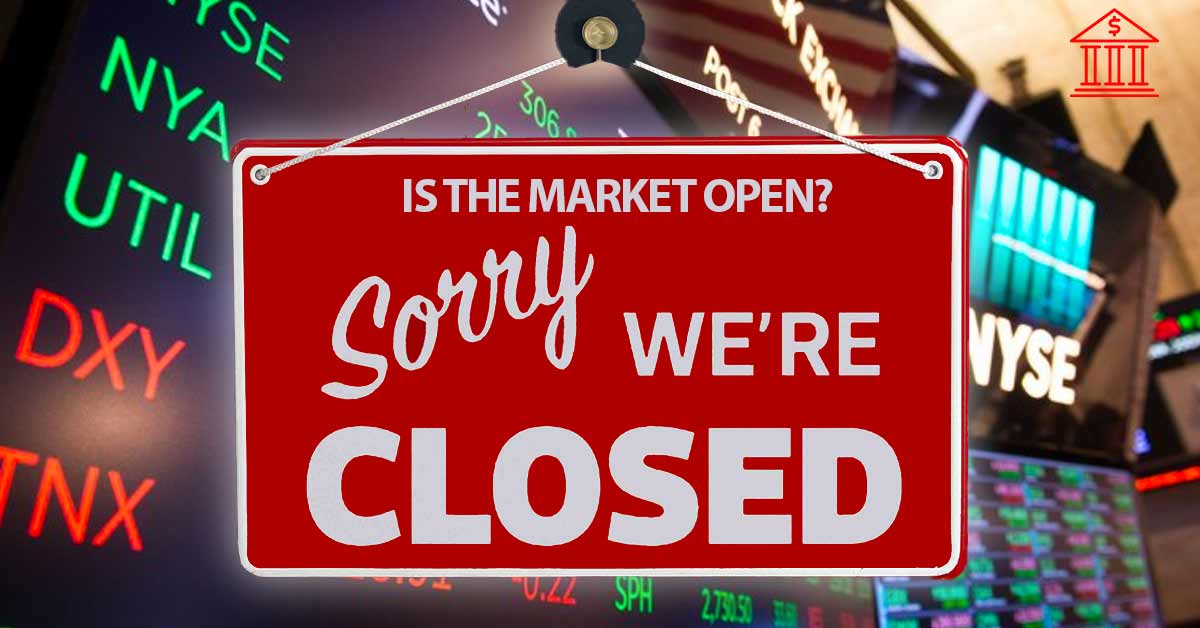
The term “market” itself can refer to a multitude of financial arenas, each with its unique operating hours and holiday schedules. While the most common reference for many retail investors is the stock market, particularly major exchanges like the New York Stock Exchange (NYSE) and Nasdaq, “the market” also encompasses bond markets, commodities markets, foreign exchange (forex) markets, and even various derivatives markets. Each of these plays a vital role in the global financial ecosystem, and their coordinated (or uncoordinated) closures can have ripple effects. Understanding these nuances is key to a well-rounded financial strategy, enabling participants to plan for liquidity shifts, potential price gaps upon reopening, and the strategic positioning of assets.
The Core of Market Operations: Standard Trading Hours
At the heart of the financial world are the standard trading hours, the periods during which exchanges are actively processing buy and sell orders. These hours are meticulously defined to ensure orderly markets, facilitate liquidity, and provide a framework for price discovery.
Equities and Stock Markets
For most individual investors in the United States, “the market” primarily refers to the major stock exchanges: the New York Stock Exchange (NYSE) and the Nasdaq Stock Market. Both typically operate on a regular schedule from 9:30 AM to 4:00 PM Eastern Time (ET), Monday through Friday. During these hours, millions of shares are traded, prices fluctuate in real-time, and market news is rapidly digested. While these are the core hours, it’s worth noting that “pre-market” and “after-hours” trading sessions also exist, allowing institutional investors and, increasingly, retail traders to execute trades outside the standard window, albeit often with lower liquidity and higher volatility. These extended hours are not considered part of the “closed” period in the traditional sense, but rather a different operational phase.
Bond Markets and Fixed Income
Bond markets, which facilitate the trading of government and corporate debt, often operate on a slightly different schedule than stock markets. While they generally follow the same Monday-to-Friday pattern, bond markets in the U.S. typically close earlier, often around 3:00 PM ET. This earlier closure is partly due to the different nature of bond trading, which is often more over-the-counter (OTC) and institutional-focused. Furthermore, bond markets sometimes observe additional holidays or early closures that don’t apply to stock markets, particularly around major U.S. government bond issues or specific financial sector observances.
Commodities and Futures Markets
Commodities markets, such as those for oil, gold, agricultural products, and various raw materials, trade on exchanges like the Chicago Mercantile Exchange (CME) Group. These markets often have unique and extended trading hours due to the global nature of commodity production and consumption. For instance, futures contracts for crude oil might trade nearly 24 hours a day for five days a week, with brief pauses for daily settlement. However, like other markets, they do observe weekend closures and specific holidays, often aligned with the underlying exchange’s location (e.g., U.S. holidays for U.S.-based exchanges). The complexity of these markets often necessitates specialized knowledge regarding their specific closure times.
Foreign Exchange (Forex) Markets: A 24/5 World
The foreign exchange (forex) market stands apart as the largest and most liquid financial market globally. Unlike stock or bond markets, forex operates on a 24-hour-a-day, five-day-a-week cycle. This continuous operation is possible because it’s a decentralized, over-the-counter market, with trading shifting from one major financial center to another as the day progresses. When the Asian markets close, European markets open, followed by North American markets, creating a seamless flow. The forex market only truly “closes” for the weekend, typically from Friday evening (e.g., 5:00 PM ET) until Sunday evening (e.g., 5:00 PM ET) when Asian markets begin their week. This near-constant activity presents both opportunities and challenges for traders, requiring different strategies for managing positions over weekend gaps.
Navigating Market Holidays: A Calendar for Investors
Beyond the regular weekend closures, financial markets observe a host of national and international holidays. These planned closures are essential to recognize, as they represent periods when trading halts, creating pauses that can influence market sentiment and asset valuations.
Major U.S. Stock Market Holidays
In the United States, the NYSE and Nasdaq adhere to a standard set of federal holidays. These typically include:
-
New Year’s Day (January 1)
-
Martin Luther King, Jr. Day (third Monday in January)
-
Washington’s Birthday / Presidents’ Day (third Monday in February)
-
Good Friday (Friday before Easter)
-
Memorial Day (last Monday in May)
-
Juneteenth National Independence Day (June 19)
-
Independence Day (July 4)
-
Labor Day (first Monday in September)
-
Thanksgiving Day (fourth Thursday in November)
-
Christmas Day (December 25)
When a holiday falls on a Saturday or Sunday, the market often observes it on the preceding Friday or following Monday. For instance, if Christmas falls on a Saturday, the market might be closed on Friday, December 24th. These closures are publicly announced well in advance, allowing investors to plan.
Understanding Bond Market Holidays
Bond markets generally observe a similar set of holidays to stock markets, but they sometimes have additional specific observances or different handling of “when-issued” trading around new government debt offerings. For example, some bond market holidays might include Columbus Day or Veterans Day, which are not typically observed by stock exchanges. It is crucial for bond investors and fixed-income professionals to consult specific bond market calendars, as slight deviations can impact settlement cycles and liquidity.
International Market Closures: A Global Perspective
For investors with diversified portfolios or those trading international equities, understanding global market closures is paramount. Every country’s stock exchange observes its own national holidays, which can range from religious festivals to national independence days. For example:
-
London Stock Exchange (LSE): Observes UK public holidays like Bank Holidays, Easter Monday, and Christmas.
-
Tokyo Stock Exchange (TSE): Observes numerous Japanese national holidays, including New Year’s, Golden Week holidays (April/May), and Respect for the Aged Day.
-
Shanghai Stock Exchange (SSE): Observes Chinese national holidays like Chinese New Year, Qingming Festival, and National Day.
These varying schedules mean that while one market is closed, others around the world might be fully operational. This continuous, albeit fragmented, global trading activity can lead to significant price movements in one region that aren’t immediately reflected in a closed market, potentially creating price gaps when that market reopens.
Early Closings and Special Schedules
Beyond full-day holidays, markets occasionally have early closings. These often occur on days immediately preceding or following a major holiday, such as the day after Thanksgiving (Black Friday) or Christmas Eve. On these days, stock markets might close at 1:00 PM ET instead of 4:00 PM ET. Bond markets might also have early closures on these days or other specific dates. These shortened trading days can still see significant activity, as investors often adjust positions ahead of longer closures. Severe weather events or extraordinary national emergencies can also lead to unscheduled closures or delayed openings, though these are rare.
Why Markets Close: Beyond Just Holidays

The decision to close financial markets is not arbitrary. There are several fundamental reasons and benefits to these planned periods of inactivity, contributing to the overall health and stability of the financial system.
Ensuring Orderly Trading and Settlement
Market closures, especially over weekends, provide a necessary pause for the complex machinery of trade settlement, clearing, and reconciliation. Securities transactions are not instantaneous; they involve a multi-day process (e.g., T+2, meaning trade date plus two business days) for ownership transfer and fund settlement. Weekends and holidays offer banks, brokerages, and clearinghouses a dedicated window to process the high volume of trades, update records, and ensure all transactions are accurately completed without the pressure of live trading. This helps maintain the integrity and reliability of the financial system.
Facilitating Back-Office Operations
Financial institutions, from large investment banks to retail brokerages, have extensive back-office operations that support front-end trading. These include compliance checks, risk management assessments, system maintenance, software updates, and regulatory reporting. Market closures provide invaluable time for these critical functions to be performed without disrupting active trading. It allows for system upgrades, security patches, and data backups that are essential for safeguarding financial infrastructure.
Economic Reporting and Data Release Considerations
Many key economic reports, such as GDP figures, inflation data, or unemployment numbers, are released at specific times, often coinciding with market openings or pre-market hours. While not a direct reason for closure, the existence of closed periods allows for a more controlled environment for the initial market reaction to such data. Moreover, some data releases might be scheduled during non-trading hours to give all market participants an equal opportunity to digest the information before trading resumes, theoretically promoting fairer and more informed price discovery.
Preventing Over-Volatility and Promoting Reflection
Continuous trading, particularly in times of extreme uncertainty or significant news, can lead to excessive volatility and irrational panic selling or buying. Market closures, even for a day or two, provide a psychological circuit breaker. They give investors and analysts time to step back, process new information, assess its implications, and formulate more considered strategies, rather than reacting impulsively. This period of reflection can help to stabilize markets and prevent knee-jerk reactions that might not be based on fundamental value.
The Investor’s Playbook: Strategies for Closed Markets
Market closures, while periods of inactivity, demand careful consideration and strategic planning from investors. Ignoring them can lead to missed opportunities or unexpected risks.
Pre-Emptive Planning and Portfolio Review
Before a significant market closure, such as a long holiday weekend, it’s prudent for investors to review their portfolios. This involves assessing current positions, checking stop-loss orders, and evaluating any potential news or economic data that might be released during the closure. Deciding whether to hold positions over the break, reduce exposure, or take profits requires careful thought, especially if there’s geopolitical uncertainty or pending corporate announcements.
Managing Open Orders and Pending Trades
Any limit orders, stop orders, or other contingent orders placed for execution during market hours will remain active but won’t be filled until the market reopens. Investors should confirm how their brokerage handles these orders during closures – whether they remain active, expire, or are cancelled. Similarly, pending withdrawals or deposits might experience delays due to banking holidays that coincide with market closures. Understanding these operational details can prevent frustration and ensure liquidity management.
Utilizing After-Hours and Pre-Market Trading (When Available)
For those who wish to maintain some level of activity during periods outside standard trading hours, pre-market and after-hours trading sessions offer an option for equities. While these sessions are not available during full market closures (like weekends or holidays), they allow some flexibility around early closings or before the main market opens. However, it’s crucial to remember that liquidity is typically lower and spreads are wider, increasing the risk of price volatility. This is particularly relevant for active traders looking to react to news released outside of regular hours.
Diversification and Global Exposure
A diversified portfolio, especially one with international exposure, can help mitigate some of the impact of localized market closures. While the U.S. market might be closed for a holiday, other major global markets could be open and active. Investing in global ETFs or international stocks provides continuous, albeit indirect, exposure to ongoing market activity worldwide. However, this also means being aware of a wider array of holiday schedules and potential currency risks.
Continuous Learning and Research
Market closures provide an excellent opportunity for continuous learning and research. Without the day-to-day distractions of live trading, investors can use this time to delve into fundamental analysis, study technical charts, read financial news, explore new investment opportunities, or refine their long-term strategies. Staying informed and educated is a year-round endeavor, and pauses in trading activity are perfect for sharpening one’s financial acumen.
Beyond Traditional Markets: Other Financial Closures
While the focus is often on stock and bond markets, other financial systems also experience closures that can impact businesses and personal finance.
Banking Holidays and Their Impact
Banking holidays, typically aligned with federal holidays, mean that traditional banks are closed for transactions. While digital banking and ATMs allow for some continuous activity, certain services like wire transfers, branch visits, and check processing may be unavailable or delayed. This can impact business payroll, bill payments, and the settlement of large financial transactions, requiring careful planning around holiday schedules.
Cryptocurrency Markets: The Ever-Open Exception
In stark contrast to traditional financial markets, cryptocurrency markets operate 24 hours a day, 7 days a week, 365 days a year. There are no official “market closed” periods for Bitcoin, Ethereum, or thousands of other digital assets. This continuous liquidity and trading opportunity represent a significant paradigm shift, offering both constant access and constant exposure to volatility, without the circuit breakers of traditional market closures.

Implications for Business Finance and Payroll
For businesses, market and banking closures have direct implications for cash flow management, payroll processing, and vendor payments. Planning for these dates is critical to avoid late payments, ensure employees are paid on time, and manage working capital effectively. Financial tools and robust accounting practices often incorporate these holiday schedules to streamline operations and minimize disruptions.
In conclusion, understanding “when is the market closed” goes far beyond memorizing a list of holidays. It’s about recognizing the intricate ballet of global finance, appreciating the systemic reasons behind these pauses, and strategically adapting one’s financial activities to navigate both open and closed periods with foresight and intelligence. For any serious participant in the financial world, mastering this knowledge is not just an advantage, but a necessity.
aViewFromTheCave is a participant in the Amazon Services LLC Associates Program, an affiliate advertising program designed to provide a means for sites to earn advertising fees by advertising and linking to Amazon.com. Amazon, the Amazon logo, AmazonSupply, and the AmazonSupply logo are trademarks of Amazon.com, Inc. or its affiliates. As an Amazon Associate we earn affiliate commissions from qualifying purchases.