
Understanding the precise operating hours of global financial markets is not merely a logistical detail for investors; it’s a critical component of successful trading strategy, risk management, and overall market engagement. From the bustling floors of stock exchanges to the high-speed electronic networks that power modern finance, each market segment adheres to a specific timetable. This article delves into the intricacies of trading hours across various asset classes and geographical regions, providing an insightful guide for both novice and experienced participants in the world of money.
Understanding Standard Trading Hours Across Major Markets
The backbone of traditional investing lies in equity markets, which typically operate within defined daily windows. These hours are crucial, as they dictate periods of highest liquidity, price discovery, and trading activity.
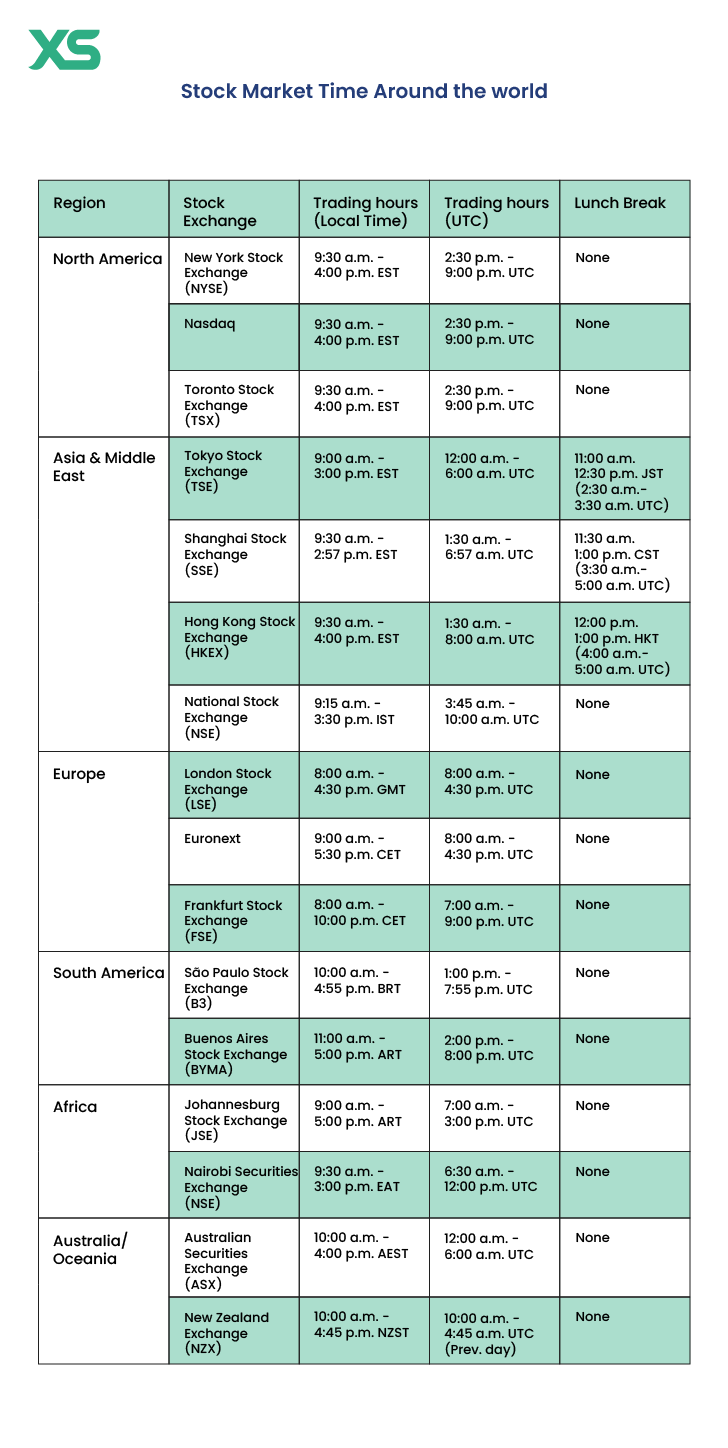
North American Markets: NYSE and Nasdaq
The United States boasts two of the world’s largest and most influential stock exchanges: the New York Stock Exchange (NYSE) and the Nasdaq Stock Market. Both exchanges follow remarkably similar standard trading hours:
-
Regular Session: 9:30 AM to 4:00 PM Eastern Time (ET), Monday through Friday. This 6.5-hour window is when the vast majority of trading volume occurs and when market makers are most active, ensuring high liquidity and tighter bid-ask spreads.
-
Pre-Market Trading: For those eager to react to overnight news or economic data, trading typically commences as early as 4:00 AM ET and runs until the market open at 9:30 AM ET. While offering early access, pre-market sessions often feature lower liquidity and wider spreads, making price movements potentially more volatile and order execution less certain.
-
After-Hours Trading: Following the regular market close, trading can continue, usually from 4:00 PM ET until 8:00 PM ET. Similar to pre-market, after-hours sessions are characterized by reduced liquidity and can be significantly impacted by earnings announcements or late-breaking news, often leading to substantial price swings for individual stocks.
It’s also vital to remember that U.S. markets observe several federal holidays, during which they are closed entirely, or may have early closures on days preceding holidays. These dates are published well in advance by the exchanges.
European Markets: London, Frankfurt, Paris
Europe hosts several major financial hubs, each with its own distinct trading hours, often influenced by local time zones and cultural practices.
-
London Stock Exchange (LSE): Located in Greenwich Mean Time (GMT), the LSE operates from 8:00 AM to 4:30 PM GMT. As one of the world’s oldest and largest exchanges, its hours often overlap significantly with Asian market closes and North American market opens, making it a critical bridge in global trading.
-
Deutsche Börse (Frankfurt): The Xetra electronic trading system for the Frankfurt Stock Exchange runs from 9:00 AM to 5:30 PM Central European Time (CET). Germany’s economic powerhouse status ensures high activity within these hours.
-
Euronext (Paris, Amsterdam, Brussels, Lisbon, Dublin, Oslo, Milan): As a pan-European exchange, Euronext consolidates trading across several national markets. For instance, Euronext Paris typically operates from 9:00 AM to 5:30 PM CET.
European markets also adjust for Daylight Saving Time, which can shift their opening and closing times relative to other global markets for a few weeks each spring and fall. Like their U.S. counterparts, they observe national holidays, which can vary by country.
Asian Markets: Tokyo, Shanghai, Hong Kong
Asia’s financial markets kick off the global trading day, often providing the first reactions to overnight news from the West. Their operating hours present unique considerations due to significant time differences and, in some cases, mid-day breaks.
-
Tokyo Stock Exchange (TSE): Operating in Japan Standard Time (JST), the TSE has two sessions: 9:00 AM to 11:30 AM JST, followed by a lunch break, and then 12:30 PM to 3:00 PM JST. This lunch break is a distinctive feature not commonly found in Western equity markets.
-
Shanghai Stock Exchange (SSE) and Shenzhen Stock Exchange (SZSE): China’s mainland exchanges operate from 9:30 AM to 11:30 AM China Standard Time (CST), followed by a lunch break, and then 1:00 PM to 3:00 PM CST. Access for foreign investors is primarily through specific programs like Stock Connect.
-
Hong Kong Stock Exchange (HKEX): Positioned strategically between mainland China and international markets, the HKEX operates from 9:30 AM to 12:00 PM HKT, with a lunch break, then 1:00 PM to 4:00 PM HKT. Its deep liquidity and open capital account make it a key player in the Asian financial landscape.
The early opening of Asian markets means they are often setting the tone for the trading day in Europe and the Americas, particularly when significant economic data or geopolitical events unfold outside of Western trading hours.
Beyond Standard Equity Hours: Other Asset Classes
While equities have defined daily windows, other financial markets operate on different schedules, presenting a diverse landscape of trading opportunities and challenges.
Forex Market: A 24/5 Global Operation
The foreign exchange (Forex or FX) market stands apart as the largest and most liquid financial market globally, distinguished by its near-continuous operation.
-
Continuous Trading: Unlike stock markets, the Forex market does not have a single “open” or “close” time. Instead, it operates 24 hours a day, five days a week, starting Sunday evening (ET) and running until Friday afternoon (ET). This non-stop nature is possible because currency trading is decentralized and conducted electronically over-the-counter (OTC) through a global network of banks, financial institutions, and brokers.
-
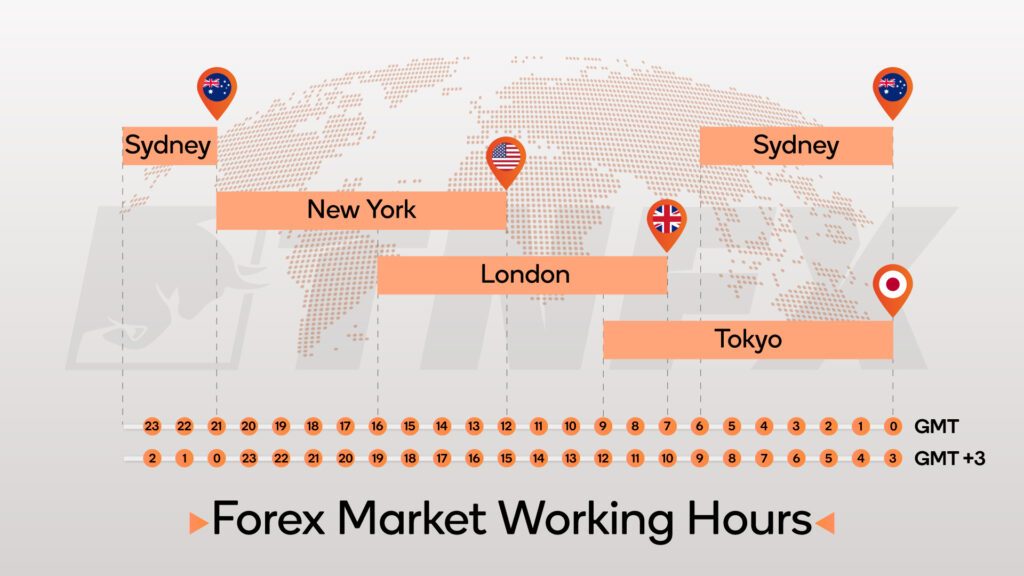
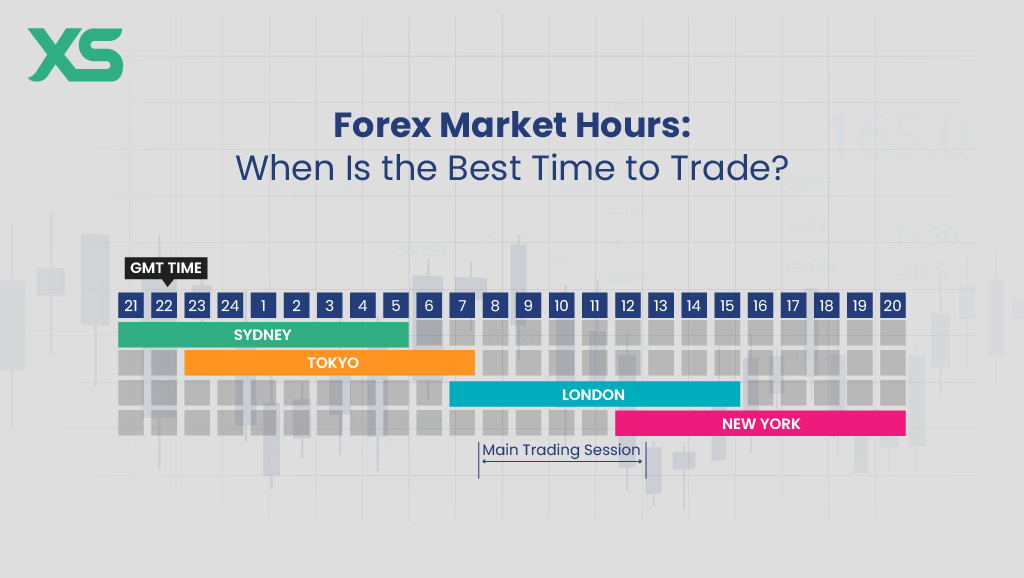
Major Trading Sessions: The 24-hour cycle is typically broken down into four major trading sessions, each associated with a primary financial center:
-
Sydney Session: Kicks off the week (Sunday evening ET).
-
Tokyo Session: Overlaps with Sydney, bringing Asian liquidity.
-
London Session: The busiest and most liquid session, overlapping significantly with Tokyo and the start of the New York session.
-
New York Session: Overlaps with London, bringing the trading week to a close on Friday afternoon ET.
-
The overlap between these sessions, particularly the London and New York sessions, often sees the highest trading volumes and volatility, as major economic news from both Europe and North America can converge. The 24/5 nature provides unparalleled flexibility but also requires traders to manage potential overnight risk diligently.
Commodity Markets: Futures and Options
Commodity markets, which include trading in energy (oil, natural gas), metals (gold, silver, copper), agricultural products (wheat, corn, soybeans), and livestock, often involve futures and options contracts traded on specialized exchanges.
-
Extended Hours: Exchanges like the CME Group (Chicago Mercantile Exchange) and ICE (Intercontinental Exchange) host the majority of commodity futures trading. These markets typically offer extended electronic trading hours, far exceeding traditional equity market hours. For instance, many agricultural futures on the CME GLOBEX platform trade from Sunday evening through Friday afternoon, with only short breaks. Energy products like crude oil futures (WTI) can also be traded for nearly 24 hours a day, five days a week, reflecting their global supply and demand dynamics.
-
Electronic Trading Dominance: While historically some commodities were traded in physical “pits,” electronic trading now dominates, enabling these extensive hours. Knowing these schedules is crucial for traders responding to geopolitical events, weather patterns, or supply chain disruptions that can occur at any time.
Cryptocurrency Markets: The 24/7/365 Phenomenon
The newest frontier in financial markets, cryptocurrencies, has introduced a truly continuous trading environment.
-
Uninterrupted Access: Unlike any other traditional asset class, cryptocurrency markets operate 24 hours a day, seven days a week, 365 days a year. There are no opening or closing bells, no weekend breaks, and no holiday closures. This perpetual market reflects the decentralized, global, and always-on nature of blockchain technology.
-
Implications for Volatility and Accessibility: This constant availability means that significant price movements can occur at any hour, day or night, making these markets highly volatile. For traders, this offers continuous opportunities but also necessitates constant monitoring or sophisticated automated trading strategies. The lack of traditional “market hours” also means that news events or regulatory announcements can impact prices instantaneously, without waiting for a market open.
The Significance of Pre-Market and After-Hours Trading
While the regular trading session captures the most attention, the periods immediately before and after market open, known as pre-market and after-hours trading, hold significant strategic implications, particularly for equity investors.
Opportunities and Risks
Pre-market and after-hours sessions are distinct from regular trading due to several key characteristics:
-
Catalyst for Opportunity: These extended hours often serve as a crucible for price discovery following new information. Earnings reports, analyst upgrades/downgrades, major news announcements, or economic data releases frequently occur outside standard market hours. Savvy traders can use these sessions to react quickly, potentially capitalizing on immediate price movements. For example, a company beating earnings expectations might see its stock jump in after-hours trading before the next day’s open.
-
Lower Liquidity and Wider Spreads: The primary challenge and risk of extended-hours trading stem from significantly lower trading volume. Fewer participants mean less liquidity, which can lead to wider bid-ask spreads. This makes it harder to execute large orders without impacting the price and can result in less favorable entry or exit prices compared to the regular session. A seemingly small move on low volume can be misleading.
-
Increased Volatility: With thinner order books, even relatively small orders can cause disproportionately large price swings. This heightened volatility, while offering potential for quick gains, also presents magnified risks. Prices established during extended hours may not hold once the full market opens and liquidity returns.
-
Access Requirements: Access to pre-market and after-hours trading typically requires a brokerage account that supports these features. Investors also need to use specific order types, such as “limit orders,” which specify the maximum or minimum price at which they are willing to buy or sell, to protect against adverse price movements in illiquid conditions.
Impact on Investor Strategy
The existence of extended trading hours influences different types of investors in varied ways:
-
Active Traders and Day Traders: These market participants often monitor pre-market and after-hours activity closely. They may use these sessions to gauge market sentiment, identify potential trading opportunities for the upcoming regular session, or even execute trades to capitalize on immediate news reactions. However, they must be acutely aware of the liquidity and volatility risks.
-
Long-Term Investors: While long-term investors generally focus on fundamental analysis and multi-year horizons, they can still benefit from monitoring extended-hours activity. Significant price gaps up or down in pre-market due to major news can signal a fundamental shift or provide an opportunity to reconsider a position. However, these investors are less likely to actively trade during these sessions, prioritizing price stability and deeper liquidity. Extended hours can provide an early warning system for events that might affect their portfolio.
Time Zones, Holidays, and Market Disruptions
Navigating the global financial landscape requires more than just knowing individual market hours; it demands an understanding of how these schedules interact, how holidays affect them, and what happens during unforeseen disruptions.
Navigating Global Time Differences
The synchronized yet geographically dispersed nature of financial markets means that time zones are a constant consideration.
-
Accurate Conversions: For anyone trading across borders or simply monitoring global events, the ability to accurately convert local market times to one’s own time zone is paramount. A 9:00 AM open in Tokyo is vastly different from a 9:00 AM open in London or New York. Tools like online time zone converters, dedicated trading platforms with multi-market clocks, and market calendars are indispensable for global traders.
-
Overlapping Sessions: Strategic traders often seek to identify and capitalize on overlapping trading sessions, particularly in the Forex market (e.g., London and New York overlap), where liquidity and volatility tend to be highest. For equity traders, understanding when a major market in one region closes and another opens helps in anticipating flows and potential price movements.
Public Holidays and Their Impact
Unlike the 24/7 crypto market, traditional exchanges observe a variety of public holidays, leading to full closures or reduced trading hours.
-
Scheduled Closures: Major national holidays (e.g., Christmas, New Year’s Day, Thanksgiving in the U.S., national day holidays in other countries) result in complete market closures. Exchanges publish these holiday schedules months, sometimes a year, in advance.
-
Early Closures: It’s common for markets to have shortened trading days (e.g., closing at 1:00 PM ET instead of 4:00 PM ET) on days preceding major holidays, such as the day before Christmas or July 4th.
-
Impact on Liquidity: Trading volume and liquidity typically thin out significantly around holiday periods, even on days leading up to and immediately following closures. This reduced liquidity can lead to higher volatility and less predictable price movements, as fewer participants are active. Traders need to be mindful of these periods and adjust their strategies accordingly, perhaps reducing position sizes or avoiding initiating new trades.
Unexpected Closures and Circuit Breakers
While most market closures are planned, unforeseen events and mechanisms for extreme volatility can also halt trading.
-
Circuit Breakers: Stock exchanges implement “circuit breaker” rules designed to temporarily halt trading during periods of extreme market-wide volatility. These automatic brakes are triggered when major stock indexes (like the S&P 500) fall by a predetermined percentage (e.g., 7%, 13%, 20%) within a single trading day. The duration of the halt increases with the severity of the decline, with a 20% drop typically leading to a market-wide closure for the remainder of the day. These mechanisms are in place to allow investors to pause, reassess information, and prevent panic selling from spiraling out of control.
-
Government Interventions and Natural Disasters: Rarely, markets may close unexpectedly due to government directives, national emergencies, or natural disasters that prevent operations (e.g., severe weather causing physical closures, cyberattacks). These are exceptional circumstances but underscore the vulnerability of physical and digital infrastructure.
Strategic Implications for Different Investor Types
The understanding of market opening and closing times, along with extended hours and holidays, is not uniform in its impact. Different investor profiles leverage or are affected by these schedules in distinct ways.
Day Traders and Active Investors
For day traders and other active investors who aim to profit from short-term price movements, market open and close are pivotal moments:
-
Volatility Spikes: The first and last hours of the regular trading session, often referred to as “power hours,” typically exhibit the highest volatility and volume. Day traders thrive on this volatility, as it creates opportunities for rapid price swings. They often employ strategies specifically tailored to exploit the “opening bell” and “closing bell” dynamics, such as fading the open or riding early momentum.
-
Strategy Adjustments: Knowing these high-activity periods allows active traders to adjust their risk exposure, position sizing, and order types. They might increase their trading activity during these windows and reduce it during quieter mid-day lulls, or conversely, seek out less liquid periods for specific types of trades that require less competition. Monitoring pre-market and after-hours news is also critical for them to anticipate opening gaps and devise pre-market strategies.
Long-Term Investors
Long-term investors, whose focus lies on fundamental value, company performance, and multi-year growth, are less tethered to the minute-by-minute fluctuations of market open and close:
-
Focus on Fundamentals: For these investors, the exact opening and closing times are less about execution strategy and more about understanding the broader context. While they might receive alerts about significant price movements after hours or at the open, their decisions are typically based on a company’s long-term prospects, economic trends, and valuation, rather than intra-day volatility.
-
Awareness, Not Engagement: Long-term investors are generally aware of market hours to know when their orders will be executed (if placed outside market hours) and when to expect major news. However, they are unlikely to be actively trading during pre-market or after-hours, preferring to execute trades during regular market hours when liquidity is highest and prices are more stable, reducing the risk of unfavorable fills.
International Investors
Investors engaging with markets across different geographical regions face unique challenges and opportunities related to diverse trading schedules:
-
Managing Time Zone Overlaps: International investors must meticulously manage time zone differences to participate in their target markets. This often means trading during what might be their own evening or early morning hours, requiring discipline and adaptability.
-
Overnight Risk: When investing in foreign markets, a significant portion of the trading day occurs while the investor’s local markets are closed. This creates “overnight risk,” where major news or events can impact foreign holdings while the investor is not actively monitoring or able to react.
-
Diversification Strategy: Understanding the global staggered opening and closing times also plays into diversification strategies. By investing in markets that open and close at different times, an international investor can spread their exposure across a continuous stream of market activity, potentially mitigating some risks and capturing opportunities throughout the 24-hour cycle.
Conclusion
The question “When does the trading market open?” unveils a multifaceted landscape of global financial operations. From the rigid 9:30 AM to 4:00 PM ET of the NYSE to the non-stop flow of the Forex and cryptocurrency markets, each asset class and geographical region adheres to schedules that dictate liquidity, volatility, and strategic opportunities.
For any participant in the financial world, a comprehensive understanding of these timings – including standard hours, extended sessions, holiday closures, and the implications of time zones – is indispensable. It’s not just about knowing what to trade, but critically, when and where to engage. By mastering this fundamental aspect of market mechanics, investors can better inform their decisions, manage risk, and position themselves for success in the ever-dynamic global economy. The markets never truly sleep; they simply shift their focus, inviting those who understand their rhythm to participate in the continuous pursuit of financial growth.
aViewFromTheCave is a participant in the Amazon Services LLC Associates Program, an affiliate advertising program designed to provide a means for sites to earn advertising fees by advertising and linking to Amazon.com. Amazon, the Amazon logo, AmazonSupply, and the AmazonSupply logo are trademarks of Amazon.com, Inc. or its affiliates. As an Amazon Associate we earn affiliate commissions from qualifying purchases.