
For investors, understanding market hours is as crucial as knowing the fundamentals of the stocks they trade. The global nature of finance, coupled with distinct time zones, often leads to confusion, especially for those operating outside the primary Eastern Time (ET) zone where the major U.S. stock exchanges are located. If you’re on the West Coast, specifically in the Pacific Time (PT) zone, mastering the timing of market open and close can significantly impact your trading decisions and overall financial strategy. This article will demystify the U.S. stock market hours for Pacific Time investors, delving into not just the standard trading day but also the often-overlooked pre-market and after-hours sessions, and the strategic implications of operating from this unique time zone.
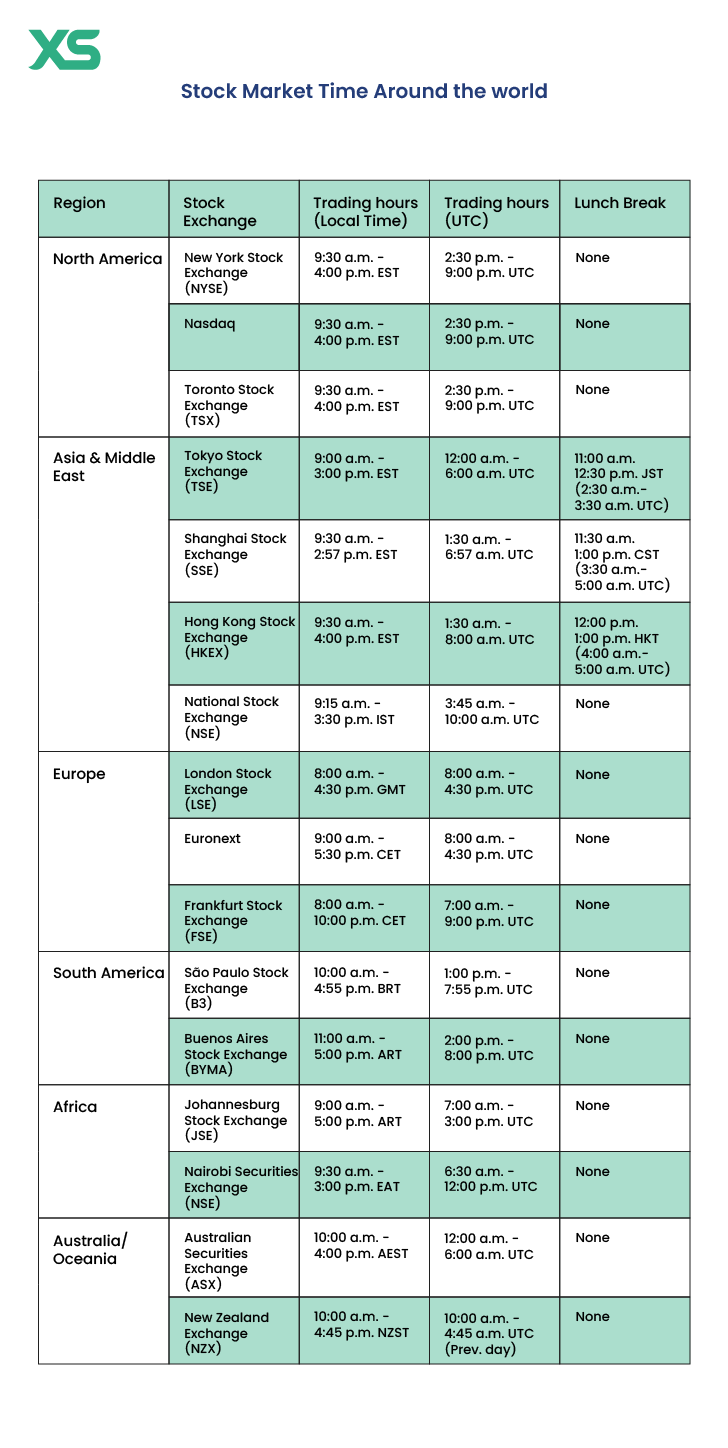
Understanding Standard Stock Market Hours for Pacific Time
The bedrock of U.S. equity trading rests with two primary exchanges: the New York Stock Exchange (NYSE) and the NASDAQ. Both are headquartered in New York City, and consequently, their official trading hours adhere to Eastern Time. Translating these hours correctly into Pacific Time is the first step for any West Coast investor looking to actively participate in the market.
The Core Trading Session: Eastern Time Perspective
The standard, official trading session for both the NYSE and NASDAQ runs from 9:30 AM ET to 4:00 PM ET, Monday through Friday. This seven-and-a-half-hour window is when the vast majority of trading volume occurs, characterized by high liquidity and typically tighter bid-ask spreads. It’s the period often highlighted in financial news and when most casual investors believe the “stock market” is open. During these hours, institutional investors, professional traders, and individual investors alike are actively buying and selling, reacting to news, economic reports, and company-specific announcements. This period reflects the most accurate and dynamic pricing for publicly traded securities.
Translating to Pacific Time: Your Trading Window
For anyone located in the Pacific Time Zone, these hours shift significantly. The official U.S. stock market opens at 6:30 AM PT and closes at 1:00 PM PT. This means that your trading day starts quite early, aligning with the East Coast’s morning rush, and concludes shortly after lunch. This early start demands a certain discipline from PT investors, requiring them to be ready to analyze market movements and execute trades while many others on the West Coast are just beginning their day. The early closure also means that a significant portion of the typical American workday for PT individuals extends beyond the stock market’s official close, influencing when they can actively monitor their portfolios or react to late-breaking news.
Why These Hours Matter for Liquidity and Volatility
The standard trading session is crucial because it offers the highest levels of liquidity. This means there are ample buyers and sellers, allowing for efficient execution of trades with minimal price impact. High liquidity also generally leads to lower volatility, as large orders are absorbed more easily. Conversely, the market open (6:30 AM PT) often sees a surge in activity and volatility as investors react to overnight news, pre-market developments, and earnings reports released before the bell. Similarly, the market close (1:00 PM PT) can also experience increased volume and volatility as traders rush to close positions or execute last-minute orders. Understanding these dynamics is vital for effective risk management and maximizing trading opportunities.
Beyond Regular Hours: Pre-Market and After-Hours Trading
While the core trading session defines the official market day, the advent of electronic trading has significantly expanded the period during which investors can buy and sell stocks. These extended hours — specifically pre-market and after-hours trading — offer both opportunities and unique challenges for Pacific Time investors.
The Dynamics of Pre-Market Trading
Pre-market trading refers to the period before the official market open. While specific hours can vary slightly depending on the brokerage firm, it typically runs from 4:00 AM ET to 9:30 AM ET. For Pacific Time investors, this translates to an early start, beginning at 1:00 AM PT and concluding at 6:30 AM PT when the regular session begins. This window is primarily driven by institutional investors and day traders looking to react to overnight news, global market movements, and earnings reports released before the market officially opens. Key characteristics of pre-market trading include lower liquidity and higher volatility compared to the regular session. With fewer participants, large orders can have a disproportionate impact on stock prices, leading to wider bid-ask spreads and potentially less favorable execution prices. However, it also offers the advantage of being able to act on significant news before the wider market reacts.
Navigating After-Hours Sessions
After-hours trading picks up where the regular session leaves off, typically running from 4:00 PM ET to 8:00 PM ET. For Pacific Time investors, this means the after-hours session runs from 1:00 PM PT to 5:00 PM PT. This period is often used by investors to react to company earnings announcements, analyst upgrades or downgrades, and other market-moving news that frequently breaks immediately after the market closes. Similar to pre-market trading, after-hours sessions generally suffer from lower liquidity and higher volatility. The reduced trading volume can make it difficult to execute trades at desired prices, and large price swings are common. Despite these challenges, after-hours trading provides flexibility for those who cannot participate during the regular session or for those who need to respond quickly to unfolding events.
Risks and Opportunities in Extended Hours
Participating in pre-market and after-hours trading from the Pacific Time Zone requires a keen awareness of the associated risks and opportunities. The primary advantage is the ability to react quickly to news and market developments, potentially getting ahead of the crowd. For instance, a positive earnings surprise announced at 4:30 PM ET (1:30 PM PT) might allow an investor to buy shares before the regular market opens the next day, potentially capitalizing on an initial price surge.

However, the risks are significant. Lower liquidity can lead to substantial price gaps and slippage, meaning your trade might execute at a price far from what you intended. The increased volatility can also lead to rapid, unpredictable price movements, making stop-loss orders less effective. Furthermore, many brokerages offer limited functionality for extended-hours trading, such as only accepting limit orders. For Pacific Time investors, these sessions can feel somewhat isolated, happening before the sun rises or after the regular market has long since closed, demanding a dedicated and informed approach.
Why Market Hours Matter: Strategic Considerations for Investors
Understanding the nuances of market hours extends beyond simply knowing when you can place an order. It forms a critical component of an investor’s strategy, particularly for those managing their portfolios from the Pacific Time Zone. The timing of market activity dictates when opportunities arise, when risks are heightened, and when strategic decisions are best made.
Maximizing Opportunity and Minimizing Risk
The initial hours of the regular trading session (6:30 AM PT to roughly 8:30 AM PT) often present the most significant volatility and volume spikes. This period, driven by overnight news, economic data releases, and pre-market activity, can offer substantial opportunities for day traders and active investors. However, it also carries increased risk due to rapid price swings. For long-term investors, this early window might be when they execute limit orders or analyze how their portfolio is reacting to broader market sentiment. Conversely, the quieter mid-day hours (roughly 9:00 AM PT to 11:30 AM PT) often feature lower volatility, which can be ideal for executing larger trades with less price impact, or for conducting research and planning. The final hour of trading (12:00 PM PT to 1:00 PM PT) can again see a surge in activity as institutional investors rebalance portfolios or close positions, presenting another period of heightened opportunity or risk.
The Impact of Economic Data Releases
Many critical economic reports, such as inflation data (CPI), employment figures (Non-Farm Payrolls), and GDP estimates, are released before the market open, typically at 8:30 AM ET. For Pacific Time investors, this means these market-moving announcements hit the wires at 5:30 AM PT. This early release time places PT investors in a unique position: they have a full hour before the market officially opens to digest and react to this information. This can be an advantage, allowing for considered decisions before the broader market frenzy begins. However, it also means that the initial market reaction, often seen in pre-market futures trading, starts even earlier, requiring vigilance and readiness to act even before the regular market opens. Missing these early data releases can lead to being caught off guard when the market officially opens.
Adapting Your Lifestyle and Trading Routine
Operating from the Pacific Time Zone requires a disciplined approach to investing. The early market open at 6:30 AM PT means that investors who want to actively monitor and react to market developments need to adjust their daily routines. This might involve waking up earlier, consuming financial news and analysis before their workday officially begins, or dedicating specific hours of their morning to market-related activities. For those with traditional 9-to-5 jobs (in PT), the market close at 1:00 PM PT means that much of their post-lunch workday occurs outside of live trading hours, necessitating reliance on after-hours trading or careful planning for the next morning. Developing a consistent trading routine that respects your personal and professional commitments while aligning with market hours is crucial for sustained success and managing potential burnout.
Optimizing Your Trading Strategy from the Pacific Time Zone
Successfully navigating the stock market from the Pacific Time Zone involves more than just a time zone conversion; it demands a proactive and adaptable strategy tailored to the unique challenges and opportunities presented by your geographical location.
Leveraging the Time Difference Strategically
While the early market open can be demanding, it also presents distinct advantages. Pacific Time investors are among the first to react to the day’s events, which unfold overnight or early in the morning ET. This allows for a period of focused analysis before the broader market is fully engaged. You can use this time (from 5:30 AM PT when major economic data drops, to 6:30 AM PT market open) to assess pre-market sentiment, review news, and formulate your strategy for the day. This early window can provide a calmer environment for decision-making before the typical rush and increased volatility of the market open. Moreover, the early close at 1:00 PM PT means that your active trading day finishes relatively early, freeing up your afternoon for other activities, research, or planning for the next market day.
Essential Tools and Habits for PT Investors
To thrive as a PT investor, leveraging technology and adopting specific habits are paramount.
-
Real-time News and Alerts: Set up alerts for key economic data releases, company earnings, and market-moving news. Many financial news outlets and brokerage platforms offer customizable alert services. This ensures you’re informed even if you’re not constantly glued to your screen during the early hours.
-
Advanced Order Types: Utilize limit orders, stop-loss orders, and other conditional orders to manage risk and execute trades at desired prices, especially during volatile periods or when you cannot actively monitor the market. These are particularly important for extended-hours trading where liquidity is lower.
-
Reliable Brokerage Platform: Ensure your chosen brokerage platform offers robust pre-market and after-hours trading capabilities, along with reliable data feeds and quick order execution.
-
Pre-Market Analysis Routine: Develop a consistent routine for checking futures markets, global indices, and key news before 6:30 AM PT. This preparation will set the tone for your trading day.
-
Discipline and Self-Care: The early start can be taxing. Prioritize sleep, breaks, and avoid overtrading. A well-rested mind makes better decisions.

The Importance of a Trading Plan and Adaptability
Regardless of your time zone, a well-defined trading plan is fundamental. For Pacific Time investors, this plan must explicitly incorporate the unique timing of market hours. It should outline your entry and exit strategies, risk management parameters, and how you will respond to different market scenarios both during regular hours and extended sessions. Crucially, your plan must also be adaptable. Market conditions are constantly evolving, and your ability to adjust your strategy in response to changing volatility, liquidity, and news flows, particularly with the time zone in mind, will be a key determinant of your long-term success.
In conclusion, while the stock market’s core operations are anchored in Eastern Time, Pacific Time investors have a distinct vantage point. By understanding the exact conversion of market hours, embracing the opportunities and risks of extended trading sessions, and adopting a disciplined, technology-aided approach, investors on the West Coast can not only participate effectively but also strategically optimize their engagement with the dynamic world of financial markets.
aViewFromTheCave is a participant in the Amazon Services LLC Associates Program, an affiliate advertising program designed to provide a means for sites to earn advertising fees by advertising and linking to Amazon.com. Amazon, the Amazon logo, AmazonSupply, and the AmazonSupply logo are trademarks of Amazon.com, Inc. or its affiliates. As an Amazon Associate we earn affiliate commissions from qualifying purchases.