
For investors living in the Central Time Zone, the rhythm of the financial world is dictated by a clock that sits one hour behind the traditional heartbeat of Wall Street. While news broadcasts and financial tickers often shout about the 9:30 AM opening bell, for those in cities like Chicago, Dallas, or New Orleans, the reality of the trading day begins at 8:30 AM. Understanding these nuances is not merely a matter of setting an alarm; it is a fundamental component of strategic trade execution, liquidity management, and risk mitigation.
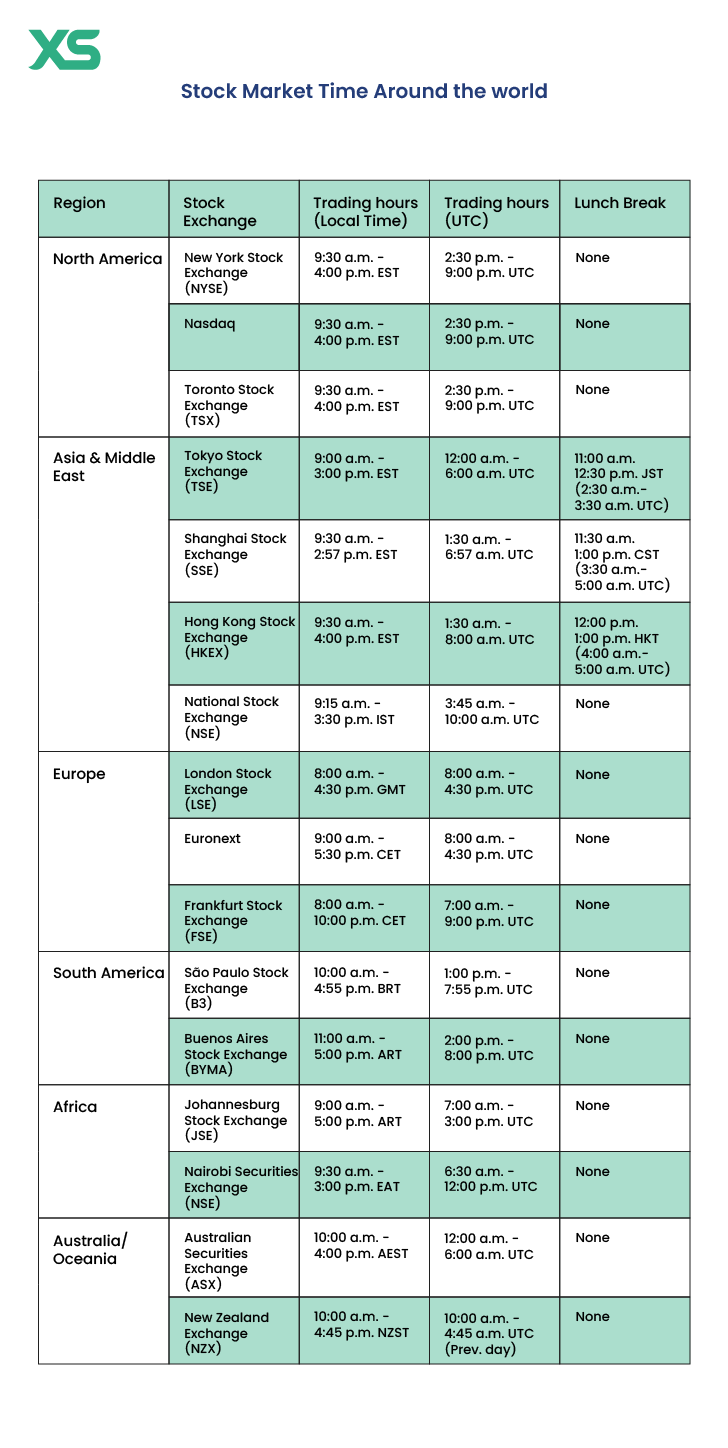
Navigating the discrepancy between Eastern Time (ET) and Central Time (CT) is one of the first hurdles for a new investor. However, once the schedule is mastered, it provides a unique perspective on the trading day, allowing for a structured approach to both pre-market preparation and post-market analysis.
The Standard Trading Day: Mastering the Central Time Schedule
The primary exchanges in the United States—the New York Stock Exchange (NYSE) and the Nasdaq—operate on a synchronized schedule. While the physical and electronic infrastructure is rooted in the Eastern Time Zone, the global nature of finance means that participants from every time zone must align their activities with these core hours.
The Opening Bell: 8:30 AM CST
For those in the Central Time Zone, the official start of the trading day is 8:30 AM. This is when the “opening cross” occurs—a process where the exchange’s computers match buy and sell orders accumulated overnight to establish a fair opening price for each security. This period is often characterized by the highest volatility of the day. Institutional investors, high-frequency trading algorithms, and retail traders all converge at this moment, leading to rapid price movements and high trading volume.
The Closing Bell: 3:00 PM CST
The standard trading session concludes at 3:00 PM CST. Much like the opening, the final minutes of the trading day—often referred to as the “Closing Auction”—see a massive surge in volume. Mutual funds and ETFs often execute trades near the close to ensure their portfolios mirror the closing prices of the indices they track. For a Central Time investor, this means the “Power Hour” begins at 2:00 PM, providing a final window of high liquidity before the primary markets shut down for the evening.
The Midday Lull
Between approximately 11:00 AM and 1:00 PM CST, the market often experiences what is known as the “lunchtime lull.” Because this corresponds to the lunch hour in New York (12:00 PM to 2:00 PM ET), institutional trading volume typically thins out. Prices may drift or remain stagnant during this window. For savvy investors, this is often a time for research and monitoring rather than aggressive execution, as the lower liquidity can lead to wider bid-ask spreads.
Beyond the Bell: Pre-Market and After-Hours Trading
The 8:30 AM to 3:00 PM CST window represents the period of maximum liquidity, but it is far from the only time trading occurs. Extended-hours trading allows investors to react to news that breaks outside of the standard session, such as corporate earnings reports, economic data releases, or geopolitical events.
Pre-Market Trading in Central Time
Pre-market trading on major U.S. exchanges can begin as early as 3:00 AM CST, though the majority of retail brokers do not offer access until 6:00 AM or 7:00 AM CST.
- The 7:30 AM CST Pivot: A significant amount of U.S. economic data, including the Monthly Jobs Report (Non-Farm Payrolls) and Consumer Price Index (CPI) data, is released at 8:30 AM ET, which is 7:30 AM CST. For investors in the Central Time Zone, this provides a critical one-hour window to analyze data and adjust positions before the official market open at 8:30 AM.
After-Hours Trading in Central Time
After the 3:00 PM CST closing bell, the after-hours session begins, typically running until 7:00 PM CST. This period is vital for corporate earnings season. Most publicly traded companies release their quarterly financial results shortly after the 3:00 PM CST close.
- Earnings Volatility: A company might report earnings at 3:05 PM CST, leading to a massive price swing in the minutes that follow. Investors who understand the after-hours landscape can use this time to hedge their positions or capitalize on immediate market reactions before the next day’s open.

Risks of Extended-Hours Trading
While the flexibility of trading from 6:00 AM to 7:00 PM CST is appealing, it comes with heightened risks. The primary concern is “thin liquidity.” With fewer participants in the market, it takes much less buying or selling pressure to move a stock’s price significantly. Furthermore, bid-ask spreads tend to widen, meaning it costs more to enter and exit positions. Most professional advisors suggest using “limit orders” exclusively during these hours to avoid being filled at unfavorable prices.
Why Market Timing Matters for Your Financial Strategy
Understanding the clock is not just about knowing when to click “buy.” It is about understanding the mechanics of price discovery and how different times of day impact the success of your investment strategy.
Capitalizing on the Opening Volatility
The first 30 minutes of the trading day (8:30 AM to 9:00 AM CST) are often the most treacherous for novice investors but the most lucrative for experienced traders. This is when the market “digests” all the news that happened overnight. If a major global event occurred at midnight, the 8:30 AM open is the first chance for the domestic market to reflect that news in stock prices. Investors must decide whether to participate in this initial price discovery or wait for the “morning reversal,” which often occurs around 9:00 AM CST when the initial excitement settles.
The Importance of the “Power Hour”
The final hour of trading, from 2:00 PM to 3:00 PM CST, is when institutional “big money” makes its moves. Significant price trends are often established or reinforced during this window. If a stock finishes the day at its high during the 3:00 PM close, it is often viewed as a bullish signal for the following day. For personal finance management, tracking the “close” is more important than tracking the “open,” as the closing price is what is used to value your portfolio holdings and determine margin requirements.
Time Zones and Global Markets
Investing is a global endeavor. For a Central Time investor, the European markets are already mid-way through their day when the U.S. opens. The London Stock Exchange typically closes at 10:30 AM CST. This overlap (8:30 AM to 10:30 AM CST) is often the period of highest global liquidity, as both European and American traders are active simultaneously. Conversely, Asian markets (Tokyo, Hong Kong, Shanghai) open late in the evening CST, meaning the news coming out of the East will influence how the U.S. market opens the following morning at 8:30 AM.
Building a Winning Routine for the Central Time Investor
Living in the Central Time Zone offers a distinct advantage: the market closes early enough in the afternoon to allow for significant post-market analysis and personal time, while the morning start is not as punishingly early as it is for West Coast investors.
The Pre-Market Ritual
A successful investor in the Central Time Zone should ideally begin their day by 7:00 AM. This provides 90 minutes of lead time before the 8:30 AM open. This window should be used to:
-
Check Global Indices: See how the European and Asian markets performed overnight.
-
Review Futures: S&P 500 and Nasdaq futures provide a preview of whether the market is likely to open higher or lower.
-
Analyze Economic Data: Be prepared for those 7:30 AM CST government reports.
Managing the Trading Day
For those with full-time jobs, the 8:30 AM CST start can be challenging. Many Central Time professionals use the 8:30 AM open to set their limit orders or stop-losses before their workday intensifies. The 3:00 PM CST close is also convenient, as it often aligns with the end of the traditional workday, allowing investors to review their performance and prepare for the next day without the market still being active late into the evening.

Using Technology to Bridge the Gap
In the modern era, physical location is less of a barrier than ever before. Financial tools and apps can be set to display data in your local time zone to avoid confusion. Whether you are using professional-grade software or a basic brokerage app, ensuring your charts and alerts are synced to Central Time is a simple but essential step in maintaining an organized trading environment.
Ultimately, the stock market is a game of information and timing. By mastering the schedule of the NYSE and Nasdaq through the lens of Central Time, you position yourself to act with precision. Whether you are managing a long-term retirement account or seeking short-term gains through active trading, the clock is one of the most powerful tools in your financial arsenal. Respect the opening bell at 8:30 AM, monitor the closing auction at 3:00 PM, and use the unique rhythm of the Central Time Zone to your advantage.
aViewFromTheCave is a participant in the Amazon Services LLC Associates Program, an affiliate advertising program designed to provide a means for sites to earn advertising fees by advertising and linking to Amazon.com. Amazon, the Amazon logo, AmazonSupply, and the AmazonSupply logo are trademarks of Amazon.com, Inc. or its affiliates. As an Amazon Associate we earn affiliate commissions from qualifying purchases.