
The seemingly straightforward question, “What time does AT&T close?”, transcends a simple query about business hours. For a brand as ubiquitous and deeply integrated into daily life as AT&T, this question opens a crucial window into the broader landscape of brand strategy, customer experience, and corporate identity in the 21st century. It’s a foundational touchpoint that, depending on the ease and clarity of the answer, can profoundly shape customer perception, loyalty, and even long-term engagement.
In an era defined by instant gratification and always-on connectivity, a brand’s accessibility—both physical and digital—is no longer a mere operational detail but a strategic pillar. For a telecommunications giant like AT&T, which offers a vast array of services from mobile and internet to television and business solutions, managing expectations around availability is paramount. This article will delve into how AT&T, and brands like it, navigate the complexities of operational hours across diverse channels, transforming a basic informational need into a pivotal moment in the customer journey and a testament to their brand promise.
Beyond the Clock: The Strategic Significance of Brand Accessibility
A customer asking “what time does AT&T close?” isn’t just seeking a time; they are expressing an intent—to make a purchase, resolve an issue, or seek support. The brand’s ability to efficiently and empathetically answer this question, or better yet, to anticipate and proactively provide the information, defines a critical aspect of its overall brand experience. This seemingly mundane interaction is a powerful indicator of a brand’s commitment to its customers.
The Customer Journey’s Crucial First Touchpoint
Every customer interaction is a segment of a larger journey. For many, finding out business hours is one of the initial steps. If this step is fraught with difficulty—unclear information, inconsistent data across platforms, or frustrating navigation—it can derail the entire journey before it even begins. A brand’s operational hours communicate its readiness to serve. For AT&T, with millions of customers reliant on their services for communication and connectivity, a smooth “first touch” around availability sets the tone for subsequent interactions. This isn’t just about store hours; it extends to when support lines are open, when online chat agents are available, and when service appointments can be scheduled. Each instance is an opportunity for the brand to reinforce its commitment to convenience and customer-centricity.
Building Trust Through Predictability and Reliability
In a competitive market, trust is a currency. A brand that provides clear, consistent, and easily accessible information about its operating hours fosters a sense of reliability. Customers need to trust that when they plan to visit a store, call support, or access an online service, the brand will be available as advertised. Inconsistency or misinformation can lead to wasted time, frustration, and a significant erosion of trust. For AT&T, a brand synonymous with connectivity, reliability is at its core. Extending this reliability to operational information strengthens the overall brand promise. When customers know they can depend on accurate information, they feel valued and respected, deepening their connection to the brand.
Mitigating Frustration: The Cost of Inaccessibility
The inverse of trust is frustration. A customer who drives to an AT&T store only to find it closed, or who waits endlessly on a phone line because they misjudged operating hours, experiences significant frustration. This negative experience doesn’t just impact that single interaction; it stains the entire brand perception. In today’s hyper-connected world, negative experiences spread rapidly through social media and online reviews, potentially causing significant reputational damage. Brands must understand that every moment of customer frustration, especially regarding basic accessibility, chips away at their corporate identity and marketing efforts. Therefore, proactive and crystal-clear communication regarding “when does AT&T close” is not just good customer service; it’s essential brand protection.
AT&T’s Multifaceted Brand Presence: Navigating Operational Realities
AT&T is not a monolithic entity that “closes” at a single time. Its brand presence is distributed across numerous channels, each with its own operational dynamics. Understanding these diverse touchpoints is key to grasping the complexity of brand accessibility for a company of AT&T’s scale.
The Enduring Role of Physical Retail Stores
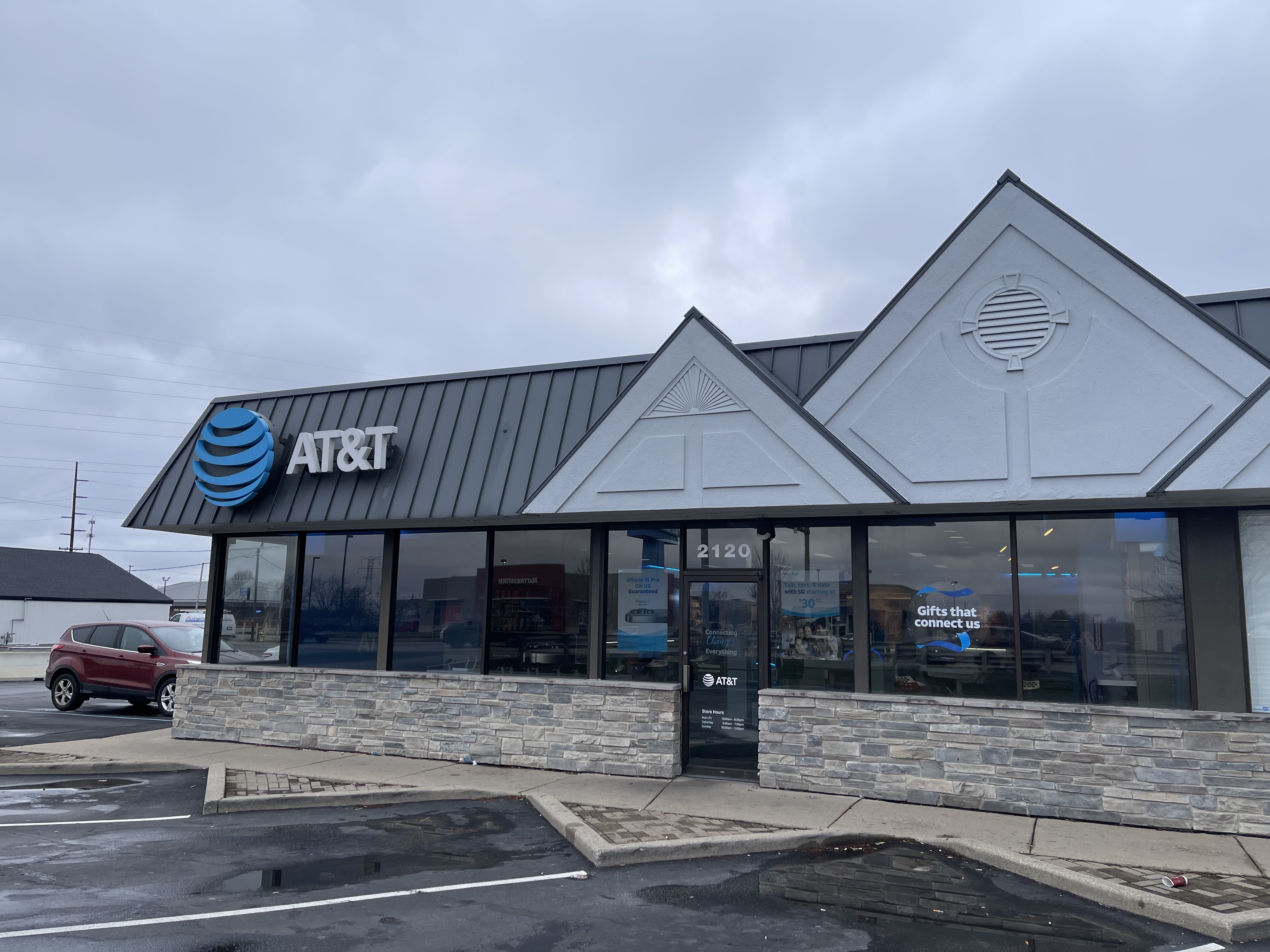
Despite the digital revolution, physical AT&T retail stores remain vital brand touchpoints. They offer a tangible experience for customers to browse devices, sign up for services, receive hands-on technical support, and interact face-to-face with brand representatives. However, these stores operate on traditional schedules, which can vary significantly by location (e.g., mall stores versus standalone stores, urban versus rural). For the brand, managing and communicating these varying hours effectively through official store locators, local listings, and digital maps (like Google Maps) is crucial. A well-designed store locator, prominently featured on the AT&T website and app, becomes a critical tool for guiding customer traffic and setting accurate expectations, minimizing the “closed store” surprise.
The 24/7 Digital Ecosystem: Websites, Apps, and Self-Service
The digital realm offers AT&T an “always-on” presence. Its website and mobile app serve as virtual branches, allowing customers to manage accounts, pay bills, upgrade services, and troubleshoot common issues at any hour. This 24/7 accessibility is a cornerstone of modern brand strategy, empowering customers to interact on their own terms, bypassing traditional operational constraints. For the brand, this means investing heavily in intuitive UI/UX design, robust self-service portals, and comprehensive FAQ sections. The “closing time” for these digital channels is, theoretically, never, presenting a continuous brand engagement opportunity that complements and often alleviates pressure on physical and human-powered channels.
The Human Touch: Contact Centers and Specialized Support
While digital tools handle many routine inquiries, complex issues often require human intervention. AT&T’s extensive network of contact centers, technical support hotlines, and specialized departments (e.g., sales, billing, business solutions) provides this human touch. These channels, however, do operate within specific timeframes. Communicating these hours clearly on the website, within the app, and through automated phone systems is paramount. The brand must balance providing comprehensive support with efficient resource allocation. The design of these support systems, including interactive voice response (IVR) menus and queue management, plays a significant role in customer experience, ensuring that even during peak hours, customers feel acknowledged and their time respected.
Social Media and Community Forums: Real-Time Brand Engagement
Social media platforms and official community forums have evolved into critical channels for real-time customer service and brand engagement. Customers often turn to platforms like X (formerly Twitter) or Facebook to ask quick questions, voice concerns, or seek help. While social media teams may not operate 24/7, the expectation for quick responses is high. AT&T, like other major brands, monitors these channels and often provides support during extended business hours, demonstrating an agile and responsive brand identity. This public-facing support not only addresses individual customer needs but also projects an image of an accessible and attentive brand to a wider audience.
Bridging the “Closing Time” Gap: Digital Strategies for Continuous Brand Connection
The question “what time does AT&T close?” often arises from a desire for immediate information or assistance. Modern brand strategies leverage digital tools to bridge the gap between fixed operational hours and the customer’s 24/7 expectations, ensuring a continuous, positive brand connection.
Empowering Customers with Real-time Information
One of the most effective ways AT&T addresses the “closing time” question is by empowering customers with real-time, easily discoverable information. This includes sophisticated store locators on its website and app that provide not just addresses but also live operating hours, directions, and sometimes even estimated wait times. Integration with external platforms like Google Maps Business Profiles ensures that customers searching outside of AT&T’s direct channels still receive accurate, up-to-date information. For a brand, this means dedicated resources to maintain accurate location data across all digital touchpoints, recognizing that outdated information is as damaging as no information at all.
AI-Powered Assistance: Chatbots and Virtual Agents as Extended Hours
Artificial intelligence (AI) has become a game-changer in extending brand accessibility beyond human operational hours. AT&T employs chatbots and virtual assistants on its website and app that can answer a vast array of common questions, guide users through troubleshooting steps, and even initiate certain service requests—24 hours a day, 7 days a week. These AI tools act as perpetual brand representatives, providing instant responses and filtering out routine queries, allowing human agents to focus on more complex issues during their shifts. The continuous refinement of these AI capabilities, fueled by customer interaction data, is a key brand strategy for enhancing efficiency and customer satisfaction.
The Power of Proactive Communication and Personalization
Beyond reacting to queries, leading brands like AT&T engage in proactive communication. This might involve sending personalized email or app notifications about upcoming store hour changes, holiday schedules, or service interruptions. Personalization extends to offering specific appointment slots based on user history or location preferences. By anticipating customer needs and communicating relevant information before it’s sought, AT&T strengthens its reputation for attentiveness and foresight. This proactive approach reinforces the brand’s image as a reliable partner, not just a service provider.
Optimizing the Omnichannel Experience for Seamless Transitions
The ultimate goal for brand accessibility is an omnichannel experience where customers can seamlessly transition between different touchpoints without losing context. A customer starting an inquiry with an AT&T chatbot at midnight should be able to pick up that conversation with a human agent the next morning, with all previous interactions logged. This integrated approach minimizes customer effort and frustration, ensuring that regardless of “when does AT&T close” for a particular channel, the brand interaction feels continuous and coherent. This requires significant investment in CRM systems, data integration, and cross-channel training for staff, all designed to deliver a unified brand experience.
The Evolving Landscape of Brand Interaction: Towards Always-On Engagement
The question “what time does AT&T close?” is an echo from a bygone era where business hours rigidly defined customer access. Today, the expectation is for brands to be “always on,” not necessarily through 24/7 human availability, but through intelligent, adaptive, and customer-centric strategies.
Anticipatory Service and Predictive Support
The future of brand accessibility for companies like AT&T lies in anticipatory service. Leveraging data analytics and machine learning, brands can predict customer needs before they even arise. For example, if a customer’s data usage is unusually high, AT&T could proactively suggest a plan upgrade or alert them to potential overage charges. Or, if a network outage is predicted in a certain area, customers could receive a notification with an estimated resolution time. This shift from reactive support to proactive intervention redefines brand engagement, positioning AT&T not just as a service provider but as a prescient partner.
Hyper-Personalization at Scale
As AI and data capabilities advance, hyper-personalization will become the norm. Customers won’t just receive relevant information; they will receive it in the most preferred format, at the most convenient time, tailored to their individual usage patterns and preferences. This level of personalized engagement, from customized offers to bespoke support recommendations, will deepen brand loyalty and create a more intimate connection between AT&T and its millions of diverse customers. The brand will know “when” to reach out, even if a store is “closed.”
Data Analytics: Informing Accessibility Decisions
Behind every decision regarding operational hours, staffing levels, and digital tool deployment are sophisticated data analytics. AT&T continuously analyzes customer interaction data—when customers call, when they visit stores, what questions they ask online—to optimize its accessibility strategy. This data-driven approach allows the brand to make informed decisions about extending certain service hours, deploying more chatbots during peak digital traffic, or strategically opening new physical locations. It’s how brands ensure their “closing times” and “open times” are aligned with actual customer demand.
Future-Proofing Brand Relevance Through Adaptive Strategies
Ultimately, a brand’s ability to remain relevant is tied to its capacity for adaptation. For AT&T, this means continuously evaluating its accessibility strategy against evolving customer expectations, technological advancements, and competitive pressures. The brand that views “what time does AT&T close” not as a fixed time but as a dynamic challenge to optimize customer experience across all channels will be the one that thrives. This involves fostering a culture of continuous improvement, innovation, and unwavering customer focus, ensuring that the brand remains accessible, reliable, and deeply integrated into the lives of its customers, irrespective of the clock.
In conclusion, “What time does AT&T close?” is a question that, when fully explored, reveals the intricate layers of modern brand management. It highlights the critical interplay between physical presence and digital ubiquity, human interaction and AI assistance, and the strategic imperative of aligning operational realities with customer expectations. For AT&T, and brands navigating similar landscapes, answering this question isn’t just about providing a schedule; it’s about defining their promise, solidifying their corporate identity, and nurturing enduring relationships in an always-on world.
aViewFromTheCave is a participant in the Amazon Services LLC Associates Program, an affiliate advertising program designed to provide a means for sites to earn advertising fees by advertising and linking to Amazon.com. Amazon, the Amazon logo, AmazonSupply, and the AmazonSupply logo are trademarks of Amazon.com, Inc. or its affiliates. As an Amazon Associate we earn affiliate commissions from qualifying purchases.