
The National Association of Securities Dealers Automated Quotations, or NASDAQ, stands as a global beacon for innovation and growth in the stock market. Renowned for being home to many of the world’s most influential technology and biotech companies, NASDAQ represents a pivotal arena for investors seeking exposure to dynamic industries. For both novice and seasoned investors, understanding the mechanics of how to buy shares on NASDAQ is fundamental to building a diversified and potentially lucrative investment portfolio. This guide will walk you through the essential steps, considerations, and strategies involved in navigating this exciting market, ensuring you’re well-equipped to make informed investment decisions.
Understanding NASDAQ and its Appeal
Before diving into the “how-to,” it’s crucial to grasp what NASDAQ is, its unique characteristics, and why it holds such significant appeal for investors worldwide. Its very essence defines a distinct investment landscape.
What is NASDAQ?
Established in 1971, NASDAQ was the world’s first electronic stock market, revolutionizing trading by moving away from traditional physical trading floors. Today, it operates as a sophisticated global electronic marketplace, connecting buyers and sellers through a vast network of market makers. Unlike exchanges that use an auction system, NASDAQ relies on a dealer-driven market where multiple market makers provide bid and ask prices, facilitating continuous trading. This structure promotes liquidity and efficient price discovery.
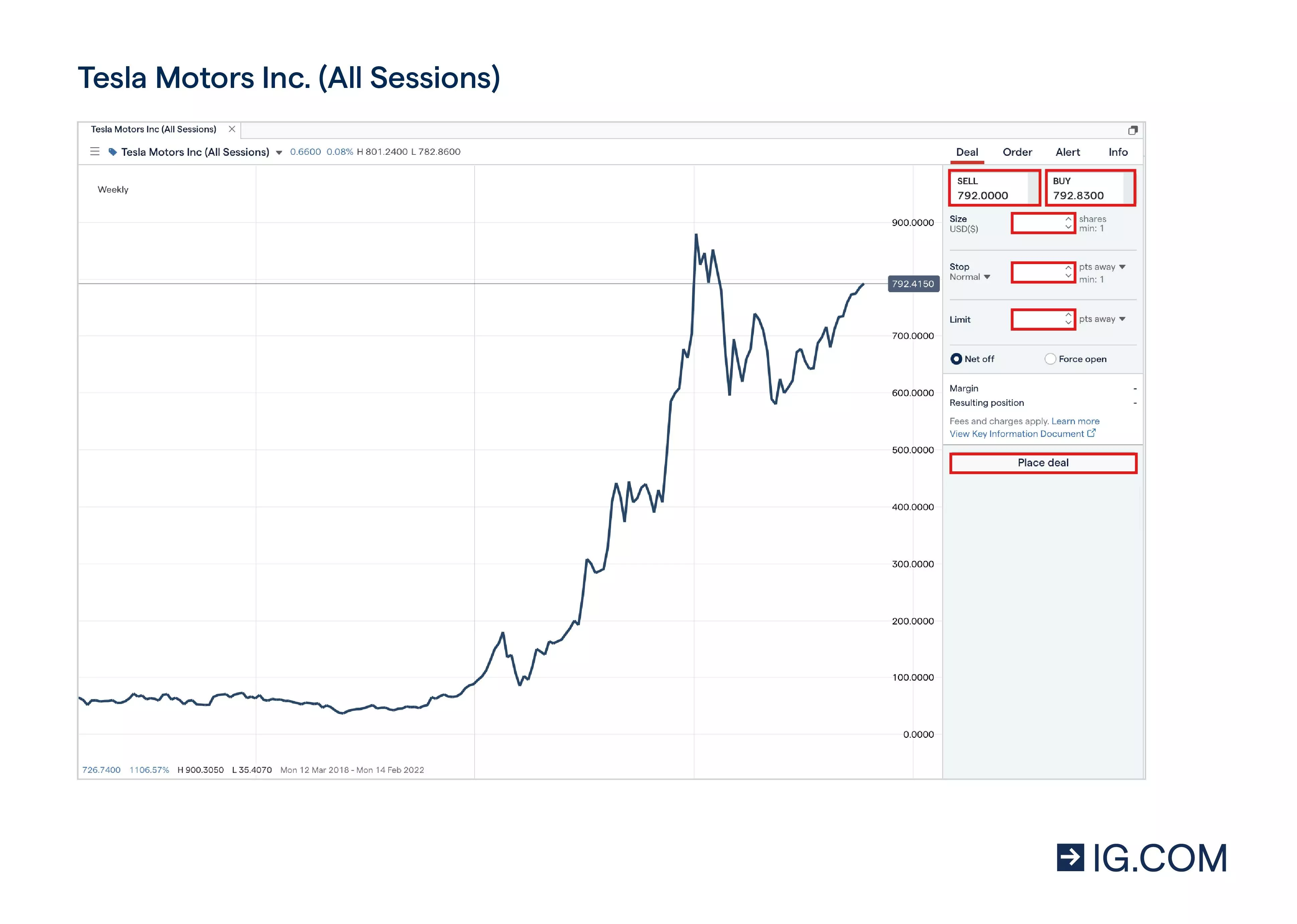
NASDAQ is famous for listing a high concentration of technology and growth-oriented companies, including giants like Apple, Amazon, Microsoft, and Google (Alphabet). However, its listings extend beyond tech to include companies from various sectors, all typically characterized by innovation, strong growth potential, and often, higher volatility compared to more established, slower-growth companies found on other exchanges.
Why Invest in NASDAQ Stocks?
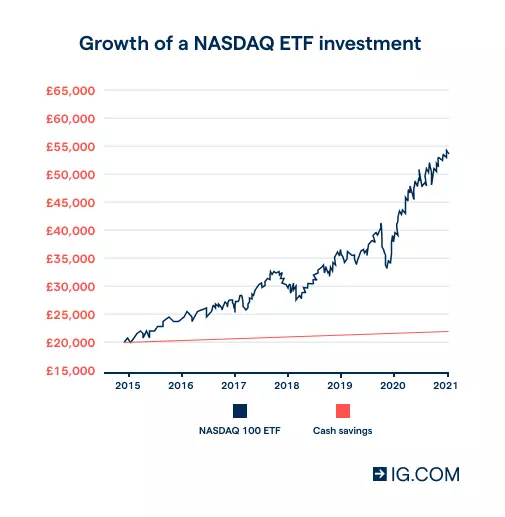
The primary allure of NASDAQ stocks lies in their potential for significant capital appreciation. Companies listed on NASDAQ are often at the forefront of technological advancements and market disruption, offering investors a chance to participate in the growth of future industries.
-
Growth Potential: Many NASDAQ-listed companies are in their growth phases, with strong prospects for expansion and increased profitability, which can translate into substantial stock price gains.
-
Innovation Exposure: Investing in NASDAQ provides direct exposure to sectors driving global innovation, such as artificial intelligence, biotechnology, software, e-commerce, and renewable energy.
-
Liquidity: The electronic, market-maker system ensures high liquidity for most NASDAQ stocks, meaning investors can typically buy or sell shares quickly without significant price impact.
-
Diversification: While often associated with tech, NASDAQ offers a broad range of companies, allowing investors to diversify their portfolios across various innovative sectors.
Key Differences from Other Exchanges
While the New York Stock Exchange (NYSE) operates on an auction-based system with designated market makers, NASDAQ utilizes a dealer-based, electronic system. This means that instead of a specialist managing the order book, multiple market makers compete for order flow by quoting bid and ask prices. This competition can often lead to tighter spreads and faster execution. NASDAQ is also known for having slightly less stringent listing requirements regarding company size and profitability compared to the NYSE, which historically made it a popular venue for younger, high-growth companies to go public. These structural differences contribute to NASDAQ’s reputation as a dynamic, technology-forward marketplace.
Essential Preparations Before Investing
Embarking on any investment journey, especially in a dynamic market like NASDAQ, necessitates thorough preparation. Hasty decisions without foundational understanding can lead to suboptimal outcomes. Prioritizing research and self-assessment is key.
Define Your Investment Goals and Risk Tolerance
Before selecting a single share, clarify what you aim to achieve through investing and how much risk you’re comfortable taking.
-
Investment Goals: Are you saving for retirement, a down payment, or simply aiming for wealth accumulation? Your timeline significantly influences your strategy. Long-term goals often allow for greater risk tolerance, as there’s more time to recover from market downturns. Short-term goals might necessitate a more conservative approach.
-
Risk Tolerance: This is a crucial self-assessment. Are you comfortable with the potential for significant fluctuations in your portfolio’s value in pursuit of higher returns, or do you prefer more stable, albeit potentially lower, growth? NASDAQ stocks, particularly those of newer growth companies, can be more volatile than established blue-chip stocks. Understanding your psychological comfort with potential losses is paramount.
Research and Due Diligence
One of the golden rules of investing is to never invest in something you don’t understand. Comprehensive research is non-negotiable.
-
Company Fundamentals: Delve into a company’s financial health by examining its revenue growth, profitability, debt levels, cash flow, and market capitalization. Look at quarterly and annual reports (10-Q and 10-K filings with the SEC).
-
Industry Trends and Competitive Landscape: Understand the industry in which the company operates. Is it growing? Who are its competitors, and what are its competitive advantages (moat)?
-
Management Team: Evaluate the leadership. A strong, experienced, and ethical management team is often a significant indicator of a company’s future success.
-
News and Analyst Reports: Stay updated on company news, earnings announcements, and economic factors that could impact its performance. While analyst reports can offer insights, always conduct your own analysis.
Budgeting and Capital Allocation
Determine how much capital you can comfortably allocate to investments without compromising your financial stability.
-
Emergency Fund: Ensure you have an adequately funded emergency savings account (typically 3-6 months of living expenses) before investing. This prevents you from being forced to sell investments at an inopportune time.
-
Investment Capital: Only invest capital you can afford to lose. This mindset helps manage emotional reactions during market downturns.
-
Diversification: Do not put all your eggs in one basket. Allocate your investment capital across various asset classes, industries, and geographies to mitigate risk. Even within NASDAQ, diversify across different sectors and company sizes.
The Step-by-Step Process of Buying NASDAQ Shares
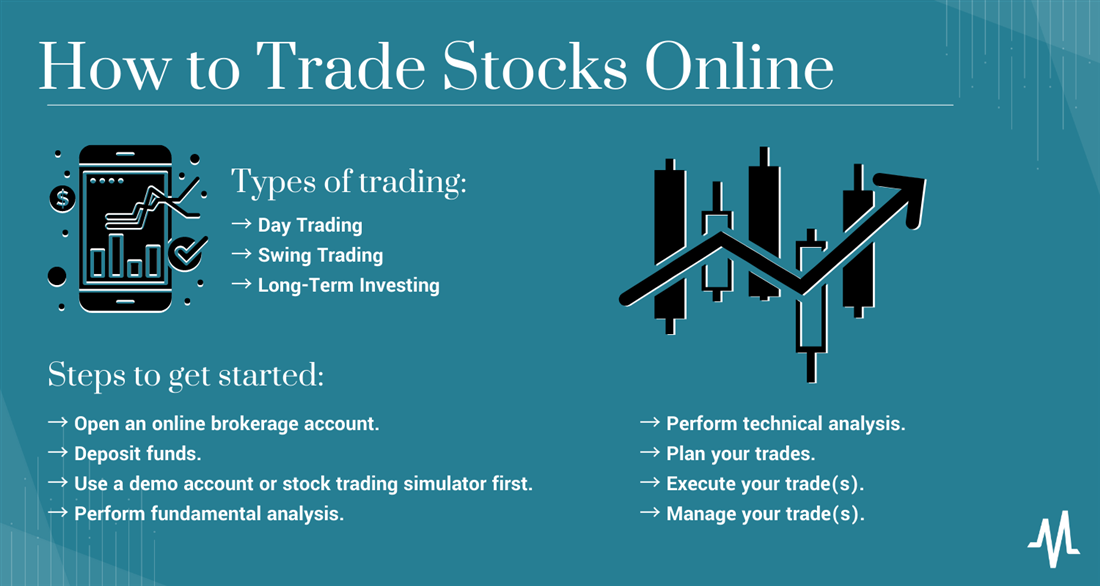
Once your preparations are complete, the actual process of buying shares on NASDAQ is straightforward, facilitated by modern financial technology.
Choose a Reputable Brokerage Account
To buy shares on NASDAQ, you’ll need a brokerage account. This is an account specifically designed for buying and selling investment securities.
-
Types of Brokers:
-
Full-Service Brokers: Offer comprehensive financial advice, portfolio management, and a wide range of products but typically charge higher fees. Suitable for investors seeking personalized guidance.
-
Discount Brokers: Provide a platform for self-directed trading with lower fees (often commission-free for stocks and ETFs). Ideal for investors who prefer to manage their own portfolios.
-
-
Factors to Consider:
-
Fees and Commissions: Compare trading fees, account maintenance fees, and other charges. Many brokers now offer commission-free stock trading.
-
Platform and Tools: Evaluate the user-friendliness of their trading platform, research tools, educational resources, and mobile app functionality.
-
Customer Service: Assess the quality and accessibility of their customer support.
-
Regulatory Compliance: Ensure the broker is regulated by relevant authorities (e.g., SEC and FINRA in the U.S.) and offers investor protections like SIPC insurance.
-
Fund Your Brokerage Account
After opening and verifying your account, you’ll need to deposit funds.
-
Transfer Methods: Common methods include ACH transfers (electronic transfers from your bank account, usually free but take a few days), wire transfers (faster but often incur fees), or mailing a check.
-
Instant Funding: Some brokers offer instant funding up to a certain limit, allowing you to trade immediately, though the full amount may still take time to settle.
Place Your Order
With funds in your account, you’re ready to buy shares. Navigate to the trading section of your broker’s platform, search for the stock symbol of the company you wish to invest in (e.g., AAPL for Apple), and then select your order type.
-
Market Order: An order to buy or sell a stock immediately at the best available current price. While fast, the execution price can sometimes differ from the quoted price, especially in volatile markets.
-
Limit Order: An order to buy or sell a stock at a specified price or better. For buying, you set a maximum price you’re willing to pay. This gives you control over the execution price but there’s no guarantee the order will be filled if the market price never reaches your limit.
-
Stop-Loss Order: An order to sell a stock once it reaches a certain price (the “stop price”), which then converts into a market order. Used to limit potential losses.
-
Stop-Limit Order: Similar to a stop-loss, but once the stop price is triggered, it becomes a limit order, giving you more control over the selling price. However, it might not execute if the price falls below your limit before it can be filled.
Monitoring Your Investment
Buying shares is not a one-time event; it’s the beginning of an ongoing process.
-
Portfolio Tracking: Regularly check your portfolio’s performance. Most brokerage platforms provide tools for this.
-
Stay Informed: Continue monitoring news related to your companies, their industries, and broader economic trends.
-
Rebalancing: Periodically review your portfolio to ensure it still aligns with your investment goals and risk tolerance. You may need to buy more of some assets or sell others to maintain your desired asset allocation.
Important Considerations for NASDAQ Investors
Investing in NASDAQ, while offering significant opportunities, also comes with unique challenges that astute investors must consider.
Understanding Market Volatility
NASDAQ-listed companies, particularly those in the technology and growth sectors, often experience higher volatility than companies on other exchanges. This is due to several factors:
-
Growth Expectations: Many NASDAQ companies are valued based on future growth potential, making them sensitive to economic outlooks, interest rate changes, and shifts in market sentiment.
-
Innovation Cycle: Rapid technological advancements can lead to quick obsolescence or intense competition, causing sharp price movements.
-
Investor Sentiment: Tech stocks can be prone to “herd mentality,” where positive or negative news triggers exaggerated buying or selling frenzies.
Understanding this inherent volatility means being prepared for price swings and adopting a long-term perspective to ride out short-term fluctuations.
Taxation on Investments
Investment gains are typically subject to taxation, which can vary significantly based on your location and the type of gain.
-
Capital Gains: Profits from selling shares are considered capital gains. These can be short-term (held for one year or less) or long-term (held for more than one year), with long-term gains generally taxed at more favorable rates.
-
Dividends: Some NASDAQ companies pay dividends, which are distributions of profits to shareholders. These are typically taxed as ordinary income or qualified dividends.
-
Wash Sales: Be aware of wash sale rules, which prevent investors from claiming a loss on a security if they buy a “substantially identical” security within 30 days before or after the sale.
It’s crucial to consult with a qualified tax advisor to understand the specific tax implications for your investments and to plan effectively.
Diversification Strategies
While NASDAQ offers a vast pool of companies, investing solely in a single sector or a few companies on NASDAQ carries concentrated risk. Effective diversification strategies include:
-
Sector Diversification: Beyond tech, explore healthcare, consumer discretionary, and other sectors listed on NASDAQ.
-
Market Cap Diversification: Include a mix of large-cap, mid-cap, and small-cap companies to balance stability with growth potential.
-
Geographic Diversification: While NASDAQ is U.S.-centric, many of its companies have global operations. For broader diversification, consider international stocks or global ETFs outside of NASDAQ.
-
Asset Class Diversification: Combine stocks with bonds, real estate, or other alternative investments to reduce overall portfolio risk.
The Role of Technology and Automation
The very essence of NASDAQ is technology, and this extends to how investors interact with the market.
-
Advanced Trading Platforms: Modern brokerage platforms offer sophisticated tools, real-time data, charting capabilities, and analytical features to assist investors.
-
Robo-Advisors: For those who prefer a hands-off approach, robo-advisors use algorithms to manage diversified portfolios based on your risk tolerance and goals, often including NASDAQ-listed ETFs.
-
Algorithmic Trading: While mostly for institutional investors, understanding that algorithms influence market dynamics can provide perspective on rapid price movements.
Leveraging these technological advancements can enhance your trading efficiency, research capabilities, and overall investment management.
In conclusion, buying shares on NASDAQ offers an exciting gateway to participate in some of the world’s most innovative companies and dynamic industries. However, success in this market is not a matter of chance, but a product of diligent preparation, continuous learning, and a disciplined approach. By understanding NASDAQ’s unique characteristics, defining your investment goals, conducting thorough research, and managing risk effectively, you can confidently navigate this vibrant marketplace and work towards achieving your financial aspirations. Remember that investing is a long-term endeavor; patience, perseverance, and a commitment to staying informed will be your greatest assets.
aViewFromTheCave is a participant in the Amazon Services LLC Associates Program, an affiliate advertising program designed to provide a means for sites to earn advertising fees by advertising and linking to Amazon.com. Amazon, the Amazon logo, AmazonSupply, and the AmazonSupply logo are trademarks of Amazon.com, Inc. or its affiliates. As an Amazon Associate we earn affiliate commissions from qualifying purchases.