
The year 1929 often looms large in the collective financial consciousness, a specter of economic upheaval and a byword for market collapse. While the simple calculation of “how long ago was 1929” provides a straightforward numerical answer, its true significance lies far beyond mere arithmetic. For anyone engaged with personal finance, investing, or business economics, understanding the lessons embedded within that pivotal year is not just an academic exercise; it’s a foundational pillar for navigating today’s complex financial landscape. This article delves into the enduring relevance of 1929, transforming a historical date into a rich tapestry of financial wisdom for the modern age.

The Simple Answer and Profound Significance
Before we unpack the profound implications of 1929, let’s address the fundamental question directly, grounding our discussion in the present.
Calculating the Years: A Glance Back in Time
As of 2024, 1929 occurred precisely 95 years ago. This span represents nearly a century of economic evolution, technological advancement, and shifting societal paradigms. In human terms, it means that the vast majority of people alive today did not experience the events of 1929 firsthand, making it a historical event that we must learn about rather than recall. Yet, the echoes of that year resonate with remarkable clarity, particularly within the realm of finance.
Why 1929 Echoes in Financial History
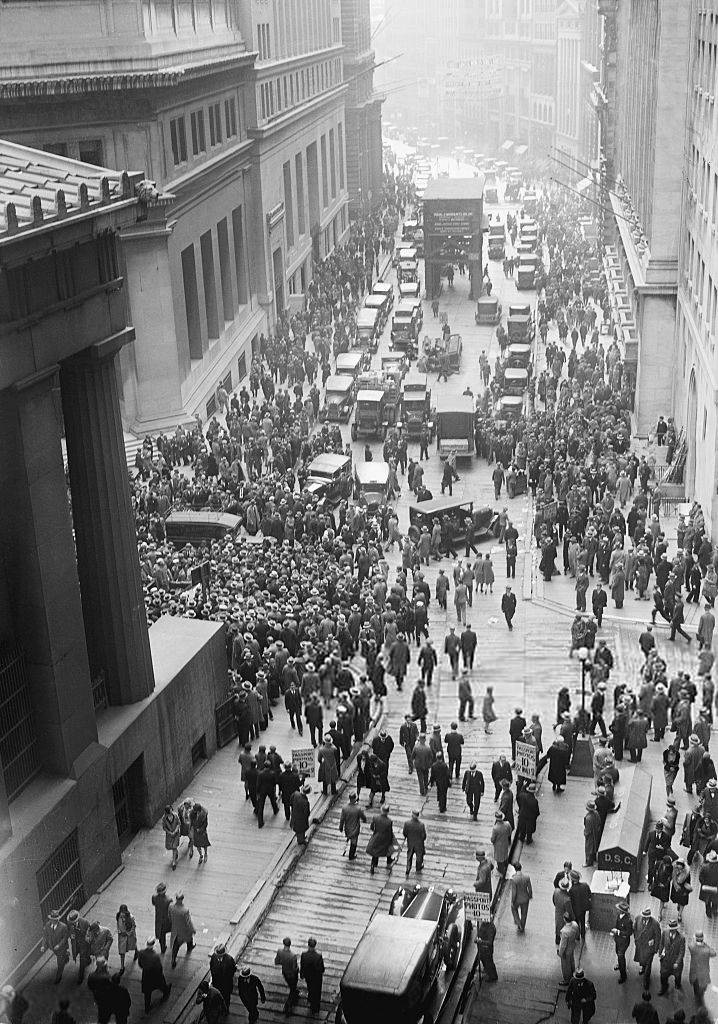
The numerical distance from 1929 belies its immense impact on how we understand market dynamics, risk, and the very architecture of our financial systems. The Wall Street Crash of October 1929, often dubbed “Black Tuesday,” did not merely mark a sharp decline in stock prices; it precipitated the Great Depression, a decade-long economic catastrophe that reshaped global economies, governments, and individual lives.
For financial professionals and individuals alike, 1929 serves as a stark reminder of:
-
Market Vulnerability: The fragility of seemingly robust markets in the face of speculative bubbles and unchecked optimism.
-
Systemic Risk: How a crisis originating in one sector (the stock market) can cascade through the entire economy, impacting banking, employment, and international trade.
-
Human Psychology in Investing: The powerful, often detrimental, roles of fear, greed, and herd mentality in driving market extremes.
-
The Need for Regulation: The catalyst it provided for the creation of financial safeguards and regulatory bodies designed to prevent a recurrence.
Understanding “how long ago” means appreciating the generational distance from which we observe these events, allowing us a more objective, analytical perspective on the mistakes and triumphs that followed.
Enduring Investment Lessons from the Roaring Twenties’ Crash
The period leading up to 1929, known as the “Roaring Twenties,” was characterized by rapid industrial growth, cultural change, and an unprecedented boom in the stock market. The subsequent crash and depression offered indelible lessons that remain acutely relevant for today’s investors.
The Perils of Unchecked Speculation and Leverage
One of the primary drivers of the 1929 crash was rampant speculation, fueled by easily accessible credit. Investors, often with little understanding of underlying business fundamentals, bought stocks “on margin,” borrowing heavily to amplify their potential returns. When the market turned, margin calls forced mass selling, creating a vicious downward spiral.
Modern Relevance: While regulations like Regulation T limit margin trading today, the allure of quick gains and the dangers of excessive leverage persist. From cryptocurrency booms to meme stock frenzies, periods of intense speculation highlight the timeless risk of investing based on hype rather than value. For personal finance, this underscores the importance of:
-
Understanding Risk: Fully comprehending the potential for loss before investing.
-
Avoiding “Hot Tips”: Basing investment decisions on thorough research and sound principles, not fleeting trends.
-
Prudent Use of Debt: Recognizing that borrowing to invest can significantly magnify losses.
The Indispensable Value of Diversification and Long-Term Vision
Many investors in the 1920s concentrated their holdings in a narrow range of speculative stocks, believing the bull market would last indefinitely. When the bubble burst, their portfolios were decimated. The Great Depression then taught a painful lesson about the interconnectedness of economic sectors and the critical need for resilience.
Modern Relevance: Diversification across asset classes (stocks, bonds, real estate, commodities), industries, and geographies remains a cornerstone of robust investment strategy. It helps cushion portfolios against downturns in any single area. Furthermore, 1929 emphasized the critical importance of a long-term investment horizon. Those who had the financial capacity and emotional fortitude to hold onto quality assets eventually saw their portfolios recover, though it took many years. For individuals, this means:
-
Building a Balanced Portfolio: Spreading investments to mitigate concentrated risk.
-
Avoiding Market Timing: Recognizing the futility and danger of trying to predict short-term market movements.
-
Patience and Persistence: Sticking to a well-thought-out investment plan through market volatility.
Behavioral Finance: Conquering Fear and Greed
The lead-up to 1929 was dominated by greed, a fear of missing out (FOMO) that drew countless individuals into the market. The aftermath was characterized by profound fear, panic selling, and a complete loss of confidence that deepened the depression. This stark contrast perfectly illustrates the principles of behavioral finance, which examines the psychological factors influencing financial decisions.
Modern Relevance: Despite advancements in financial theory and tools, human emotions remain powerful drivers of market behavior. Investors today still grapple with the urge to buy when markets are soaring and sell when they are plummeting – often the exact opposite of what fundamental analysis would suggest. Developing emotional discipline is paramount:
-
Sticking to a Plan: Having a predetermined investment strategy acts as a guardrail against impulsive decisions.
-
Contrarian Thinking: Being wary when “everyone” is bullish and exploring opportunities when others are overly pessimistic.
-
Emotional Detachment: Separating personal feelings from investment analysis and decision-making.
Building a Resilient Financial Future: Post-1929 Safeguards and Strategies
The pain and disruption of the Great Depression spurred governments worldwide, particularly in the United States, to fundamentally rethink the structure and regulation of financial markets. The reforms enacted in the wake of 1929 form the bedrock of many of our financial safeguards today.
Regulatory Evolution: Protecting Investors and Stabilizing Markets
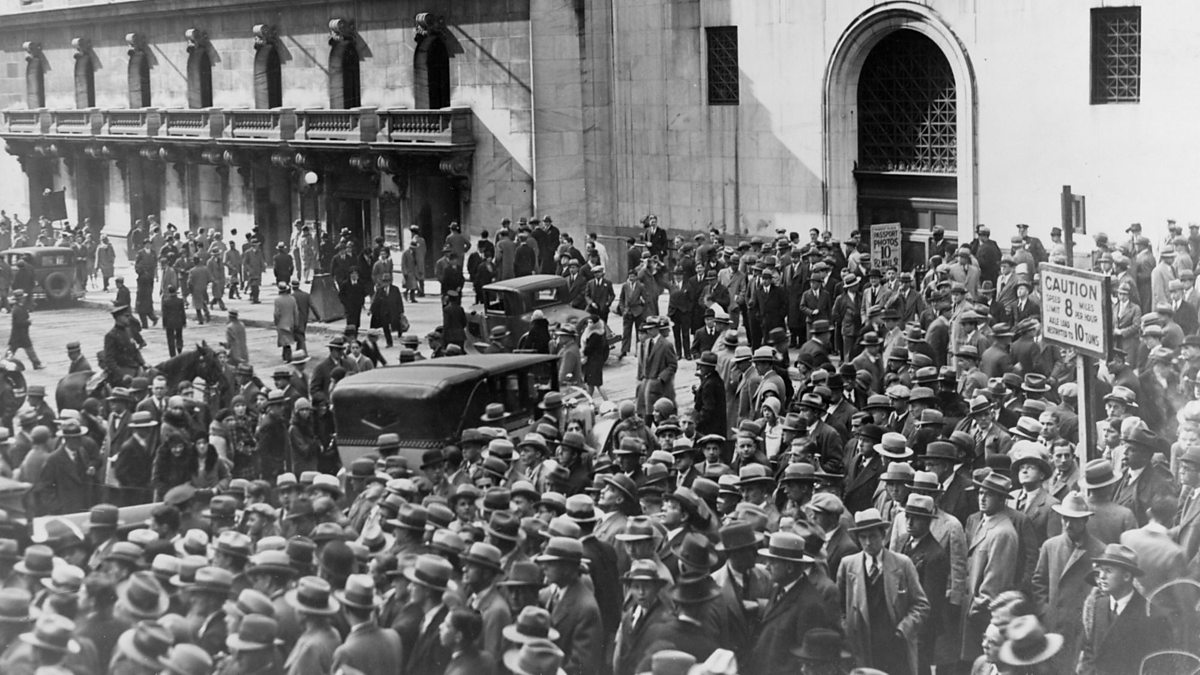
In response to the crash, the U.S. government established critical institutions and regulations designed to prevent future financial catastrophes. Key among these were:
-
Securities and Exchange Commission (SEC): Created in 1934, the SEC’s mission is to protect investors, maintain fair, orderly, and efficient markets, and facilitate capital formation. It brought transparency and oversight to the stock market, which had been largely unregulated prior to 1929.
-
Federal Deposit Insurance Corporation (FDIC): Established in 1933, the FDIC insured bank deposits, restoring public confidence in the banking system. Before the FDIC, bank runs were common during financial panics, as depositors rushed to withdraw their money, causing solvent banks to collapse.
-
Glass-Steagall Act (repealed in 1999): This act separated commercial banking from investment banking, aiming to prevent the conflicts of interest and excessive risk-taking that contributed to the crisis.
-
Central Bank Policies: The role of central banks, like the Federal Reserve, evolved significantly, with increased emphasis on managing money supply, controlling interest rates, and acting as a lender of last resort to stabilize the financial system.
Modern Relevance: While the financial landscape has changed dramatically, the spirit of these post-1929 reforms endures. Modern investors benefit from robust consumer protection laws, regulated investment advisors, and a more transparent financial reporting environment. Understanding this history helps individuals appreciate the protective measures in place and how to leverage them responsibly.
Modern Financial Planning: Beyond the Boom and Bust
The 1929 experience underscored the critical need for personal financial planning that accounts for economic cycles, not just perpetual growth. Financial planning today is far more sophisticated, incorporating risk management, retirement planning, and wealth preservation strategies tailored to individual circumstances.
Modern Strategies Include:
-
Emergency Funds: A fundamental lesson from the Depression was the dire consequences of having no savings. Today, building an emergency fund (3-6 months of living expenses) is a non-negotiable component of personal finance.
-
Diversified Retirement Accounts: Vehicles like 401(k)s and IRAs, often invested in diversified mutual funds or ETFs, offer a structured way to build wealth over the long term, mitigating market fluctuations.
-
Estate Planning: Protecting assets and ensuring their orderly transfer, a concern that became acutely relevant for families devastated by the Depression.
-
Financial Literacy: Education on budgeting, debt management, credit, and investing empowers individuals to make informed decisions and build resilience against future economic shocks.
The Role of Emergency Funds and Cash Flow Management
One of the most immediate and painful consequences of the Great Depression was widespread unemployment and business failures, which utterly wiped out income streams. Families without any liquid savings faced destitution. This historical context makes the modern emphasis on emergency funds not just a best practice, but a direct lesson learned from history. For businesses, effective cash flow management became paramount for survival.
Modern Best Practices:
-
Personal Savings: Building a substantial cash reserve is the first line of defense against job loss, unexpected medical expenses, or market downturns that might require liquidating investments at a loss.
-
Business Liquidity: Companies prioritize maintaining adequate working capital and access to lines of credit to weather economic storms.
-
Income Diversification: For individuals, side hustles and multiple income streams can provide a buffer against reliance on a single employer.
Economic Cycles and the Modern Investor: Drawing Parallels and Distinctions
While 1929 stands as a unique historical event, its legacy compels us to consider the nature of economic cycles and how they impact contemporary finance.
Recessions vs. Depressions: Understanding Economic Downturns
The term “depression” refers to a prolonged, severe economic contraction, characterized by high unemployment, sharp drops in GDP, and widespread deflation. Recessions, while painful, are typically shorter and less severe downturns. The Great Depression was an anomaly in its depth and duration, and economic policies since then have largely aimed to prevent a similar collapse.
Modern Perspective: Governments and central banks now employ a range of fiscal and monetary tools (e.g., interest rate adjustments, quantitative easing, stimulus packages) to counteract recessions and avoid the deflationary spirals seen in the 1930s. Investors should understand:
-
The Business Cycle: Economies naturally go through periods of expansion and contraction.
-
Policy Responses: How authorities attempt to moderate these cycles.
-
Market Volatility: That downturns are a normal, albeit uncomfortable, part of investing.
Global Interconnectedness: A New Dimension of Risk and Opportunity
In 1929, global economies were far less interconnected than they are today. While the Depression had international repercussions, today’s financial markets are truly global. A crisis in one major economy can rapidly spread through others via trade, investment flows, and confidence effects.
Modern Implications:
-
Diversification Beyond Borders: Investing in international markets provides diversification but also exposes portfolios to global risks.
-
Geopolitical Awareness: Understanding global political and economic trends is increasingly important for investors.
-
Supply Chain Vulnerability: Globalized supply chains mean disruptions in one region can have worldwide economic impacts.
Government and Central Bank Intervention: A Changed Landscape
One of the most significant shifts since 1929 is the expanded role of government and central banks in managing the economy. Prior to the Depression, the prevailing view was largely laissez-faire. The severity of the crisis forced a re-evaluation, leading to a more interventionist approach.
Modern Reality: Today, central banks actively manage monetary policy, and governments are prepared to implement fiscal measures (like infrastructure spending or unemployment benefits) to stabilize economies. This creates a different risk profile for investors compared to the 1930s:
-
“Fed Put” Mentality: The expectation that central banks will intervene to prevent major market collapses can sometimes create a sense of moral hazard.
-
Inflationary Risks: Aggressive monetary and fiscal policies, while stabilizing, can carry the risk of inflation.
-
Impact on Asset Prices: Government policies can significantly influence bond yields, stock valuations, and currency exchange rates.
The Continuous Pursuit of Financial Wisdom
The question “how long ago was 1929” is a prompt to reflect on the past not with nostalgia or dread, but with a critical eye towards extracting timeless financial principles. The financial world is constantly evolving, but human nature and the fundamental laws of economics remain remarkably consistent.
Learning from History, Preparing for Tomorrow
By studying the events of 1929 and the subsequent Great Depression, we gain invaluable insights into the dangers of excessive leverage, unchecked speculation, and the human propensity for panic. We also learn about the resilience required to weather economic storms and the importance of robust financial planning. This historical perspective allows us to:
-
Identify Warning Signs: Recognize patterns of speculation, credit expansion, or asset bubbles that might precede market corrections.
-
Adopt Prudent Strategies: Implement diversified, long-term investment approaches and maintain adequate liquidity.
-
Cultivate Emotional Discipline: Understand and counteract the psychological biases that can derail financial goals.
Empowering Personal Finance Through Historical Context
Ultimately, the lessons from 1929 serve to empower individuals in their personal financial journeys. They underscore that while market dynamics change, the core principles of sound money management endure: save diligently, invest wisely, diversify broadly, manage debt prudently, and build a financial plan that can withstand economic shocks. While 95 years may seem like a long time, the wisdom gleaned from that distant economic upheaval remains as relevant and vital as ever for anyone striving for financial security and prosperity in the 21st century.
aViewFromTheCave is a participant in the Amazon Services LLC Associates Program, an affiliate advertising program designed to provide a means for sites to earn advertising fees by advertising and linking to Amazon.com. Amazon, the Amazon logo, AmazonSupply, and the AmazonSupply logo are trademarks of Amazon.com, Inc. or its affiliates. As an Amazon Associate we earn affiliate commissions from qualifying purchases.