
The stock market, often perceived as a complex and exclusive realm, is in reality an accessible platform for individuals to grow their wealth by owning small pieces of publicly traded companies. Trading shares, also known as stocks or equities, involves buying and selling these ownership units with the aim of profiting from price fluctuations. For many, it represents a potent tool for long-term financial planning, wealth accumulation, and even a potential source of passive income. However, navigating this dynamic landscape requires a clear understanding of its mechanics, strategic planning, and a disciplined approach. This comprehensive guide will demystify the process, providing a roadmap for both novice and aspiring investors to confidently step into the world of share trading.
Understanding the Stock Market Fundamentals
Before placing your first trade, it’s crucial to grasp the foundational concepts that govern the stock market. A solid understanding of these principles will serve as your bedrock, enabling you to make informed decisions and mitigate potential risks.
What is a Share and Why Trade It?
At its core, a share represents a unit of ownership in a company. When you buy a share, you become a part-owner of that company, entitling you to a portion of its assets and earnings, and often, voting rights in corporate decisions. Companies issue shares primarily to raise capital for growth, expansion, or debt repayment. For investors, the appeal of trading shares stems from several factors:
-
Capital Appreciation: The most common reason is to profit from an increase in the share price. If the company performs well, its value increases, and so does the value of its shares.
-
Dividends: Many companies distribute a portion of their profits to shareholders in the form of dividends, providing a regular income stream.
-
Inflation Hedge: Over the long term, stocks have historically outpaced inflation, helping to preserve and grow purchasing power.
-
Diversification: Stocks can be a component of a diversified investment portfolio, alongside bonds, real estate, and other assets, to spread risk.
Key Players in the Stock Market
The stock market ecosystem comprises various entities, each playing a vital role in its operation:
-
Companies (Issuers): Publicly traded corporations that issue shares to raise capital.
-
Investors: Individuals or institutions (like mutual funds, pension funds) who buy and sell shares.
-
Stock Exchanges: Organized marketplaces (e.g., New York Stock Exchange, NASDAQ, London Stock Exchange) where shares are bought and sold. They provide a regulated environment for trading.
-
Brokerage Firms: Financial institutions that act as intermediaries between investors and stock exchanges. They provide trading platforms and execute orders on behalf of their clients.
-
Regulators: Government bodies (e.g., Securities and Exchange Commission in the U.S., Financial Conduct Authority in the UK) that oversee the stock market to ensure fairness, transparency, and investor protection.
-
Market Makers: Firms that provide liquidity to the market by continuously quoting bid and ask prices for a security, ready to buy or sell.
Types of Stock Market Orders
When you decide to buy or sell shares, you communicate your intentions to your broker using specific order types. Understanding these is critical for effective trading:
-
Market Order: An instruction to buy or sell a security immediately at the best available current price. While offering speed and certainty of execution, the exact price might vary slightly from what you see due to market volatility.
-
Limit Order: An instruction to buy or sell a security at a specified price or better. For a buy limit order, you set the maximum price you’re willing to pay; for a sell limit order, the minimum price you’re willing to accept. This gives you more control over the price but doesn’t guarantee execution if the market never reaches your specified limit.
-
Stop Order (Stop-Loss Order): An order to buy or sell a security once its price reaches a specified stop price. Once the stop price is triggered, the order becomes a market order. It’s often used to limit potential losses on an existing position. For example, if you own a stock at $100 and set a stop-loss at $95, your shares will be sold if the price drops to $95, preventing further loss.
-
Stop-Limit Order: A combination of a stop order and a limit order. Once the stop price is reached, the order becomes a limit order rather than a market order. This offers more price control than a stop order but, like a limit order, may not execute if the limit price is not met.
Preparing for Your First Trade
Embarking on your trading journey without adequate preparation is akin to sailing into a storm without a compass. A structured approach to preparation significantly increases your chances of success and helps manage expectations.
Defining Your Investment Goals and Risk Tolerance
Before you even think about which stocks to buy, you must define why you’re investing and how much risk you’re comfortable with.
-
Investment Goals: Are you saving for retirement, a down payment on a house, your children’s education, or simply trying to grow your wealth? Your goals will dictate your investment horizon (short-term vs. long-term) and the level of aggression in your strategy. Short-term goals might require less volatile investments, while long-term goals can accommodate higher-risk, higher-reward strategies.
-
Risk Tolerance: This is a crucial self-assessment. How much of a loss can you emotionally and financially withstand without panicking or severely impacting your lifestyle? Investors typically fall into conservative, moderate, or aggressive categories. A conservative investor might prioritize capital preservation, while an aggressive investor might seek higher returns, accepting greater volatility. Understand that higher potential returns almost always come with higher risk.
Researching and Selecting a Brokerage Account
To trade shares, you need a brokerage account, which is an account with a financial institution that allows you to buy and sell securities. The choice of broker is critical and should be based on several factors:
-
Fees and Commissions: Compare trading commissions, account maintenance fees, transfer fees, and other charges. Many online brokers now offer commission-free trading for stocks and ETFs, but always read the fine print.
-
Platform Features: Look for a user-friendly trading platform with robust research tools, charting capabilities, real-time data, and mobile app accessibility.
-
Investment Options: Ensure the broker offers access to the markets and types of securities you intend to trade (e.g., U.S. stocks, international stocks, ETFs, options).
-
Customer Service: Good customer support can be invaluable, especially for new traders, when you encounter technical issues or have questions about your account.
-
Educational Resources: Many brokers provide articles, webinars, and tutorials that can help you learn more about investing.
-
Regulation and Security: Verify that the brokerage firm is regulated by the appropriate authorities and offers strong security measures for your assets and personal information.
Funding Your Account and Understanding Fees
Once you’ve chosen a brokerage, the next step is to fund your account. This typically involves linking your bank account and transferring funds electronically (ACH transfer), wiring money, or mailing a check. Be aware of any minimum deposit requirements.
Beyond the trading commissions, be mindful of other potential fees:
-
Management Fees: If you opt for managed portfolios or certain types of funds, there might be annual management fees.
-
Inactivity Fees: Some brokers charge a fee if you don’t trade for a certain period.
-
Data Fees: Access to real-time, advanced market data might come with a subscription fee.
-
Withdrawal Fees: While less common, some brokers might charge for certain withdrawal methods.
Always review the fee schedule thoroughly before opening an account to avoid surprises.
Executing Your Trades: A Step-by-Step Guide
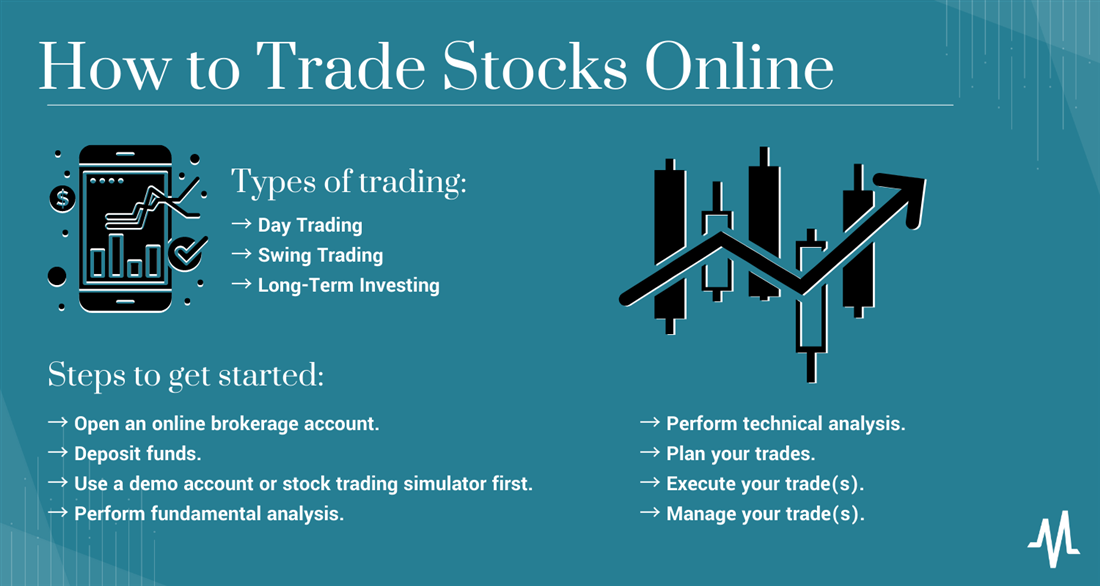
With your account funded and your goals defined, you’re ready to dive into the practical aspect of trading. This stage involves meticulous research, strategic execution, and diligent monitoring.
Conducting Due Diligence: Researching Companies
Blindly buying shares based on tips or hype is a recipe for disaster. Thorough research, often called due diligence, is paramount. This involves analyzing a company’s financial health, industry position, and future prospects.
-
Fundamental Analysis: This involves evaluating a company’s intrinsic value by examining its financial statements (income statement, balance sheet, cash flow statement), management team, competitive landscape, and economic outlook. Key metrics include earnings per share (EPS), price-to-earnings (P/E) ratio, revenue growth, debt levels, and profit margins. You want to identify companies with strong fundamentals that are potentially undervalued by the market.
-
Technical Analysis: This approach involves studying past market data, primarily price and volume, to identify patterns and predict future price movements. Technical analysts use charts, indicators (like moving averages, RSI, MACD), and various patterns (e.g., head and shoulders, double top/bottom) to determine entry and exit points. While it doesn’t assess a company’s intrinsic value, it can be useful for timing trades.
-
Industry and Sector Analysis: Understand the broader industry and sector the company operates in. Are there growth drivers? What are the competitive forces? Regulatory changes? A strong company in a declining industry might still face headwinds.
-
News and Events: Stay updated on company-specific news, earnings reports, product launches, mergers/acquisitions, and broader economic news that could impact stock prices.
Utilize resources like financial news websites, company investor relations pages, analyst reports, and your brokerage firm’s research tools.

Placing a Trade: Navigating Your Brokerage Platform
Once you’ve identified a stock you wish to buy or sell, you’ll use your brokerage platform to place the order.
-
Log In: Access your brokerage account online or via their mobile app.
-
Search for the Stock: Use the ticker symbol (a unique abbreviation, e.g., AAPL for Apple) or the company name to find the desired stock.
-
Initiate Trade: Select “Buy” or “Sell.”
-
Specify Quantity: Enter the number of shares you wish to trade.
-
Choose Order Type: Select your preferred order type (Market, Limit, Stop, Stop-Limit).
-
Review Order: Carefully review all details of your order – ticker, quantity, price, order type, and estimated cost – before submitting.
-
Confirm Trade: Once confirmed, the order will be sent to the market for execution. You’ll typically receive a confirmation once the trade is completed.
Monitoring Your Investments
Placing a trade isn’t the end of the process; it’s just the beginning. Continuous monitoring of your investments is crucial.
-
Track Performance: Regularly check the performance of your stocks. This doesn’t mean obsessive daily checking, but rather periodic reviews (e.g., weekly, monthly, quarterly) to ensure they are aligned with your investment thesis.
-
Stay Informed: Keep abreast of company news, earnings reports, industry developments, and macroeconomic factors that could affect your holdings.
-
Re-evaluate Your Thesis: If the fundamental reasons you invested in a company change significantly (e.g., new competition, management changes, disruptive technology), be prepared to re-evaluate your position. Your investment thesis should be dynamic, not static.
-
Consider Rebalancing: Periodically, your portfolio’s asset allocation might drift due to varying performance among your investments. Rebalancing involves adjusting your portfolio back to your target allocation by selling some high-performing assets and buying more of those that have underperformed or new opportunities.
Strategies for Successful Share Trading
Successful share trading isn’t about getting rich quick; it’s about employing sound strategies, managing risk, and maintaining discipline over time.
Long-Term Investing vs. Short-Term Trading
Your investment horizon significantly influences your strategy:
-
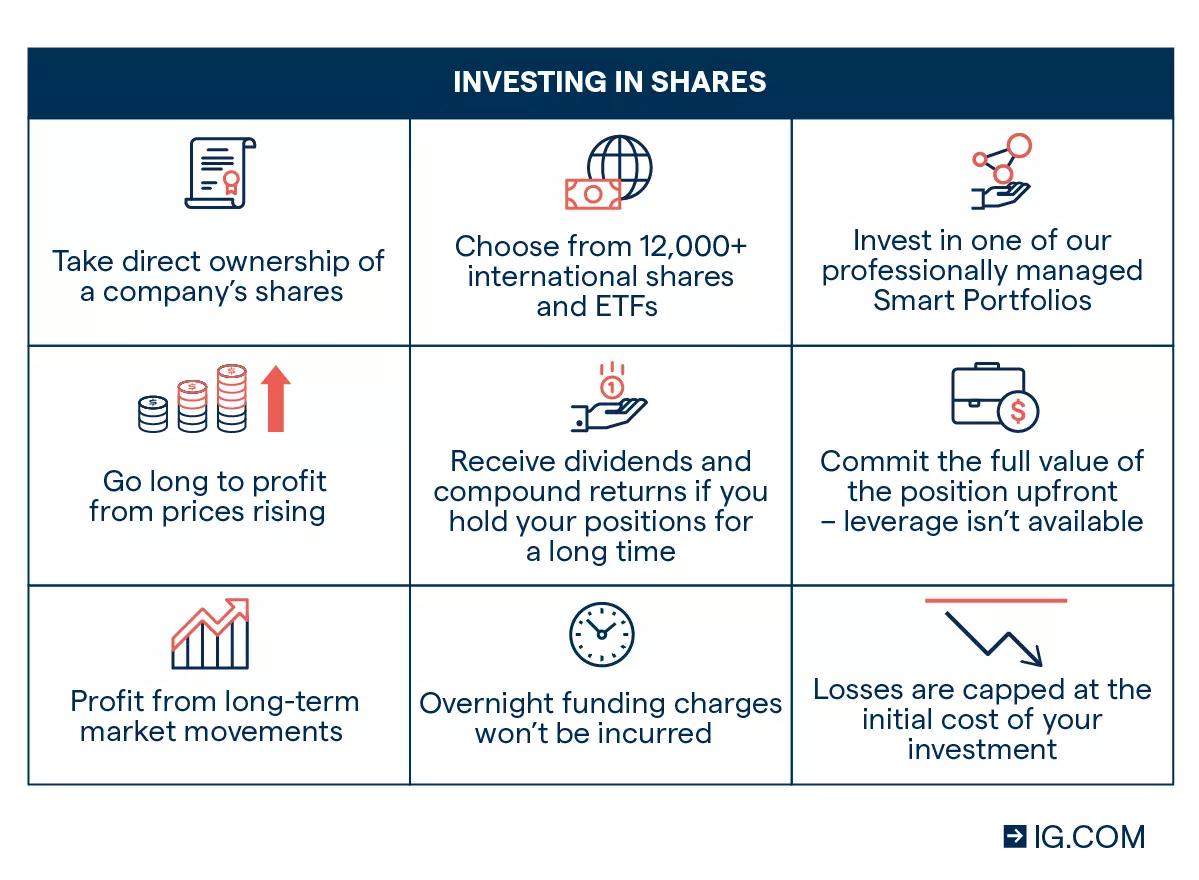
Long-Term Investing (Buy and Hold): This strategy involves buying shares of fundamentally strong companies and holding them for several years, even decades. The goal is to benefit from compound growth, dividends, and riding out short-term market fluctuations. This approach generally requires less active management and is often recommended for beginners. Investors focus on a company’s long-term growth potential and intrinsic value.
-
Short-Term Trading (Day Trading, Swing Trading): This involves buying and selling shares within a short period, sometimes even minutes or hours (day trading), or over a few days or weeks (swing trading), to profit from small price movements. This strategy is highly active, requires significant time commitment, advanced technical analysis skills, quick decision-making, and a high tolerance for risk. It’s generally not recommended for beginners due to its inherent volatility and complexity.
Diversification and Risk Management
One of the golden rules of investing is diversification: “Don’t put all your eggs in one basket.”
-
Diversification: Spread your investments across different companies, industries, sectors, and even asset classes (e.g., stocks, bonds, real estate). This reduces the impact of a single poorly performing investment on your overall portfolio. A diversified portfolio is more resilient to market downturns.
-
Asset Allocation: Determine the proportion of your portfolio allocated to different asset classes based on your risk tolerance and investment goals. For instance, a younger investor with a longer time horizon might have a higher allocation to stocks, while an older investor nearing retirement might opt for a more conservative mix with a higher proportion of bonds.
-
Risk Management Tools:
-
Stop-Loss Orders: As discussed, these help limit potential losses on a position.
-
Position Sizing: Determine how much capital you allocate to each individual trade based on your overall capital and risk tolerance. Avoid allocating too large a percentage of your portfolio to a single stock.
-
Never Invest More Than You Can Afford to Lose: This fundamental principle prevents financial distress from investment losses.
-
The Importance of Continuous Learning
The stock market is a dynamic entity, constantly evolving with new technologies, economic shifts, and regulatory changes. Successful traders and investors are perpetual learners.
-
Read Books and Articles: Delve into investment classics and contemporary analyses.
-
Follow Reputable Financial News: Stay informed about market trends, company news, and economic indicators.
-
Utilize Educational Platforms: Many brokers, financial websites, and online courses offer valuable learning resources.
-
Analyze Your Trades: Learn from both your successes and failures. What went right? What went wrong? Why? Keep a trading journal to track your decisions and their outcomes.
-
Stay Humble: The market can always surprise you. Avoid overconfidence and be willing to admit when you’re wrong.
Common Pitfalls and How to Avoid Them
The path to successful share trading is often fraught with potential missteps. Awareness of these common pitfalls can help you navigate the market more effectively and protect your capital.
Emotional Trading and Market Timing
One of the biggest enemies of an investor is their own emotions. Fear and greed often lead to poor decisions.
-
Fear: Panicking during market downturns and selling at the bottom, locking in losses instead of holding for recovery.
-
Greed: Chasing hot stocks, buying at inflated prices, or holding onto winners for too long, expecting infinite returns.
-
Market Timing: The attempt to predict short-term market movements to buy at the absolute bottom and sell at the absolute top. This is notoriously difficult, even for professionals, and often leads to missing out on significant gains. A disciplined, consistent investing approach (like dollar-cost averaging) often outperforms attempts at market timing over the long run.
To avoid: Develop a clear investment plan, stick to it, and use rational analysis rather than emotional reactions. Automate investments if possible.
Overleveraging and Chasing Trends
Using borrowed money (margin) to trade shares can amplify returns, but it also significantly amplifies losses, potentially leading to margin calls where you’re forced to sell holdings to cover your debt. For beginners, it’s generally advisable to avoid trading on margin.
Chasing “hot” stocks or “fad” trends without understanding the underlying fundamentals is another common mistake. By the time a stock becomes widely publicized, much of its upward potential may have already been realized, leaving latecomers vulnerable to price corrections.
To avoid: Invest only what you can afford to lose and thoroughly research every investment, regardless of its popularity. Focus on value and long-term potential rather than short-term hype.
The Cost of Inaction
While emotional trading is a pitfall, so too is complete inaction due to analysis paralysis or fear of making a mistake. The cost of not investing, especially over long periods, can be substantial due to missed opportunities for growth and the erosion of purchasing power by inflation.
To avoid: Start small, educate yourself continuously, and gradually build confidence. Begin with diversified, low-cost index funds or ETFs if individual stock picking feels too daunting. The most important step is often simply taking the first one.
Trading shares on the stock market is a powerful avenue for wealth creation, offering individuals the chance to participate in the growth of leading companies. It demands a blend of understanding market mechanics, diligent research, disciplined execution, and continuous learning. By starting with a clear understanding of your goals and risk tolerance, selecting a suitable brokerage, conducting thorough due diligence, and adhering to sound investment principles like diversification, you can navigate the complexities of the stock market effectively. While the journey may have its challenges, a patient, informed, and strategic approach will significantly enhance your potential for long-term financial success.
aViewFromTheCave is a participant in the Amazon Services LLC Associates Program, an affiliate advertising program designed to provide a means for sites to earn advertising fees by advertising and linking to Amazon.com. Amazon, the Amazon logo, AmazonSupply, and the AmazonSupply logo are trademarks of Amazon.com, Inc. or its affiliates. As an Amazon Associate we earn affiliate commissions from qualifying purchases.