
In the vast and dynamic world of finance, few asset classes hold as much prominence and capture as much attention as US equities. For individuals and institutional investors alike, understanding what US equities are, how they function, and the opportunities and risks they present is fundamental to navigating the global financial landscape. At its core, a US equity represents a slice of ownership in a company that is either based in or primarily operates within the United States. This seemingly simple definition unlocks a complex ecosystem of markets, investment strategies, and economic forces that drive wealth creation, innovation, and economic growth.
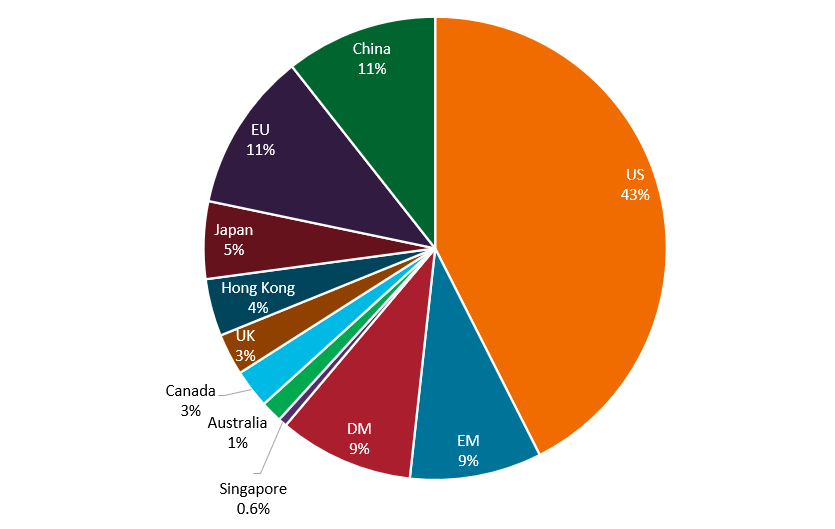
Investing in US equities means becoming a part-owner of some of the world’s most innovative, powerful, and influential companies. From technology giants that shape our daily lives to healthcare innovators pushing the boundaries of medicine, and consumer brands embedded in our culture, US corporations offer a diverse range of investment opportunities. These equities are traded on sophisticated exchanges like the New York Stock Exchange (NYSE) and NASDAQ, under the watchful eye of regulatory bodies such as the Securities and Exchange Commission (SEC), ensuring a degree of transparency and fairness in operations.
This comprehensive guide will delve into the intricacies of US equities, exploring their foundational principles, various types, compelling advantages, inherent risks, and practical approaches to integrating them into an investment portfolio. Whether you are a novice investor seeking to understand the basics or a seasoned veteran looking to refine your perspective, a deep dive into US equities is indispensable for anyone interested in American financial markets and long-term wealth building.
The Foundation of American Investment: Understanding Equities
To truly grasp the significance of US equities, one must first understand the fundamental concept of an equity itself. It’s more than just a ticker symbol; it’s a direct link to the real economy, representing tangible ownership and a claim on future profits.
Defining Equities: Ownership in a Company
An equity, commonly known as a stock or share, signifies a fractional ownership interest in a company. When you purchase a share of stock, you become a shareholder, meaning you own a small part of that corporation. This ownership bestows certain rights and privileges, most notably the right to a portion of the company’s assets and earnings, and often, the right to vote on certain corporate matters, such as the election of the board of directors.
The primary appeal of owning equities lies in their potential for capital appreciation and income generation. As a company grows, increases its profitability, and expands its market share, the value of its equity generally rises, leading to an increase in the stock price. Furthermore, many companies distribute a portion of their profits to shareholders in the form of dividends, providing a regular income stream. This combination of potential capital gains and dividend income makes equities a powerful tool for long-term wealth accumulation. The market value of a company’s total outstanding shares is known as its market capitalization, a key metric used to gauge its size and influence.
The “US” in US Equities: Domestic Market Focus
The “US” in US equities specifically refers to companies that are primarily incorporated, headquartered, and/or conduct the majority of their business operations within the United States. This distinction is crucial because the performance of these equities is largely influenced by the economic conditions, regulatory environment, and political landscape of the United States.
The US stock market is the largest and most liquid in the world, characterized by its deep capital pools, robust regulatory framework, and a culture of innovation and entrepreneurship. Major exchanges such as the New York Stock Exchange (NYSE) and NASDAQ facilitate the trading of millions of shares daily. The NYSE, known for its iconic trading floor, lists many older, larger, and more traditional companies, while NASDAQ is renowned for its electronic trading platform and its concentration of technology and growth-oriented companies. The regulatory oversight provided by the Securities and Exchange Commission (SEC) ensures investor protection, fair dealing, and transparent disclosure of information, contributing to the confidence global investors place in US markets. This strong foundational framework allows US equities to act as a bellwether for the global economy and a magnet for international capital.
Types and Characteristics of US Equities
Not all equities are created equal. The US market offers a diverse range of equity types, each with its own characteristics, risk profiles, and potential returns. Understanding these distinctions is crucial for building a well-rounded and effective investment portfolio.
Common Stock vs. Preferred Stock
The two primary types of stock issued by companies are common stock and preferred stock, each offering different rights and features to investors.
Common Stock represents the most basic form of ownership in a corporation. Holders of common stock typically have voting rights, allowing them to influence corporate policy and elect the board of directors. They also have the potential for significant capital appreciation if the company performs well. However, common stockholders are at the bottom of the priority ladder when it comes to receiving payments in the event of a company’s liquidation; they only get paid after bondholders and preferred stockholders. The upside potential, coupled with the inherent risk, makes common stock the primary vehicle for long-term growth investors.
Preferred Stock, on the other hand, generally does not carry voting rights. Its primary appeal lies in its fixed dividend payments, which are typically higher than common stock dividends and must be paid before any dividends can be distributed to common stockholders. In the event of liquidation, preferred stockholders have a higher claim on the company’s assets than common stockholders, though still subordinate to bondholders. Preferred stock often behaves more like a bond than a common stock, offering stability and income, making it attractive to income-oriented investors seeking less volatility.
Categorizing Equities by Market Capitalization
Market capitalization, or “market cap,” is a crucial metric that defines the total value of a company’s outstanding shares. It’s calculated by multiplying the current share price by the total number of shares outstanding. This classification helps investors understand the size, maturity, and potential growth trajectory of a company.
-
Large-cap stocks typically represent companies with a market cap of $10 billion or more. These are often established, well-known companies with stable earnings, a strong market presence, and a long track record of performance. They are generally considered less volatile than smaller companies and are often included in major indices like the S&P 500. Examples include Apple, Microsoft, and Amazon.
-
Mid-cap stocks fall within a market cap range of roughly $2 billion to $10 billion. These companies are often in a growth phase, having moved beyond the initial startup stage but still possessing significant potential for expansion. They can offer a blend of growth potential and relative stability, though they may experience more volatility than large-cap stocks.
-
Small-cap stocks have market caps ranging from about $300 million to $2 billion. These are often newer, smaller companies with significant growth potential but also higher risk. They can be highly volatile and sensitive to economic fluctuations but may offer superior returns if they succeed in growing rapidly.
Sectoral Diversification within US Equities
The US equity market is organized into various sectors, each representing a specific industry or group of industries. These sectors react differently to economic cycles, technological advancements, and consumer trends. Understanding sector dynamics is vital for effective diversification.
Key sectors include:
-
Technology: Software, hardware, internet services, semiconductors (e.g., Apple, Microsoft, NVIDIA). Often growth-oriented and sensitive to innovation cycles.
-
Healthcare: Pharmaceuticals, biotech, medical devices, healthcare services (e.g., Johnson & Johnson, Pfizer, UnitedHealth Group). Generally considered defensive and less cyclical due to constant demand.
-
Financials: Banks, insurance companies, investment firms (e.g., JPMorgan Chase, Bank of America, Berkshire Hathaway). Highly sensitive to interest rates and economic growth.
-
Consumer Discretionary: Retail, automotive, entertainment (e.g., Amazon, Tesla, Starbucks). Performance often tied to consumer spending and economic confidence.
-
Consumer Staples: Food, beverages, household products (e.g., Procter & Gamble, Coca-Cola, Walmart). Relatively stable and defensive, as demand is consistent regardless of economic conditions.
-
Industrials: Manufacturing, aerospace, transportation (e.g., General Electric, Boeing, Caterpillar). Cyclical, tied to overall economic health and infrastructure spending.
-
Energy: Oil & gas exploration, production, refining (e.g., ExxonMobil, Chevron). Highly sensitive to commodity prices and geopolitical events.
-
Utilities: Electric, gas, water providers (e.g., NextEra Energy, Duke Energy). Often stable, dividend-paying, and regulated, seen as defensive.
Diversifying across different sectors can help mitigate risk, as underperformance in one sector may be offset by outperformance in another.
Why Invest in US Equities? Advantages and Opportunities
For decades, US equities have been a cornerstone of successful investment portfolios globally. Their appeal stems from a combination of robust market infrastructure, innovation, and a track record of generating significant long-term wealth.
Potential for Capital Appreciation
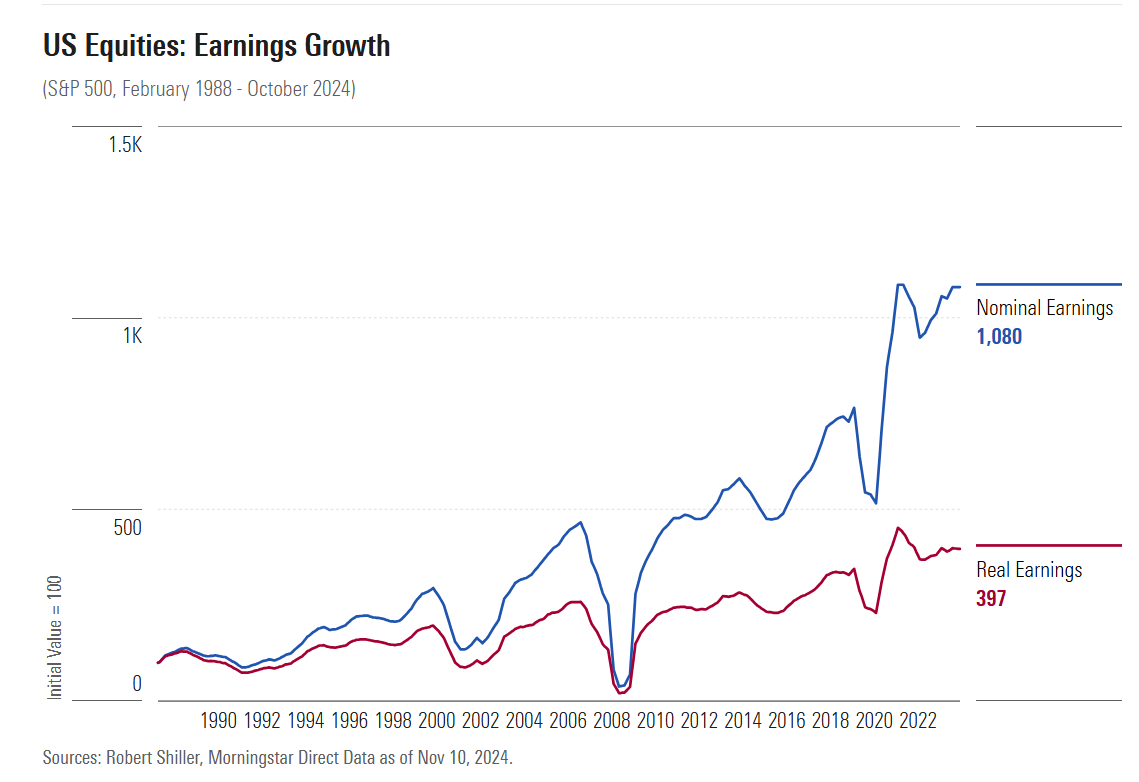
One of the most compelling reasons to invest in US equities is their proven potential for capital appreciation over the long term. Historically, the US stock market, as represented by indices like the S&P 500, has delivered impressive average annual returns, outperforming many other asset classes. This growth is driven by the fundamental ability of US companies to innovate, increase profits, expand into new markets, and enhance shareholder value.
Investors who hold equities for extended periods, allowing for the power of compounding, often find their initial investment growing significantly. While short-term volatility is inherent, the long-term trend of the US market has consistently been upward, reflecting the enduring strength and adaptability of the American economy and its corporations. This long-term growth potential makes US equities an essential component for individuals aiming to build substantial wealth for retirement, education, or other significant financial goals.
Dividend Income
Beyond capital appreciation, many US equities offer another attractive benefit: dividend income. Dividends are regular payments made by companies to their shareholders, typically from a portion of their profits. For income-focused investors, these payouts can provide a steady stream of cash flow, which can either be spent or reinvested to purchase more shares, further accelerating the compounding process.
Companies with a long history of consistently paying and increasing dividends are often referred to as “Dividend Aristocrats” or “Dividend Kings.” These firms typically possess stable business models, strong balance sheets, and a commitment to returning value to shareholders, making them attractive to investors seeking reliability and income generation. The reinvestment of dividends can significantly enhance total returns over time, acting as a powerful engine for portfolio growth.
Liquidity and Transparency
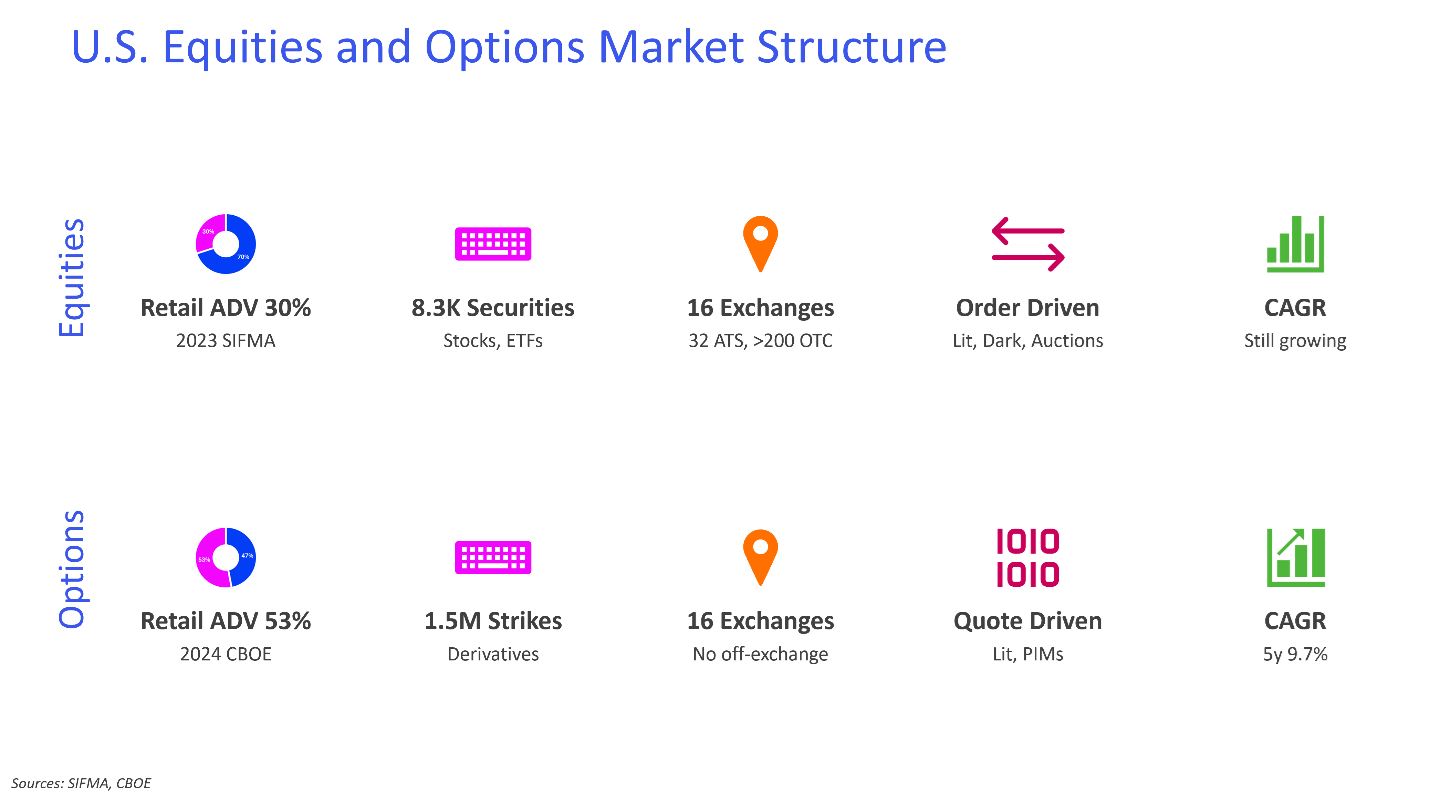
The US stock market is renowned for its high liquidity and transparency, which are significant advantages for investors. Liquidity refers to the ease with which an asset can be bought or sold without significantly impacting its price. With billions of shares traded daily on major US exchanges, investors can typically execute trades quickly and efficiently, entering or exiting positions as needed. This high volume of trading ensures that there is almost always a buyer for every seller, providing flexibility and reducing the risk of being stuck with an illiquid asset.
Transparency is another hallmark of US equities, thanks to stringent regulatory requirements. Publicly traded companies are mandated by the SEC to regularly disclose comprehensive financial information, including quarterly and annual reports, earnings calls, and material news. This wealth of readily available information allows investors to thoroughly research companies, evaluate their financial health, and make informed decisions, fostering trust and confidence in the market.
Participation in Economic Growth
Investing in US equities offers a direct means to participate in and benefit from the growth of the American economy. The US economy is characterized by its dynamic nature, technological innovation, entrepreneurial spirit, and robust consumer base. By owning shares in US companies, investors gain exposure to these powerful economic drivers.
Many US corporations are not only dominant domestically but also have a significant global presence, deriving a substantial portion of their revenues from international markets. This means that investing in US equities can also provide indirect exposure to global economic growth while leveraging the stable and well-regulated framework of the US market. As US companies develop new products, enter new markets, and improve productivity, shareholders stand to gain from their success, making equities a fundamental way to align one’s personal wealth with the broader trajectory of economic progress.
Risks and Considerations for US Equities
While the allure of US equities is strong, it’s crucial for investors to understand that these investments come with inherent risks. A balanced perspective requires acknowledging both the opportunities and the potential pitfalls to make informed decisions and manage expectations.
Market Volatility and Price Fluctuations
One of the most immediate and visible risks associated with US equities is market volatility. Stock prices can fluctuate dramatically over short periods, sometimes moving up or down by several percentage points in a single day. These fluctuations are influenced by a myriad of factors, including company-specific news (earnings reports, product launches), broader economic data (inflation, interest rates, employment figures), geopolitical events, investor sentiment, and even algorithmic trading.
While volatility can present buying opportunities for long-term investors, it can also lead to significant paper losses, especially for those with a short-term investment horizon or a low tolerance for risk. The emotional impact of seeing portfolio values drop can be challenging, underscoring the importance of a well-thought-out investment strategy and a disciplined approach to staying invested through market cycles.
Company-Specific Risks (Idiosyncratic Risk)
Beyond broad market movements, individual US equities are subject to company-specific risks, also known as idiosyncratic risks. These risks pertain directly to a particular company’s operations, management, industry, or competitive landscape, regardless of the overall market performance.
Examples include:
-
Poor Management Decisions: Ineffective leadership, ethical breaches, or strategic missteps can severely impact a company’s profitability and stock price.
-
Competitive Pressures: Intense competition from rivals or disruptive new technologies can erode a company’s market share and profit margins.
-
Product Failure or Obsolescence: A key product failing to gain traction, or becoming obsolete due to innovation, can significantly harm a company’s prospects.
-
Regulatory Changes: New government regulations specific to an industry can impose costs or restrict a company’s operations.
-
Operational Issues: Supply chain disruptions, production failures, or cybersecurity breaches can negatively affect a company’s performance.
Mitigating idiosyncratic risk often involves thorough fundamental analysis of a company’s financial health, business model, management quality, and competitive advantages, as well as diversifying across multiple companies and sectors.
Economic and Systemic Risks
US equities are also exposed to broader economic and systemic risks that can affect the entire market or significant portions of it. These are macro-level factors that can cause widespread market downturns.
-
Recessions: Periods of significant economic contraction typically lead to reduced corporate earnings and, consequently, lower stock prices.
-
Inflation: High inflation can erode purchasing power, increase company costs, and often leads to higher interest rates, which can make equities less attractive compared to fixed-income investments.
-
Interest Rate Changes: The Federal Reserve’s decisions on interest rates significantly impact borrowing costs for companies and the attractiveness of alternative investments. Higher rates can slow economic growth and reduce the present value of future corporate earnings.
-
Geopolitical Events: Wars, trade disputes, political instability, and international crises can introduce uncertainty and shock into financial markets, affecting investor sentiment and corporate profitability.
-
Systemic Financial Crises: Events like the 2008 global financial crisis or the dot-com bubble burst in 2000 demonstrate how widespread failures within the financial system can trigger severe market corrections across almost all equity investments.
Diversification across different asset classes (e.g., bonds, real estate) and geographic regions can help to cushion the blow from these systemic risks, although no investment is entirely immune.
How to Invest in US Equities
Investing in US equities can seem daunting at first, but with the right knowledge and tools, it becomes an accessible and rewarding endeavor. The approach you choose will depend on your financial goals, risk tolerance, and time horizon.
Direct Stock Ownership vs. Pooled Investments
When looking to invest in US equities, you essentially have two main avenues: buying individual stocks or investing in pooled funds that hold many stocks.
Direct Stock Ownership involves purchasing shares of specific companies directly through a brokerage account. This approach allows you to handpick companies based on your research and convictions, potentially leading to higher returns if your selections perform exceptionally well. However, it also carries higher company-specific risk, as your portfolio’s performance is heavily dependent on the success of a few chosen companies. It requires significant time for research and monitoring.
Pooled Investments offer diversification and professional management by investing in a collection of stocks. The most common forms are:
-
Mutual Funds: Professionally managed portfolios of stocks (and sometimes other assets) that aim to achieve specific investment objectives. They can be actively managed (where a fund manager makes buy/sell decisions) or passively managed (designed to track a specific index).
-
Exchange-Traded Funds (ETFs): Similar to mutual funds but trade like individual stocks on exchanges throughout the day. Many ETFs are designed to track broad market indices (e.g., S&P 500 ETF), specific sectors, or investment themes, offering broad diversification at often lower costs than actively managed mutual funds.
For most individual investors, especially those starting out, pooled investments like diversified ETFs or index mutual funds offer an excellent way to gain broad exposure to US equities with reduced idiosyncratic risk and lower management effort.
Investment Accounts and Platforms
To invest in US equities, you’ll need an investment account through a brokerage firm. These can be categorized primarily into taxable accounts and tax-advantaged retirement accounts.
-
Taxable Brokerage Accounts: These are standard investment accounts where your capital gains and dividends are subject to taxes in the year they are realized or received. They offer flexibility, with no contribution limits or restrictions on withdrawals.
-
Retirement Accounts: These accounts offer significant tax benefits to encourage saving for retirement. Common examples include:
-
401(k)s: Employer-sponsored plans, often with employer matching contributions, allowing pre-tax contributions to grow tax-deferred.
-
Individual Retirement Accounts (IRAs): Personal retirement accounts (Traditional or Roth) that offer tax deductions on contributions or tax-free withdrawals in retirement, respectively.
-
Roth IRAs/401(k)s: Contributions are made with after-tax money, but qualified withdrawals in retirement are entirely tax-free.
-
Modern online brokerage platforms (e.g., Fidelity, Charles Schwab, Vanguard, E*TRADE, Robinhood) have made investing more accessible than ever. They offer user-friendly interfaces, educational resources, research tools, and often commission-free trading for stocks and ETFs. For those who prefer a hands-off approach, robo-advisors (e.g., Betterment, Wealthfront) use algorithms to build and manage diversified portfolios based on your risk tolerance and financial goals, often at a lower cost than traditional human financial advisors.
Developing an Investment Strategy
A successful investment journey in US equities begins with a clear, personalized strategy. This involves several key steps:
-
Define Financial Goals: What are you investing for? Retirement, a down payment, children’s education? Clear goals help determine your time horizon and required returns.
-
Assess Risk Tolerance: How comfortable are you with market fluctuations and potential losses? Your risk tolerance should guide the allocation of your portfolio between different asset classes and types of equities.
-
Determine Time Horizon: The longer your investment horizon, the more time your investments have to recover from downturns and benefit from compounding, often allowing for a higher allocation to equities.
-
Diversification: Do not put all your eggs in one basket. Diversify across different companies, sectors, market capitalizations, and even geographic regions to mitigate risk. Pooled funds like ETFs are excellent for this.
-
Regular Contributions: Consistent investing through dollar-cost averaging (investing a fixed amount regularly, regardless of market highs or lows) can help reduce the impact of volatility and build wealth over time.
-
Continuous Learning and Review: The market is always evolving. Stay informed, regularly review your portfolio, and make adjustments as your life circumstances or financial goals change. Consider seeking advice from a qualified financial advisor, especially for complex financial situations.
By combining a clear understanding of what US equities are, a diversified approach, and a disciplined investment strategy, you can harness the power of the US stock market to work towards your long-term financial aspirations.
In conclusion, US equities represent ownership stakes in American companies, offering profound opportunities for wealth creation through capital appreciation and dividend income. Their appeal is underpinned by the robust infrastructure, innovation, and transparency of the US financial markets. However, investors must also navigate inherent risks, including market volatility, company-specific challenges, and broader economic headwinds. By understanding the various types of equities, leveraging diversified investment vehicles like ETFs, and adhering to a well-defined, long-term investment strategy, individuals can effectively participate in the growth of the American economy and build a resilient financial future. Careful consideration, continuous learning, and a disciplined approach are paramount to successful investing in this dynamic asset class.
aViewFromTheCave is a participant in the Amazon Services LLC Associates Program, an affiliate advertising program designed to provide a means for sites to earn advertising fees by advertising and linking to Amazon.com. Amazon, the Amazon logo, AmazonSupply, and the AmazonSupply logo are trademarks of Amazon.com, Inc. or its affiliates. As an Amazon Associate we earn affiliate commissions from qualifying purchases.