
In the competitive landscape of consumer goods, a name is far more than a mere label; it is the cornerstone of brand identity, a powerful descriptor that shapes perception, evokes emotion, and communicates intrinsic value. For alcoholic beverages, the term “spirits” carries a profound historical weight, imbuing the category with a sense of mystique, potency, and an almost alchemical allure. Understanding why these distilled beverages are called spirits is not just an exercise in etymology; it is a deep dive into the historical origins of a product category’s identity, revealing foundational principles that continue to inform brand strategy, marketing narratives, and consumer engagement in the modern era.

The journey from a raw agricultural product to a refined, potent liquid was once viewed with a sense of wonder, even magic. This transformative process of distillation, which separated the volatile, intoxicating “essence” from its less refined components, lent itself to language steeped in the philosophical and scientific understanding of its time. For today’s brand strategists, recognizing the deep-seated meaning behind “spirits” offers invaluable insights into leveraging heritage, crafting authentic narratives, and building enduring brand equity within one of the world’s oldest and most dynamic industries.
The Etymological Roots: A Journey into the “Spirit” of Distillation
The nomenclature of “spirits” for alcoholic beverages traces its origins back to a fascinating intersection of ancient philosophy, early chemistry, and medieval alchemy. This historical journey reveals how the very act of distillation was perceived, laying the groundwork for a name that would define an entire category.
From Latin ‘Spiritus’ to Alchemical Mysticism
The term “spirit” itself is derived from the Latin word ‘spiritus’, meaning “breath,” “soul,” or “life-force.” In ancient and medieval thought, ‘spiritus’ was understood as an animating principle, an invisible, ethereal essence that gave life and vitality to all living things. When the art of distillation began to develop in earnest, particularly in the Arab world and later in medieval Europe, observers noted a striking phenomenon: the process seemed to extract the very ‘spirit’ of the raw material.
Through heating and cooling, a clear, volatile liquid was separated from a much larger volume of fermented mash. This new liquid was potent, intoxicating, and seemed to embody the concentrated essence – the very soul or spirit – of the original wine, grain, or fruit. It evaporated readily, much like a breath, and its effects on the human mind and body were profound, leading to a strong conceptual link between the distilled product and the philosophical notion of ‘spiritus’. This was not merely a functional description but a reflection of a worldview that sought to understand the hidden forces and essences within nature. For nascent brands in these early stages, this perceived magical extraction naturally formed the core of their product’s identity and perceived value.
The Elixir of Life: Aqua Vitae and Its Potency
Complementing the concept of ‘spiritus’ was another foundational term: “aqua vitae,” Latin for “water of life.” This descriptor emerged as the use of distilled alcohol began to spread across Europe, particularly for medicinal purposes. Early distillers and apothecaries believed that this potent liquid possessed remarkable curative properties, capable of invigorating the body, preserving health, and even prolonging life. It was seen as a universal panacea, an elixir that captured the vital essence of its source material and translated it into a concentrated form beneficial to human vitality.
The term “aqua vitae” reinforced the perception of distilled alcohol as something precious, life-giving, and inherently powerful. Brands like Eau de Vie (French) and Akvavit (Scandinavian) directly inherit this historical nomenclature, underscoring a lineage that speaks to health, vitality, and even divine intervention. For brand strategists, this historical context highlights the earliest form of value proposition: a product that transcended mere consumption to offer profound, life-affirming benefits. This aspirational positioning, rooted in perceived medicinal efficacy, laid a vital groundwork for establishing premium pricing and a unique brand narrative from the outset.
The Transformative Power of Distillation
At its core, the naming convention of “spirits” is a testament to the transformative power of distillation itself. It’s a process that takes something seemingly ordinary (fermented grapes, grains, potatoes) and elevates it into something extraordinary – concentrated, purer, and significantly more potent. This metamorphosis was often seen as a form of alchemy, an almost magical ability to extract and concentrate the essential qualities.
From a brand perspective, this transformative narrative is incredibly powerful. It suggests sophistication, refinement, and a mastery of craft. Early distillers, in essence, were the first brand builders, packaging and presenting their “spirits” as products of superior extraction and inherent quality. This intrinsic understanding of the distillation process as one of essentialization and elevation became synonymous with the product itself, forming an indelible link in the minds of early consumers. Modern brands continue to leverage this idea, emphasizing purity, artisanal processes, and the “essence” of their ingredients to communicate quality and exclusivity.
Beyond the Word: How Etymology Shapes Category Identity
The historical naming of “spirits” is not merely an interesting linguistic quirk; it is a foundational element that has profoundly shaped the entire category’s identity. This deep historical root has influenced everything from early brand perceptions to the ongoing development of marketing strategies.
Crafting Mystique and Allure: Early Brand Building
The inherent mystique associated with “spirits” – the idea of an extracted essence, an “aqua vitae” – naturally lent itself to building allure around these products. In a pre-modern world, where scientific understanding was intertwined with philosophical and even magical thinking, a product described as a “spirit” carried an immediate sense of wonder and potency. This was a crucial, albeit unintentional, early form of brand building.
Brands within this category did not just sell a liquid; they sold an experience, a concentrated essence that promised transformative effects. This foundational mystique allowed for premium positioning and differentiated spirits from simpler fermented beverages like beer or wine. For corporate identity, this meant that distilleries and their products were inherently associated with sophisticated processes and profound effects, setting a high bar for quality perception and consumer expectation. The continued use of elegant bottles, intricate labels, and evocative brand names across the industry today directly inherits this tradition of crafting allure.
Quality Perception and the “Essence” of the Product
The concept of “spirit” directly communicates purity and concentration, which are inextricably linked to perceptions of quality. If something is the “spirit” or “essence” of a substance, it implies it is the best, most potent, and most refined part. This built-in perception of high quality has been a cornerstone for brands in the spirits category for centuries.
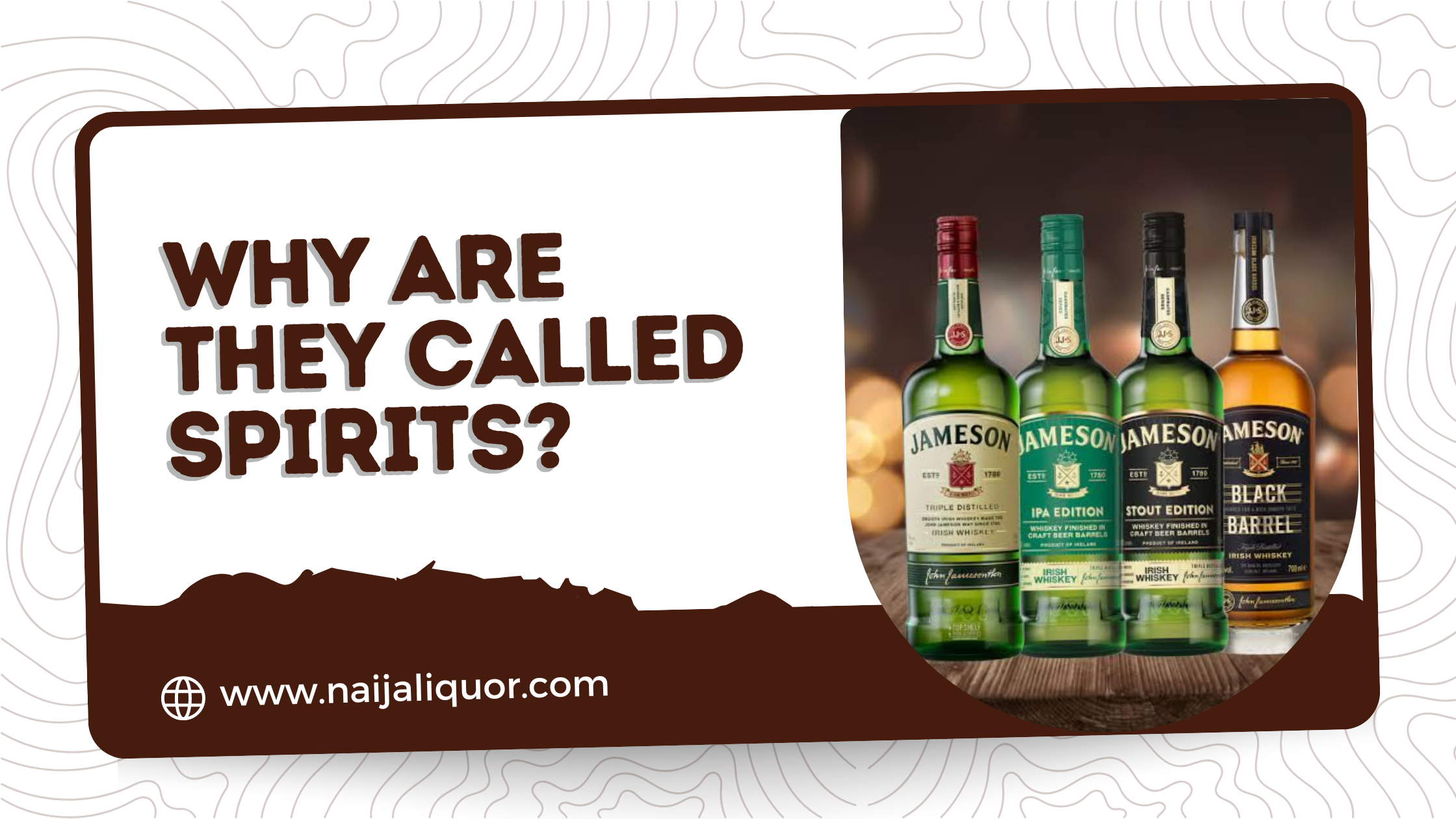
From whiskey to gin, vodka to rum, the expectation is that these are not merely alcoholic drinks but carefully crafted products representing the pinnacle of their ingredients and distillation process. This quality perception allows brands to justify higher price points and cultivate an image of exclusivity and discernment. Brand strategists today continue to highlight aspects like “single malt,” “small batch,” “triple distilled,” or “aged” to reinforce this intrinsic sense of extracted essence and superior quality, directly echoing the foundational idea encapsulated by the term “spirit.”
Cultural Resonances and Historical Weight
The term “spirits” is deeply embedded in cultural consciousness, carrying centuries of historical weight and associations. It evokes images of celebration, ceremony, social bonding, and sophisticated enjoyment. This rich cultural resonance provides an unparalleled backdrop for brand storytelling and identity formation.
The historical understanding of “aqua vitae” as a medicinal and invigorating substance contributes to a perception of spirits as products that enhance life, elevate moments, and connect people. This cultural significance allows brands to transcend mere product features and tap into deeper human desires for experience, connection, and celebration. For brand identity, this means aligning with established cultural narratives and leveraging a shared history that resonates deeply with target audiences, from traditionalists to modern consumers seeking authentic experiences.
Modern Branding Through the Lens of Historical Naming
The historical naming convention of “spirits” offers a powerful toolkit for contemporary brand strategy, providing a rich tapestry of associations and narratives that can be leveraged to connect with consumers on a deeper level.
Leveraging Heritage in Contemporary Marketing
In an increasingly crowded market, heritage is a powerful differentiator. Brands that can authentically connect their products to the deep history and etymology of “spirits” gain an immediate advantage in terms of perceived authenticity and tradition. This is particularly true for premium and ultra-premium spirits, where storytelling about origin, craftsmanship, and legacy plays a crucial role.
Modern marketing campaigns frequently highlight founding dates, ancestral recipes, or geographical origins that reinforce a sense of enduring quality and timeless appeal. Brands use terms like “traditional distillation methods,” “ancient recipes,” or “generations of expertise” to tap into the very essence of what makes a product a “spirit”—its refined, enduring character. This strategic emphasis on heritage is not just about nostalgia; it’s about communicating a commitment to quality and process that has stood the test of time, directly stemming from the early perceptions of distillation’s transformative power.
Brand Storytelling: Weaving the “Spirit” Narrative
The term “spirit” itself is a narrative powerhouse. It invites stories of transformation, essence, life, and vitality. For brands, this translates into endless opportunities for engaging storytelling that goes beyond ingredients or taste notes.
A brand can tell the story of its founder’s “spirit” of innovation, the “spirit” of the land from which its ingredients are sourced, or the “spirit” of celebration that its product embodies. This allows brands to create compelling narratives that resonate emotionally with consumers, fostering a deeper connection than purely functional advertising could achieve. Whether it’s the rugged “spirit” of a Scottish distiller, the vibrant “spirit” of Caribbean rum, or the innovative “spirit” of a craft gin maker, the core concept provides a flexible framework for diverse brand identities. This narrative depth helps build brand loyalty and ensures that the product is seen not just as a beverage, but as an experience, a memory, or an aspiration.
Differentiating in a Saturated Market
In a global market flooded with countless brands and product innovations, distinguishing oneself is paramount. The fundamental concept behind “spirits” provides a unique lens for differentiation. By leaning into the notions of essence, purity, and life-force, brands can articulate a distinct value proposition.
This could involve emphasizing the “spirit” of a particular ingredient (e.g., the juniper “spirit” in gin), the “spirit” of a unique aging process, or the “spirit” of a cultural tradition. Craft distilleries, in particular, excel at this, often creating brands that embody the “spirit” of a local community or a specific artisanal philosophy. By grounding their corporate identity and marketing in the etymological depth of the category name, brands can carve out unique niches and communicate a richer, more meaningful identity that stands apart from generic competitors. It moves beyond simply selling alcohol to selling a distilled experience.
The Enduring Impact on Consumer Perception and Brand Loyalty
The historical significance embedded in the term “spirits” continues to shape how consumers perceive these products and ultimately influences their loyalty to specific brands. It’s a subtle yet powerful psychological anchor.
Communicating Value Beyond the Liquid
The name “spirits” elevates the product beyond its physical form. Consumers unconsciously associate it with something more profound than a simple drink—an essence, a concentrated value. This allows brands to communicate value that extends beyond the liquid in the bottle. They are selling aspiration, celebration, heritage, and the promise of an elevated experience.
When a consumer chooses a brand of “spirit,” they are often buying into a lifestyle, a tradition, or a moment. This psychological layering of value helps justify premium pricing and fosters a perception of quality and sophistication. For brand loyalty, this means building a relationship with the consumer that is based on more than just taste; it’s about connecting with the deeper emotional and aspirational meanings embedded in the very name of the product category.
The Psychological Connection to “Spirit”
The word “spirit” itself carries positive connotations for many, evoking ideas of strength, passion, character, and vitality. When applied to alcoholic beverages, these connotations can subtly influence consumer psychology, creating a positive emotional link to the product.
This psychological resonance can enhance enjoyment and foster a sense of connection to the brand. Consumers might feel that by consuming a particular “spirit,” they are embodying or partaking in certain desired qualities. Brands skillfully tap into this by creating advertising that speaks to boldness, adventure, sophistication, or camaraderie – all extensions of the inherent “spirit” concept. This emotional branding cultivates a deeper affinity, making consumers not just purchasers, but advocates for the brands they choose.

Building Brand Trust and Authenticity
Finally, understanding and respecting the historical origins of the term “spirits” can significantly contribute to building brand trust and authenticity. Brands that embrace their heritage and articulate a clear connection to the traditions and craftsmanship implied by the name often resonate more genuinely with consumers.
In an age where consumers seek authenticity and transparency, a brand that can genuinely tell its story, linking its product to the centuries-old pursuit of the “spirit” or “aqua vitae,” builds a stronger foundation of trust. This authenticity is a powerful driver of brand loyalty, as consumers are more likely to commit to brands they perceive as having genuine roots, a clear purpose, and a consistent identity. The very name “spirits” serves as a constant reminder of this profound historical lineage, offering an inexhaustible wellspring for brand builders seeking to craft identities that are both resonant and enduring.
aViewFromTheCave is a participant in the Amazon Services LLC Associates Program, an affiliate advertising program designed to provide a means for sites to earn advertising fees by advertising and linking to Amazon.com. Amazon, the Amazon logo, AmazonSupply, and the AmazonSupply logo are trademarks of Amazon.com, Inc. or its affiliates. As an Amazon Associate we earn affiliate commissions from qualifying purchases.