
The seemingly simple question, “How much is a round trip?”, belies a complex financial landscape shaped by a myriad of variables. In the realm of personal finance and astute budgeting, understanding the true cost of travel is paramount. A round trip, whether for leisure, business, or necessity, is rarely just the price of a ticket. It encompasses a spectrum of expenses that can significantly impact one’s financial planning, ranging from core transportation and accommodation to often-overlooked ancillary costs and discretionary spending. For any individual or business embarking on travel, a comprehensive financial outlook is not just beneficial, but essential for a smooth, stress-free, and fiscally responsible journey. This article delves into the intricate financial components of modern round-trip travel, offering insights into how to accurately estimate, manage, and optimize your travel budget.

The Core Components of Round Trip Expenses
At the heart of any round trip’s financial footprint are the primary expenditures that facilitate the journey itself. These are typically the first costs travelers consider, but their nuances are often underestimated.
Transportation Fares: The Gateway to Your Destination
The cost of getting from point A to point B and back constitutes a significant portion of a round trip’s budget. This category is highly dynamic, influenced by mode of transport, booking timing, and chosen class of service.
-
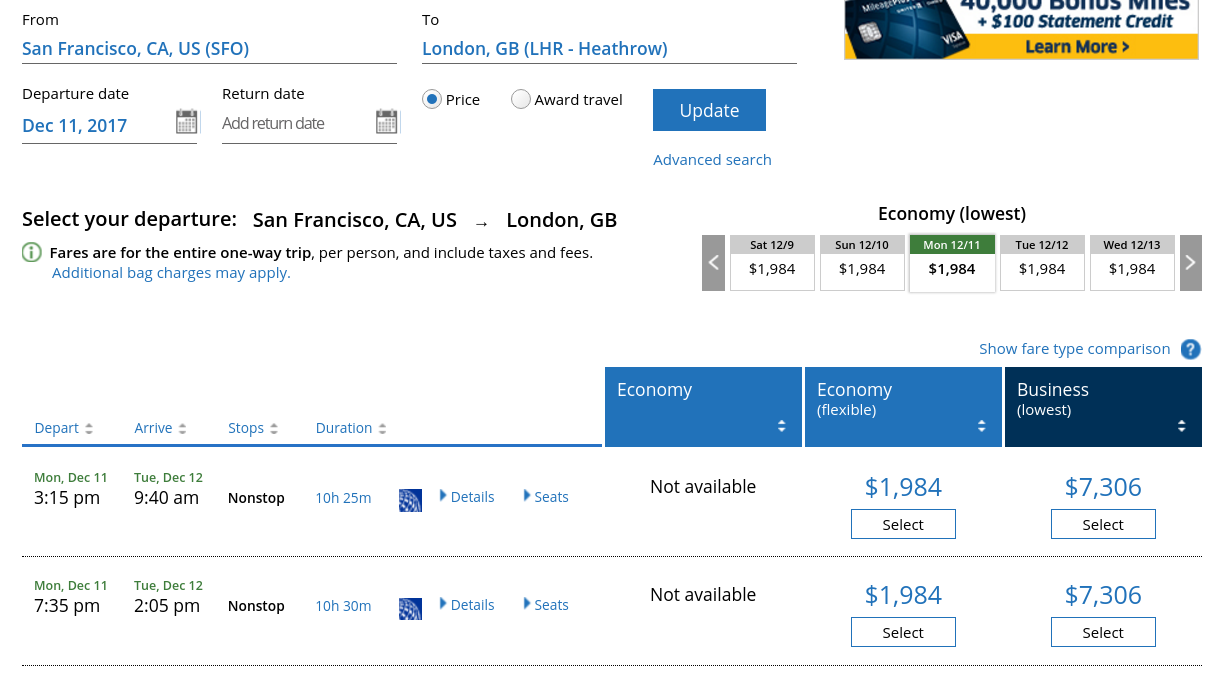
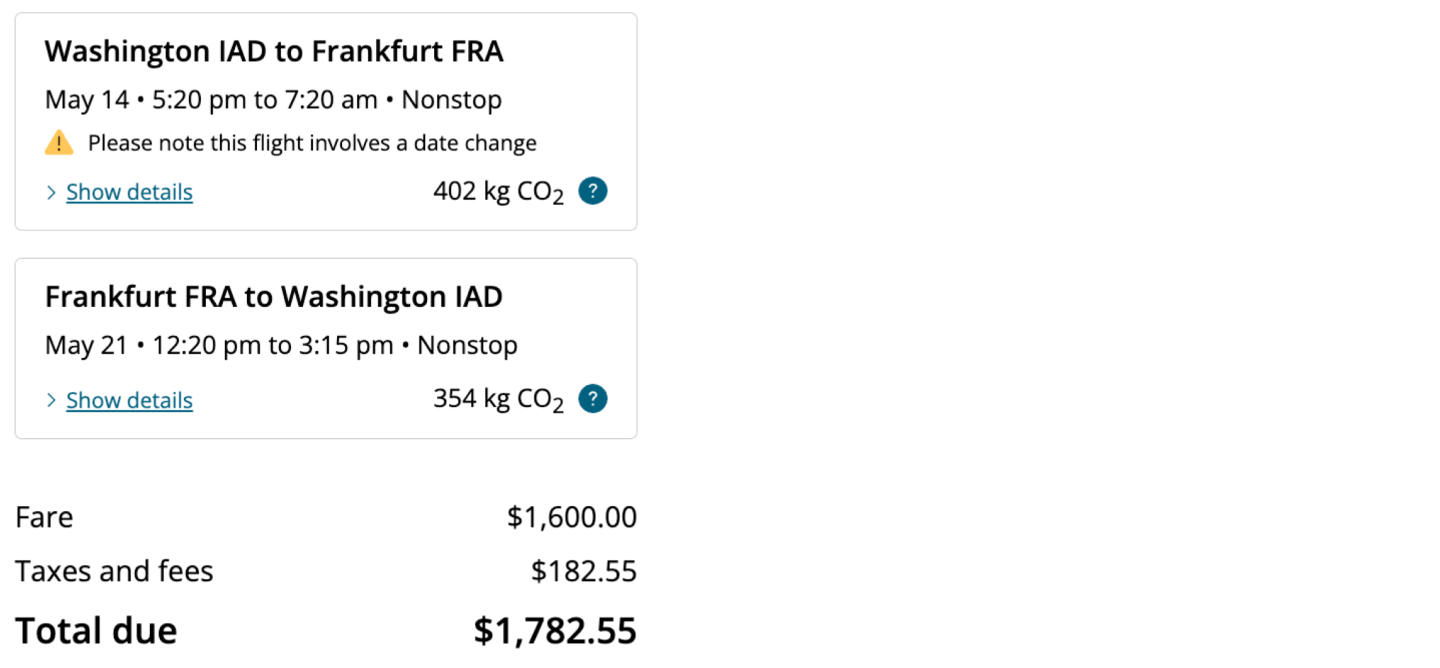
Airline Tickets: For many, air travel is the go-to for round trips, especially over long distances. Fares fluctuate wildly based on numerous factors. Booking significantly in advance (often 2-3 months for international, 1-2 months for domestic) usually yields better prices, though last-minute deals can occasionally emerge for the flexible traveler. Seasonality plays a massive role, with peak travel periods (holidays, summer months) invariably driving prices higher. The choice between budget airlines and full-service carriers also impacts the bottom line; while budget airlines offer lower base fares, they often charge extra for baggage, seat selection, and even printing boarding passes, which can quickly add up. Direct flights are typically more expensive than those with layovers, trading convenience for potential savings.
-
Train and Bus Services: For shorter to medium distances, or within regions with extensive rail networks (like Europe), trains and buses offer viable alternatives. Train fares can range from economical regional services to premium high-speed intercity routes. Booking rail passes can be cost-effective for extensive travel within a specific region or country, but point-to-point tickets bought in advance often provide the best value for specific routes. Bus travel is generally the most economical land transport option, though it often comes with longer travel times. Advanced booking is also recommended for both train and bus tickets to secure lower prices, especially during popular travel times.
-
Car Rentals: If the round trip involves exploring a region or multiple destinations without fixed public transport routes, a rental car may be necessary. Rental costs are influenced by the vehicle type, rental duration, pickup/drop-off locations (one-way rentals often incur hefty fees), and insurance coverage. Fuel costs, which can vary significantly by country and region, must also be factored into the overall budget. Opting for a fuel-efficient car or considering car-sharing services can help mitigate these expenses.
Accommodation: Your Home Away From Home
Where you sleep each night is another primary cost driver. Accommodation choices vary widely in price and amenities, catering to every budget and preference.
-
Hotels and Resorts: These represent a broad spectrum, from budget-friendly motels to luxurious five-star resorts. Prices are dictated by location (city center vs. outskirts), star rating, brand, and the time of year. Booking platforms often offer competitive rates, but it’s wise to compare directly with hotel websites, which may provide exclusive deals or loyalty program benefits. Be wary of hidden fees, such as “resort fees” or local tourism taxes, which can add a significant percentage to the advertised nightly rate.
-
Alternative Lodging: Options like Airbnb, hostels, guesthouses, and vacation rentals have revolutionized travel accommodation. Hostels offer the most budget-friendly option, especially for solo travelers, often providing dorm-style rooms or private rooms at a fraction of hotel costs. Airbnb and other vacation rental platforms can be economical for families or groups, offering amenities like kitchens that allow for self-catering, further reducing food expenses. These options often come with cleaning fees and service charges that need to be considered when comparing total costs.
On-the-Ground Transportation: Navigating Your Destination
Once at your destination, getting around contributes to the overall round trip cost. Efficient planning can lead to significant savings.
-
Public Transport: Most major cities offer extensive public transport networks including metros, buses, and trams. Purchasing multi-day passes or individual tickets is typically the most cost-effective way to navigate. Researching local transport apps and ticket purchasing options in advance can save both time and money.
-
Taxis and Ride-Shares: While convenient, taxis and ride-sharing services like Uber or Lyft are generally more expensive than public transport, especially for frequent use. They are best reserved for specific situations, such as late-night travel, carrying heavy luggage, or when public transport isn’t feasible. Always compare prices between services if available.
-
Walking and Cycling: For intrepid travelers, exploring a city on foot or by renting a bicycle can be free or low-cost, offering unique sightseeing opportunities while saving on transport expenses. Many cities also offer bike-sharing programs for a nominal fee.
Food and Drink: Fueling Your Journey
Eating is an unavoidable expense, but it offers considerable flexibility for budget management.
-
Dining Out: Exploring local cuisine is a highlight of travel, but restaurant meals can quickly inflate a budget. Researching local eateries away from primary tourist zones often yields better value and more authentic experiences. Lunch specials and pre-fixe menus can also be good strategies.
-
Groceries and Self-Catering: Staying in accommodations with kitchenettes allows for preparing some meals, which is a powerful cost-saving strategy. Purchasing groceries from local markets can drastically reduce food expenses and offer a taste of local life.
-
Snacks and Beverages: Small, incidental purchases of snacks, water bottles, and coffees can accumulate. Carrying a reusable water bottle and packing some non-perishable snacks can prevent these costs from ballooning.
Variable Factors Influencing Round Trip Prices
Beyond the fundamental components, several dynamic factors profoundly influence the final cost of a round trip. Understanding these variables empowers travelers to make more informed and financially advantageous decisions.
Destination and Duration: Geographic and Time-Based Impacts
The “where” and “how long” of your trip are foundational cost determinants.
-
Destination Popularity and Economic Landscape: Highly sought-after tourist destinations often command premium prices for everything from flights to meals. Similarly, traveling to countries with a higher cost of living (e.g., Switzerland, Nordic countries, major global cities) will naturally result in a more expensive trip than visiting regions where the local currency offers a more favorable exchange rate or the general cost of goods and services is lower. International travel also introduces potential costs for visas and can involve more complex currency exchange considerations, including associated transaction fees.
-
Length of Stay: A longer trip inherently means more nights of accommodation, more daily meals, and increased local transportation costs. While flights might not scale directly with duration, fixed costs like insurance might increase, and the cumulative effect of daily spending becomes more pronounced. Balancing the desire for an extended experience with budget realities is crucial.
Timing and Seasonality: The Calendar’s Influence on Costs
When you travel can be as important as where you travel in determining the cost.
-
Peak vs. Off-Peak Seasons: Travel during peak seasons—school holidays, major festivals, or periods of ideal weather—invariably sees inflated prices for flights, hotels, and even local attractions due to increased demand. Conversely, traveling during the shoulder seasons (just before or after peak) or the true off-peak season can result in substantial savings, though it might come with trade-offs like cooler weather or fewer open attractions.
-
Booking Window: As mentioned, booking flights and accommodation well in advance is generally recommended for the best prices. However, flexibility is key. Sometimes, airlines and hotels release last-minute deals to fill unsold capacity, though relying on these is risky. Monitoring price trends and setting alerts can help travelers seize opportune moments to book.
-
Day of the Week: For air travel, specific days of the week are often cheaper. Mid-week flights (Tuesdays, Wednesdays, Thursdays) typically offer lower fares than weekend travel, when business travelers and weekend getaways drive up demand. Similarly, certain days might be cheaper for checking into accommodation.
Traveler Preferences and Comfort Level: Personalized Budgeting
The personal choices a traveler makes about their desired comfort and experience significantly shape the final cost.
-
Budget vs. Luxury: This spectrum touches every aspect of travel. From staying in a hostel dorm to a luxury resort suite, flying economy versus first class, or dining at street food stalls versus Michelin-starred restaurants – each choice has a direct and substantial impact on the budget. Defining one’s comfort level and priorities before planning is essential for realistic financial projections.
-
Travel Style: Are you a backpacker seeking minimalist adventures, a family on a comprehensive vacation, a business traveler prioritizing efficiency, or a couple on a romantic getaway? Each style has different budgetary implications, from luggage requirements to desired activities and dining experiences. Understanding your fundamental travel style helps align spending with expectations.
Unforeseen and Ancillary Costs
Beyond the major components, a comprehensive budget must account for a myriad of smaller, often overlooked expenses that can collectively add hundreds or even thousands to a round trip’s total cost.
Travel Insurance: The Financial Safety Net
Often viewed as an optional extra, travel insurance is a critical financial safeguard. It protects against various unforeseen events, including medical emergencies abroad, trip cancellations or interruptions, lost luggage, and travel delays. The cost varies based on coverage level, traveler’s age, trip duration, and destination. While it adds to the upfront cost, it can prevent catastrophic financial losses in the event of an unexpected incident, making it a wise investment in financial peace of mind.
Visa and Passport Fees: Gateway to International Travel
For international round trips, securing the necessary travel documents can incur costs. Passport application or renewal fees are a standard expense. Many countries also require visas, which come with application fees that can vary significantly based on nationality and destination. Some expedited visa services also carry premium charges. These must be budgeted for well in advance of departure.
Baggage Fees: The Weight of Your Belongings
Budget airlines, in particular, are notorious for charging for checked luggage, and sometimes even for carry-on bags that exceed specific dimensions or weight limits. Full-service airlines may include one checked bag, but additional bags or oversized items will incur fees. These costs can accumulate quickly, especially for longer trips or family travel. Savvy travelers often weigh their bags at home and stick to carry-on only when possible to avoid these surcharges.
Activities and Entertainment: Enhancing the Experience
The experiences you have at your destination – visiting museums, attending concerts, taking tours, or exploring theme parks – represent a significant discretionary expense. Entrance fees, guided tour costs, and tickets to cultural events or attractions can add up rapidly. Budgeting for these in advance, and researching free or low-cost alternatives (e.g., free walking tours, public parks, open-air markets), is essential. Pre-booking popular attractions online can sometimes offer discounts or guaranteed entry, helping manage costs and time.
Gratuities and Tips: Cultural Expectations
Tipping culture varies wildly across the globe. In some countries, service charges are included, while in others, tipping service staff (waiters, taxi drivers, hotel porters) is expected and forms a significant part of their income. Researching local tipping customs and factoring these into your daily budget prevents awkward situations and ensures you appreciate local service appropriately. Overlooking this can lead to unexpected spending.
Souvenirs and Shopping: Personal Indulgences
While entirely optional, the allure of souvenirs, local crafts, and personal shopping can lead to unplanned expenditures. Setting a specific budget for these indulgences, or deciding beforehand to focus on experiences rather than material goods, can prevent overspending and post-trip financial regrets.
Strategies for Budgeting and Saving on Your Round Trip
Equipped with an understanding of the multifaceted costs, travelers can employ various financial strategies to optimize their round-trip budget and maximize value.
Smart Booking Practices: The Art of Finding Deals
The first line of defense against high travel costs is intelligent booking.
-
Price Comparison Websites: Tools like Skyscanner, Google Flights, Kayak, and various hotel booking aggregators are invaluable for comparing prices across multiple airlines and accommodation providers simultaneously. These platforms can often identify the cheapest days to fly or stay.
-
Flexibility with Dates and Destinations: Being open to slight adjustments in travel dates (e.g., flying a day earlier or later) or even considering alternative, slightly less popular destinations can unlock significant savings. Many flight search engines offer “flexible date” or “explore anywhere” options.
-
Setting Price Alerts: Many travel websites and apps allow you to set price alerts for specific routes or hotels. You’ll be notified when prices drop, enabling you to book at an optimal time.
-
Considering Budget Airlines Wisely: While budget airlines offer low base fares, always calculate the total cost, including baggage fees, seat selection, and any other add-ons, before assuming it’s the cheapest option. Sometimes, a full-service carrier’s inclusive fare can be comparable or even cheaper once all extras are factored in.
Maximizing Loyalty Programs and Credit Card Rewards: Travel Smarter, Not Harder
Leveraging financial tools and loyalty schemes can significantly reduce out-of-pocket expenses.
-
Airline Miles and Hotel Points: Enroll in frequent flyer programs and hotel loyalty programs. Accumulating miles or points through travel or co-branded credit cards can lead to free flights, upgrades, or complimentary hotel stays, drastically cutting transportation and accommodation costs.
-
Travel Credit Cards: Many credit cards offer generous sign-up bonuses in travel points or miles, along with ongoing rewards on travel-related spending. Benefits can include free checked bags, lounge access, travel insurance, and no foreign transaction fees, all of which directly save money on a round trip. Choose cards that align with your spending habits and travel goals.
Strategic Spending While Traveling: Mindful Money Management
On the ground, conscious spending habits can keep your budget in check.
-
Cooking Some Meals: Opting for accommodations with kitchen facilities and preparing some of your own meals (especially breakfast and occasional dinners) using groceries from local markets is a powerful cost-saving measure that also offers a cultural experience.
-
Utilizing Public Transport: Prioritizing public transportation over taxis or ride-shares for daily commuting significantly reduces local travel expenses.
-
Free Activities: Research free attractions and activities in your destination, such as parks, public gardens, free museum days, walking tours, or simply exploring neighborhoods on foot.
-
Daily Budgeting: Setting a realistic daily budget for food, activities, and discretionary spending, and tracking expenditures using a simple app or spreadsheet, helps prevent overspending.
Understanding Currency Exchange and Transaction Fees: Protecting Your Purchasing Power
When traveling internationally, managing currency is crucial to avoid hidden costs.
-
No Foreign Transaction Fee Credit Cards: Use credit cards that do not charge foreign transaction fees (typically 2-3% of each transaction), as these can quickly add up.
-
ATM Withdrawals for Local Currency: Generally, withdrawing local currency from ATMs affiliated with major networks (Visa, Mastercard) offers better exchange rates than airport currency exchange kiosks. Check if your bank charges international ATM fees and consider banks that reimburse them.
-
Dynamic Currency Conversion (DCC): When offered the choice to pay in your home currency or the local currency at a merchant or ATM, always choose the local currency. DCC often comes with unfavorable exchange rates and hidden fees.
Conclusion
The question “How much is a round trip?” is far from straightforward. It’s a complex equation with no singular answer, profoundly influenced by a multitude of financial decisions, personal preferences, and external factors. From the foundational costs of transportation and accommodation to the often-underestimated ancillary expenses, every aspect contributes to the overall financial footprint of your journey.
Successful round-trip planning in the Money niche demands a proactive and analytical approach. By meticulously deconstructing each potential expense, understanding the variables that drive prices, and strategically applying budgeting and saving techniques, travelers can transform a potentially overwhelming financial challenge into a manageable and rewarding experience. Ultimately, a well-planned round trip isn’t just about reaching your destination; it’s about doing so with financial intelligence, ensuring that your travel aspirations align seamlessly with your monetary goals.
aViewFromTheCave is a participant in the Amazon Services LLC Associates Program, an affiliate advertising program designed to provide a means for sites to earn advertising fees by advertising and linking to Amazon.com. Amazon, the Amazon logo, AmazonSupply, and the AmazonSupply logo are trademarks of Amazon.com, Inc. or its affiliates. As an Amazon Associate we earn affiliate commissions from qualifying purchases.