
In a world saturated with products, services, and an endless stream of digital noise, brands are constantly vying for attention, loyalty, and a lasting connection with their audience. While tangible elements like logos, taglines, and product features are undeniably important, there’s an elusive, yet profoundly impactful, dimension that truly differentiates market leaders and beloved institutions from the rest: the brand’s “spirit.”
Often discussed in hushed tones or as an abstract concept, the spirit of a brand is its invisible engine, its emotional core, and the intangible essence that gives it life, purpose, and a distinctive character. It’s what people feel when they interact with a brand, the underlying message that resonates beyond words, and the very soul that guides its actions, communications, and evolution. Understanding and meticulously cultivating this spirit is not merely a philosophical exercise; it is a strategic imperative for any brand aiming for enduring success and genuine human connection. This article delves into what constitutes a brand’s spirit, how it’s forged, expressed, and the profound impact it wields in today’s competitive landscape.
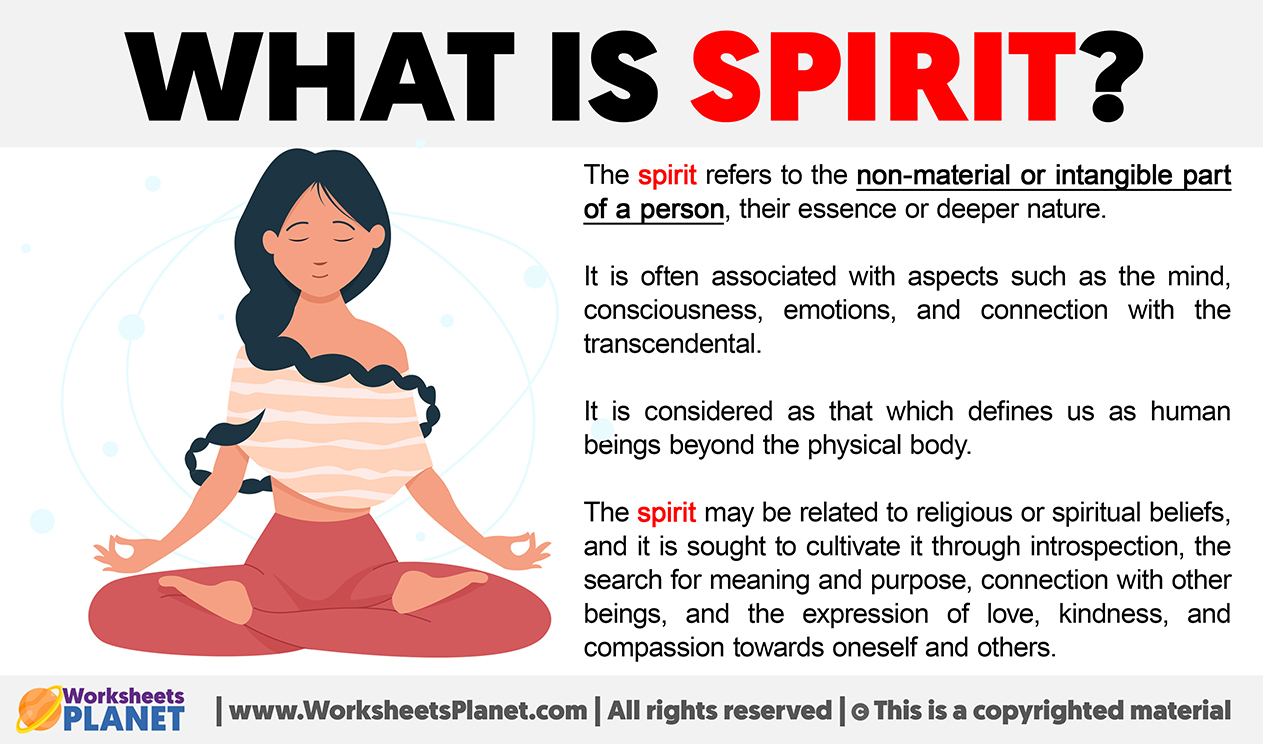
The Soul of a Brand: Defining “Spirit” in Branding
To comprehend the meaning of spirit in the branding context, one must look beyond superficial attributes and delve into the heart of an organization’s identity. It’s the unique blend of values, beliefs, personality, and purpose that informs every decision and interaction, creating a consistent and compelling narrative that evokes a specific emotional response.
Beyond Logo and Slogan: The Intangible Core
A brand’s spirit is not something you can see or touch directly, yet its presence is unmistakable. It’s the invisible force that binds all elements of a brand together, from its visual identity to its customer service ethos. While a logo provides recognition and a slogan offers a memorable phrase, the spirit imbues these elements with meaning and emotional weight. Consider brands like Patagonia, whose spirit of environmental activism and rugged authenticity permeates every product, marketing campaign, and corporate decision. Or think of Apple, whose spirit of innovative simplicity and user empowerment defined an entire industry.
This intangible core is often rooted in the founder’s vision, the company’s heritage, or a pivotal moment in its history. It’s the underlying “why” that fuels the “what” and “how.” Without this spirit, a brand is merely a collection of features and aesthetics—a hollow shell awaiting genuine resonance. It’s the difference between a house and a home; one is a structure, the other is imbued with life, memories, and a unique atmosphere. For brands, spirit is that atmosphere, that living quality.
Purpose-Driven Power: Why Spirit Matters
In an age where consumers are increasingly discerning and socially conscious, mere product functionality is no longer enough. People seek to align themselves with brands that share their values, stand for something greater, and contribute positively to the world. This is where purpose-driven power, fueled by an authentic brand spirit, becomes paramount. A strong brand spirit provides a clear sense of direction and meaning, not just for external audiences but also for internal stakeholders.
It answers fundamental questions: Why does this brand exist beyond making a profit? What impact does it aspire to have? What values does it uphold and champion? When a brand’s spirit is deeply intertwined with a genuine purpose, it fosters trust, builds emotional connections, and creates a community of advocates who believe in the brand’s mission. This purpose isn’t just a marketing ploy; it’s a deeply held conviction that guides innovation, decision-making, and interactions, making the brand more resilient, relevant, and respected.
Cultivating Brand Spirit: From Vision to Values
The spirit of a brand isn’t conjured out of thin air; it’s carefully cultivated and nurtured, requiring introspection, strategic foresight, and unwavering commitment. It begins with a clear vision and translates into actionable values that permeate every facet of the organization.
Articulating Your Brand’s “Why”
The first step in cultivating a potent brand spirit is to articulate its fundamental “why.” This goes beyond market needs or competitive advantages. It delves into the core motivation, the problem the brand is uniquely positioned to solve, or the positive change it seeks to bring about. Simon Sinek’s “Start with Why” methodology perfectly encapsulates this principle: inspire people by communicating your purpose before your product.
This “why” becomes the north star for the brand’s spirit. For example, a brand might articulate its “why” as “to empower individuals to live healthier, more vibrant lives” (a wellness brand) or “to foster creativity and connection through shared experiences” (an entertainment platform). This articulation must be authentic and resonate deeply with the organization’s leadership and employees, becoming the foundational story from which all other brand narratives emerge.
Embedding Values into Every Touchpoint
Once the “why” is clear, it needs to be translated into tangible values that guide behaviors and decisions. These values are not just bullet points on a corporate website; they are living principles that dictate how the brand operates internally and externally. Every touchpoint—from product design and customer service to marketing campaigns and employee onboarding—must reflect and reinforce these values.
If a brand espouses “transparency” as a core value, its pricing structure, ingredient sourcing, and communication style must embody this. If “innovation” is key, its R&D efforts, employee empowerment, and willingness to take risks must showcase it. Employees, as brand ambassadors, play a crucial role here; their understanding and embodiment of these values are critical to ensuring the brand spirit is consistently experienced by customers. Training, internal communications, and reward systems should all be aligned to reinforce these core values, making them an intrinsic part of the organizational culture.
Leadership as the Keeper of the Flame
The ultimate responsibility for nurturing and safeguarding a brand’s spirit rests with its leadership. Leaders are the chief storytellers and the primary upholders of the brand’s “why” and its values. Their decisions, communication style, and personal conduct set the tone for the entire organization and send powerful signals to the market. A disconnect between leadership’s proclaimed values and their actions can quickly erode a brand’s spirit and authenticity.
Effective leaders act as “keepers of the flame,” ensuring that the brand’s spirit remains vibrant and true to its origins, even as the brand evolves. They inspire employees to embody the spirit, champion its purpose, and challenge deviations that might dilute its essence. By consistently reinforcing the brand’s unique identity and purpose, leaders ensure that the spirit permeates the very fabric of the organization, making it resilient and authentic in the face of change.
Manifesting Spirit: Communication and Connection

A well-defined brand spirit is only powerful if it is effectively communicated and experienced. Its manifestation is evident in how a brand speaks, acts, and connects with its audience, transforming abstract values into tangible interactions.
Authentic Storytelling: Weaving the Narrative
Storytelling is the primary vehicle through which a brand’s spirit comes alive. It’s about crafting narratives that go beyond product features to convey the brand’s purpose, values, and personality. Authentic storytelling means sharing the brand’s journey, its challenges, successes, and the real impact it has on people’s lives. This could involve highlighting the craftsmanship behind a product, the personal stories of customers who benefit from a service, or the brand’s commitment to a social cause.
For instance, a coffee brand with a spirit of “community and sustainability” might tell stories about its fair-trade farmers, local initiatives, and the rituals of shared coffee moments, rather than just focusing on bean origin or roast profile. The narrative should be consistent across all channels—advertising, social media, website content, and public relations—creating a cohesive and compelling picture of what the brand truly represents. This consistency builds familiarity and trust, allowing the audience to truly grasp and connect with the brand’s spirit.
Experiential Resonance: Bringing Spirit to Life
Beyond words, a brand’s spirit is powerfully communicated through experiences. Every interaction a customer has with a brand is an opportunity to reinforce its core essence. This includes the unboxing experience of a product, the ease of navigation on a website, the responsiveness of customer service, or the atmosphere of a retail store. These physical and digital touchpoints are where the brand’s values are tangibly demonstrated.
A brand committed to a spirit of “effortless elegance” must ensure that its product packaging feels luxurious, its website is intuitively designed, and its customer service is polished and attentive. A brand embodying a spirit of “adventure and ruggedness” might design its stores to feel like outdoor outposts, offer interactive product demonstrations, and engage customers with experiential marketing events. When the brand experience consistently aligns with the articulated spirit, it creates a powerful resonance that deepens customer engagement and loyalty.
Building Community: The Shared Spirit
The ultimate manifestation of a strong brand spirit is its ability to foster a vibrant community. When customers feel a genuine connection to a brand’s purpose and values, they not only become loyal patrons but also active participants and advocates. They join the brand’s narrative, share its message, and contribute to its evolution. This community can exist online through social media groups and forums, or offline through events, clubs, and shared experiences.
Brands like Harley-Davidson, with its unmistakable spirit of freedom and rebellion, have built fiercely loyal communities that transcend mere product ownership. Nike, with its spirit of athletic achievement and inspiration, rallies millions around its campaigns and events. By nurturing these communities, brands create a shared sense of identity and belonging, transforming individual customers into a collective force that amplifies the brand’s spirit and extends its reach far beyond traditional marketing efforts.
The Impact of a Potent Brand Spirit
A deeply embedded and effectively communicated brand spirit is not just an aesthetic differentiator; it is a profound strategic asset that yields tangible and intangible benefits, contributing significantly to a brand’s longevity and success.
Driving Loyalty and Advocacy
One of the most significant impacts of a potent brand spirit is its ability to cultivate deep customer loyalty and transform customers into enthusiastic advocates. When consumers connect with a brand on an emotional and values-driven level, their allegiance transcends price points or fleeting trends. They become less susceptible to competitive offerings because their relationship with the brand is rooted in shared beliefs and a sense of belonging.
These loyal customers often become the brand’s most authentic and powerful marketers. Through word-of-mouth recommendations, social media endorsements, and active participation in brand communities, they amplify the brand’s message and attract new customers who resonate with the same spirit. This organic advocacy is invaluable, providing credibility and reach that paid advertising simply cannot match.
Fostering Resilience and Adaptation
In today’s rapidly changing market, brands are constantly confronted with new technologies, evolving consumer preferences, and unforeseen crises. A strong brand spirit acts as an anchor, providing a stable foundation that enables resilience and effective adaptation. When a brand’s core purpose and values are clear, it can navigate changes without losing its identity.
For example, a brand whose spirit is rooted in “solving complex problems” can pivot its product offerings or market approach while remaining true to its fundamental mission. This inner compass allows the brand to innovate authentically, taking calculated risks that align with its core essence. It helps distinguish between strategic evolution and directionless wandering, ensuring that growth and change reinforce, rather than dilute, the brand’s unique character.
Attracting Talent and Inspiring Innovation
A compelling brand spirit extends its influence far beyond customer acquisition; it plays a critical role in attracting, retaining, and inspiring top talent. In a competitive job market, employees, particularly younger generations, seek more than just a paycheck; they want to work for organizations that have a clear purpose, ethical values, and a positive impact on the world. A strong brand spirit communicates this deeper meaning.
When employees genuinely believe in the brand’s spirit and feel a connection to its mission, they are more engaged, productive, and committed. This internal alignment fosters a culture of innovation, as employees are empowered to contribute ideas and solutions that further the brand’s purpose. They become internal ambassadors, living and breathing the brand’s values, which in turn radiates outward, strengthening the brand’s reputation and fostering a virtuous cycle of success.

Conclusion
The meaning of spirit, in the realm of branding, transcends simple definitions; it is the animating force that gives a brand its unique identity, emotional depth, and enduring relevance. It’s the invisible essence that shapes perception, drives connection, and ultimately determines a brand’s impact in the world. From articulating a clear “why” to embedding values in every interaction and fostering a vibrant community, cultivating a potent brand spirit requires deliberate effort and unwavering commitment.
In an increasingly commoditized marketplace, brands that recognize and prioritize their spirit are the ones that forge genuine connections, inspire fierce loyalty, and build legacies that last. They move beyond transactional relationships to create meaningful experiences, transforming passive consumers into active participants in a shared journey. Ultimately, the spirit of a brand is its heart, its soul, and its most powerful asset—a beacon that guides its destiny and resonates deeply within the hearts of its audience.
aViewFromTheCave is a participant in the Amazon Services LLC Associates Program, an affiliate advertising program designed to provide a means for sites to earn advertising fees by advertising and linking to Amazon.com. Amazon, the Amazon logo, AmazonSupply, and the AmazonSupply logo are trademarks of Amazon.com, Inc. or its affiliates. As an Amazon Associate we earn affiliate commissions from qualifying purchases.