
Securing a business loan can be a pivotal moment for any enterprise, providing the capital needed for expansion, inventory, equipment upgrades, or simply managing cash flow during lean periods. However, the path to obtaining a business loan is rarely a straight line. Lenders require a comprehensive understanding of your business’s health, potential, and your ability to repay. Navigating this landscape successfully requires diligent preparation and a clear understanding of the requirements. This article delves into the essential components that every business owner must prepare and present to maximize their chances of loan approval. From robust financial documentation to a compelling business plan and a strong credit profile, we will explore each critical element that lenders scrutinize.
I. Establishing a Foundation: Business Planning and Legal Structure
Before you even think about approaching a lender, it’s crucial to have your business’s core identity and operational framework meticulously defined. Lenders look for stability, strategic direction, and legal compliance.
A. The Indispensable Business Plan
A well-crafted business plan is more than just a document; it’s a strategic roadmap that articulates your vision, operations, and financial projections. For a lender, it demonstrates your understanding of your market, your capabilities, and your repayment strategy.
-
Executive Summary: This is your elevator pitch—a concise overview of your business, its mission, products/services, target market, management team, and financial highlights. It needs to grab the lender’s attention immediately.
-
Company Description: Detail your business structure, legal entity (e.g., LLC, Corporation, Sole Proprietorship), your industry, and what makes your business unique. Outline your goals and objectives.
-
Market Analysis: Prove you understand your target customers, industry trends, and competitive landscape. Lenders want to see evidence of demand for your offerings and a sustainable competitive advantage.
-
Products and Services: Clearly describe what you sell, its benefits to customers, and any intellectual property. Explain your production or service delivery process.
-
Marketing and Sales Strategy: How will you reach your customers? What are your pricing strategies, distribution channels, and promotional plans? This shows how you’ll generate revenue.
-
Management Team: Highlight the experience and expertise of your key personnel. Lenders invest in people as much as ideas, so demonstrate a strong, capable team.
-
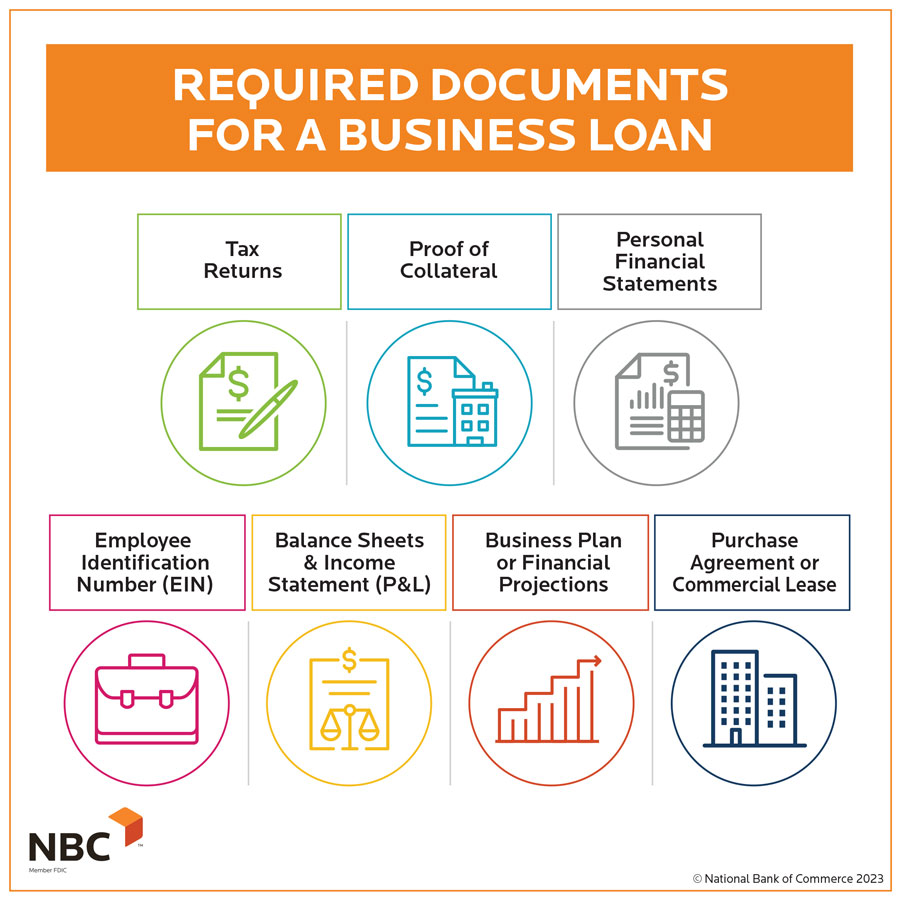
Financial Projections: This is perhaps the most critical section for a lender. Include projected income statements, balance sheets, and cash flow statements for the next 3-5 years. Back these up with detailed assumptions.
B. Proper Business Registration and Licensing
Lenders need assurance that your business operates legally. This means having all necessary registrations and licenses in order.
-
Legal Entity Documentation: Provide proof of your business’s legal structure, such as Articles of Incorporation for a corporation or Operating Agreement for an LLC.
-
Federal, State, and Local Licenses: Depending on your industry and location, you may need various permits and licenses (e.g., health permits, professional licenses, sales tax permits). Demonstrate full compliance.
-
Employer Identification Number (EIN): If your business is structured as anything other than a sole proprietorship with no employees, you’ll need an EIN from the IRS.
II. Demonstrating Financial Health and Viability
The most significant factor in a lender’s decision is your business’s financial stability and its capacity to generate sufficient cash flow to repay the loan. This requires comprehensive and accurate financial documentation.
A. Comprehensive Financial Statements
These documents paint a clear picture of your business’s past performance and current standing.
-
Profit & Loss Statements (Income Statements): Typically required for the past 2-3 years, showing your revenues, costs, and net profit or loss over a period. This reveals your profitability trends.
-
Balance Sheets: Provides a snapshot of your business’s assets, liabilities, and owner’s equity at a specific point in time. It indicates your financial strength and solvency.
-
Cash Flow Statements: Illustrates how cash flows in and out of your business over a period. This is crucial as it demonstrates your ability to generate cash for debt repayment, regardless of profitability.
-
Business Bank Statements: Lenders often request 6-12 months of bank statements to verify consistent cash flow, operational stability, and avoid irregular activities.
B. Tax Returns (Business and Personal)
Lenders use tax returns to corroborate the information provided in your financial statements and to assess your financial responsibility.
-
Business Tax Returns: Typically requested for the past 2-3 years. These offer an official, audited view of your business’s financial performance.
-
Personal Tax Returns: For small business owners, especially those structured as sole proprietorships or partnerships, personal tax returns (often W-2s and 1099s) are essential. They help lenders understand your personal financial situation and capacity to support the business if needed, particularly when a personal guarantee is involved.
C. Collateral and Personal Guarantees
While not always mandatory, collateral and personal guarantees can significantly strengthen your loan application, especially for newer or smaller businesses, or for larger loan amounts.
-
Collateral: Assets pledged by the borrower to secure the loan. If the borrower defaults, the lender can seize the collateral to recover their losses. Common forms of business collateral include:
-
Real estate (commercial property)
-
Equipment (machinery, vehicles)
-
Accounts receivable (money owed to your business)
-
Inventory
-
Cash accounts
-
-
Personal Guarantee: A legal promise by the business owner to personally repay the business debt if the business itself cannot. This puts the owner’s personal assets at risk but can be necessary for securing a loan, particularly from traditional lenders like banks.
III. Assessing Creditworthiness: Business and Personal Credit
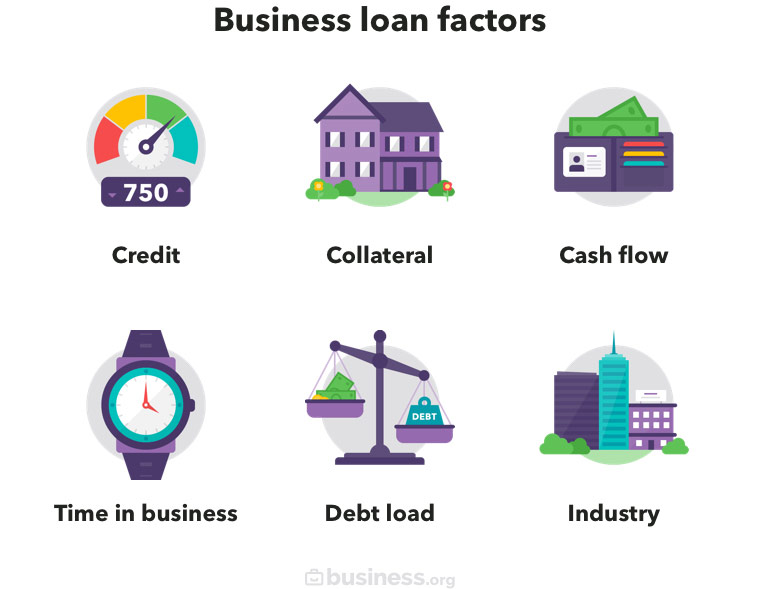
Lenders scrutinize both your business’s credit profile and, for smaller enterprises, your personal credit history, to gauge your reliability as a borrower.
A. Business Credit Score
Your business credit score reflects your business’s ability to manage its financial obligations. Building a strong business credit profile is vital for accessing favorable loan terms.
-
Factors Influencing Business Credit: Payment history (timeliness of payments to suppliers, vendors, and other lenders), credit utilization, age of credit accounts, and public records (bankruptcies, liens, judgments).
-
Building Business Credit: Establish credit lines with suppliers, open a business credit card, ensure timely payments on all business debts, and incorporate your business.
-
Credit Reporting Agencies: Familiarize yourself with major business credit bureaus like Dun & Bradstreet, Experian Business, and Equifax Business. Know your scores and actively monitor them.
B. Personal Credit Score
For most small businesses, especially startups and those that haven’t established a robust business credit history, the owner’s personal credit score plays a critical role.
-
Why it Matters: Lenders often view the business and its owner as inextricably linked, particularly when the owner is the primary decision-maker and potentially offering a personal guarantee. A strong personal credit score (e.g., FICO Score) indicates financial responsibility.
-
Impact on Loan Terms: A higher personal credit score can lead to better interest rates and more favorable loan terms.
-
Improving Personal Credit: Regularly check your credit report for errors, pay bills on time, keep credit utilization low, and avoid opening too many new credit accounts simultaneously.
IV. The Loan Request and Application Process
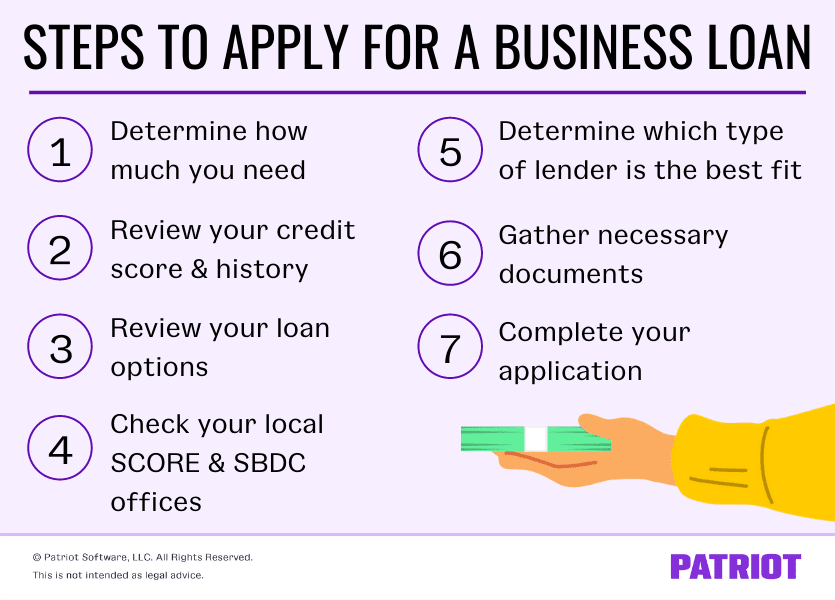
Once you’ve gathered all your documentation and fortified your business’s profile, the final stage involves articulating your loan needs and navigating the application process.
A. Clear Use of Funds Statement
Lenders want to understand precisely how the loan money will be used and how it will contribute to your business’s growth or stability.
-
Specific Purpose: Clearly define why you need the loan (e.g., purchasing new equipment, expanding a facility, hiring new staff, increasing inventory, working capital).
-
Expected Impact: Explain how these funds will benefit your business, leading to increased revenue, improved efficiency, or reduced costs, ultimately enhancing your ability to repay the loan. Provide projections to support your claims.
B. Types of Loans and Lender Selection
Understanding the various loan products available and choosing the right lender is crucial.
-
SBA Loans: Backed by the U.S. Small Business Administration, these loans often have more flexible terms and lower down payments, making them attractive for small businesses.
-
Term Loans: A lump sum of money repaid over a fixed period with regular installments.
-
Lines of Credit: Flexible borrowing up to a certain limit, ideal for managing fluctuating cash flow or unexpected expenses.
-
Equipment Financing: Loans specifically for purchasing machinery or equipment, often secured by the equipment itself.
-
Invoice Factoring/Financing: Selling or borrowing against your outstanding invoices to improve cash flow.
-
Merchant Cash Advances: A lump sum payment in exchange for a percentage of future credit card sales. These often come with higher costs.
-
Lender Options: Consider traditional banks, credit unions (often community-focused), online lenders (faster approval but potentially higher rates), and Community Development Financial Institutions (CDFIs) which support underserved communities. Research their requirements, interest rates, and reputation.
C. Professional Presentation and Communication
The manner in which you present your application and communicate with lenders can significantly influence their decision.
-
Organized Documentation: Present all required documents in a clear, organized, and easily digestible format.
-
Preparedness for Questions: Be ready to answer detailed questions about your business plan, financial projections, challenges, and opportunities.
-
Honesty and Transparency: Always be truthful and transparent in your application. Any misrepresentation can lead to immediate rejection and damage your credibility for future endeavors.
Conclusion
Obtaining a business loan is a comprehensive process that demands thorough preparation and a deep understanding of what lenders prioritize. By establishing a solid business plan, maintaining meticulous financial records, building strong business and personal credit, and clearly articulating your loan needs, you significantly enhance your chances of securing the funding vital for your business’s growth. Remember, a loan application is an opportunity to tell your business’s story, backed by data and strategic foresight. Approach it with professionalism, diligence, and confidence, and you’ll be well on your way to unlocking the capital that propels your enterprise forward.
aViewFromTheCave is a participant in the Amazon Services LLC Associates Program, an affiliate advertising program designed to provide a means for sites to earn advertising fees by advertising and linking to Amazon.com. Amazon, the Amazon logo, AmazonSupply, and the AmazonSupply logo are trademarks of Amazon.com, Inc. or its affiliates. As an Amazon Associate we earn affiliate commissions from qualifying purchases.