
In the competitive landscape of modern business, a well-crafted proposal is far more than a mere document; it is a powerful financial instrument, a strategic roadmap, and a compelling argument for investment. Whether you’re a startup seeking seed capital, a consultant pitching a lucrative project, or an established enterprise vying for a major contract, the ability to articulate your value proposition through a financially sound proposal is paramount. This article delves into the critical elements of writing a business proposal from a purely financial perspective, focusing on strategies that align with monetary objectives, optimize pricing, demonstrate clear ROI, and ultimately secure profitable outcomes.
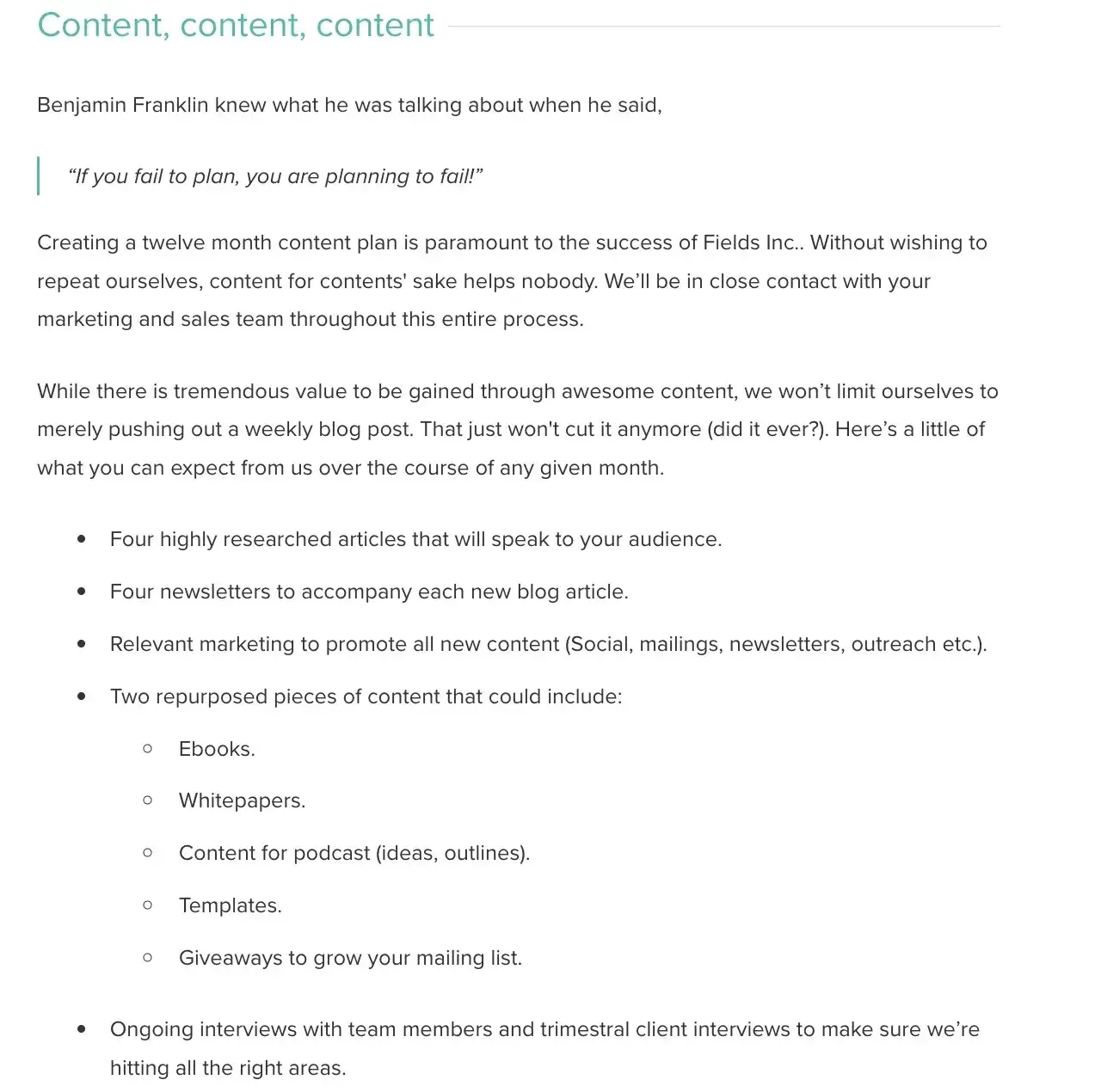
The Strategic Imperative: Aligning Proposals with Financial Goals
A business proposal’s true power lies in its ability to translate operational plans into tangible financial results. Before a single word is penned, a deep understanding of the financial objectives—both yours and your prospective client’s—is essential. This foundational alignment ensures that every component of your proposal reinforces a clear path to financial benefit.
Defining Your Proposal’s Financial Objectives
Every business proposal should begin with a crystal-clear understanding of its financial purpose. Are you aiming to secure a specific amount of funding, acquire a new client for recurring revenue, or win a project with a defined profit margin? Quantifying these goals upfront provides a target to aim for and helps in structuring the entire document. For instance, if the objective is to secure $100,000 in seed investment, your proposal must meticulously outline how that capital will be deployed to generate future returns for investors. If it’s to land a consulting contract, the proposal should demonstrate how your services will lead to measurable cost savings or revenue increases for the client, justifying your fee.
Without this precise financial objective, proposals can become generic, lacking the sharp focus needed to convince financially savvy decision-makers. Consider the short-term and long-term financial impacts you seek. Is this a stepping stone to larger financial opportunities, or a standalone revenue generator? By defining your own financial targets, you can better position your offering to meet the financial expectations of the recipient.
Understanding the Client’s Financial Landscape
A successful business proposal doesn’t just present your financial needs; it speaks directly to the financial concerns and aspirations of the prospective client or investor. This requires thorough research into their current financial situation, challenges, and strategic priorities. Are they looking to cut costs, increase revenue, mitigate financial risk, or expand into new profitable markets?
For example, a proposal to a company struggling with operational inefficiencies should highlight how your solution will reduce overheads, streamline processes, and ultimately improve their bottom line. A proposal to a growth-oriented investor should emphasize the potential for high returns, market share expansion, and future profitability. Understanding their budget constraints, investment criteria, and internal financial metrics will allow you to tailor your proposal’s financial arguments to resonate most effectively. Presenting a solution that clearly addresses their financial pain points and offers a superior economic outcome will dramatically increase your proposal’s chances of success.
Crafting the Financial Core: Pricing, ROI, and Value Proposition
The heart of any business proposal, particularly from a financial standpoint, lies in its ability to clearly articulate pricing, demonstrate a compelling return on investment (ROI), and quantify the overall value proposition. This section moves beyond just listing costs to strategically positioning your offering as a sound financial decision.
Developing a Robust Pricing Strategy
Pricing is perhaps the most delicate financial aspect of a business proposal. It needs to be competitive, profitable, and perceived as fair value. Simply pulling a number out of thin air is a recipe for failure. Instead, develop a robust pricing strategy based on several factors:
-
Cost-Plus Pricing: Calculate your total costs (direct and indirect) and add a desired profit margin. This ensures profitability but might not reflect market value.
-
Value-Based Pricing: Price your offering based on the perceived or actual value it delivers to the client. If your solution saves a client $1 million, charging $100,000 is a clear value proposition, even if your costs are much lower.
-
Competitive Pricing: Research what competitors charge for similar services or products. This helps position your offering within the market, but be careful not to simply race to the bottom.
-
Tiered Pricing/Options: Offer different packages (basic, standard, premium) or customizable options. This allows clients to choose a price point that fits their budget while potentially upselling higher-value tiers.
Justify your price within the proposal by breaking down components where appropriate and highlighting the inherent value. Avoid ambiguity; present your pricing clearly and confidently, explaining why it represents the best financial decision for the client.
Articulating Return on Investment (ROI) and Financial Benefits
This is where your proposal truly shines in the “Money” category. Simply stating a price is insufficient; you must demonstrate how that investment will yield a positive financial return for the client. Quantify the ROI wherever possible. For instance:
-
Cost Savings: “Our solution will reduce your operational costs by 15%, saving you an estimated $50,000 annually.”
-
Revenue Generation: “Implementing our marketing strategy is projected to increase your sales by 20% within the first six months, generating an additional $200,000 in revenue.”
-
Efficiency Gains: “Our software will automate manual tasks, freeing up 200 man-hours per month, equivalent to a $10,000 monthly labor cost saving.”
Provide clear calculations, projections, and even case studies or testimonials that validate your claims with hard numbers. Use graphs or charts to visually represent the financial impact. Focus on the benefits specific to the client’s financial situation, illustrating how your solution isn’t an expense, but an investment with a significant upside.
Budgeting and Resource Allocation in Your Proposal
For larger projects or investment proposals, a detailed budget and resource allocation plan are crucial. This section demonstrates your financial acumen and meticulous planning. Break down costs by category (e.g., personnel, materials, technology, marketing, overhead) and explain how each expenditure contributes to the overall project goals and financial outcomes.
-
Transparency: Clearly outline what the proposed investment covers. This builds trust and alleviates concerns about hidden costs.
-
Justification: Explain why each resource and budget line item is necessary. For instance, “The allocation of $X for specialized software is critical to achieve the projected efficiency gains outlined in the ROI section.”
-
Contingency: Include a reasonable contingency fund (e.g., 5-10% of the total budget) for unforeseen expenses. This shows foresight and responsible financial planning, reassuring the client that you’ve considered potential risks.
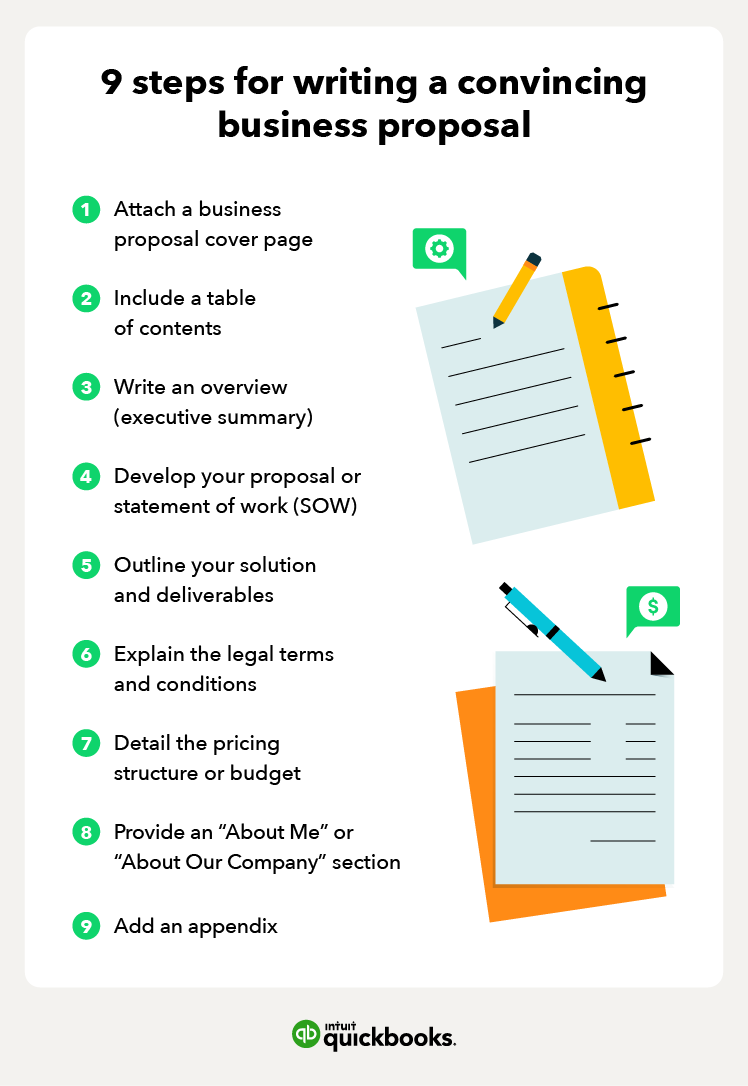
A well-structured budget not only justifies your fees but also provides a clear roadmap for project execution and financial management, reinforcing your credibility as a fiscally responsible partner.
Securing the Deal: Financial Terms and Risk Mitigation
Beyond the core pricing and ROI, the practical financial mechanisms and safeguards outlined in your proposal are critical for converting interest into a signed agreement. This involves clearly defining payment terms and proactively addressing potential financial risks.
Navigating Payment Structures and Contractual Terms
The payment structure you propose can significantly influence a client’s decision. Be explicit about how and when payments are expected. Common structures include:
-
Upfront Payment: For smaller projects or as an initial commitment for larger ones, covering initial costs.
-
Milestone Payments: Payments tied to the completion of specific project phases or deliverables. This is often preferred for larger projects as it aligns payment with progress and reduces client risk.
-
Recurring Fees: Monthly or annual subscriptions for ongoing services, common in SaaS or retainer models.
-
Net Terms (Net 30, Net 60): Payment due a certain number of days after invoicing.
Clearly state your preferred payment schedule, methods of payment, and any late payment policies. Ensure these terms are consistent with standard business practices and any legal advice you’ve received. While your proposal itself isn’t a legal contract, it lays the groundwork for the financial terms that will be formalized later. Transparency here avoids future disputes and ensures a smooth financial relationship.
Addressing Financial Risks and Contingencies
No business endeavor is entirely without risk. A financially robust proposal acknowledges and proactively addresses potential risks, outlining how they will be mitigated. This demonstrates foresight and builds confidence, showing that you have a plan for various scenarios.
-
Cost Overruns: What happens if the project goes over budget? Will you absorb the costs, or is there a clear procedure for renegotiating?
-
Scope Creep: If the client requests additional work not included in the original scope, how will it be priced and managed? Define a change order process.
-
Market Fluctuations: For long-term projects or those involving raw materials, consider how price changes might impact the proposal’s financial viability.
-
Performance Guarantees: Can you offer any financial guarantees related to the projected ROI or performance metrics? For example, a “money-back guarantee” if certain revenue targets aren’t met, or a penalty clause for missed deadlines (with corresponding financial implications).
By openly discussing and outlining solutions for potential financial risks, you project an image of responsibility and reliability, making your proposal more persuasive from a fiscal management perspective.
Leveraging Financial Acumen for Proposal Excellence
In the pursuit of financially compelling proposals, the strategic application of financial modeling and the intelligent use of various financial tools can elevate your document from a simple pitch to a robust investment case. These techniques lend credibility and analytical depth to your financial arguments.
Utilizing Financial Modeling and Forecasting
Financial modeling is a powerful tool that transforms assumptions into tangible projections, making your proposal’s financial claims far more convincing. Instead of simply stating an ROI, you can present a detailed financial model that shows how that ROI is achieved over time.
-
Scenario Analysis: Develop “best-case,” “most likely,” and “worst-case” financial scenarios. This demonstrates a comprehensive understanding of potential outcomes and provides a realistic range for expected returns or costs. It also prepares both parties for different eventualities.
-
Key Performance Indicators (KPIs): Identify and project key financial KPIs relevant to the proposal, such as gross profit margin, net profit, cash flow, break-even point, or payback period. Explain how your solution impacts these metrics.
-
Visual Representation: Use charts and graphs (e.g., cash flow projections, ROI timelines, cost savings over time) to make complex financial data easily digestible and impactful. A visual representation of a projected 300% ROI in three years, supported by detailed calculations, is far more persuasive than a mere statement.
By presenting a well-constructed financial model, you move beyond mere assertions to provide an analytically sound basis for your proposal’s financial claims, empowering your audience to make an informed, data-driven decision.
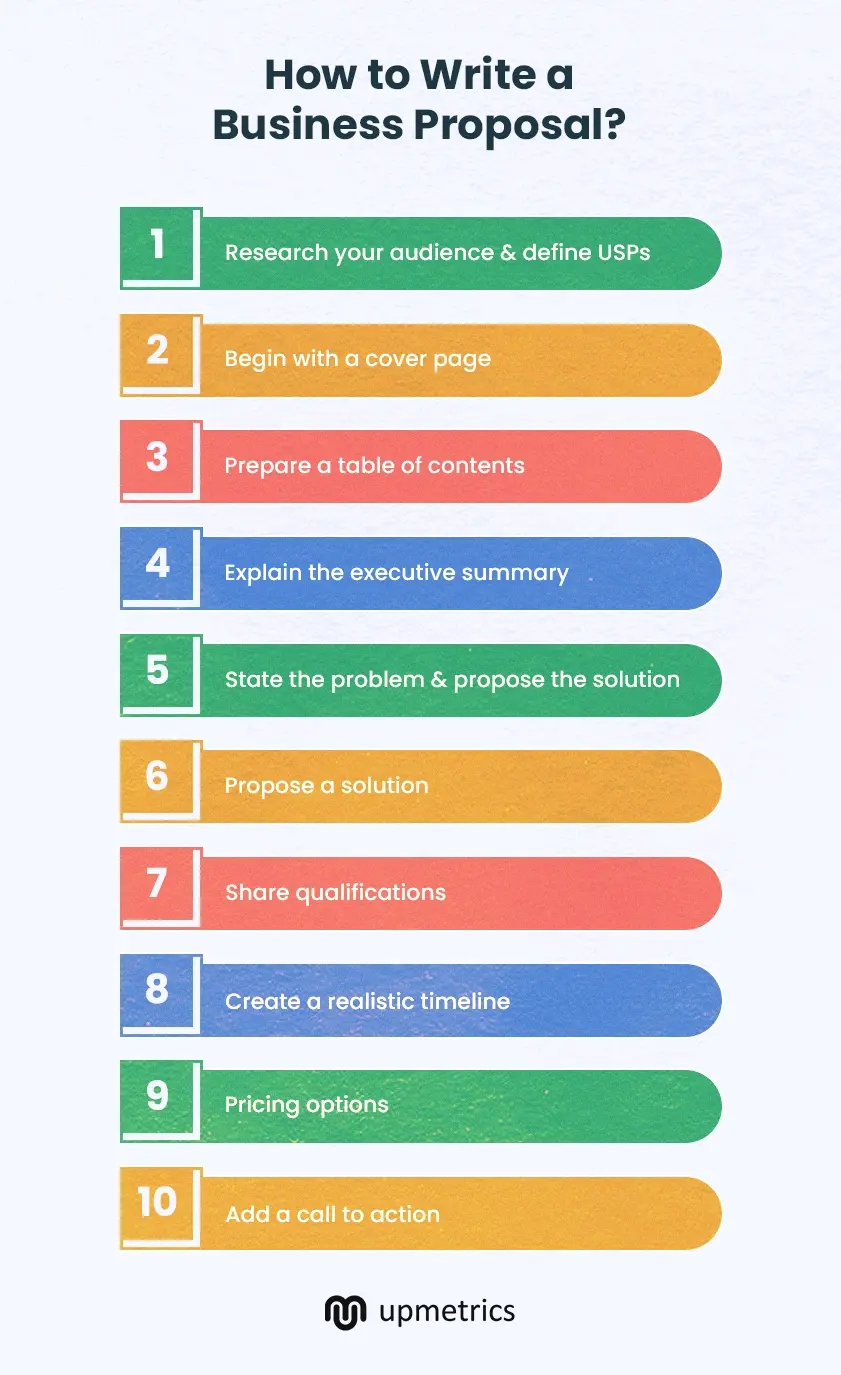
Financial Tools and Resources for Proposal Development
To effectively build and present the financial components of your proposal, leveraging appropriate financial tools is indispensable. These tools can streamline the process, enhance accuracy, and add a layer of professionalism.
-
Spreadsheet Software (Excel, Google Sheets): Essential for building financial models, calculating ROI, budgeting, and creating customizable pricing sheets. Their flexibility allows for complex calculations and scenario planning.
-
Accounting Software (QuickBooks, Xero): Can be integrated to pull historical financial data, understand your own cost structures, and provide a basis for accurate pricing and budget estimations.
-
CRM Systems (Salesforce, HubSpot): While primarily for customer relationship management, many CRMs offer proposal generation features or integrations, allowing you to track the financial progress of proposals and manage client interactions related to financial terms.
-
Financial Planning and Analysis (FP&A) Software: For larger organizations or complex proposals, dedicated FP&A tools can provide more sophisticated forecasting, budgeting, and scenario analysis capabilities.
-
Proposal Software (PandaDoc, Better Proposals): While general proposal tools, many have robust features for embedding interactive pricing tables, e-signature capabilities for financial agreements, and analytics to track client engagement with financial sections.
By strategically employing these tools, you can ensure that the financial aspects of your proposal are not only accurate and well-presented but also efficiently managed, contributing to a professional and persuasive overall submission.
Crafting a business proposal with a strong financial foundation is a critical skill for any entrepreneur, business owner, or sales professional. By focusing on clear financial objectives, developing robust pricing strategies, articulating compelling ROI, meticulously budgeting, addressing risks, and leveraging financial tools, you transform your proposal from a hopeful pitch into a potent financial catalyst, capable of securing investments, winning lucrative contracts, and driving sustainable business growth.
aViewFromTheCave is a participant in the Amazon Services LLC Associates Program, an affiliate advertising program designed to provide a means for sites to earn advertising fees by advertising and linking to Amazon.com. Amazon, the Amazon logo, AmazonSupply, and the AmazonSupply logo are trademarks of Amazon.com, Inc. or its affiliates. As an Amazon Associate we earn affiliate commissions from qualifying purchases.