
The dream of building an investment business is often fueled by a passion for finance, a keen understanding of markets, and a desire to help others grow their wealth. It’s a venture that offers significant potential for both personal and financial reward, but it also demands meticulous planning, regulatory adherence, and a robust operational framework. Launching an investment business, whether as an independent advisor, a boutique fund manager, or a specialized wealth manager, requires more than just investment acumen; it demands entrepreneurial foresight and a deep dive into the practicalities of business formation, compliance, and client acquisition.

This comprehensive guide will walk you through the essential steps and considerations for establishing a successful investment business, ensuring you build a solid foundation for long-term growth and credibility in the financial services industry.
1. Laying the Foundational Stones: Business Structure and Compliance
Embarking on the journey to start an investment business begins with establishing a strong, legally compliant foundation. This initial phase is critical for defining your operational scope, mitigating risks, and ensuring you meet the stringent requirements of financial regulation.
Defining Your Niche and Target Market
Before anything else, identify your unique selling proposition. The investment landscape is vast and competitive. Will you focus on high-net-worth individuals, small businesses, specific demographic groups, or a particular investment philosophy like ESG (Environmental, Social, and Governance) investing, value investing, or growth strategies? Defining your niche allows you to tailor your services, marketing efforts, and expertise more effectively, making you stand out in a crowded market. Understanding your target market’s financial goals, risk tolerance, and service expectations will inform every subsequent decision, from product development to client communication. This clarity is paramount to building a sustainable business model that resonates with a specific client segment, rather than attempting to be everything to everyone.
Choosing the Right Legal Structure
The legal structure of your investment business dictates liability, taxation, and administrative burden. Common choices include:
-
Sole Proprietorship: Simple to set up, but offers no personal liability protection, meaning your personal assets are at risk. Not ideal for a high-stakes business like investment.
-
Partnership: Suitable if you’re collaborating with others, but also carries potential for unlimited liability (unless it’s a Limited Partnership or Limited Liability Partnership).
-
Limited Liability Company (LLC): Offers personal liability protection for owners and provides flexibility in taxation. It’s a popular choice for many small to medium-sized businesses due to its balance of protection and simplicity.
-
S-Corporation/C-Corporation: Corporations offer robust liability protection and can be attractive for raising capital, but come with more complex administrative and tax requirements. A C-Corp is often used for larger entities seeking external investment, while an S-Corp allows profits and losses to be passed directly to personal income without being subject to corporate tax rates.
Consulting with a business attorney and a tax professional is crucial to select the structure that best aligns with your business goals, risk tolerance, and long-term vision.
Navigating Regulatory Requirements and Licensing
This is arguably the most critical and complex aspect of starting an investment business. The financial industry is heavily regulated to protect investors. Depending on the services you plan to offer, you may need to register with various bodies:
-
Securities and Exchange Commission (SEC): If you plan to manage assets for a fee and meet certain asset thresholds (typically over $100 million in assets under management, though state registration applies for smaller advisors), you will need to register as a Registered Investment Adviser (RIA) with the SEC.
-
State Securities Regulators: If your assets under management fall below the SEC threshold, you will likely need to register as an RIA with the securities regulator in the state(s) where you operate.
-
FINRA (Financial Industry Regulatory Authority): If your business involves brokerage activities (buying and selling securities on behalf of clients), you will need to register as a broker-dealer with FINRA.
-
Other Licenses: Individuals providing investment advice will typically need to obtain relevant licenses such as the Series 65 (Uniform Investment Adviser Law Examination) for RIAs or Series 7 and Series 63 for broker-dealers.
-
Compliance Infrastructure: Regardless of your specific registration, you must establish a comprehensive compliance program, including written policies and procedures, a chief compliance officer (CCO), and regular audits to ensure adherence to all relevant regulations (e.g., anti-money laundering, cybersecurity, client privacy).
The regulatory landscape is constantly evolving, making continuous education and legal counsel indispensable. Failing to comply can result in severe penalties, fines, and reputational damage.
Crafting a Robust Business Plan
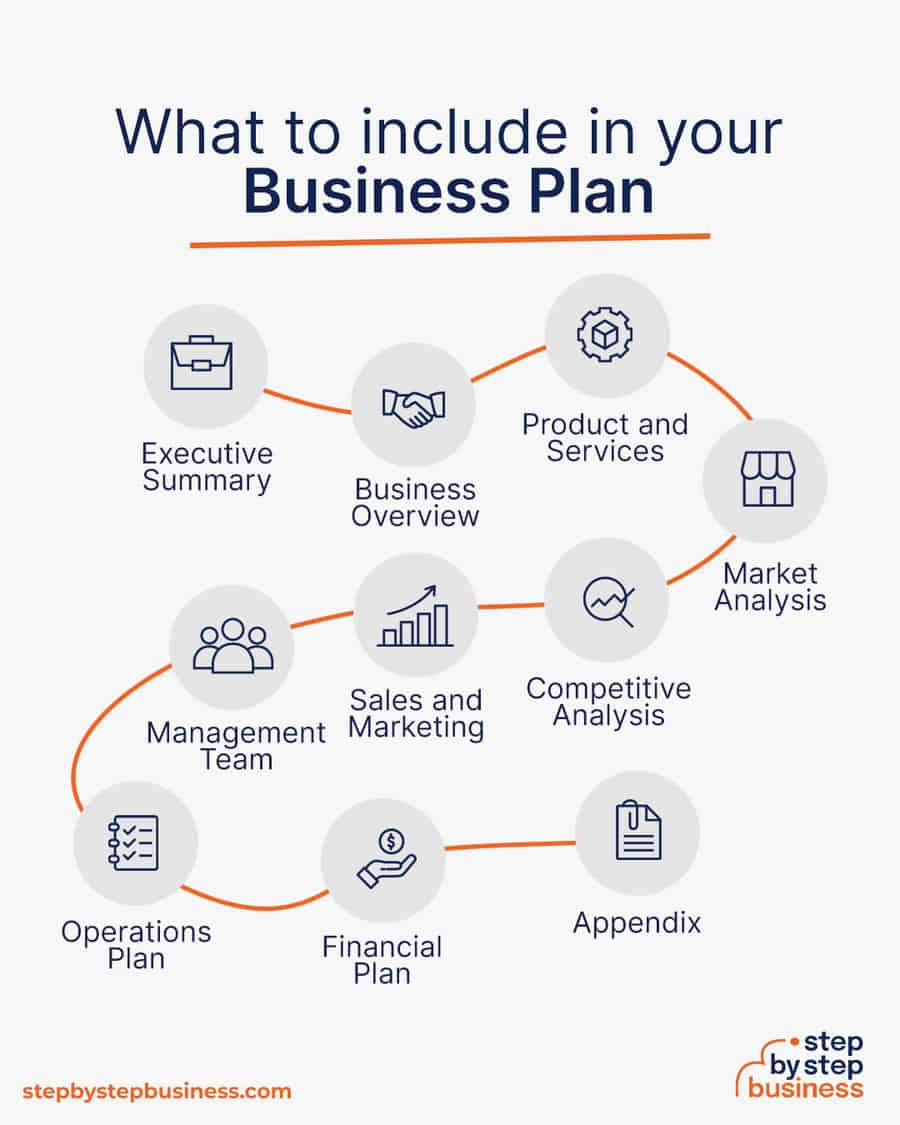
A well-researched and detailed business plan is your roadmap to success. It forces you to think through every aspect of your venture and serves as a vital document for attracting potential investors or securing financing. Your business plan should include:
-
Executive Summary: An overview of your business, its mission, and objectives.
-
Company Description: Details about your investment philosophy, niche, and value proposition.
-
Market Analysis: A thorough examination of your target market, industry trends, competition, and how you will differentiate yourself.
-
Organization and Management: Your legal structure, key personnel, and their qualifications.
-
Service Offerings: A clear description of the investment services you will provide.
-
Marketing and Sales Strategy: How you will attract, acquire, and retain clients.
-
Financial Projections: Detailed startup costs, funding requirements, revenue forecasts, profit and loss statements, and cash flow projections for at least the next 3-5 years.
-
Funding Request: If seeking external capital, a clear outline of how much you need and how it will be used.
This plan will be a living document, evolving as your business grows and market conditions change.
2. Building Your Investment Framework: Strategies and Offerings
With your foundational legal and regulatory structures in place, the next step involves crystallizing the core of your business: your investment strategies and the services you will offer clients. This framework defines what you do and how you create value.
Developing Your Investment Philosophy and Strategy
Your investment philosophy is the guiding principle behind all your decisions. It reflects your beliefs about how markets work and how wealth is best created and preserved. Examples include:
-
Value Investing: Focusing on undervalued assets.
-
Growth Investing: Targeting companies with high growth potential.
-
Index Investing: Replicating market indices.
-
ESG Investing: Integrating environmental, social, and governance factors into investment analysis.
-
Tactical Asset Allocation: Actively adjusting portfolio weights based on market outlook.
Your strategy, in turn, is the practical application of this philosophy. It outlines your approach to asset allocation, security selection, risk management, and portfolio rebalancing. Clearly articulating your philosophy and strategy builds trust with clients, as it demonstrates a consistent and disciplined approach to managing their capital. It also helps you stay true to your mission, preventing reactive decisions based on short-term market fluctuations.
Identifying Your Service Offerings
What specific services will you provide to your clients? This could range from broad financial planning to highly specialized investment management:
-
Financial Planning: Comprehensive advice covering budgeting, retirement planning, education savings, insurance, and estate planning, often alongside investment management.
-
Portfolio Management: Discretionary management of client investment portfolios based on their risk profile and financial goals.
-
Wealth Management: A holistic approach that combines financial planning and portfolio management with other services like tax planning, legal advice coordination, and philanthropic planning, typically for affluent clients.
-
Fund Management: Creating and managing pooled investment vehicles (e.g., mutual funds, hedge funds, private equity funds) for multiple investors.
-
Consulting/Advisory Services: Offering specific investment advice without directly managing assets.
Clearly defining your offerings allows you to focus your resources, expertise, and marketing efforts, ensuring you attract clients who genuinely align with your specialized services.
Selecting and Implementing Core Financial Tools and Platforms
Technology is the backbone of a modern investment business. Choosing the right tools can significantly enhance efficiency, compliance, and client experience. Key platforms often include:
-
Portfolio Management Software (PMS): For tracking holdings, performance reporting, rebalancing, and trade order management. Examples include Orion Advisor Solutions, Black Diamond, or Tamarac.
-
Customer Relationship Management (CRM) Systems: To manage client relationships, communications, and sales pipelines (e.g., Salesforce, Redtail, Wealthbox).
-
Financial Planning Software: For creating comprehensive financial plans and projections (e.g., eMoney Advisor, RightCapital).
-
Risk Management Tools: To assess and monitor portfolio risk, analyze client risk tolerance.
-
Compliance Software: To automate regulatory filings, conduct surveillance, and maintain audit trails.
-
Custodian Platforms: You will need to partner with a custodian (e.g., Charles Schwab, Fidelity Institutional, TD Ameritrade Institutional, Pershing) to hold client assets, execute trades, and provide statements.
-
Data Providers: Access to real-time market data, research, and analytics (e.g., Bloomberg, Morningstar, FactSet).
Investing in robust, integrated technology from the outset streamlines operations, minimizes human error, and allows you to scale more effectively. Ensure these tools meet regulatory standards for data security and record-keeping.
Establishing Fee Structures and Pricing Models
How you charge for your services directly impacts your revenue and client perception. Common fee structures in the investment industry include:
-
Assets Under Management (AUM) Fee: A percentage of the total assets you manage for a client (e.g., 0.5% to 1.5% annually). This is the most prevalent model for RIAs.
-
Hourly Fees: Charging a fixed hourly rate for financial planning or consulting services.
-
Flat Fees: A fixed annual or one-time fee for specific services, regardless of AUM. This can be attractive for clients with larger portfolios who want transparency.
-
Commissions: Earning a percentage of the transaction value when buying or selling financial products. This model is typical for broker-dealers but can create conflicts of interest if not managed transparently.
-
Performance-Based Fees: Charging a percentage of the profits generated above a certain benchmark. This is more common in hedge funds and private equity, and comes with specific regulatory considerations for RIAs.
Your chosen fee structure should be transparent, competitive, and align with the value you provide. Clearly communicate your fees to clients upfront, as required by regulatory bodies like the SEC (e.g., Form ADV Part 2A).
3. Capital and Operational Readiness: Funding and Infrastructure
Launching an investment business requires significant upfront capital for technology, compliance, office space, and initial operating expenses. Beyond funding, you need a robust operational infrastructure to support your day-to-day activities and ensure smooth client service.
Securing Initial Capital
Estimate your startup costs meticulously. These will include regulatory filing fees, legal and compliance consulting, technology subscriptions, office rent, salaries for initial hires, marketing expenses, and a reserve for unexpected costs. Sources for initial capital can include:
-
Personal Savings: Many entrepreneurs bootstrap their ventures.
-
Bank Loans: Traditional business loans or lines of credit.
-
SBA Loans: Government-backed loans specifically for small businesses.
-
Angel Investors/Venture Capital: If your business model involves a highly scalable or innovative approach, external investors might be an option, though less common for traditional advisory firms.
-
Partnerships: Bringing in co-founders who can contribute capital or essential expertise.
Having sufficient capital is crucial for surviving the initial period before your revenue streams become substantial, allowing you to focus on growth without immediate financial pressure.
Setting Up Essential Operations
Efficient operations are the backbone of a credible investment firm. This involves establishing clear processes for:
-
Client Onboarding: Streamlined procedures for new clients, including documentation, risk assessment, and account opening.
-
Trading and Execution: Processes for placing and executing trades, ensuring best execution, and managing settlement.
-
Reporting: Regular, clear, and accurate client statements, performance reports, and regulatory filings.
-
Record-Keeping: Meticulous maintenance of all client communications, trade confirmations, compliance records, and financial statements, adhering to regulatory retention periods.
-
Billing and Reconciliation: Accurate invoicing for fees and reconciling client accounts with custodian statements.

These operational procedures must be documented, adhered to, and regularly reviewed to ensure efficiency and compliance.
Building a Competent Team
While you might start as a solo practitioner, scaling an investment business almost always requires a team. Your team members are critical to your success and reputation. Consider roles such as:
-
Financial Advisors/Portfolio Managers: Individuals with relevant licenses and expertise to manage client assets and relationships.
-
Compliance Officer: A dedicated professional or external consultant to manage regulatory adherence, a mandatory role for RIAs.
-
Operations Manager: To oversee the day-to-day administrative and operational functions.
-
Client Service Representatives: To handle client inquiries and support needs.
-
Analysts/Researchers: To conduct due diligence and support investment decisions.
Recruit individuals who not only possess the necessary qualifications and experience but also align with your company culture, ethical standards, and client-centric philosophy. Invest in ongoing training and development to keep your team abreast of market changes and regulatory updates.
Mitigating Risks: Insurance and Cybersecurity
Operating in the financial sector exposes your business to various risks that must be proactively managed:
-
Professional Liability Insurance (E&O): Errors and Omissions insurance is essential to protect against claims of negligence, misrepresentation, or mistakes in providing professional services.
-
Cybersecurity Insurance: Given the sensitive client data you handle, cybersecurity insurance is crucial to cover costs associated with data breaches, ransomware attacks, and other cyber incidents.
-
Business Interruption Insurance: To protect against loss of income due to unexpected events that disrupt your operations.
-
Data Security: Implement robust cybersecurity protocols, including strong firewalls, encryption, multi-factor authentication, regular backups, and employee training on data privacy and security best practices. Comply with data privacy regulations like GDPR or CCPA if applicable.
A proactive approach to risk management protects your business, your clients, and your reputation.
4. Attracting and Retaining Clients: Growth and Relationship Management
An investment business thrives on client relationships. Developing effective strategies to attract new clients and, more importantly, retain existing ones through exceptional service and communication is paramount for sustainable growth.
Developing a Client Acquisition Strategy
How will potential clients find your business? A multi-faceted approach is often most effective:
-
Referrals: Word-of-mouth from satisfied clients, professional networks (attorneys, CPAs), and industry peers remains a powerful client acquisition tool in the financial services sector.
-
Digital Marketing: A professional website, content marketing (blog posts, whitepapers, webinars), social media engagement (LinkedIn, Twitter), and search engine optimization (SEO) can help attract prospects looking for financial advice.
-
Networking and Partnerships: Attending industry conferences, joining local business groups, and forming strategic alliances with complementary professionals (e.g., estate planners, business consultants).
-
Public Relations: Securing media mentions or thought leadership articles can build credibility and visibility.
-
Seminars and Workshops: Hosting educational events, both online and in-person, on relevant financial topics can attract interested individuals.
Focus on demonstrating your expertise, transparency, and commitment to client success in all your marketing efforts.
Crafting Your Value Proposition and Client Onboarding Process
Your value proposition clearly articulates why a client should choose your firm over others. It goes beyond just investment returns, often encompassing your personalized service, unique investment philosophy, transparent fee structure, or specialized expertise in a niche.
The client onboarding process should be seamless, efficient, and welcoming. This typically involves:
-
Initial Consultation: A discovery meeting to understand the client’s financial situation, goals, and risk tolerance.
-
Proposal Presentation: Presenting a tailored investment plan and service agreement.
-
Documentation and Account Opening: Guiding the client through the necessary paperwork, regulatory disclosures (e.g., Form ADV Part 2A/2B), and account transfers.
-
First Review: A follow-up meeting shortly after onboarding to ensure comfort and address any immediate questions.
A smooth onboarding experience sets the tone for a long-lasting client relationship.
Fostering Strong Client Relationships and Communication
Client retention hinges on trust, transparency, and consistent communication.
-
Regular Updates: Provide scheduled portfolio reviews, market updates, and performance reports.
-
Proactive Communication: Reach out during significant market events, life changes, or when new opportunities arise.
-
Personalized Service: Tailor advice and communication to each client’s specific needs and preferences.
-
Educational Resources: Empower clients with knowledge through newsletters, articles, or workshops.
-
Accessibility: Ensure clients can easily reach their advisor and get timely responses.
Strong relationships are built on understanding client needs, delivering on promises, and consistently demonstrating that their financial well-being is your top priority.
Measuring Success and Adapting to Market Dynamics
Continuously monitor your business performance against key metrics: client acquisition cost, client lifetime value, assets under management growth, revenue per client, and client retention rates. Analyze client feedback to identify areas for improvement.
The financial markets are dynamic, and your business must be agile. Regularly review your investment strategies, service offerings, and operational procedures. Stay informed about economic trends, technological advancements, and regulatory changes to ensure your business remains relevant, competitive, and compliant. Adaptability is key to long-term success in the investment industry.
5. Sustaining Growth and Future-Proofing Your Venture
The journey of an investment business doesn’t end with its launch; it’s a continuous pursuit of growth, innovation, and resilience. To ensure long-term viability, you must actively plan for expansion, embrace technological evolution, and prepare for the future.
Expanding Your Service Offerings and Market Reach
As your business matures, consider how you can expand to serve a broader audience or deepen your existing client relationships. This might involve:
-
Vertical Expansion: Offering more specialized services to your current niche, such as advanced estate planning, business succession planning, or philanthropic advising.
-
Horizontal Expansion: Targeting new client segments, geographies, or types of investment (e.g., alternative investments, private equity for accredited investors).
-
Partnerships and Acquisitions: Collaborating with or acquiring other advisory firms to gain market share, expand expertise, or consolidate operations.
-
Developing Proprietary Products: For larger firms, creating your own investment funds or products tailored to client needs.
Any expansion should be carefully evaluated against market demand, regulatory feasibility, and your firm’s capacity.
Embracing Technology for Efficiency and Client Experience
The financial technology (FinTech) landscape is rapidly evolving. Continuously evaluate and integrate new technologies that can enhance efficiency, improve the client experience, and provide a competitive edge. This could include:
-
Robo-Advisory Components: Integrating automated investment platforms for certain client segments to reduce costs and increase accessibility.
-
AI and Machine Learning: Utilizing AI for advanced data analytics, predictive modeling, personalized advice delivery, or automated compliance monitoring.
-
Client Portals: Enhancing interactive online portals for clients to access their accounts, run reports, track progress towards goals, and communicate with advisors securely.
-
Blockchain for Efficiency: Exploring blockchain applications for back-office operations, record-keeping, or transparent fund management, though this is still nascent in traditional finance.
-
Cybersecurity Enhancements: Continuously updating your cybersecurity infrastructure and protocols to protect against evolving threats.
Technology should serve as an enabler, freeing up advisors to focus on high-value client relationships and strategic decision-making.
Continuous Learning and Adapting to Regulatory Changes
The investment industry is dynamic, with constant shifts in market conditions, economic policies, and, crucially, regulatory frameworks. To remain compliant and competitive:
-
Stay Informed: Regularly monitor updates from regulatory bodies like the SEC, FINRA, and state securities divisions. Subscribe to industry publications and attend regulatory compliance workshops.
-
Professional Development: Encourage continuous learning and professional development for yourself and your team, including obtaining new certifications (e.g., CFP, CFA) or specialized designations.
-
Compliance Audits: Schedule regular internal and external compliance audits to identify and rectify any deficiencies before they become regulatory issues.
-
Legal Counsel: Maintain an ongoing relationship with legal counsel specializing in financial services law to navigate complex regulatory landscapes and interpret new rules.
Proactive adaptation to change is not just about compliance; it’s about maintaining trust, demonstrating professionalism, and identifying new opportunities within evolving paradigms.
Succession Planning and Exit Strategies
While it might seem premature when just starting, thinking about the future of your business beyond your direct involvement is a sign of strategic foresight. A well-defined succession plan ensures the continuity of your business and client service if you decide to retire, sell, or become incapacitated.
-
Internal Succession: Mentoring and preparing a key employee or partner to take over the leadership.
-
External Sale: Preparing your business for sale to another firm or advisor, maximizing its valuation through strong client relationships, clean financials, and efficient operations.
-
Gradual Transition: A phased approach to stepping back from daily operations while retaining a consulting or advisory role.
Planning an exit strategy ensures that the legacy you build is preserved and that your clients continue to receive excellent service, providing a clear path for the future value of your investment.
Starting and growing an investment business is a challenging yet profoundly rewarding endeavor. By meticulously building a strong foundation, adhering to stringent regulatory requirements, leveraging technology, and prioritizing client relationships, you can create a reputable and prosperous firm that serves its clients effectively and stands the test of time in the ever-evolving world of finance.
aViewFromTheCave is a participant in the Amazon Services LLC Associates Program, an affiliate advertising program designed to provide a means for sites to earn advertising fees by advertising and linking to Amazon.com. Amazon, the Amazon logo, AmazonSupply, and the AmazonSupply logo are trademarks of Amazon.com, Inc. or its affiliates. As an Amazon Associate we earn affiliate commissions from qualifying purchases.