
In the landscape of modern commerce, a business proposal serves as much more than a mere introductory document; it is a critical financial instrument designed to bridge the gap between a service provider and a source of revenue. Whether you are an entrepreneur seeking a venture capital injection, a freelancer bidding for a high-value contract, or a corporate executive proposing a multi-million dollar internal project, the ability to draft a compelling business proposal is a fundamental skill in business finance. A well-constructed proposal translates an abstract idea into a concrete financial opportunity, providing the necessary justification for an organization to allocate its limited capital toward your specific solution.
The Strategic Role of a Business Proposal in Financial Management
At its core, a business proposal is a sales document, but from a financial perspective, it is a risk-mitigation tool. Decision-makers, particularly those in finance departments, view every proposal through the lens of capital efficiency. They are looking for assurance that the funds invested in your project will yield a return that exceeds the cost of capital and the opportunity cost of alternative investments.
Defining the Proposal as a Revenue Catalyst
Every successful business proposal must clearly articulate how it will either generate revenue or save money. In the realm of business finance, these are the only two metrics that truly move the needle. When creating a proposal, you must move beyond the “features” of your service and focus on the “fiscal outcomes.” If you are proposing a new software implementation, your proposal should not just focus on the technical specifications but on how the software will reduce operational overhead by a specific percentage, thereby increasing the net profit margin. By framing your proposal as a revenue catalyst, you speak the language of the stakeholders who hold the purse strings.
Distinguishing Between Solicited and Unsolicited Proposals
The financial strategy of your proposal depends heavily on whether it was requested. A solicited proposal—often responding to a Request for Proposal (RFP)—requires a high degree of compliance with specific budgetary constraints and technical requirements. Here, the competition is often a “race to the bottom” regarding price, or a “race to the top” regarding value.
In contrast, an unsolicited proposal is more akin to a proactive investment pitch. You are identifying a financial leak or an untapped market opportunity that the prospect may not have even realized existed. The financial narrative here is different: you are not just competing on price; you are demonstrating an ROI that justifies an unplanned expenditure. Understanding this distinction is vital for setting the right tone in your financial projections.
Architecting the Proposal: Key Sections for Financial Clarity
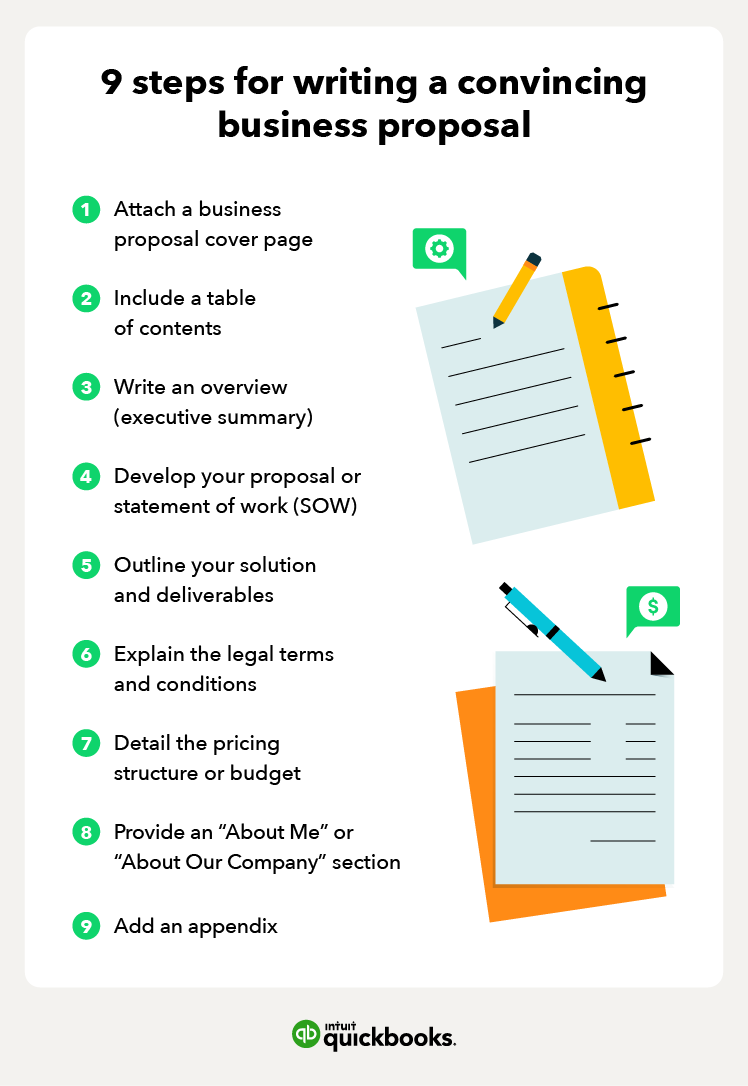
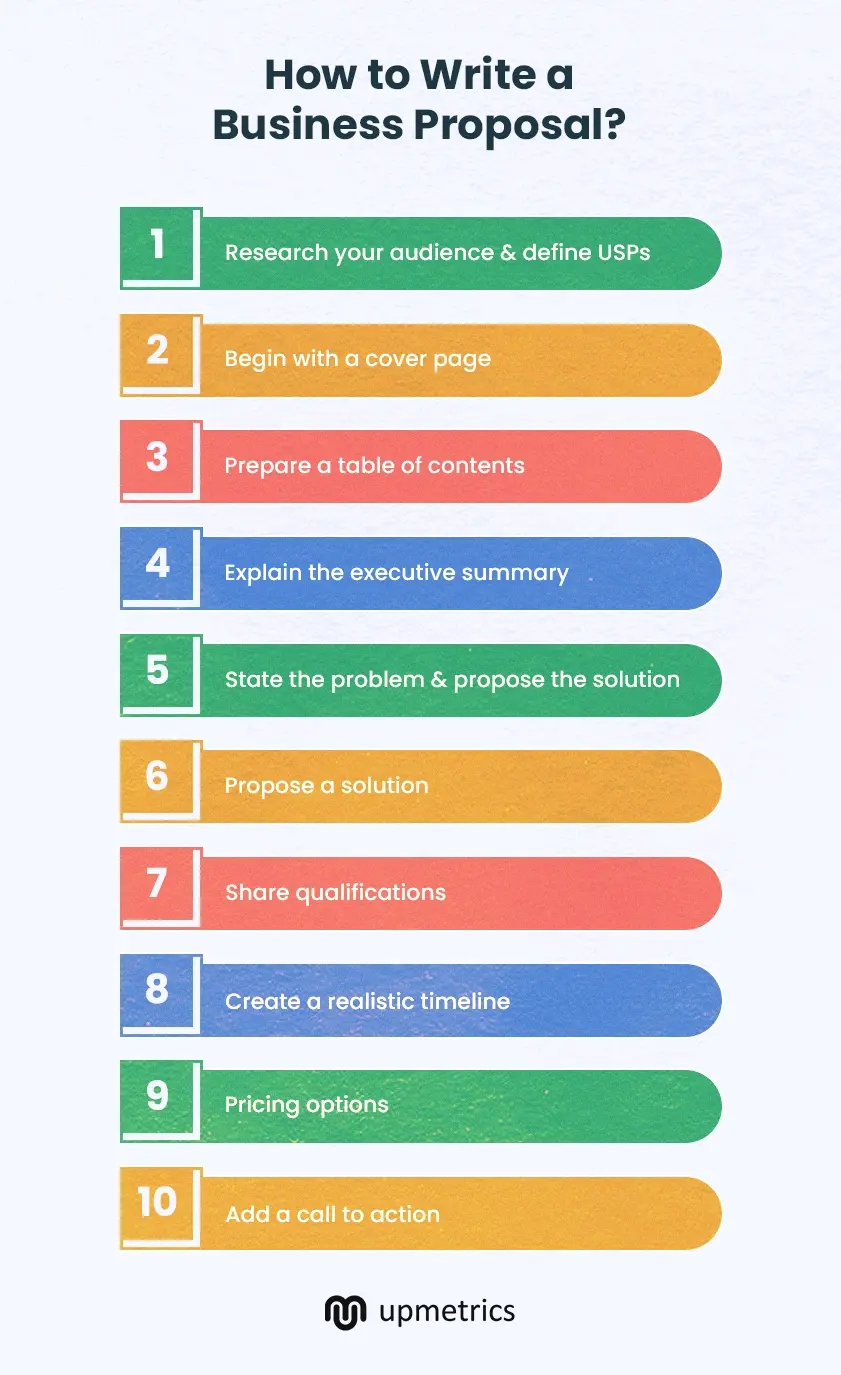
A professional business proposal must follow a logical structure that leads the reader from the recognition of a problem to the realization of a financial benefit. While the aesthetic design is important for brand consistency, the structural integrity of the document is what secures the funding.
The Executive Summary: The CFO’s First Impression
The Executive Summary is arguably the most important section of the proposal from a financial standpoint. Many senior executives, particularly Chief Financial Officers (CFOs), may only read this page before deciding whether to delve into the details. This section should be a distilled version of the entire document, focusing heavily on the value proposition.
A strong executive summary does not just summarize the “what”; it highlights the “why” and the “how much.” It should lead with the anticipated financial impact—for instance, “This proposal outlines a strategy to increase quarterly acquisition by 15% while reducing the cost-per-lead by $12.” By quantifying the benefit upfront, you provide a financial hook that justifies the time investment required to read the rest of the document.
Problem Statement and Solution Design
Before discussing costs, you must establish the financial gravity of the problem you intend to solve. This is often referred to as “cost of inaction.” If a company is losing $50,000 a month due to inefficient supply chain logistics, your $100,000 solution suddenly looks like a bargain. The problem statement should use hard data to illustrate the current financial drain or the missed revenue opportunities.
Once the problem is quantified, the solution design should be presented as a strategic investment. This section should detail the methodology, but always tie the operational steps back to financial efficiency. For example, instead of saying “we will provide 24/7 support,” say “our 24/7 support model ensures zero downtime, preventing the average $10,000-per-hour loss associated with system outages.”
Operational Methodology and Resource Allocation
Efficiency is a cornerstone of business finance. In this section, you outline exactly how you will utilize the resources—both human and capital—to achieve the promised results. Providing a clear timeline and a breakdown of milestones allows the client to see how their money will be put to work over time. From a cash flow management perspective, this is crucial information for the client’s accounting department, as it helps them plan for the disbursement of funds.
Establishing a Robust Pricing and Payment Framework
The pricing section is where many proposals succeed or fail. It is not enough to simply list a price; you must justify it through a lens of value and sustainability. In business finance, pricing is a reflection of positioning, and your payment terms are a reflection of your own company’s cash flow needs.
Value-Based Pricing vs. Cost-Plus Models
When structuring your proposal, you must choose a pricing philosophy. Cost-plus pricing—adding a markup to your expenses—is transparent and easy to calculate, but it often leaves money on the table and fails to account for the actual value provided to the client.
Value-based pricing, on the other hand, sets the price based on the perceived value to the customer. If your consulting work helps a client secure a $1 million contract, a $50,000 fee is a drop in the bucket, regardless of how many hours you spent on the project. Using value-based pricing in your proposal demonstrates a high level of financial sophistication and aligns your interests with the client’s success.
Structuring Payment Milestones and Cash Flow
For long-term projects, requesting 100% payment upfront is often a non-starter for the client’s finance team, while 100% on completion creates a significant cash flow risk for you. A professional proposal should suggest a milestone-based payment schedule. This could include an initial deposit (to cover startup costs), followed by progress payments tied to specific deliverables.
Structuring payments this way serves two financial purposes: it provides you with a steady stream of working capital and it reduces the client’s risk by ensuring they only pay as value is delivered. Additionally, clearly defining the payment terms—such as “Net 30” or “Net 15″—and the accepted payment methods (ACH, wire transfer, credit card) ensures that the transition from a signed proposal to an active invoice is seamless.
Quantitative Proof: Demonstrating ROI and Economic Impact
In the world of finance, data is the only universal language. To win over skeptical stakeholders, your business proposal must include a section dedicated to financial forecasting and ROI (Return on Investment) analysis.
Utilizing Data for Financial Persuasion
If you have past performance data or case studies, this is where you should present them. Use charts and graphs to show historical financial improvements you have achieved for other clients. If you are proposing a new venture, use market research to provide conservative, moderate, and aggressive financial projections.
A “Payback Period” analysis is particularly effective. This tells the client exactly how long it will take for the project to pay for itself. For instance, “With an initial investment of $60,000 and a monthly savings of $5,000, the project will achieve a break-even point within 12 months, after which it contributes directly to the net profit.”
Mitigating Risks and Financial Vulnerabilities
Every investment carries risk, and a sophisticated business proposal does not ignore this. Instead, it addresses it head-on. By including a brief risk assessment and mitigation strategy, you show the client that you are a responsible steward of their capital. Identify potential financial bottlenecks—such as market volatility or supply chain disruptions—and explain the safeguards you have in place to protect their investment. This level of financial transparency builds a foundation of trust that is essential for long-term business relationships.
Professional Presentation and Finalizing the Agreement
The final stages of a business proposal involve moving from the “pitch” to the “partnership.” This requires attention to detail and an understanding of the legal and financial frameworks that govern corporate agreements.
Leveraging Financial Documentation Tools
In the digital age, the “paper” proposal is largely a thing of the past. Using modern financial tools and proposal software can significantly increase your closing rate. These tools allow for interactive pricing tables where clients can select different service tiers, immediately seeing the total cost impact. They also provide analytics, letting you know when a prospect has opened the document and which sections (usually the pricing) they spent the most time on. This data allows for a more informed follow-up conversation.
The Transition to Contract and Accounts Receivable
A business proposal is often the precursor to a formal contract. Ensure that your proposal includes a clear “Next Steps” section and a space for digital signatures. By making it easy for the client to say “yes” and sign immediately, you reduce the “time to cash.”
Once the proposal is signed, it serves as the foundational document for your accounts receivable process. The terms, milestones, and pricing agreed upon in the proposal should flow directly into your accounting software. This ensures that the financial expectations set during the sales process are met during the project lifecycle, leading to a healthy, profitable business relationship. Creating a business proposal is not just about writing; it is about engineering a financial roadmap that leads to mutual prosperity.
aViewFromTheCave is a participant in the Amazon Services LLC Associates Program, an affiliate advertising program designed to provide a means for sites to earn advertising fees by advertising and linking to Amazon.com. Amazon, the Amazon logo, AmazonSupply, and the AmazonSupply logo are trademarks of Amazon.com, Inc. or its affiliates. As an Amazon Associate we earn affiliate commissions from qualifying purchases.