
In the high-stakes arena of business finance, a proposal is more than a mere document; it is a persuasive financial instrument designed to bridge the gap between a conceptual opportunity and tangible revenue. Whether you are a solopreneur pitching a new service to a client, a startup seeking venture capital, or a corporate manager requesting a budget allocation for a new department, the construction of your business proposal determines your fiscal trajectory. A well-crafted proposal speaks the language of the “bottom line,” translating creative ideas into profitable ventures and mitigating the inherent risks associated with capital allocation.
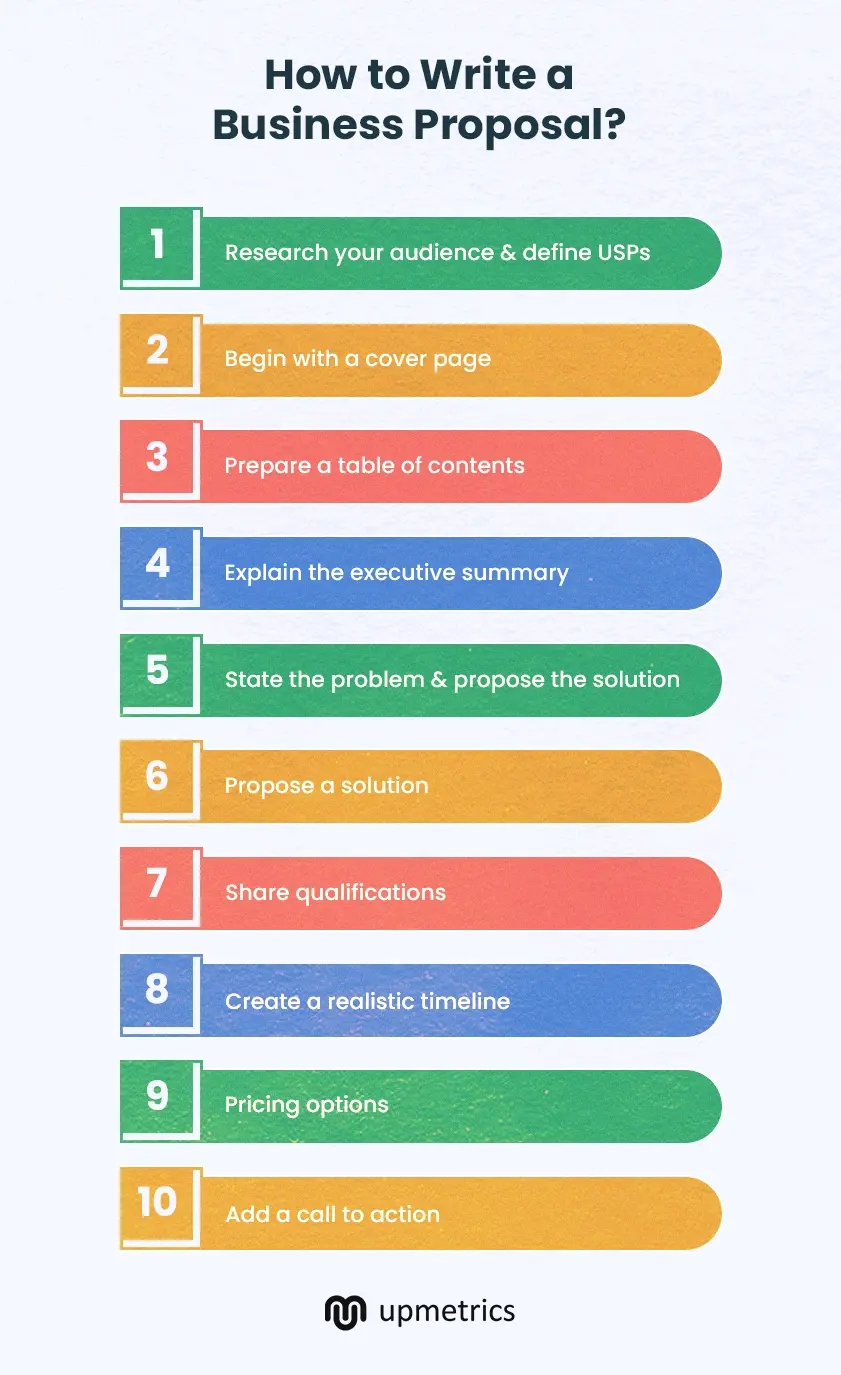
To construct a proposal that resonates with decision-makers, one must look beyond aesthetics and focus on the mechanics of value exchange. This guide explores the architectural requirements of a business proposal through the lens of business finance, ensuring that every section serves the ultimate goal of securing investment and generating sustainable income.
Defining the Financial Value Proposition
The foundation of any successful business proposal is a clearly defined value proposition that prioritizes fiscal outcomes. Investors and clients are not primarily interested in the “what” of your business; they are interested in the “how much” and “how soon.” Your proposal must articulate a path to profitability or cost-savings that justifies the initial expenditure.
Identifying the Pain Point and the Monetary Solution
Every proposal must begin by identifying a specific problem that carries a financial burden. For a client, this might be inefficient software that causes a loss of billable hours. For an investor, it might be an untapped market gap representing billions in lost potential revenue. By quantifying the problem in dollars and cents, you set the stage for your solution to be viewed as a necessary financial correction rather than a luxury purchase. Your solution should not just be a service or product; it must be a mechanism for financial optimization.
Quantifying the ROI for Potential Stakeholders
Return on Investment (ROI) is the ultimate metric by which your proposal will be judged. In this section, you must provide a data-driven projection of what the stakeholder stands to gain. If you are proposing a side hustle partnership, outline the expected profit margins after all overhead is accounted for. If you are seeking a corporate contract, demonstrate how your intervention will reduce operational expenses by a specific percentage over the next fiscal year. Using historical data, case studies, and financial modeling helps transform abstract promises into concrete financial expectations.
The Essential Components of a Profit-Oriented Proposal
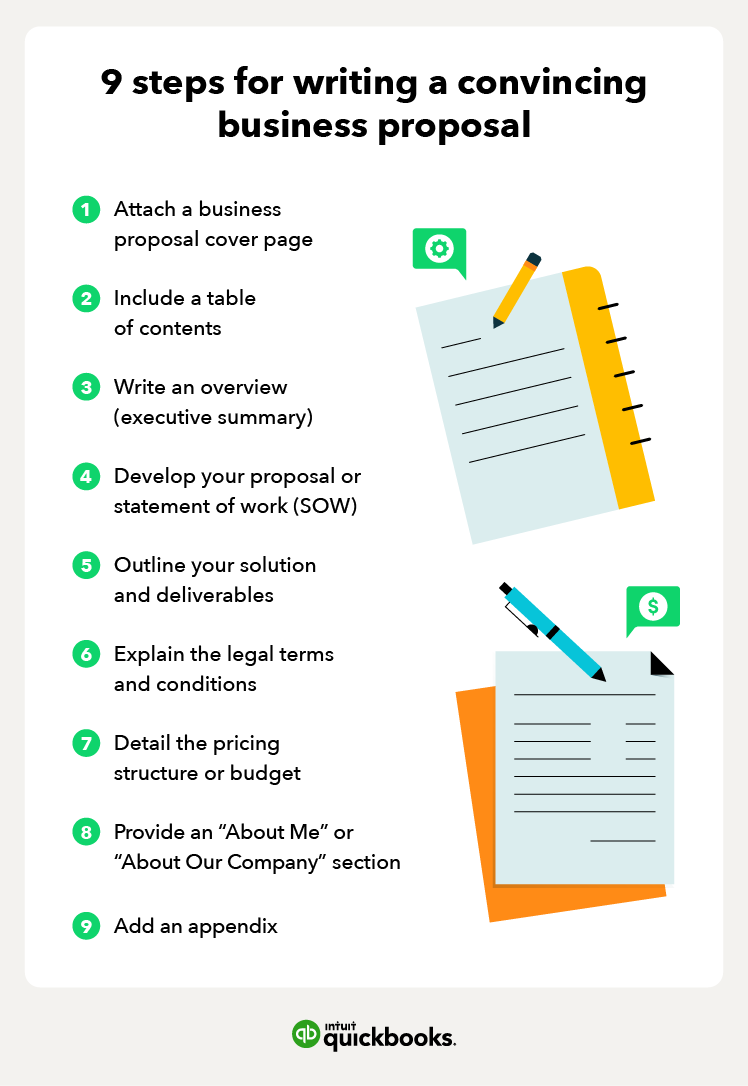
A professional business proposal follows a logical structure that guides the reader from the initial hook to the final commitment. Each component must be treated as a building block in a case for financial viability.
Executive Summary: The Elevator Pitch for Investors
The executive summary is the most critical page of your proposal. It is often the only part read by high-level executives with limited time. This section should summarize the financial opportunity, the total capital required, and the expected timeline for a return. It must be punchy, professional, and rooted in fiscal reality. Avoid jargon; instead, focus on the “ask” and the “give.” For example, “We are seeking $150,000 in seed funding to capture a 5% share of the local logistics market, with a projected break-even point at month 14.”
Market Analysis and Financial Feasibility
No proposal is complete without a deep dive into the market dynamics. You must prove that there is a large enough “Total Addressable Market” (TAM) to sustain your revenue goals. This involves analyzing competitor pricing models, market saturation, and consumer spending habits. A financial feasibility study within this section should address why now is the right time to invest. Is there an economic shift occurring? Are interest rates favorable for this type of expansion? Showing that you understand the macro and micro-economic environment builds trust with those holding the purse strings.
Operations and Human Capital Budgeting
A proposal must account for the “how” of execution. This means outlining the operational costs—rent, equipment, software subscriptions—and the human capital costs. Investors look closely at how you plan to allocate funds toward salaries and talent acquisition. A proposal that underestimates the cost of labor is a red flag for financial instability. Detail your lean management strategies and how you intend to scale operations without exponentially increasing overhead, thereby protecting the profit margin.
Structuring Your Pricing and Revenue Models
The core of your proposal lies in your financial strategy. This is where you explain exactly how money will flow into the business and how it will be managed once it arrives.
Cost-Plus vs. Value-Based Pricing Strategies
Choosing the right pricing model is essential for long-term solvency. Cost-plus pricing—adding a standard markup to the cost of production—is safe but often leaves money on the table. Value-based pricing, on the other hand, sets rates based on the perceived value to the client. In your proposal, you must justify your chosen model. If you are proposing a high-ticket consulting service, explain how your $50,000 fee is a bargain because it will generate $500,000 in annual savings. Transparency in your pricing structure prevents friction during the negotiation phase.
Projecting Cash Flow and Break-Even Points
Revenue is vanity, but cash flow is sanity. Your proposal should include a section dedicated to financial projections, typically covering the first 12 to 36 months. Use H3 sub-headings to break down “Conservative,” “Expected,” and “Aggressive” growth scenarios. Clearly identify your break-even point—the moment when total revenue equals total expenses. Demonstrating an awareness of “burn rate” (the rate at which you spend capital before becoming profitable) shows a level of financial maturity that appeals to sophisticated investors and business partners.
Risk Mitigation and Financial Compliance
Every business venture involves risk, and attempting to hide those risks in a proposal is a mistake. Proactive risk management is a sign of a robust financial plan.
Identifying Fiscal Risks and Contingency Planning
What happens if the market takes a downturn? What if a key supplier raises prices? Your proposal should include a “Sensitivity Analysis” or a “Risk Assessment” section. Address potential threats to the revenue model and outline your contingency plans. This might include maintaining a cash reserve, securing insurance, or diversifying revenue streams. Showing that you have a “Plan B” protects the investor’s capital and demonstrates that you are a responsible steward of financial resources.
Legal and Regulatory Frameworks
Business finance is heavily influenced by the legal environment. Whether it’s tax implications, intellectual property rights, or industry-specific regulations, your proposal must acknowledge the costs associated with compliance. If your business model relies on a specific tax credit or government grant, explain the eligibility requirements and the impact on your net profit. Ignoring the legal side of finance can lead to unexpected liabilities that can bankrupt a project before it matures.
Closing the Deal: Negotiation and Finalizing Terms
The final sections of your proposal should move the reader toward a definitive “yes.” This is where you transition from persuasion to the mechanics of a financial agreement.
Handling Objections Regarding Costs and Equity
Expect pushback on your financial requirements. A common objection is that the initial investment is too high or the equity ask is too steep. Prepare for this by including a “Terms and Conditions” or “Investment Options” section. Offer tiered pricing or different levels of investment to provide the stakeholder with a sense of control. By presenting multiple financial paths, you make it easier for the other party to find a version of the deal that fits their budget and risk tolerance.

The Call to Action: Moving Toward the Contract
End your proposal with a clear, direct call to action. Do not leave the next steps to chance. State exactly what is required to move forward: “To initiate this project and lock in the current pricing, a 30% deposit is required by the end of the fiscal quarter.” This creates a sense of urgency and focuses the conversation on the transfer of funds and the commencement of work. Include a signature block or a link to a secure payment portal to minimize the friction between reading the proposal and closing the deal.
Constructing a business proposal is an exercise in financial storytelling. By grounding your narrative in market data, rigorous budgeting, and clear revenue models, you transform a simple document into a powerful catalyst for wealth creation. Whether you are building an empire or a side hustle, a proposal rooted in sound financial principles is your most valuable asset in the pursuit of business success.
aViewFromTheCave is a participant in the Amazon Services LLC Associates Program, an affiliate advertising program designed to provide a means for sites to earn advertising fees by advertising and linking to Amazon.com. Amazon, the Amazon logo, AmazonSupply, and the AmazonSupply logo are trademarks of Amazon.com, Inc. or its affiliates. As an Amazon Associate we earn affiliate commissions from qualifying purchases.