
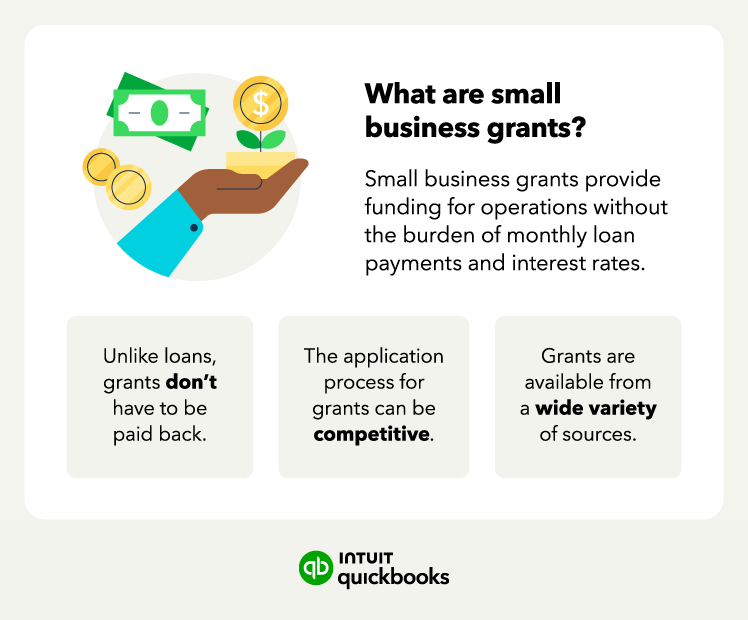
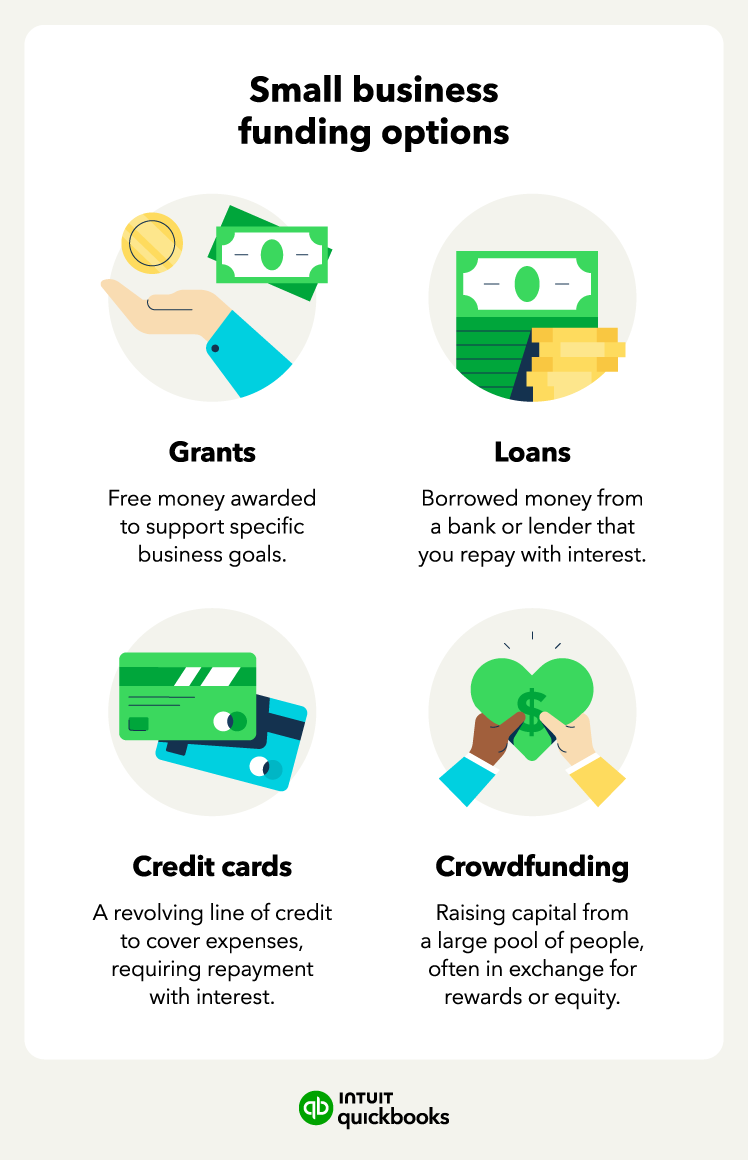
Securing capital is often the most significant hurdle for small business owners and entrepreneurs. While loans and venture capital are common pathways, they come with the burden of debt or the dilution of equity. Grants, often referred to as “free money,” represent a unique financial instrument in the world of business finance. Unlike a loan, a grant does not need to be repaid, and unlike equity financing, it does not require giving up a portion of ownership. However, the process of applying for and winning these funds is rigorous, highly competitive, and requires a strategic approach to financial documentation and narrative building.
Understanding the Landscape of Small Business Grants
Before diving into the application process, it is essential to understand that grants are not universal handouts. They are targeted financial tools used by governments, corporations, and foundations to achieve specific economic or social objectives. To successfully navigate this landscape, a business owner must categorize opportunities based on the source of funding.
Federal Government Grants
The federal government is the largest provider of grants, but these funds are typically reserved for businesses involved in research and development, high-tech innovation, or those addressing critical public needs. The Small Business Innovation Research (SBIR) and the Small Business Technology Transfer (STTR) programs are the gold standards in this category. These programs provide billions of dollars to small businesses that can contribute to federal research goals. Applying for federal grants requires a high level of technical detail and a clear demonstration of how the business’s goals align with the national interest.
State and Local Government Grants
State and local governments are often more invested in regional economic development than the federal government. These grants are frequently aimed at job creation, urban renewal, or supporting specific industries vital to the local economy, such as agriculture, manufacturing, or tourism. Local grants are generally less competitive than federal ones but may offer smaller amounts of capital. They are excellent options for brick-and-mortar businesses looking to expand their footprint or upgrade their facilities to meet environmental standards.
Corporate and Private Foundation Grants
Many large corporations—such as FedEx, Amazon, and Visa—and private foundations offer annual grant competitions. These are often marketing-driven or focused on social responsibility. Corporate grants may prioritize businesses owned by underrepresented groups, including women, minorities, and veterans. While these grants often have simpler application processes than government entities, the volume of applicants is immense, making the “brand story” and the “financial case” equally important.
Building a Winning Grant Proposal
A grant application is more than just a request for money; it is a comprehensive business case. To stand out, an applicant must demonstrate that their business is a low-risk, high-reward investment for the grantor’s specific goals.
Crafting the Executive Summary and Mission Alignment
The first thing a grant reviewer looks for is alignment. If the grant is intended to support sustainable packaging and your business focuses on digital marketing, no amount of financial stability will win you the funds. The executive summary must immediately bridge the gap between your business operations and the grantor’s mission. You should clearly state the problem your business solves, why you are uniquely qualified to solve it, and how the grant funds will act as a catalyst for that solution.
Justifying the Financial Need and Impact
In business finance, transparency is paramount. Grantors want to see exactly where their money is going. This section requires a detailed budget proposal. Rather than asking for a lump sum for “operational costs,” break the request down into specific line items: $15,000 for specialized machinery, $10,000 for patent filings, or $20,000 for payroll for a new specialized hire. Furthermore, you must demonstrate the “multiplier effect.” If the grantor gives you $50,000, how much additional revenue will that generate for your business, and how many jobs will it create?
Developing a Robust Business Plan
Most serious grant applications require a full business plan. This document should include a market analysis, a description of your products or services, a marketing strategy, and financial projections for the next three to five years. The financial projections are particularly critical; they show the grantor that your business is sustainable and will continue to thrive long after the grant funds have been spent. A business that appears to be on the verge of collapse is a poor investment for a grantor, as they want their funds to support growth, not just temporarily stave off bankruptcy.
Technical Requirements and Registration
The administrative side of grant applications is where many small businesses fail. Federal and state grants have strict registration requirements that must be completed weeks or even months before the application deadline.
Obtaining a Unique Entity ID (UEI) and SAM Registration
For any federal grant, your business must be registered with the System for Award Management (SAM.gov). Historically, businesses needed a DUNS number, but this has been replaced by the Unique Entity ID (UEI). This registration process verifies the legal and financial standing of your business. It is a detailed process that involves providing your Taxpayer Identification Number (TIN) or Employer Identification Number (EIN), bank account details for electronic funds transfer, and information about your business’s physical location and ownership structure.
Navigating the Grants.gov Portal
Grants.gov is the centralized clearinghouse for over 1,000 federal grant programs. Familiarizing yourself with this portal is a prerequisite for success. The site allows you to search for opportunities by keyword, eligibility (e.g., “small business”), and agency. Once an opportunity is identified, you must download the application package, which often includes a series of standard forms (SF-424) that cover everything from basic applicant information to assurances regarding lobbying and environmental impact.
Maintaining Financial and Legal Compliance
Before applying, ensure your business is in “Good Standing” with your Secretary of State. This means you are up to date on all annual filings and taxes. Many grantors will perform a “due diligence” check, and any administrative red flag—such as an expired business license or unpaid state taxes—will lead to immediate disqualification regardless of how innovative your business model is.
Optimizing Your Application Strategy
Given the competitive nature of grants, a scattergun approach is rarely successful. A strategic, targeted approach yields a much higher return on the time invested in the application process.
Identifying the Right Niche
Focus on grants where your business has a clear competitive advantage. If you are a woman-owned business in a rural area, look for grants specifically earmarked for “Rural Women Entrepreneurs.” By narrowing the pool of competitors, you increase your statistical chances of success. There are also “mini-grants” offered by local chambers of commerce or industry-specific associations that, while smaller in value, have much higher win rates and can serve as “proof of concept” for larger applications later.
The Importance of Professional Review
Never submit a grant application without a professional review. This includes both a financial audit of your budget and a grammatical review of your narrative. Many successful businesses hire professional grant writers who specialize in business finance. These experts know the specific “buzzwords” and metrics that certain agencies look for. If a professional writer is outside your budget, have your accountant review the financial sections to ensure the budget is realistic and the math is infallible.
Building Relationships with Grant Officers
For many state and private grants, the grant officers are available to answer questions before the deadline. Establishing a line of communication can provide insights into what the committee is truly looking for that year. Asking clarifying questions about the “intent” of the grant can help you tailor your proposal to hit the specific pain points the grantor is trying to address.
Compliance and Post-Grant Financial Management
Winning the grant is only the beginning. The “Money” aspect of grants involves strict post-award management. Grant funds are almost always restricted, meaning they can only be used for the purposes outlined in your proposal.
Tracking Grant Expenditures
From a bookkeeping perspective, grant funds should be kept in a separate account or, at the very least, tracked as a separate class in your accounting software (like QuickBooks or Xero). You must be able to produce receipts and payroll records that prove every dollar of the grant was spent according to the approved budget. Mismanagement of grant funds can lead to a “clawback,” where the grantor demands the money be returned, and it can also disqualify your business from all future funding.
Reporting Requirements and Audits
Most grants require periodic progress reports—quarterly or annually. These reports should detail both financial expenditures and project milestones. For instance, if you received a grant to develop a new software tool, the report should update the grantor on the development phase, any hurdles encountered, and how the budget was reallocated to address those hurdles. Large federal grants may also be subject to a formal audit. Maintaining “audit-ready” financial records is a fundamental part of the grant lifecycle.

Leveraging the Grant for Future Funding
A successfully managed grant is a powerful financial credential. It signals to future investors, banks, and other grantors that your business is disciplined and capable of handling significant capital. In the world of business finance, this is known as “validation.” You can use the success of a $50,000 state grant to build the case for a $250,000 federal grant or a favorable business expansion loan. By treating the grant process as a professional financial engagement, you position your small business for long-term scalability and financial health.
aViewFromTheCave is a participant in the Amazon Services LLC Associates Program, an affiliate advertising program designed to provide a means for sites to earn advertising fees by advertising and linking to Amazon.com. Amazon, the Amazon logo, AmazonSupply, and the AmazonSupply logo are trademarks of Amazon.com, Inc. or its affiliates. As an Amazon Associate we earn affiliate commissions from qualifying purchases.