
For countless small business owners, securing adequate funding is a perennial challenge. Dreams of expansion, purchasing new equipment, or simply maintaining healthy cash flow often hinge on access to capital. Among the myriad financing options available, Small Business Administration (SBA) loans frequently emerge as a top contender, lauded for their competitive terms and accessibility. However, a common refrain heard in entrepreneurial circles is: “How hard is it really to get an SBA loan?”
The perception often paints a daunting picture of endless paperwork, stringent requirements, and lengthy approval processes. While it’s true that obtaining an SBA loan demands thorough preparation and adherence to specific criteria, labeling it as “hard” can be misleading. A more accurate assessment reveals a structured, albeit demanding, process that rewards diligence, transparency, and a robust understanding of your business’s financial health. This article aims to demystify the SBA loan application journey, assess its true difficulty, and equip aspiring borrowers with the insights needed to navigate it successfully within the realm of business finance.
Understanding the SBA Loan Landscape
Before delving into the “difficulty” aspect, it’s crucial to grasp what an SBA loan truly is and how it operates within the financial ecosystem. Unlike conventional business loans, SBA loans aren’t directly issued by the Small Business Administration itself. Instead, the SBA acts as a guarantor, reducing the risk for lenders—typically banks, credit unions, and non-bank financial institutions—who then provide the capital. This government backing makes lenders more willing to approve loans for small businesses that might not qualify for traditional financing due to factors like limited operating history, lack of substantial collateral, or niche industry operations.
What Exactly is an SBA Loan?
At its core, an SBA loan is a government-guaranteed loan designed to stimulate small business growth and job creation. The guarantee percentage varies by program and loan size, but it significantly mitigates the lender’s exposure, thereby opening up capital access for a broader spectrum of small businesses. For borrowers, the benefits are substantial: lower down payments, longer repayment terms (reducing monthly payments), and competitive interest rates that are often capped by the SBA. These favorable terms are a primary reason why SBA loans are so highly sought after. They can be used for a wide range of purposes, including working capital, purchasing real estate or equipment, refinancing existing debt, and even buying another business.
Common SBA Loan Programs
The SBA offers several distinct loan programs, each tailored to specific business needs and borrower profiles. Understanding the nuances of each can help a business owner identify the most suitable path.
-
7(a) Loan Program: This is the most common and flexible SBA loan program, offering a wide array of uses, including working capital, equipment purchases, real estate acquisition, and business acquisition. Loan amounts can go up to $5 million, and repayment terms are typically up to 10 years for working capital and equipment, and up to 25 years for real estate. Its versatility makes it a popular choice for many small businesses.
-
CDC/504 Loan Program: Designed for businesses seeking to purchase or renovate major fixed assets like real estate or heavy machinery. This program involves a partnership between the borrower, a traditional lender, and a Certified Development Company (CDC). The traditional lender typically finances 50% of the project, the CDC finances up to 40% (guaranteed by the SBA), and the borrower contributes at least 10% equity. This structure provides long-term, fixed-rate financing for significant capital expenditures.
-
Microloan Program: As the name suggests, this program provides smaller loans, typically up to $50,000, to startups and small businesses. These loans are often administered through non-profit community-based organizations that also provide business counseling and technical assistance to borrowers. Microloans are particularly beneficial for very small businesses, often those in underserved communities, who might struggle to secure even modest financing elsewhere.
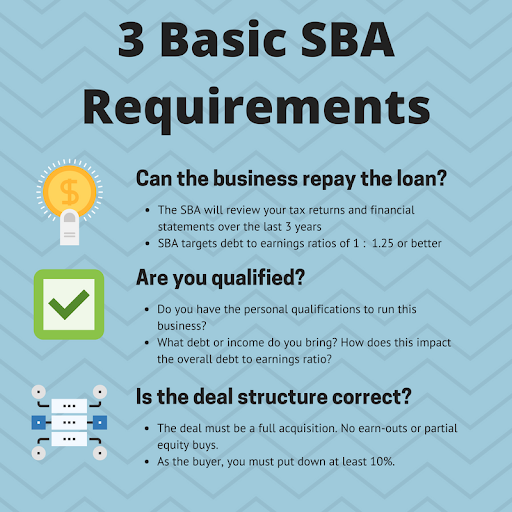
While each program has specific criteria, general eligibility for all SBA loans includes operating as a for-profit business, doing business in the U.S. or its possessions, having reasonable owner equity to invest, and demonstrating the ability to repay the loan from ongoing operations.
Dispelling Myths: Is It Really That Hard?
The prevailing narrative often suggests that securing an SBA loan is an arduous and often fruitless endeavor. This perception is fueled by anecdotes of extensive paperwork, strict qualification criteria, and prolonged waiting periods. However, a closer examination reveals that while the process is certainly rigorous, it is far from insurmountable for well-prepared and viable small businesses. The “difficulty” is often more about complexity and the necessity of thoroughness rather than an inherently unattainable standard.
The Perception vs. Reality
Many entrepreneurs approach SBA loans with trepidation, having heard tales of months-long processes and high denial rates. The reality, however, is that while SBA loans do require a significant commitment of time and effort for documentation and due diligence, the process is well-defined. The “hard” part isn’t necessarily meeting impossible standards, but rather gathering all the necessary information, presenting a compelling case, and demonstrating financial prudence.
Compared to conventional loans, SBA loans might involve more layers of review due to the government guarantee aspect. This means satisfying both the lender’s underwriting standards and the SBA’s specific program requirements. However, this added scrutiny is precisely what enables businesses to access capital they might otherwise be denied. For a business with a solid plan, good credit, and clear financial records, the SBA loan process is often a structured pathway to growth rather than an insurmountable barrier.
Key Factors That Influence Approval
Several critical factors weigh heavily in the SBA loan approval process. Understanding these elements and proactively strengthening them can significantly improve a borrower’s chances.
-
Creditworthiness: Both personal and business credit scores are paramount. Lenders will examine your payment history, outstanding debts, and overall financial responsibility. A strong personal credit score (typically 680+) is often a prerequisite, especially for newer businesses without an established business credit history.
-
Business Plan: A well-researched, comprehensive, and convincing business plan is non-negotiable. It must clearly outline your business’s mission, market analysis, management team, operational strategies, and, crucially, realistic financial projections that demonstrate the capacity to repay the loan. This plan is your story, proving viability and competence.
-
Collateral: While the SBA guarantee reduces the need for extensive collateral compared to traditional loans, most lenders will still require some form of collateral, such as real estate, equipment, or accounts receivable. The SBA does not deny loans solely due to a lack of collateral if the business otherwise demonstrates strong repayment ability. However, having assets to pledge certainly strengthens an application.
-
Equity/Owner Contribution: Lenders and the SBA want to see that business owners have “skin in the game.” A reasonable owner equity injection (often 10-30% of the project cost) demonstrates commitment and mitigates lender risk. This shows you’re personally invested in the success of the venture.
-
Cash Flow Projections: Beyond historical performance, lenders scrutinize future cash flow projections. These must be conservative, well-supported, and clearly illustrate how the business will generate sufficient revenue to cover its operating expenses and debt service. Unrealistic or overly optimistic projections are red flags.
-
Industry Experience: The management team’s experience and expertise in the industry are crucial. Lenders want assurance that the individuals running the business possess the knowledge and skills necessary for success. This reduces perceived operational risk.
The Application Process: Navigating the Hurdles
The actual process of applying for an SBA loan can be perceived as a series of hurdles, each requiring careful attention to detail. However, viewing these hurdles as checkpoints for due diligence rather than obstacles can shift the perspective from “hard” to “thorough.”
Finding the Right Lender
Not all banks offer SBA loans, and among those that do, some are more experienced and efficient than others. The first step is to identify an SBA-approved lender that understands your business and industry.
-
SBA Preferred Lenders: These lenders have a proven track record with the SBA and have been granted authority to approve and process some SBA loans more quickly, often without direct SBA review for every step. Working with a preferred lender can significantly streamline the process.
-
Community Banks vs. Large National Banks: Community banks often have a more personalized approach and a deeper understanding of local market conditions, which can be advantageous for small businesses. Large national banks, while having extensive resources, may have a more standardized, less flexible process.
-
Online Lenders: A growing number of online platforms specialize in SBA loans, offering potentially faster processing times and a more digital-friendly application experience. It’s crucial to research their reputation and track record.
Shopping around and comparing terms, lender fees, and customer service is essential to find a partner that aligns with your business’s needs.
Essential Documentation Checklist
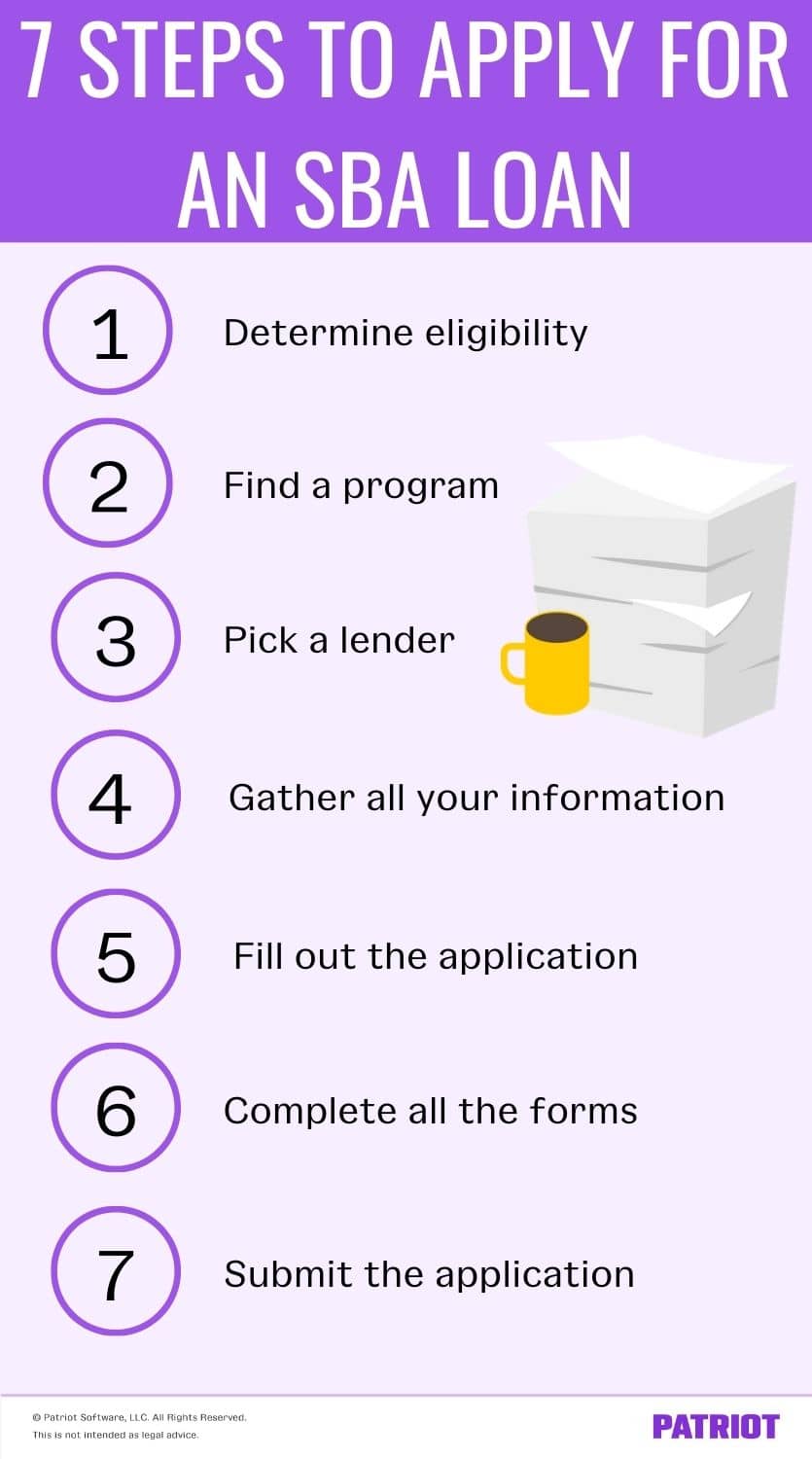
The most commonly cited “hard” aspect of SBA loans is the sheer volume of documentation required. A meticulous approach to gathering and organizing these documents is paramount. While specific requirements can vary slightly by lender and program, a general checklist includes:
-
Personal Financial Statements: For all owners and guarantors (typically anyone with 20% or more ownership).
-
Business Financial Statements: For existing businesses, this includes profit & loss statements, balance sheets, and cash flow statements, usually for the past three years. Startups will need detailed projections.
-
Federal Tax Returns: Personal tax returns (e.g., Form 1040) for the past three years for all owners, and business tax returns (e.g., Form 1120, 1120S, 1065) for the past three years for existing businesses.
-
Comprehensive Business Plan: Outlining the business model, market analysis, marketing strategy, management team, and financial projections.
-
Resumes of All Owners/Key Management: Demonstrating relevant industry experience and management capabilities.
-
Business Legal Documents: Articles of incorporation/organization, business licenses and permits, business lease agreements, franchise agreements (if applicable).
-
Loan Application Forms: Specific forms provided by the lender and required by the SBA.
-
Statement of How Loan Funds Will Be Used: A detailed breakdown of how the borrowed capital will be allocated.
-
Proof of Equity Injection: Documentation showing the owner’s financial contribution to the business.
Preparing this documentation well in advance, and ensuring it is accurate and consistent, will prevent delays and headaches.
Understanding the Timeline
The timeline for an SBA loan can vary significantly. While some microloans might be approved in a few weeks, a larger 7(a) or 504 loan typically takes longer.
-
Preparation Phase (Borrower): Gathering all necessary documents, refining the business plan, and securing personal financial readiness can take anywhere from a few weeks to several months, depending on the applicant’s organization and existing records.
-
Lender Review and Underwriting: Once submitted, the lender will thoroughly review the application, financials, and business plan. This phase can take several weeks (e.g., 2-6 weeks), involving back-and-forth communication for additional information or clarification.
-
SBA Review (if not a Preferred Lender): If the lender is not an SBA Preferred Lender, the application may then be submitted to the SBA for its final guarantee approval. This can add another few days to several weeks.
-
Loan Closing: Once approved by both the lender and the SBA, the legal documents are prepared and signed. This final step can take another 2-4 weeks.
In total, a typical SBA loan process can range from 1-3 months, with some more complex cases taking longer. Managing expectations regarding this timeline is crucial for businesses relying on the funding for critical operations or expansion.

Strategies to Increase Your Chances of Approval
While the SBA loan process is detailed, it’s far from a lottery. There are proactive steps and strategic approaches that can significantly boost your likelihood of approval. The key lies in presenting a strong, clear, and credible case for your business’s financial health and growth potential.
Proactive Preparation is Key
The more prepared you are before even approaching a lender, the smoother the process will be.
-
Start Early: Don’t wait until you’re in a desperate financial situation. Begin researching and organizing well in advance of your capital needs. This allows time to address any weaknesses in your application.
-
Build Strong Credit: Consistently work on improving both your personal and business credit scores. Pay bills on time, keep credit utilization low, and regularly check your credit reports for errors. A good credit history is a strong indicator of financial responsibility.
-
Refine Your Business Plan: Your business plan is your story and your roadmap. Ensure it is not just detailed but also compelling, realistic, and clearly articulates your market opportunity, operational strategy, management capabilities, and, most importantly, how you will generate revenue to repay the loan. Seek feedback from mentors or advisors.
-
Ensure Adequate Owner Equity: Lenders want to see that you have a significant personal investment in your business. A higher equity injection demonstrates commitment and reduces the lender’s risk, making your application more attractive.
Professional Guidance
You don’t have to navigate the SBA loan process alone. Several resources offer invaluable, often free, assistance.
-
SCORE Mentors: SCORE is a non-profit organization that provides free business mentoring and resources, including help with business plans and financial projections.
-
Small Business Development Centers (SBDCs): SBDCs offer free, confidential business consulting and training, often specializing in helping businesses prepare for financing. They can guide you through the loan application process and help you package your documentation.
-
Women’s Business Centers (WBCs) and Veterans Business Outreach Centers (VBOCs): These centers provide targeted support and resources for specific demographics of entrepreneurs, including assistance with securing funding.
-
Loan Brokers: While they come with fees, experienced loan brokers who specialize in SBA loans can help identify the right program and lender, and assist with packaging your application, potentially saving you time and increasing your chances of success. Ensure you understand their fee structure upfront.
Demonstrate Repayment Ability
Ultimately, a lender’s primary concern is whether you can repay the loan. Your application must unequivocally demonstrate this capacity.
-
Solid Financial Projections: Provide detailed, realistic, and conservative financial projections (P&L, balance sheet, cash flow for 3-5 years). Base these on market research, industry benchmarks, and reasonable assumptions, not just optimistic forecasts.
-
Clear Use of Funds: Articulate precisely how the loan funds will be used and how that investment will directly contribute to increased revenue, cost savings, or overall business growth, thereby strengthening your ability to service the debt. Every dollar requested should have a clear, justifiable purpose.
Common Reasons for SBA Loan Denial (and how to avoid them)
Understanding why SBA loans are often denied can be as crucial as knowing what makes an application strong. Many denials stem from common pitfalls that can be avoided with careful preparation and attention to detail.
Insufficient Credit Score
A low personal or business credit score is a frequent deal-breaker. Lenders view credit history as a strong indicator of an applicant’s reliability and financial management skills.
- Solution: Proactively monitor your credit reports for inaccuracies and dispute them. Work to improve your scores by paying all debts on time, reducing outstanding balances, and avoiding new credit inquiries in the months leading up to your application.
Weak or Non-existent Business Plan
A poorly constructed or missing business plan is a significant red flag. It suggests a lack of foresight, market understanding, and strategic direction.
- Solution: Invest substantial time and effort in developing a comprehensive, well-researched, and compelling business plan. Seek guidance from SCORE, SBDCs, or business consultants to refine it and ensure it clearly articulates your value proposition, market strategy, operational details, and financial projections.
Inadequate Collateral or Equity
While the SBA guarantee helps, a complete lack of any collateral or an insufficient owner equity injection can make a lender hesitant. It signals a lack of personal commitment or a high-risk venture.
- Solution: Be realistic about the loan amount you are seeking relative to your assets. If possible, bring more personal equity to the table. Explore all available assets that could serve as collateral. Sometimes, adjusting the loan request to a smaller, more manageable amount (e.g., through a microloan) might be a better initial strategy.
Inconsistent or Incomplete Documentation
Submitting an application with missing forms, outdated financials, or inconsistent information is a common reason for delays and ultimate denial. It reflects disorganization and can erode a lender’s confidence.
- Solution: Create a meticulous checklist of all required documents. Double-check every form for accuracy and completeness. Ensure all financial statements and tax returns are up-to-date and consistent across documents. A well-organized, complete package speaks volumes about your professionalism.
Unrealistic Financial Projections
Overly optimistic or unsubstantiated financial forecasts will quickly undermine your credibility. Lenders are looking for realistic, conservative projections backed by solid market research and sound assumptions.
- Solution: Base your financial projections on credible data, such as industry benchmarks, market research, and your company’s historical performance (if applicable). Err on the side of conservatism. Clearly explain the assumptions behind your projections and be prepared to defend them.
Too New of a Business (Lack of Operating History)
Startups, while eligible for certain SBA programs, face a steeper climb due to a lack of established operating history and revenue streams.
- Solution: If your business is relatively new, emphasize the management team’s experience, a higher equity injection, and an exceptionally strong business plan that thoroughly addresses market demand and operational viability. Consider starting with an SBA microloan, which is specifically designed for very small businesses and startups.
Conclusion
So, how hard is it to get an SBA loan? The most accurate answer is: it’s as hard as you make it. It’s not an impossible feat, but it is a rigorous and detailed process that demands thorough preparation, transparency, and a deep understanding of your business’s financial standing and future prospects. The “difficulty” lies not in unattainable standards, but in the discipline required to compile a comprehensive, compelling, and accurate application.
For small business owners, the effort is often well worth it. The favorable terms, lower down payments, and longer repayment periods associated with SBA-guaranteed loans can provide the crucial capital injection needed to fuel growth, create jobs, and achieve entrepreneurial dreams. By understanding the landscape, preparing meticulously, leveraging available resources, and avoiding common pitfalls, small business owners can significantly increase their chances of securing this vital funding. With the right approach and unwavering commitment, an SBA loan can transform from a perceived hurdle into a powerful catalyst for your business’s success in the competitive financial world.
aViewFromTheCave is a participant in the Amazon Services LLC Associates Program, an affiliate advertising program designed to provide a means for sites to earn advertising fees by advertising and linking to Amazon.com. Amazon, the Amazon logo, AmazonSupply, and the AmazonSupply logo are trademarks of Amazon.com, Inc. or its affiliates. As an Amazon Associate we earn affiliate commissions from qualifying purchases.