
Securing a small business loan can be a pivotal moment for any entrepreneur, providing the capital needed to launch a new venture, expand operations, purchase equipment, or manage cash flow. However, navigating the landscape of business finance can be daunting, with numerous lenders and loan products each carrying specific qualification criteria. Understanding these requirements thoroughly is not just about filling out forms; it’s about strategically positioning your business for success in the eyes of potential lenders. This comprehensive guide will demystify the qualification process, helping you prepare your business to meet and exceed lender expectations, ensuring you can access the funding essential for your growth.

Understanding Lender Requirements: The Foundation of Eligibility
Before you even begin compiling documents, it’s crucial to understand the fundamental criteria that lenders use to assess a small business’s creditworthiness. These benchmarks serve as the bedrock of their risk assessment.
Business Credit Score and Personal Credit Score
Lenders will invariably scrutinize both your business credit score and, for smaller businesses or those with limited operating history, your personal credit score. Your personal credit history (typically FICO scores) offers insight into your financial responsibility, reflecting your ability to manage debt and make timely payments. A strong personal credit score (generally above 680, preferably 720+) is often a prerequisite, particularly for startup loans or when your business credit file is nascent.
Business credit scores, such as Dun & Bradstreet’s PAYDEX score, Experian’s Intelliscore Plus, or Equifax’s Business Credit Risk Score, evaluate the financial health and payment history of your business entity. Lenders look for a consistent history of prompt payments to vendors and suppliers, low utilization of credit, and a lack of bankruptcies or significant delinquencies. Building a robust business credit profile takes time and deliberate effort, including registering with credit bureaus, maintaining separate business finances, and paying all invoices on time.
Time in Business and Revenue
The longevity of your business and its revenue generation are significant indicators of stability and success for lenders. Startups, by their very nature, carry higher risk, and as such, many traditional lenders require a minimum operating history—typically two to three years—before considering a loan application. This track record demonstrates market acceptance, operational stability, and the business’s ability to generate consistent income.
Beyond time, lenders will assess your annual revenue. This metric gives them an understanding of your business’s capacity to generate cash flow and, consequently, its ability to service debt. While specific revenue requirements vary widely depending on the loan amount and lender type, demonstrating consistent, growing revenue is critical. For instance, some online lenders might require just $50,000 in annual revenue for a short-term loan, while traditional banks or SBA loans might look for significantly higher figures, often in the hundreds of thousands or even millions, for larger loans.
Industry and Business Model
The industry in which your business operates and its underlying business model can also influence your qualification chances. Certain industries are perceived as higher risk due to volatility, high overhead, or regulatory challenges (e.g., some construction segments, certain retail niches, or highly speculative ventures). Conversely, stable industries with predictable revenue streams (e.g., professional services, established manufacturing) might be viewed more favorably.
Lenders will want to understand your business model in detail: how you generate revenue, your customer acquisition strategy, competitive advantages, and scalability. A clear, well-articulated, and proven business model demonstrates a path to profitability and sustainability, reassuring lenders that their investment is secure. If your business operates in a perceived high-risk sector, you’ll need to present an even stronger case for stability and potential, perhaps emphasizing niche market dominance or unique operational efficiencies.
Essential Documentation: Preparing Your Loan Application
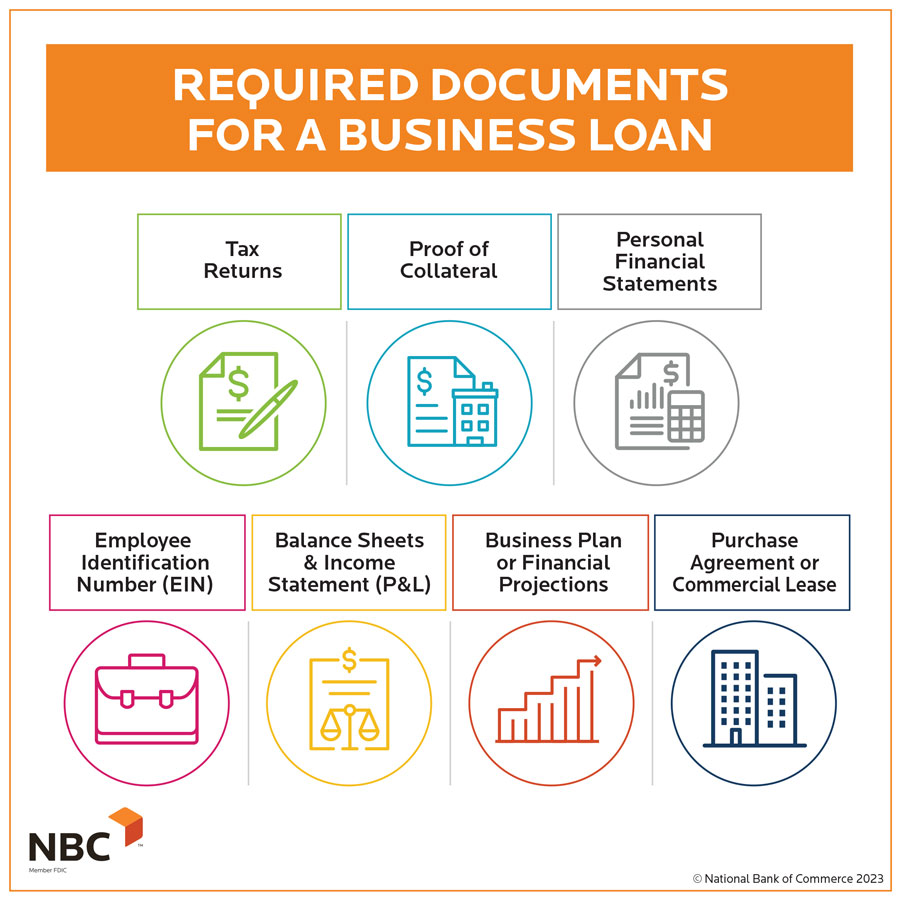
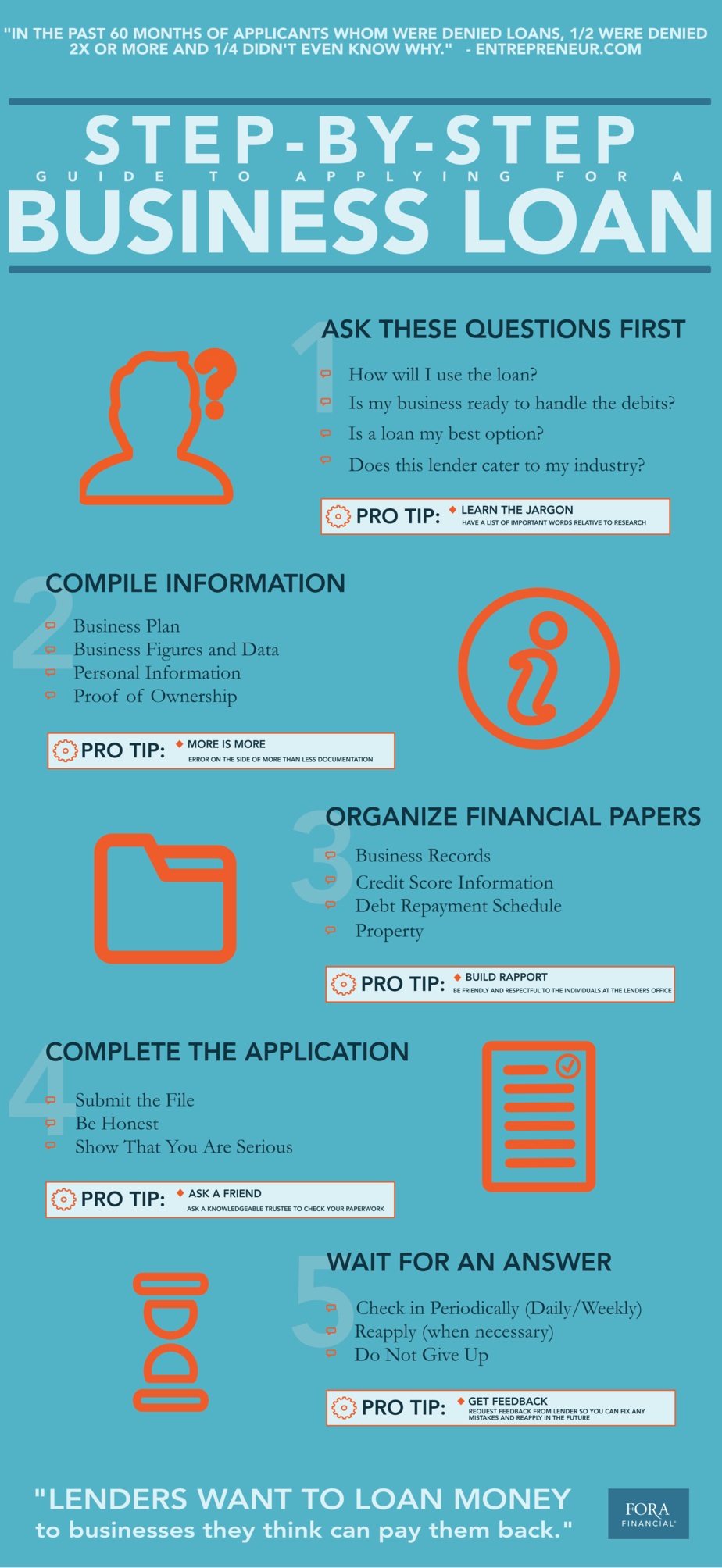
Once you understand the core eligibility factors, the next critical step is to gather and organize the necessary documentation. A well-prepared loan application package not only speeds up the process but also presents your business in the best possible light.
Business Plan
A comprehensive business plan is arguably the most crucial document, especially for newer businesses or those seeking substantial funding. It’s more than just a formality; it’s a strategic roadmap that communicates your vision, strategy, and financial projections to potential lenders. A strong business plan should include:
-
Executive Summary: A concise overview of your business, its mission, products/services, target market, and financial highlights.
-
Company Description: Detailed information about your legal structure, history, and objectives.
-
Market Analysis: In-depth research on your industry, target market, competitors, and competitive advantages.
-
Organization & Management: Details about your leadership team, their experience, and roles.
-
Service or Product Line: A thorough description of what you sell and its unique value proposition.
-
Marketing & Sales Strategy: How you plan to reach customers and generate sales.
-
Financial Projections: Realistic forecasts for revenue, expenses, profit and loss, cash flow, and balance sheets for the next 3-5 years.
Lenders use this plan to assess the viability of your business, your understanding of the market, and your ability to execute your strategy.
Financial Statements
Robust, up-to-date financial statements are non-negotiable. Lenders typically require statements for the past two to three years, sometimes even quarterly statements for the current year. These include:
-
Profit & Loss (Income) Statements: Show your revenue, costs, and profits over a period. Lenders look for consistent profitability or a clear path to it.
-
Balance Sheets: Provide a snapshot of your assets, liabilities, and equity at a specific point in time. This helps assess your business’s financial health and solvency.
-
Cash Flow Statements: Detail the cash coming into and going out of your business. Lenders examine this closely to ensure you have enough liquidity to manage operations and repay the loan.
-
Business Tax Returns: For the past 2-3 years, these verified financial documents confirm the information in your other statements.
Additionally, lenders will likely request personal financial statements and personal tax returns from all principal owners to understand their overall financial standing and capacity to support the business.
Legal and Ownership Documents
To confirm the legal existence and ownership structure of your business, you’ll need to provide several legal documents:
-
Articles of Incorporation or Organization: Proving your business is legally registered.
-
Business Licenses and Permits: Demonstrating compliance with local, state, and federal regulations.
-
Business Bank Statements: Usually for the past 6-12 months, to verify consistent cash flow and transaction history.
-
Resumes of Key Owners/Management: To showcase the experience and qualifications of your leadership team.
-
Any Existing Loan Agreements: If your business has other debts, lenders will want to see the terms and conditions.
Collateral and Guarantees
For many small business loans, particularly traditional bank loans or larger amounts, lenders will require collateral or a personal guarantee.
-
Collateral: These are assets pledged to secure the loan, giving the lender a claim to them if you default. Common forms of collateral include real estate (commercial property), accounts receivable, inventory, equipment, or even intellectual property. The value and liquidity of your collateral directly impact the loan amount and terms you can secure.
-
Personal Guarantee: This is a legally binding promise from the business owner(s) to personally repay the business debt if the business defaults. While it means putting personal assets at risk, it’s a common requirement, especially for newer businesses that may not have sufficient business assets for collateral. For loans backed by the Small Business Administration (SBA), personal guarantees are almost always mandatory for owners with 20% or more equity.
Types of Small Business Loans and Their Specific Criteria
Understanding the different types of small business loans available is crucial, as each comes with its own set of eligibility requirements and best-fit scenarios. Choosing the right loan type can significantly improve your chances of qualification.
SBA Loans (7(a), 504, Microloans)
SBA loans are among the most popular options for small businesses because they are partially guaranteed by the U.S. Small Business Administration, reducing risk for lenders and making it easier for businesses to qualify. While the SBA doesn’t lend money directly (except for disaster loans), it sets guidelines for its lending partners.
-
SBA 7(a) Loans: The most common and flexible, used for working capital, equipment, real estate, or refinancing. Qualification typically requires strong personal credit (650+), a sound business plan, an inability to get credit elsewhere on reasonable terms, and meeting SBA size standards. The business must operate for profit and be located in the U.S.
-
SBA 504 Loans: Used for major fixed assets like real estate or machinery. They involve three parties: the borrower, a bank, and a Certified Development Company (CDC). Requirements are similar to 7(a) but often focus on job creation or community development goals.
-
SBA Microloans: Smaller loans (up to $50,000) for working capital or inventory. These have more flexible requirements and often target specific underserved communities or startups.
Traditional Bank Loans (Term Loans, Lines of Credit)
Traditional banks offer various loan products, including term loans (fixed repayment schedule) and lines of credit (flexible, revolving credit). They generally have the most stringent qualification requirements but also offer the most competitive interest rates.
-
Term Loans: Ideal for larger, one-time investments. Banks typically require excellent personal and business credit, significant time in business (2-3+ years), consistent profitability, substantial annual revenue (often $250,000+), and strong collateral.
-
Lines of Credit: Provide flexible access to funds for short-term working capital needs. Qualification also demands strong credit, a solid operating history, and demonstrated cash flow.
Building a long-term relationship with a bank, especially one where you maintain your business accounts, can sometimes facilitate access to these loans.
Alternative Lenders and Online Loans
The rise of alternative and online lenders has provided more accessible funding options, often with quicker approval times and more lenient criteria than traditional banks. However, these often come with higher interest rates.
-
Online Term Loans: Many online lenders offer term loans with faster applications and funding. They might require less time in business (6 months to 1 year) and lower revenue thresholds ($50,000-$100,000+ annually) but still check credit scores (often 600+).
-
Short-Term Loans/Merchant Cash Advances (MCAs): These are designed for businesses needing quick cash, often with less emphasis on credit scores and more on daily/monthly revenue. MCAs are technically not loans but an advance on future sales, repaid daily or weekly. They are easier to qualify for but carry very high Annual Percentage Rates (APRs), making them a last resort for many.
-
Invoice Factoring/Financing: This involves selling your unpaid invoices to a third party (factor) at a discount. Qualification depends more on the creditworthiness of your customers and the quality of your invoices than your own business credit. It’s suitable for businesses with slow-paying clients.
Equipment Financing
When you need to purchase specific machinery or equipment, equipment financing is a tailored solution. The equipment itself serves as collateral for the loan, making it easier to qualify than a general business loan.
- Requirements: Lenders primarily look at the value and lifespan of the equipment, your business’s ability to generate revenue to cover payments, and often a decent personal credit score (600+). Time in business and revenue requirements can be more flexible, as the asset secures the loan.
Strategies to Enhance Your Loan Qualification Chances
Even if your business doesn’t perfectly fit every criterion, there are proactive steps you can take to strengthen your application and improve your odds of securing a small business loan.
Improve Your Financial Health
This is an ongoing process. Regularly monitor and improve both your personal and business credit scores. Pay all bills on time, keep credit utilization low, and dispute any errors on your credit reports. Focus on increasing your business’s profitability and cash flow by optimizing operations, managing expenses, and growing sales. Having strong, consistent cash flow is the most compelling argument for a lender that you can repay debt.
Develop a Robust Business Plan
A well-researched, realistic, and compelling business plan is your opportunity to tell your story and demonstrate your viability. Ensure your financial projections are conservative yet ambitious, and that your market analysis is thorough. Highlight your competitive advantages and the experience of your management team. If seeking funding for a new venture, clearly articulate how you will generate revenue and manage expenses in the initial months.
Seek Professional Advice
Don’t hesitate to consult with financial professionals. An accountant can help you prepare accurate financial statements and tax returns, ensuring they present your business in the best light. A business advisor or mentor can help refine your business plan and identify potential weaknesses in your application. The Small Business Administration (SBA) offers free counseling services through its resource partners like SCORE, Small Business Development Centers (SBDCs), and Women’s Business Centers (WBCs), which can be invaluable for navigating the loan process.
Start Small and Build Relationships
If your business is new or has a limited credit history, consider starting with smaller, more accessible forms of financing, such as a microloan, a business credit card, or a small line of credit. Successfully managing and repaying these smaller debts will build your business’s credit history, making it easier to qualify for larger loans in the future. Simultaneously, cultivate a strong relationship with your business bank. A long-standing banking relationship can sometimes lead to more favorable loan terms and greater flexibility.
Conclusion
Qualifying for a small business loan is a multi-faceted process that hinges on thorough preparation, a deep understanding of lender expectations, and a clear presentation of your business’s financial health and potential. By focusing on building strong personal and business credit, maintaining meticulous financial records, crafting a compelling business plan, and strategically selecting the right loan product, you significantly enhance your chances of securing the capital your business needs. Remember, lenders are looking for reliable partners; by demonstrating stability, growth potential, and a clear repayment strategy, you position your business as an attractive and trustworthy investment. The journey to funding may require patience and persistence, but with diligence and strategic planning, you can unlock the financial resources essential for your small business’s success.
aViewFromTheCave is a participant in the Amazon Services LLC Associates Program, an affiliate advertising program designed to provide a means for sites to earn advertising fees by advertising and linking to Amazon.com. Amazon, the Amazon logo, AmazonSupply, and the AmazonSupply logo are trademarks of Amazon.com, Inc. or its affiliates. As an Amazon Associate we earn affiliate commissions from qualifying purchases.