
In the competitive landscape of modern quick-service restaurants, few brands command the same level of cult following and respect as Shake Shack. Often lauded as a pioneer of the “better burger” movement, its ubiquitous green logo and unwavering commitment to quality have carved out a significant niche. But before it became a global phenomenon, captivating palates from New York to Tokyo, Shake Shack started with remarkably humble beginnings. Understanding its origin is not just a journey through culinary history; it’s a deep dive into how a strategic vision, a commitment to hospitality, and an organic growth model can forge an iconic brand identity. This article explores the foundational elements that propelled Shake Shack from a seasonal hot dog cart to a multi-billion-dollar brand, offering invaluable insights for anyone interested in corporate identity, brand strategy, and the power of authentic growth.

The Genesis: From Hot Dog Cart to Cult Following
The story of Shake Shack is inextricably linked to its visionary founder, Danny Meyer, a titan of the hospitality industry known for his critically acclaimed fine dining restaurants under Union Square Hospitality Group (USHG). Meyer’s philosophy, rooted in “enlightened hospitality,” places an emphasis on community, service, and creating exceptional experiences. This ethos, originally honed in upscale settings, would become the unlikely bedrock for a fast-casual empire.
The Madison Square Park Experiment: A Summer Pop-Up
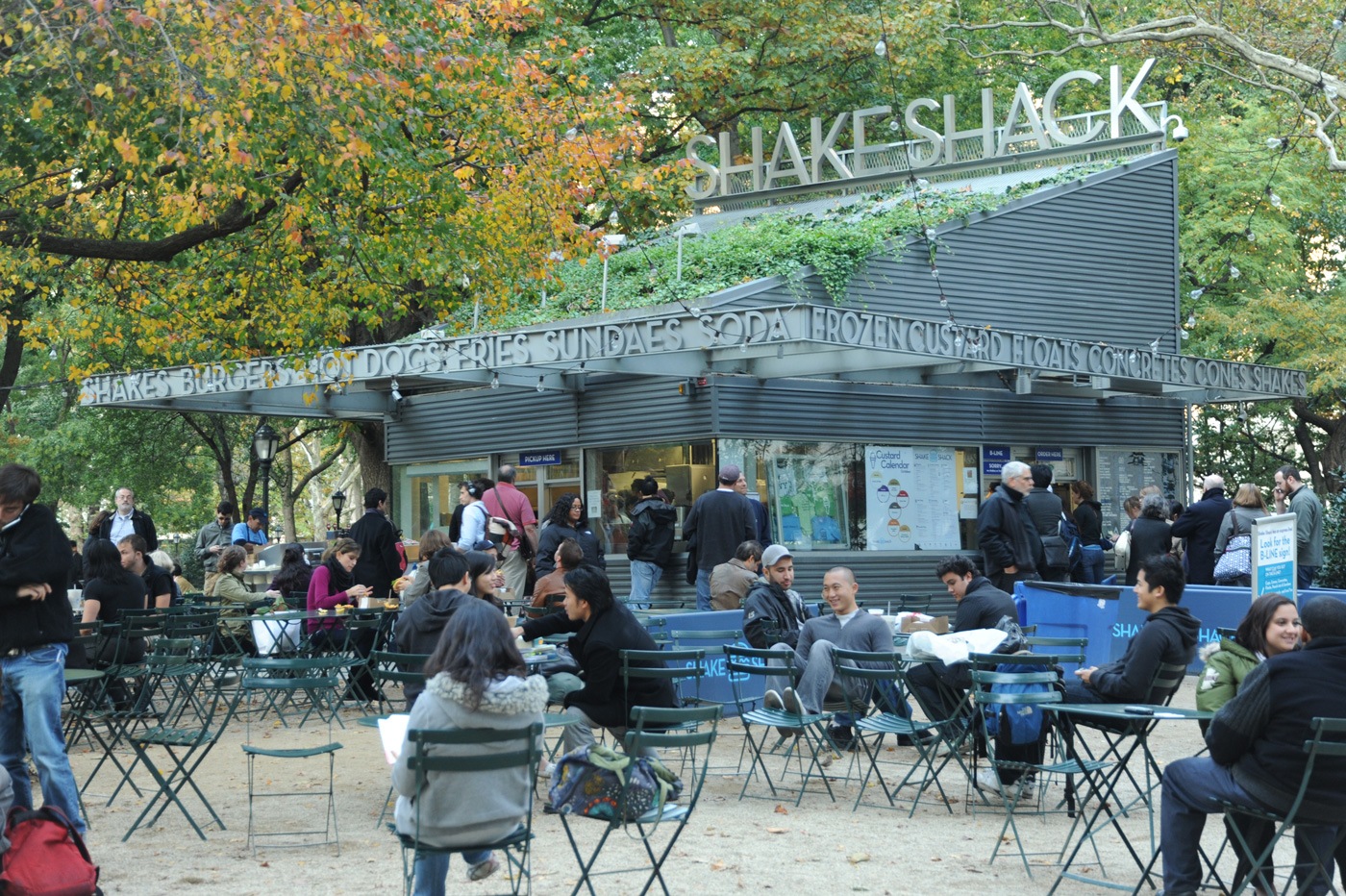
The true birthplace of Shake Shack was a modest hot dog cart nestled within Madison Square Park in Manhattan. In 2001, USHG launched this temporary venture to support the Madison Square Park Conservancy’s first art installation. It was intended as a simple, summery experiment – a way to animate the park and offer New Yorkers a classic, high-quality street food experience. The menu was straightforward: Chicago-style hot dogs, fries, and a few refreshing beverages. What began as a three-year permit to operate a cart quickly evolved due to overwhelming popularity. The lines grew longer, and the demand for its simple, delicious offerings surged, signaling that Meyer had inadvertently tapped into a significant market desire. This organic, unforced demand was the first key indicator of a potent brand in the making. The temporary nature fostered a sense of urgency and exclusivity, inadvertently building a grassroots following that would prove invaluable.
Danny Meyer’s Vision: Hospitality-Driven Fast-Casual
Meyer’s genius wasn’t just in selling hot dogs; it was in applying his fine-dining principles to a casual setting. His “enlightened hospitality” philosophy dictated that every interaction, from ordering to dining, should be a positive and memorable one. This meant investing in well-trained staff, using premium ingredients, and creating an atmosphere that felt welcoming and inclusive, even for a hot dog stand. This focus on the “how” – the experience – rather than just the “what” – the food – was revolutionary for the fast-casual space. It differentiated Shake Shack from its competitors right from the start, embedding a service-oriented corporate identity into its DNA. The brand wasn’t just selling food; it was selling an experience rooted in genuine care and quality.
Crafting the Core Offerings: Simplicity and Quality
As the cart’s popularity grew, Meyer and his team recognized the need to expand the menu beyond hot dogs to meet evolving customer expectations. In 2004, the hot dog cart transformed into a permanent kiosk, and with this transition came the introduction of burgers, crinkle-cut fries, and frozen custard. The decision to focus on a limited menu of classic American comfort food items was deliberate. This strategic choice underscored a commitment to quality over quantity, a hallmark of many successful brands. Every ingredient was meticulously sourced, from the all-natural Angus beef to the hormone-free chicken. This dedication to premium ingredients and simple, well-executed dishes became a core tenet of the Shake Shack brand promise, establishing a reputation for elevated taste and transparent sourcing that resonated deeply with consumers tired of conventional fast food.
Forging a Distinctive Brand Identity
Beyond its exceptional food and service, Shake Shack meticulously crafted a brand identity that was both timeless and contemporary. This careful cultivation of its visual language, philosophical approach, and community engagement played a crucial role in its meteoric rise.
The Visual Language: Design and Atmosphere
The physical manifestation of the Shake Shack brand is instantly recognizable. From the iconic green and white color palette to the clean, modernist architecture of its kiosks and restaurants, every design element speaks to a particular aesthetic. The use of natural materials, ample outdoor seating, and a casual yet refined ambiance creates a welcoming “park-like” atmosphere, even in urban environments. This deliberate design strategy ensures that the brand experience is consistent across all locations, reinforcing its corporate identity. The branding extends to its packaging, uniforms, and digital presence, all harmonized to convey a sense of fresh simplicity, quality, and approachability. This visual consistency is a cornerstone of strong branding, making Shake Shack’s presence unmistakable.
The “Better Burger” Philosophy: Elevating Fast Food
Shake Shack didn’t just sell burgers; it sold a “better burger” – a concept that revolutionized the fast-food industry. This philosophy was a direct challenge to the perception that fast food had to be cheap, unhealthy, and soulless. By focusing on high-quality ingredients, ethical sourcing, and chef-driven preparation techniques, Shake Shack elevated the humble burger to an experience worthy of a more discerning palate. This strategic positioning created a new category within the restaurant market, appealing to consumers who desired convenience without compromising on quality or taste. It was a brilliant marketing move that differentiated the brand not just by product, but by a value proposition that resonated with evolving consumer preferences for transparency and premium experiences.
Community Integration and Local Relevance

From its inception in a public park, community has been central to Shake Shack’s brand strategy. Each new Shack is designed to become a neighborhood gathering spot, often incorporating local art, architecture, and even menu items specific to its location. This commitment to integrating within local communities fosters a sense of belonging and strengthens brand loyalty. The brand actively engages with local charities and events, further solidifying its role as a positive community fixture. This localized approach to a global brand helps prevent it from feeling like a generic chain, allowing each Shack to possess a unique charm while still delivering the consistent core Shake Shack experience. It’s a testament to Meyer’s “enlightened hospitality” extending beyond the restaurant walls.
Scaling with Integrity: Maintaining Brand Essence Through Growth
As Shake Shack transitioned from a beloved local spot to a national and then international chain, the challenge was to scale without diluting its core brand values and distinctive identity. This required strategic foresight and an unwavering commitment to the principles that made it successful in the first place.
Strategic Expansion: Thoughtful Location Selection
Shake Shack’s growth strategy has been notably deliberate and often cautious, prioritizing quality over rapid expansion. Unlike many fast-food chains that saturate markets quickly, Shake Shack has historically focused on opening stores in high-profile, high-traffic urban locations or sought-after suburban areas. This meticulous location scouting ensures that each new Shack aligns with the brand’s premium image and attracts the right demographic. Their initial expansion into major cultural hubs like Miami, Washington D.C., and later international cities like London and Dubai, reinforced its status as a destination brand. This controlled growth allowed the brand to maintain operational excellence, ensure consistent quality, and strategically build anticipation in new markets, rather than simply chasing sales volume.
Operational Excellence and Consistent Brand Experience
Maintaining consistency in food quality, service standards, and atmosphere across dozens, then hundreds, of locations is a monumental task. Shake Shack invested heavily in training its staff, implementing robust supply chain management, and creating clear operational guidelines to ensure that the “Shack experience” remained uniform, whether in New York or Seoul. This operational rigor is critical for brand integrity. Consumers expect the same high-quality burger, the same friendly service, and the same inviting ambiance no matter where they visit. Shake Shack’s ability to deliver this consistency has been a cornerstone of its sustained brand loyalty, proving that meticulous execution is as vital as the initial brand concept.
Adapting Without Losing Soul: Menu Evolution and Innovation
While Shake Shack is known for its classic menu, it also strategically embraces innovation. This involves introducing seasonal items, experimenting with limited-time offers, and occasionally adding new permanent fixtures like chicken sandwiches or vegetarian options. The key, however, is that these innovations always align with the brand’s core values of quality, simplicity, and natural ingredients. They expand the brand’s appeal without fundamentally altering its identity. For instance, the introduction of the Chick’n Shack was a response to market trends but was executed with the same commitment to premium ingredients and careful preparation as its burgers. This ability to evolve while staying true to its essence demonstrates a sophisticated brand strategy that balances tradition with contemporary relevance.
Shake Shack’s Enduring Brand Legacy and Influence
Today, Shake Shack is more than just a restaurant chain; it’s a powerful brand case study, demonstrating the impact of thoughtful brand strategy, authentic marketing, and unwavering commitment to hospitality. Its influence extends far beyond its own operations.
Redefining the Fast-Casual Landscape
Shake Shack, alongside a few other pioneers, fundamentally reshaped the fast-casual dining landscape. It demonstrated that consumers were willing to pay a premium for fast food if it offered superior quality, a better dining experience, and a stronger ethical commitment. This led to a wave of “better-for-you” or “elevated” concepts across various cuisines, inspiring countless entrepreneurs to rethink the traditional fast-food model. The brand proved that the gap between quick service and fine dining could be successfully bridged with the right vision and execution, raising the bar for an entire industry.
A Model for Authentic Brand Storytelling
The Shake Shack origin story is compelling because it’s authentic. It wasn’t born out of a focus group or a venture capital pitch; it emerged organically from a desire to create a public amenity and a passion for genuine hospitality. This authenticity resonates deeply with consumers who are increasingly wary of inauthentic corporate narratives. The brand’s journey from a hot dog cart to a global enterprise serves as a powerful testament to the value of starting small, prioritizing experience, and letting word-of-mouth fuel growth. It’s a masterclass in brand storytelling that highlights substance over superficiality.
The Customer as a Brand Advocate
Perhaps Shake Shack’s greatest brand legacy is the creation of a fiercely loyal customer base that actively advocates for the brand. The long lines, the enthusiastic social media mentions, and the willingness to travel for a ShackBurger are all indicators of a brand that has successfully transcended mere product consumption to become a lifestyle choice. This advocacy is the ultimate testament to a successful brand strategy, demonstrating that when a brand consistently delivers on its promises, fosters a strong sense of community, and prioritizes the customer experience, it can cultivate an enduring, almost emotional connection with its audience.
In conclusion, Shake Shack’s origin story is a captivating narrative about how a vision for hospitality, a commitment to quality ingredients, and a meticulously crafted brand identity can transform a humble hot dog cart into a global cultural phenomenon. It stands as a prime example of strategic branding, proving that authenticity, experience, and a deep understanding of customer desires are the true ingredients for enduring success.
aViewFromTheCave is a participant in the Amazon Services LLC Associates Program, an affiliate advertising program designed to provide a means for sites to earn advertising fees by advertising and linking to Amazon.com. Amazon, the Amazon logo, AmazonSupply, and the AmazonSupply logo are trademarks of Amazon.com, Inc. or its affiliates. As an Amazon Associate we earn affiliate commissions from qualifying purchases.