
In the crowded, often tumultuous landscape of the global food industry, few brands have captured the public imagination and sustained a trajectory of growth quite like Shake Shack. What began as a humble hot dog cart has blossomed into a multi-billion dollar enterprise, synonymous with quality, community, and a distinctive “fine casual” experience. Yet, to truly understand the essence of this brand phenomenon, one must first look back to its origins, tracing the pivotal moments that laid the groundwork for its eventual iconic status. The question “When was Shake Shack founded?” is not merely a request for a date; it’s an invitation to explore the foundational brand strategy, the deliberate cultivation of its corporate identity, and the marketing genius that transformed a street-side vendor into a global culinary touchstone. While its roots run deeper, the official birth of Shake Shack as a permanent establishment, the moment it truly became a brand with a discernible strategy, can be pinpointed to 2004. This year marks the transition from a seasonal experiment to a deliberate, year-round commitment to a burgeoning brand vision.

The Humble Beginnings: From Hot Dog Cart to Cult Phenomenon
The story of Shake Shack is inextricably linked to the vision of restaurateur Danny Meyer and his Union Square Hospitality Group (USHG). Before it was a brand in the conventional sense, it was an initiative rooted in community revitalization and a passion for exceptional hospitality.
A Vision Born in Madison Square Park: The 2001 Genesis
The true genesis of what would become Shake Shack traces back to 2001. It was in this year that Meyer’s USHG, as part of a public art project aimed at revitalizing Madison Square Park in New York City, launched a temporary hot dog stand. The park, once a neglected urban space, was undergoing a significant transformation, and Meyer saw an opportunity not just to serve food, but to contribute to the creation of a vibrant, welcoming public square. This hot dog cart was never intended to be a long-term venture; it was a seasonal experiment, a pop-up before the term became ubiquitous. Yet, from its very first season, it garnered immediate attention. The simplicity of the offering – classic American comfort food like hot dogs, burgers, fries, and milkshakes – combined with an unwavering commitment to quality ingredients and a joyful atmosphere, resonated deeply with New Yorkers. It wasn’t just about the food; it was about the experience of eating it in a beautifully restored park, surrounded by fellow community members, under the guidance of a hospitality group renowned for its fine dining establishments.
The Incubation Period: Crafting a Concept and Building Buzz
The success of the hot dog cart was undeniable. Long lines snaked through Madison Square Park, a testament to the quality of the food and the magnetic appeal of the casual, yet meticulously executed, experience. This initial, organic traction served as an invaluable incubation period for the burgeoning brand. For three consecutive summers (2001, 2002, 2003), the seasonal cart returned, each year solidifying its reputation and building a loyal following. This extended pilot phase allowed Meyer and his team to refine the menu, test operational efficiencies, and, crucially, understand the genuine demand for their product and approach. They weren’t just selling food; they were selling an experience – an accessible slice of high-quality, feel-good dining. This iterative process, driven by direct consumer feedback and observable demand, was a masterclass in brand development. The sustained popularity demonstrated that this wasn’t merely a fleeting trend but a concept with substantial staying power and the potential to become a standalone, permanent fixture. The foundation of a cult following was quietly, organically, being laid.
The Official Launch and Early Brand Pillars
The transition from a temporary, seasonal cart to a permanent, year-round fixture marked the true birth of Shake Shack as a robust brand with a concrete corporate identity and strategic objectives.
The Grand Opening: A New Era Begins in 2004
The widespread clamor for the hot dog cart to become a permanent fixture reached a crescendo, culminating in the opening of the first permanent Shake Shack kiosk in Madison Square Park in 2004. This was the moment the brand officially took its physical form and declared its long-term presence. The opening of the kiosk wasn’t just an expansion; it was a crystallization of the brand’s identity. The initial temporary nature had proven the concept, but the permanent structure solidified its commitment to its values and its community. This brick-and-mortar location allowed for greater consistency, expanded menu offerings, and the ability to serve customers year-round, transforming it from a summer novelty into an integral part of the city’s culinary fabric. The design of the kiosk itself, modern yet approachable, reflected the brand’s aesthetic – a harmonious blend of classic American diner and contemporary urban park amenity.
Core Brand Values: Quality, Community, and Hospitality
From its inception, Shake Shack distinguished itself not just by its food, but by its deeply ingrained brand values. Danny Meyer’s hospitality philosophy, famously outlined in his book “Setting the Table,” dictated that “enlightened hospitality” – putting employees first so they can take exceptional care of guests – was paramount. These values became the bedrock of Shake Shack’s corporate identity:
-
Quality: An unwavering commitment to sourcing premium, natural ingredients. This meant using 100% all-natural Angus beef, hormone- and antibiotic-free chicken, and fresh, locally sourced produce whenever possible. This focus on quality elevated the perception of fast food.
-
Community: The brand was born out of a desire to enhance a public park and foster a sense of gathering. This ethos permeated its strategy, from local partnerships to creating inviting spaces where people could connect.
-
Hospitality: Beyond just serving food, Shake Shack aimed to provide an uplifting, memorable experience for every guest. This commitment to genuine warmth and attentiveness, often unexpected in a fast-casual setting, became a signature differentiator.
These core values were not just marketing buzzwords; they were operational imperatives that guided every decision, from staff training to menu development, ensuring a consistent and authentic brand experience.
The “Fine Casual” Philosophy: Carving a Niche
One of Shake Shack’s most significant contributions to the food industry and a key aspect of its brand strategy was the pioneering of the “fine casual” dining segment. At a time when the market was largely segmented into fast food and casual dining, Shake Shack carved out a unique space:
-
Elevated Ingredients and Preparation: It offered the quality and care typically associated with higher-end restaurants but in a casual, accessible format.
-
Efficient Service Model: While not “fast” in the drive-thru sense, the service was streamlined and efficient, appealing to busy urbanites.
-
Premium Experience, Approachable Price Point: Customers received a superior product and experience without the expense or formality of a full-service restaurant.
This “fine casual” positioning was a brilliant brand strategy, allowing Shake Shack to appeal to a broad demographic – those seeking a quick, delicious meal without compromising on quality or experience. It disrupted traditional categories and set a new standard, influencing countless subsequent fast-casual concepts. It demonstrated that speed and quality were not mutually exclusive, and that consumers were willing to pay a slight premium for a noticeably better product and atmosphere.
Scaling the Brand: Growth, Evolution, and Maintaining Identity
The challenge for any successful nascent brand is how to scale without diluting its core identity or compromising the quality that fueled its initial success. Shake Shack’s journey from a single kiosk to a global chain is a compelling case study in strategic brand expansion.
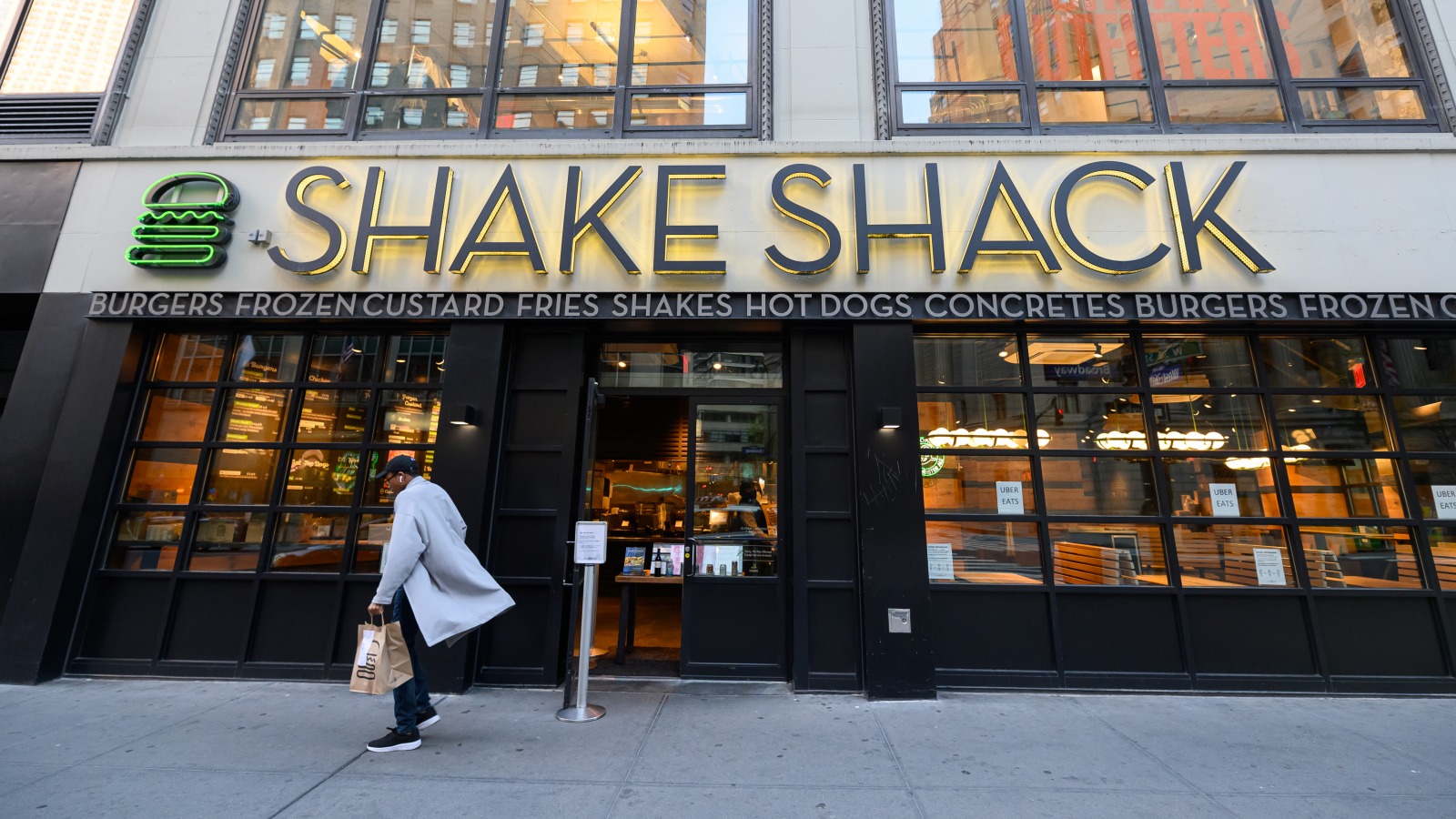
Strategic Expansion: Local Love to Global Reach
Following its initial success in Madison Square Park, Shake Shack embarked on a careful, deliberate expansion strategy. Rather than franchising rapidly, USHG maintained tight control, ensuring each new location upheld the brand’s stringent standards for quality, design, and hospitality. Initial expansion focused on key urban markets within the US, building a strong national presence before venturing internationally.
-
Controlled Growth: This methodical approach allowed the brand to test new markets, adapt to local tastes (while maintaining core menu items), and build robust supply chains.
-
International Forays: The brand’s entry into markets like Dubai (2011), London (2013), and eventually Asia, demonstrated its global appeal. These expansions were often preceded by meticulous market research and adapted communication strategies, ensuring the brand resonated with diverse cultural contexts while retaining its distinct American identity. The brand became a global ambassador for “fine casual” dining, appealing to an increasingly globalized palate.
Maintaining brand consistency across diverse geographies became a central focus, from the architectural design of each shack to the training of local staff, ensuring the “Shake Shack experience” remained uniform and authentic worldwide.
Menu Innovation and Brand Adaptation
While Shake Shack is revered for its classic burgers and shakes, its brand strategy also includes intelligent menu innovation. The brand understood that stagnation could lead to irrelevance, but change had to be executed carefully, in alignment with its core values.
-
Thoughtful Additions: Over the years, the menu evolved to include items like the popular Chicken Shack sandwich, seasonal concretes (frozen custard desserts), and limited-time offerings that leverage local ingredients or culinary trends. These additions were not arbitrary; they were extensions of the core brand promise – high-quality, delicious comfort food.
-
Vegetarian and Vegan Options: Responding to evolving dietary preferences, Shake Shack also introduced vegetarian options, demonstrating adaptability and inclusivity without sacrificing its meat-centric heritage.
-
Local Sourcing and Seasonal Specials: The brand often collaborates with local purveyors and introduces seasonal specials, reinforcing its connection to community and fresh ingredients, adding a layer of localized charm to its global identity.
These innovations allowed Shake Shack to remain fresh and relevant, attracting new customers while satisfying its loyal base, all while staying true to its culinary philosophy.
Digital Presence and Customer Engagement
In the 21st century, a robust digital strategy is paramount for brand longevity. Shake Shack has effectively leveraged technology to enhance customer experience and strengthen its brand image.
-
Mobile App and Online Ordering: The introduction of a mobile app for order-ahead and pickup significantly improved convenience, reducing wait times and streamlining the customer journey. This digital touchpoint became an extension of the brand’s commitment to hospitality.
-
Social Media Marketing: Shake Shack maintains a vibrant presence on platforms like Instagram, Facebook, and Twitter, engaging with customers through visually appealing content, behind-the-scenes glimpses, and responsive customer service. This direct interaction helps humanize the brand and foster a sense of community online.
-
Loyalty Programs and Personalization: Utilizing data from its digital platforms, the brand can implement loyalty programs and offer personalized promotions, deepening customer relationships and reinforcing brand loyalty.
By embracing digital tools, Shake Shack has not only optimized its operations but also created new avenues for brand storytelling and direct engagement, ensuring its continued relevance in an increasingly digital world.
Shake Shack’s Lasting Brand Legacy and Impact
From a temporary hot dog stand to a global restaurant chain, Shake Shack’s trajectory is more than a business success story; it’s a profound lesson in intentional brand building and the power of a clear vision.
A Case Study in Brand Building Excellence
Shake Shack stands as an exemplary case study for aspiring brands across industries. Its success underscores several critical lessons:
-
Authenticity is Paramount: The brand never wavered from its commitment to quality ingredients, genuine hospitality, and community engagement. This authenticity resonated deeply with consumers.
-
Experience Over Transaction: Shake Shack understood that it was selling an experience – a moment of joy, connection, and deliciousness – not just a meal. Every touchpoint, from the menu to the ambiance, was designed to foster this feeling.
-
Strategic Growth: A measured, deliberate expansion strategy, coupled with a relentless focus on maintaining standards, allowed the brand to scale without diluting its essence.
-
Values as a Compass: The core values of quality, community, and hospitality served as a guiding compass for every decision, ensuring brand consistency and integrity.
For marketers and entrepreneurs, Shake Shack’s journey illustrates how a strong brand narrative, built on genuine values and exceptional execution, can transcend its product to create a lasting cultural impact.
Influencing the Fast-Casual Landscape
Shake Shack didn’t just succeed within the food industry; it fundamentally reshaped it. By pioneering the “fine casual” segment, it proved that consumers desired and would pay for an elevated fast-food experience. This paved the way for a generation of new fast-casual concepts that prioritize fresh ingredients, transparency, and a refined dining experience over traditional fast-food models. The brand raised the bar for quality and customer experience in an accessible format, forcing competitors to re-evaluate their own offerings. Its influence is evident in the ubiquitous presence of “better burger” joints and upscale sandwich shops that now populate urban centers worldwide, all in some way standing on the shoulders of Shake Shack’s groundbreaking model.

The Enduring Appeal: More Than Just a Burger Joint
Ultimately, Shake Shack’s enduring appeal lies in its ability to be more than just a burger joint. It’s a brand that evokes comfort, quality, and a sense of belonging. The question “When was Shake Shack founded?” reveals not just a date (2004 for its permanent establishment), but a meticulously crafted brand journey that began with a community vision in 2001. It’s a testament to the power of a consistent brand identity, built on strong values and an unwavering commitment to both product excellence and the human experience. Shake Shack has transcended its menu to become a beloved cultural touchstone, a beacon of modern American culinary branding, continuing to captivate hearts and palates worldwide by consistently delivering on its promise of “enlightened hospitality” with every burger, fry, and shake.
aViewFromTheCave is a participant in the Amazon Services LLC Associates Program, an affiliate advertising program designed to provide a means for sites to earn advertising fees by advertising and linking to Amazon.com. Amazon, the Amazon logo, AmazonSupply, and the AmazonSupply logo are trademarks of Amazon.com, Inc. or its affiliates. As an Amazon Associate we earn affiliate commissions from qualifying purchases.