
In the grand tapestry of personal finance, few concepts hold as much weight and universal applicability as “saving.” Yet, despite its omnipresence in financial discussions, the true depth and multifaceted nature of saving often go unexplored. It’s more than just putting money aside; it’s a strategic act of self-empowerment, a disciplined commitment to future well-being, and a fundamental pillar of financial resilience. At its core, saving is the act of reserving a portion of one’s current income or resources, rather than spending it, with the intention of using it at a later date. This seemingly simple definition, however, branches out into a complex ecosystem of motivations, mechanisms, and profound long-term implications for individuals, families, and even the broader economy.
The journey into understanding saving begins with appreciating its foundational principles, then exploring the diverse forms it takes, strategizing for effective accumulation, and finally, recognizing its extensive impact beyond mere numbers in an account. It’s a journey from basic financial literacy to sophisticated wealth management, all centered around the powerful idea of deferring current gratification for future gain.
The Foundational Concept of Saving
To truly grasp “what is saving,” one must delve beyond the superficial act and understand the underlying principles and psychological drivers that make it such a critical component of financial health.
Defining Saving in Personal Finance
At its most basic, saving is the difference between income and consumption. When you earn money and choose not to spend all of it immediately, the unspent portion becomes your savings. However, in personal finance, the definition expands to encompass a deliberate, often systematic, allocation of funds for specific future purposes. This isn’t merely about having leftover cash; it’s about actively setting aside money, often with a clear intent – be it for a short-term goal like a down payment on a car, a medium-term goal such as education, or a long-term objective like retirement. It’s an act of delayed gratification, a conscious decision to prioritize future needs and desires over immediate wants. This deliberate choice transforms mere surplus into capital with purpose, laying the groundwork for financial security and opportunity.
The Psychology Behind Saving
The human mind is often wired for instant gratification. The allure of immediate pleasure, convenience, or ownership can be incredibly powerful. This inherent bias makes saving, which requires delaying current consumption, a significant psychological challenge for many. Overcoming this involves a shift in mindset, where future benefits are perceived as more valuable than present desires. Key psychological elements include foresight (the ability to envision future needs), discipline (the consistent commitment to financial goals), and patience. Understanding one’s relationship with money, identifying spending triggers, and cultivating a future-oriented perspective are crucial steps in developing a robust saving habit. Behavioral economics plays a significant role here, demonstrating how small nudges, like automatic transfers or pre-commitment strategies, can dramatically improve saving rates by bypassing the need for constant conscious willpower.
Why Saving Matters
The importance of saving cannot be overstated. It is the bedrock of financial stability and the engine of personal prosperity. Firstly, saving provides a crucial safety net, an emergency fund that can absorb unexpected shocks like job loss, medical emergencies, or unforeseen repairs without derailing one’s financial progress or plunging into debt. Secondly, it is the primary means to achieve financial goals, whether buying a home, funding an education, starting a business, or enjoying a comfortable retirement. Without dedicated savings, these aspirations remain distant dreams. Thirdly, saving empowers individuals with financial freedom and choice. It reduces reliance on debt, offers greater flexibility in career or lifestyle decisions, and provides a sense of control over one’s financial destiny. In essence, saving transforms anxiety about the future into confidence and opportunity.
Diverse Forms and Mechanisms of Saving
Saving isn’t a monolithic activity; it manifests in various forms, each suited for different purposes and risk tolerances. Understanding these mechanisms is key to building a diversified and effective savings strategy.
Traditional Savings Accounts
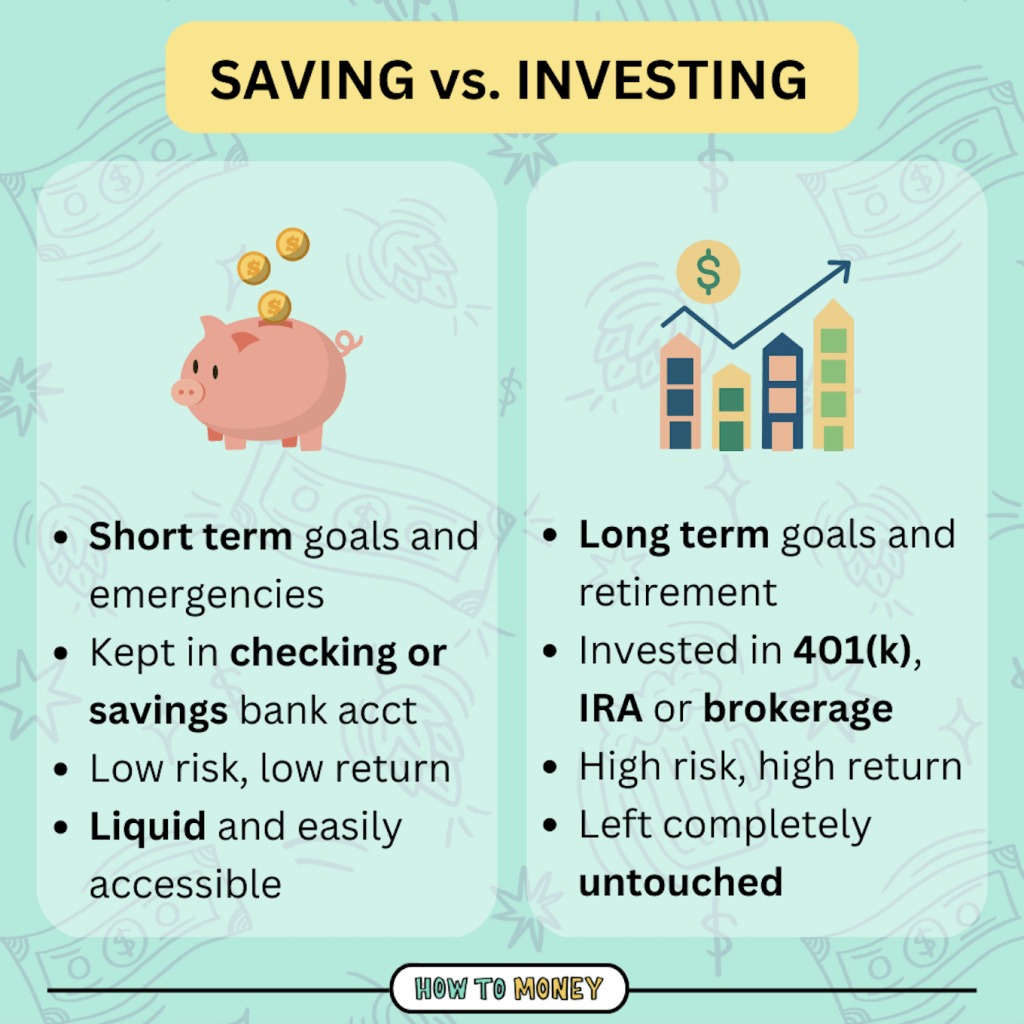
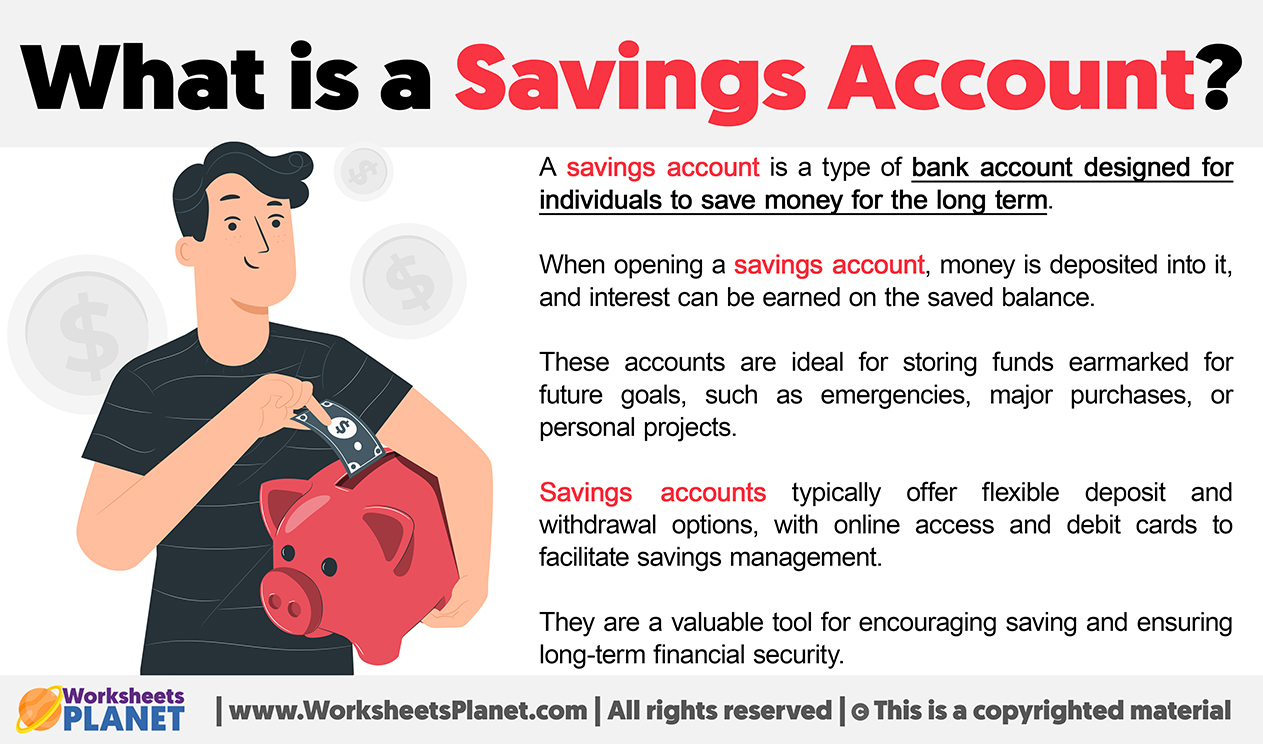
The most common and accessible form of saving, traditional savings accounts are offered by banks and credit unions. They provide a safe place to store money, are typically FDIC-insured (up to certain limits in the US), offering peace of mind. Their primary advantage is liquidity, meaning you can access your funds easily and quickly. However, the trade-off is often very low interest rates, meaning the money grows minimally, sometimes even losing purchasing power over time due to inflation. They are ideal for easily accessible emergency funds or short-term goals.
High-Yield Savings Accounts
As an evolution of traditional savings, high-yield savings accounts (HYSAs) offer significantly better interest rates, often many times higher than their traditional counterparts. These are typically offered by online banks, which have lower overhead costs and can pass those savings on to customers. HYSAs still offer good liquidity and FDIC insurance, making them an excellent choice for slightly larger emergency funds or medium-term savings goals where access is still important but a better return is desired.
Certificates of Deposit (CDs)
Certificates of Deposit are time-deposit accounts where you agree to keep your money deposited for a fixed period (e.g., 3 months, 1 year, 5 years) in exchange for a fixed interest rate, which is usually higher than that of a traditional savings account. The primary drawback is restricted access; withdrawing money before the maturity date typically incurs a penalty. CDs are suitable for money you won’t need for a specific period and want to earn a predictable, albeit modest, return. They are often used in a “CD laddering” strategy to balance liquidity and higher rates.
Retirement Accounts (401k, IRA, etc.)
These are specifically designed for long-term saving for retirement and come with significant tax advantages. Employer-sponsored plans like 401(k)s (and 403(b)s, TSP, etc.) allow pre-tax contributions to grow tax-deferred until retirement, and often include employer matching contributions – essentially free money. Individual Retirement Accounts (IRAs), such as Traditional and Roth IRAs, offer similar tax benefits but are self-directed. These accounts are critical for building substantial wealth over decades, benefiting immensely from compound interest and tax efficiency. The funds are typically invested in a diversified portfolio of stocks, bonds, and mutual funds, making them a form of saving that actively seeks growth.
Investment Vehicles (Stocks, Bonds, Mutual Funds)
While often seen as distinct from “saving,” investing is arguably an advanced form of saving where the primary goal is not just to preserve capital but to grow it substantially over time. Money saved can be invested directly into stocks (ownership in companies), bonds (loans to governments or corporations), or indirectly through mutual funds and Exchange Traded Funds (ETFs) which pool money from many investors to buy a diversified portfolio. These vehicles carry higher risk than bank accounts but offer the potential for significantly higher returns, especially over long periods. They are crucial for achieving ambitious long-term financial goals beyond basic emergency funds.
Emergency Funds
A non-negotiable component of any robust financial plan, an emergency fund is a dedicated pool of readily accessible cash specifically set aside to cover unexpected expenses. Experts typically recommend having 3 to 6 months’ worth of essential living expenses saved in an easily accessible, liquid account like a traditional or high-yield savings account. This fund acts as the first line of defense against financial shocks, preventing the need to incur high-interest debt or liquidate long-term investments prematurely.
Strategic Approaches to Effective Saving
Saving effectively isn’t just about willpower; it’s about employing smart strategies and cultivating habits that make the process systematic and sustainable.
Budgeting as the Cornerstone of Saving
A well-structured budget is the bedrock of any successful saving strategy. It provides a clear roadmap of where your money comes from and where it goes. By tracking income and expenses, individuals can identify areas of wasteful spending, pinpoint opportunities to cut back, and consciously allocate funds towards savings goals. Popular budgeting methods include the “50/30/20 rule” (50% for needs, 30% for wants, 20% for savings and debt repayment) or zero-based budgeting, where every dollar is assigned a job. A budget transforms abstract saving goals into concrete, actionable steps.
Automating Your Savings
One of the most powerful strategies is to “pay yourself first” by automating your savings. This involves setting up automatic transfers from your checking account to your savings or investment accounts immediately after payday. By doing so, you prioritize saving before discretionary spending. This removes the temptation to spend the money and makes saving a consistent, effortless habit rather than a sporadic effort. Even small, regular contributions can accumulate significantly over time thanks to the power of compound interest.
Setting SMART Financial Goals
Saving without a clear purpose can feel aimless. Setting Specific, Measurable, Achievable, Relevant, and Time-bound (SMART) financial goals provides direction and motivation. Instead of a vague goal like “save more money,” a SMART goal might be “save $5,000 for a down payment on a car by December 31st of next year.” Breaking down large goals into smaller, manageable milestones makes them less daunting and increases the likelihood of success. Regularly reviewing and adjusting these goals helps maintain focus and adapts the strategy to changing life circumstances.
The Power of Compound Interest
Albert Einstein famously called compound interest the “eighth wonder of the world.” This principle dictates that interest earned on an initial sum (principal) is added back to the principal, and then the next interest calculation is on the new, larger sum. This snowball effect means your money earns money on money, accelerating wealth accumulation dramatically over time. The earlier you start saving and investing, the more time compound interest has to work its magic. Even modest regular contributions, started early, can outperform larger contributions made later in life.
Debt Management and Saving
High-interest debt, such as credit card debt, can be a significant impediment to saving. The high interest payments often consume a substantial portion of income that could otherwise be saved. A crucial strategy involves prioritizing the elimination of high-interest debt, often using methods like the “debt snowball” (paying off smallest debts first for motivational wins) or “debt avalanche” (paying off highest-interest debts first for mathematical efficiency). Once high-interest debt is cleared, the money previously allocated to payments can be redirected towards building substantial savings and investments. Balancing debt repayment with a minimum level of emergency savings is often recommended to prevent new debt accumulation.
Overcoming Obstacles and Fostering a Saving Mindset
Despite the clear benefits, numerous hurdles can impede effective saving. Recognizing and addressing these obstacles, while actively cultivating a positive saving mindset, is crucial for long-term success.
Common Barriers to Saving
Many individuals face a myriad of challenges in their saving journey. Consumerism and societal pressures to spend can make it difficult to resist immediate gratification. Unexpected expenses can derail even the best-laid plans, consuming savings or forcing reliance on credit. A lack of financial literacy often means individuals don’t understand the mechanisms of saving or the long-term benefits. Low income can be a genuine constraint, making it hard to find surplus funds. Additionally, emotional spending, driven by stress, boredom, or celebration, can sabotage saving efforts. Identifying these personal barriers is the first step towards overcoming them.
Building Financial Discipline
Discipline is the consistent application of effort towards a goal, even when motivation wanes. In saving, this means consistently sticking to a budget, resisting impulse purchases, and prioritizing long-term goals over short-term desires. Building financial discipline is like building a muscle – it requires regular exercise. Starting small, celebrating minor victories, and gradually increasing saving commitments can help strengthen this discipline. Creating habits, like reviewing finances weekly or automating savings, reduces the need for constant conscious effort, making discipline easier to maintain.
Educating Yourself and Seeking Guidance
Financial literacy is not an innate skill; it’s learned. Continuously educating oneself about personal finance – through books, reputable websites, podcasts, or courses – empowers individuals to make informed decisions. Understanding concepts like inflation, diversification, and tax implications can significantly enhance saving strategies. For those with more complex financial situations or substantial assets, seeking guidance from a qualified financial advisor can be invaluable. A professional can help clarify goals, create personalized plans, and navigate investment complexities, providing an objective perspective and expertise.
Celebrating Milestones
The journey of saving can be long, and it’s easy to lose motivation. Celebrating milestones, no matter how small, can provide a much-needed boost and reinforce positive behavior. Reaching your first $1,000 in an emergency fund, paying off a credit card, or hitting a specific percentage of your retirement goal are all reasons to acknowledge progress. These small celebrations don’t have to involve spending a lot of money; they can be simple acknowledgements that reinforce the idea that your hard work is paying off and keeping you on track.
The Broader Impact of Saving
The act of saving extends far beyond an individual’s bank account, rippling out to influence personal well-being, economic stability, and even generational prosperity.
Individual Financial Well-being
For an individual, saving is synonymous with financial well-being. It significantly reduces financial stress and anxiety, knowing that one is prepared for unexpected events and progressing towards life goals. It fosters a sense of security, independence, and control over one’s life. This well-being translates into greater peace of mind, improved mental health, and the freedom to make choices that align with personal values rather than being dictated by financial constraints. Saving empowers individuals to live a life of intention rather than reaction.
Economic Implications
On a macroeconomic level, individual savings collectively form a nation’s capital base. When individuals save, these funds are typically deposited in financial institutions, which then lend them out to businesses and other borrowers. This capital is essential for investment – funding new businesses, expanding existing ones, and developing infrastructure. Investment, in turn, drives economic growth, creates jobs, and fosters innovation. A high national savings rate often correlates with a healthy, stable economy capable of self-financing its development and weathering global economic fluctuations.

Legacy and Generational Wealth
Beyond immediate financial goals, saving plays a critical role in building generational wealth. By accumulating assets and managing them wisely, individuals can not only secure their own retirement but also potentially leave a financial legacy for their children and grandchildren. This can include funding education, providing inheritances, or establishing trusts. Equally important, parents and guardians pass on valuable financial literacy and habits to the next generation, instilling a saving mindset that can perpetuate financial stability and prosperity through the family lineage. This intergenerational transfer of wealth and knowledge is a powerful testament to the long-term impact of consistent saving.
In conclusion, “what is saving” is a question with a profoundly rich answer. It is a fundamental financial habit, a strategic imperative, and a powerful tool for personal empowerment. From understanding its basic definition and psychological underpinnings to mastering its diverse forms and strategic implementations, saving is a journey that yields unparalleled rewards. It’s the conscious decision to build a more secure, prosperous, and free future, not just for oneself, but with potential ripple effects for one’s family and the broader economy. Embracing the discipline and wisdom of saving is arguably one of the most impactful financial decisions any individual can make.
aViewFromTheCave is a participant in the Amazon Services LLC Associates Program, an affiliate advertising program designed to provide a means for sites to earn advertising fees by advertising and linking to Amazon.com. Amazon, the Amazon logo, AmazonSupply, and the AmazonSupply logo are trademarks of Amazon.com, Inc. or its affiliates. As an Amazon Associate we earn affiliate commissions from qualifying purchases.