
The question “how much do you save?” is deceptively simple, yet it unlocks a complex interplay of personal finance, ambition, discipline, and life goals. It’s not merely a number but a reflection of your financial health, your future aspirations, and your ability to navigate life’s inevitable uncertainties. In an era marked by economic volatility, the importance of a robust savings strategy has never been more pronounced. This article delves into the nuances of saving, offering insights, strategies, and practical advice to help you not only answer this question for yourself but also optimize your financial journey.
Understanding Your Personal Savings Landscape
Before you can effectively increase your savings, you must first understand where you currently stand and why saving is important to you. It’s a deeply personal journey, influenced by your income, expenses, debt, and life stage.
The “Why” Behind Saving: Defining Your Financial Goals
Saving without a purpose can feel aimless. Identifying your financial goals provides the motivation and direction needed to build a sustainable savings habit. Common goals include:
-
Emergency Fund: This is paramount – a safety net of 3-6 months’ worth of living expenses to cover unexpected job loss, medical emergencies, or car repairs without resorting to high-interest debt.
-
Retirement: Planning for life after work is a long-term goal that benefits immensely from early and consistent contributions due to the power of compound interest.
-
Down Payment: Whether for a home, a car, or another significant asset, accumulating a substantial down payment can reduce loan costs and provide equity.
-
Education: Saving for your children’s future education or your own continued learning can open doors to new opportunities.
-
Large Purchases or Experiences: From a dream vacation to a home renovation, specific savings goals can make desired purchases a reality without financial strain.
-
Debt Reduction: While technically not “saving,” aggressively paying down high-interest debt like credit card balances can free up significant cash flow that can then be redirected into savings.
Each goal dictates a different timeline and a different approach to saving, emphasizing the need for clarity.
Assessing Your Current Financial Health
An honest appraisal of your current financial situation is the bedrock of any effective savings plan. This involves:
-
Tracking Income: Understand all your sources of income – salary, bonuses, side hustle earnings, investments.
-
Monitoring Expenses: This is crucial. Every dollar you spend needs to be accounted for. Tools, apps, or even a simple spreadsheet can help identify where your money is going. Categorize expenses into fixed (rent, loan payments) and variable (groceries, entertainment).
-
Evaluating Debt: List all your debts, including interest rates and minimum payments. High-interest debt is a significant barrier to effective saving.
-
Calculating Net Worth: This is a snapshot of your financial health at a given moment (assets minus liabilities). Tracking it over time provides a powerful indicator of your progress.
This assessment provides the data points necessary to construct a realistic and impactful savings strategy, revealing areas where adjustments can be made.
What is a “Good” Savings Rate?
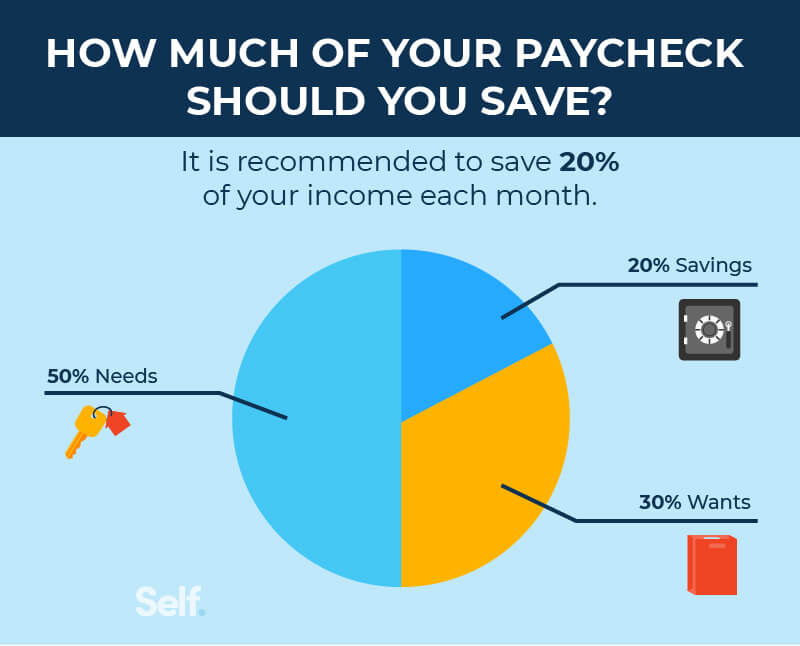
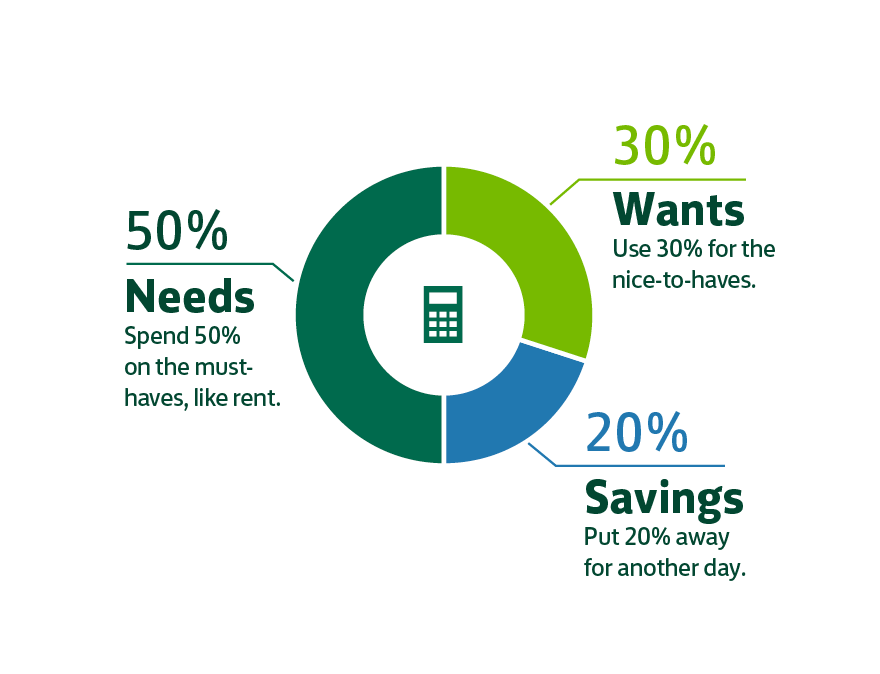
There isn’t a one-size-fits-all answer, but several benchmarks offer guidance. A widely cited rule of thumb is the 50/30/20 rule: 50% of your after-tax income for needs, 30% for wants, and 20% for savings and debt repayment. Many financial experts also recommend saving at least 15-20% of your gross income for retirement alone, especially if you start later in life.
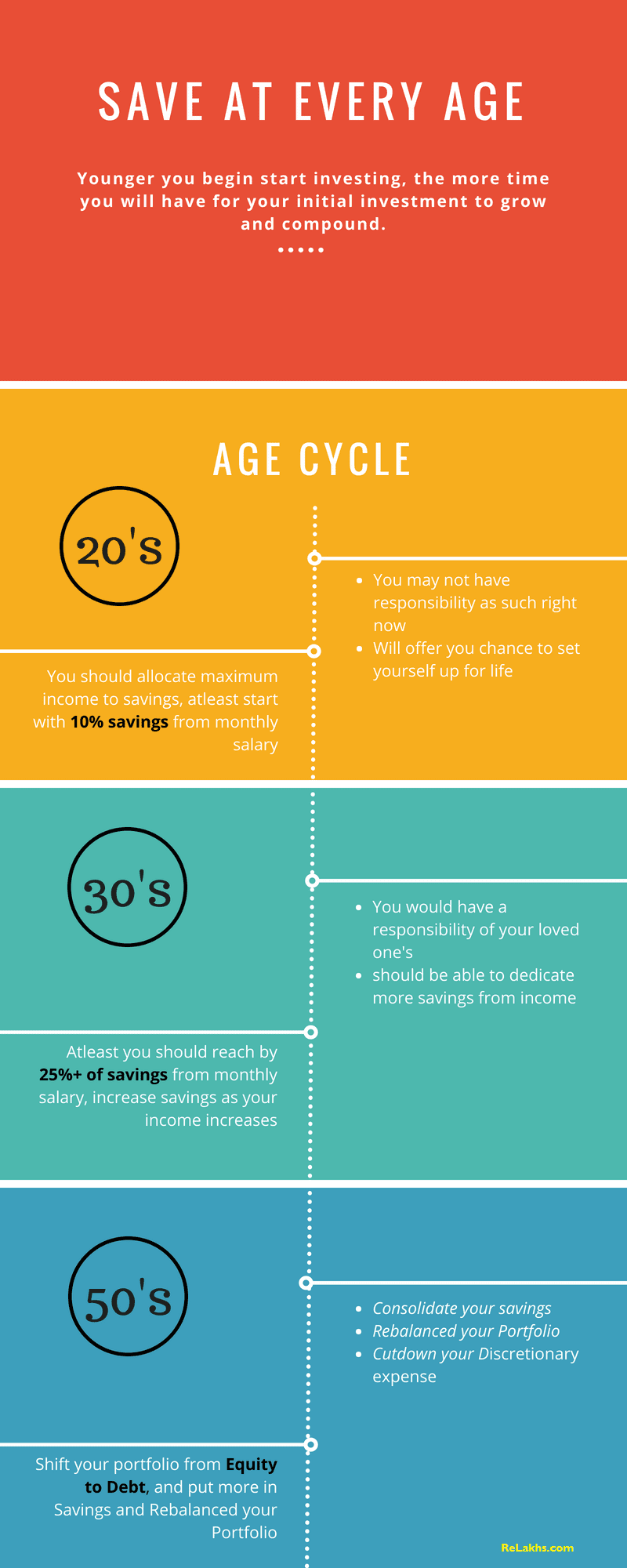
However, these are starting points. Your ideal savings rate will depend on your specific goals and timeline. Someone saving for an early retirement will likely need to save much more than 20%, perhaps even 50% or more, while someone just starting to build an emergency fund might aim for a more modest 10-15% initially, gradually increasing it as their income grows and debt reduces. The key is to find a percentage that is challenging yet sustainable, allowing you to consistently contribute to your financial future.
Strategies for Maximizing Your Savings Potential
Once you understand your “why” and “where you are,” the next step is to implement effective strategies that translate intent into action. Consistency and discipline are your greatest allies here.
Automate Your Savings: The “Set It and Forget It” Approach
One of the most powerful savings strategies is automation. By setting up automatic transfers from your checking account to your savings or investment accounts, you eliminate the temptation to spend the money before it’s saved. Treat your savings like a non-negotiable bill.
-
Direct Deposit Split: Many employers allow you to split your direct deposit, sending a portion directly to your savings or retirement account.
-
Recurring Transfers: Set up automatic weekly, bi-weekly, or monthly transfers from your checking account to your various savings goals on payday.
-
Micro-Saving Apps: Utilize apps that round up your purchases to the nearest dollar and invest the difference, or automatically transfer small amounts based on your spending habits.
Automation removes the emotional aspect from saving, ensuring a consistent flow of funds towards your goals.
Master Your Budget: Tracking, Planning, and Optimizing
Budgeting isn’t about restricting yourself; it’s about giving every dollar a job and gaining control over your finances. A well-crafted budget identifies where your money is going and where you can make adjustments to free up more for savings.
-
Track Every Expense: For at least a month, meticulously record every penny you spend. This often reveals surprising spending patterns.
-
Create a Spending Plan: Based on your tracking, allocate funds to different categories. Popular methods include the 50/30/20 rule, zero-based budgeting (every dollar is assigned), or the envelope system (physical or digital).
-
Identify Savings Opportunities: Look for “leaks” in your budget – recurring subscriptions you don’t use, expensive habits, or areas where you can cut back without significantly impacting your quality of life. Even small cuts can add up to substantial savings over time.
-
Regular Review: Your budget isn’t static. Review and adjust it regularly as your income, expenses, and goals change.
Reduce High-Interest Debt: Freeing Up Future Savings
High-interest debt, such as credit card balances or personal loans, acts as a significant drain on your financial resources. The interest payments not only cost you money but also prevent that money from being saved or invested. Prioritizing debt reduction is a crucial step towards maximizing your savings potential.
-
Debt Snowball or Avalanche: Choose a strategy to tackle debt. The snowball method (paying off smallest balances first) provides psychological wins, while the avalanche method (paying off highest interest rates first) saves more money in the long run.
-
Refinancing/Consolidation: Explore options to consolidate high-interest debts into a single loan with a lower interest rate.
-
Avoid New Debt: Make a conscious effort to avoid accumulating new high-interest debt while you’re paying down existing balances.
By aggressively tackling high-interest debt, you free up cash flow that can then be channeled directly into your savings goals.
Smart Spending & Frugality: Conscious Consumerism
Frugality isn’t about deprivation; it’s about making conscious choices about where your money goes. Every purchase is an opportunity to save or to spend.
-
Distinguish Needs vs. Wants: Before making a purchase, ask yourself if it’s essential or simply desirable.
-
Meal Planning & Cooking at Home: One of the biggest budgetbusters for many, reducing dining out can yield significant savings.
-
Negotiate Bills: Don’t hesitate to call service providers (internet, cable, insurance) to negotiate better rates.
-
Buy Used, Not New: For many items (cars, furniture, electronics), purchasing second-hand can offer substantial savings.
-
DIY When Possible: Learn basic repairs or maintenance tasks instead of hiring professionals for every small job.
-
Mindful Shopping: Avoid impulse buys, shop with a list, and compare prices.
These practices, when integrated into your daily life, create a mindset of conscious consumption that naturally leads to increased savings.
Where to Stash Your Savings: Optimizing Your Accounts
Once you’ve diligently saved your money, the next critical step is knowing where to keep it. Different financial goals necessitate different types of accounts, each with varying levels of accessibility, interest rates, and risk.
Emergency Fund: High-Yield Savings Accounts
Your emergency fund should be held in an account that is both easily accessible and earns a reasonable return. High-yield savings accounts (HYSAs) offered by online banks are ideal. They typically offer significantly higher interest rates than traditional brick-and-mortar banks, allowing your emergency fund to grow modestly while remaining liquid. Avoid tying up emergency funds in investments that can fluctuate in value or require significant time to access.
Retirement Savings: 401(k), IRA, and Employer Matching
Saving for retirement is a long-term endeavor where the power of compound interest truly shines.
-
401(k) / 403(b): If your employer offers a retirement plan, contribute at least enough to get the full employer match – this is essentially free money and an immediate 100% return on your investment. Contributions are often pre-tax, reducing your current taxable income.
-
Individual Retirement Accounts (IRAs):
-
Traditional IRA: Contributions may be tax-deductible, and earnings grow tax-deferred until retirement.
-
Roth IRA: Contributions are made with after-tax money, but qualified withdrawals in retirement are tax-free. Roth IRAs offer flexibility as you can withdraw contributions (not earnings) penalty-free before retirement.
-
-
Health Savings Accounts (HSAs): If you have a high-deductible health plan, an HSA offers a triple tax advantage: tax-deductible contributions, tax-free growth, and tax-free withdrawals for qualified medical expenses. It can also function as a supplemental retirement account for healthcare costs.
These accounts offer significant tax advantages and are designed for long-term growth, making them indispensable for retirement planning.
Mid-Term Goals: Brokerage Accounts, CDs, and Specific Savings Accounts
For goals that are a few years away (e.g., a down payment on a house in 3-5 years, a new car in 2 years), you might consider slightly more aggressive options than a standard savings account, but still with a relatively low risk profile.
-
Certificates of Deposit (CDs): CDs offer a fixed interest rate for a fixed term. They typically offer slightly higher rates than HYSAs, but your money is locked up for the duration. Laddering CDs (investing in CDs with staggered maturity dates) can offer a balance of higher rates and liquidity.
-
Brokerage Accounts: For longer mid-term goals (5+ years), a taxable brokerage account allows you to invest in a wider range of assets like exchange-traded funds (ETFs) or mutual funds. While offering higher growth potential, they also carry more risk. It’s crucial to align the risk level with your goal’s timeline.
-
Dedicated Savings Accounts: Many banks allow you to open multiple savings accounts and label them for specific goals (e.g., “House Down Payment,” “Vacation Fund”). This helps with mental accounting and keeps your goals separate and clear.
Diversification and Risk: Aligning Accounts with Timelines
The principle of diversification applies not just to investments but also to how you allocate your savings across different account types.
-
Short-Term Needs (under 1 year): Keep these funds in highly liquid, low-risk accounts like HYSAs.
-
Mid-Term Goals (1-5 years): A mix of HYSAs, CDs, or very conservative investments in a brokerage account might be appropriate, depending on your risk tolerance and the exact timeline.
-
Long-Term Goals (5+ years): This is where you can embrace more growth-oriented investments through retirement accounts and diversified brokerage portfolios, as you have time to ride out market fluctuations.
Matching the right savings vehicle to your financial goal and timeline is crucial for both security and optimal growth.
Overcoming Common Savings Challenges
Even with the best intentions and strategies, maintaining a consistent savings habit can be challenging. Life throws curveballs, and human psychology often works against long-term financial goals.
The Allure of Instant Gratification
We live in a consumer-driven society where instant gratification is constantly marketed. The desire for immediate pleasure often trumps the abstract, distant reward of financial security. Combat this by:
-
Visualizing Your Goals: Create vision boards or use apps that show your progress towards specific savings targets.
-
Celebrating Small Wins: Acknowledge and reward yourself (non-financially, or with a small, pre-budgeted treat) when you hit savings milestones.
-
Delayed Gratification Practice: Consciously postpone small purchases to strengthen your willpower.
Unexpected Expenses: The Reason for an Emergency Fund
Life is unpredictable. A car repair, a medical bill, or a sudden home repair can derail even the most diligent saver. This is precisely why an emergency fund is the foundational stone of any financial plan. Without it, unexpected expenses often lead to debt, pulling you away from your savings goals. Building and maintaining this fund should always be your first financial priority.
Keeping Up with the Joneses: Lifestyle Creep and Comparison Culture
As your income grows, it’s natural to want to improve your lifestyle. However, if your spending increases at the same rate as, or faster than, your income, you experience “lifestyle creep.” This is exacerbated by social media and comparison culture, where it’s easy to feel pressured to match the perceived affluence of others.
-
Practice Gratitude: Focus on what you have rather than what others possess.
-
Mindful Spending: Before upgrading your lifestyle, consciously evaluate if it truly aligns with your values and long-term financial goals.
-
“Pay Yourself First”: Ensure your savings contributions increase proportionally (or more) with any pay raises before increasing discretionary spending.
Inflation and Purchasing Power: The Need for Growth
Simply putting money under your mattress, or even in a low-interest savings account, means its purchasing power erodes over time due to inflation. While emergency funds should remain liquid, long-term savings need to be invested to outpace inflation.
-
Invest Strategically: Understand that for long-term goals like retirement, investing in a diversified portfolio of stocks and bonds is usually necessary to achieve meaningful growth.
-
Regular Review: Periodically assess your investment performance and adjust your strategy as economic conditions or personal circumstances change.
-
Seek Professional Advice: For complex investment decisions, consult with a qualified financial advisor.
Recognizing and actively addressing these challenges is key to building and maintaining a robust savings habit over the long term.
The Long-Term Impact of Consistent Saving
Saving isn’t just about accumulating money; it’s about building a foundation for a more secure, flexible, and fulfilling future. The long-term effects of consistent saving extend far beyond the numbers in your bank account.
Financial Freedom and Reduced Stress
Perhaps the most significant benefit of consistent saving is the sense of financial freedom it provides. Knowing you have a safety net, that you’re prepared for retirement, or that you have funds for a down payment reduces daily stress and anxiety related to money. It gives you the power to make choices that align with your values, rather than being dictated by immediate financial pressures. This freedom can mean the ability to change careers, take a sabbatical, or simply sleep better at night.
Building Wealth Through Compound Interest: The Eighth Wonder of the World
Albert Einstein reportedly called compound interest the “eighth wonder of the world.” When your earnings start earning their own earnings, your money grows exponentially over time. The earlier you start saving and investing, the more powerfully compound interest works in your favor. Even small, consistent contributions made early in life can accumulate into substantial wealth over decades, far outstripping what larger, later contributions might achieve. This principle underscores the immense value of starting your savings journey today, no matter how small the initial amount.
Flexibility and Opportunity: Adapting to Life’s Changes
A healthy savings portfolio provides incredible flexibility. It empowers you to seize opportunities when they arise, whether it’s investing in a new business venture, taking advantage of an unexpected travel deal, or pursuing an advanced degree. More importantly, it allows you to adapt gracefully to unforeseen life changes. Job loss, health issues, or family responsibilities can be navigated with less financial strain when you have a cushion, preventing these events from becoming catastrophic setbacks.
Leaving a Legacy: Intergenerational Wealth and Financial Education
For many, saving extends beyond their own lifetime. Consistent saving and wise investing can contribute to building intergenerational wealth, providing a financial foundation for children and grandchildren. Beyond monetary inheritance, a strong savings habit also allows you to impart invaluable financial literacy and discipline to younger generations, equipping them with the tools for their own financial success. This legacy of financial wisdom can be even more impactful than the money itself.
Ultimately, “how much do you save?” is a question that invites self-reflection and proactive planning. It’s not about achieving a magical number overnight, but about embarking on a continuous journey of financial discipline, strategic planning, and unwavering commitment to your future self. By understanding your goals, implementing smart strategies, optimizing your accounts, and overcoming common challenges, you can build a robust savings habit that truly transforms your life, offering peace of mind, flexibility, and the power to achieve your deepest aspirations. The time to start, or to re-evaluate, is always now.
aViewFromTheCave is a participant in the Amazon Services LLC Associates Program, an affiliate advertising program designed to provide a means for sites to earn advertising fees by advertising and linking to Amazon.com. Amazon, the Amazon logo, AmazonSupply, and the AmazonSupply logo are trademarks of Amazon.com, Inc. or its affiliates. As an Amazon Associate we earn affiliate commissions from qualifying purchases.