
The stock market, an intricate dance of supply and demand, investor sentiment, and global events, rarely moves in a straight line. While periods of sustained growth are often celebrated, market downturns—when stock prices collectively fall—are an inevitable, albeit often unsettling, part of the investment landscape. When you see headlines questioning “why are stocks down today?”, it’s a sign that a confluence of factors is likely at play, creating a ripple effect across portfolios and economies. Understanding these dynamics is crucial not just for seasoned investors but for anyone with a stake in the financial system, whether through a 401(k), a savings account, or general economic well-being.
Today’s market dip is rarely attributable to a single, isolated event. Instead, it typically emerges from a complex interplay of macroeconomic indicators, corporate performance, geopolitical tensions, and, significantly, investor psychology. Dissecting these elements allows for a more informed perspective, helping to distinguish between fleeting market jitters and more profound systemic shifts. Rather than succumbing to panic, an insightful understanding of the underlying causes empowers investors to make measured decisions, recalibrate strategies, and even identify potential opportunities amidst the turbulence.
Understanding Market Dynamics: The Interwoven Threads of Influence
The stock market is a forward-looking mechanism, constantly discounting future expectations. Its movements are therefore a reflection of the collective anticipation of economic health, corporate profitability, and the broader global environment. When these expectations turn sour, stocks often follow suit.
Economic Indicators and Sentiment: The Pulse of the Economy
At the heart of market movements are fundamental economic indicators that provide a snapshot of a nation’s health. Gross Domestic Product (GDP), a measure of economic output, dictates the overall growth trajectory. High inflation, which erodes purchasing power and corporate profits, is a common culprit for market declines, as it often prompts central banks to take restrictive action. Unemployment rates indicate the strength of the labor market and consumer spending, while consumer confidence surveys gauge the public’s willingness to spend and invest. When these indicators signal slowing growth, persistent inflation, or weakening demand, investor sentiment sours, leading to a pull-back from riskier assets like stocks. For instance, a surprising uptick in inflation data can immediately trigger concerns about profit margins and future interest rate hikes, prompting a sell-off.
Interest Rate Environment: The Cost of Capital
Perhaps one of the most powerful levers influencing stock prices is the interest rate environment, primarily set by central banks like the U.S. Federal Reserve. When central banks raise interest rates, it has a multi-faceted impact. First, it increases the cost of borrowing for companies, which can cut into their profitability and reduce investment. Second, higher rates make bonds and other fixed-income investments more attractive, drawing capital away from stocks, particularly growth stocks whose valuations are more sensitive to future earnings discounted at a higher rate. Third, higher rates can dampen consumer spending by increasing the cost of mortgages, car loans, and credit card debt, thereby reducing corporate revenue potential. Therefore, aggressive monetary tightening cycles, often undertaken to combat inflation, are frequently correlated with market downturns. The anticipation of such moves, or an unexpected hawkish tone from a central bank, can be enough to send markets into a tailspin.
Geopolitical Events and Global Stability: The Unpredictable Element
The interconnectedness of the global economy means that events far from Wall Street can have profound local market impacts. Geopolitical tensions, such as regional conflicts, trade disputes, or political instability in major economic blocs, introduce uncertainty and risk premiums. For example, disruptions to global supply chains caused by war or sanctions can increase costs for businesses and reduce availability of goods, impacting corporate earnings and consumer prices. Similarly, political instability within a major economy can deter foreign investment and lead to capital flight. These events are often unpredictable and can trigger sudden, sharp market corrections as investors seek to de-risk their portfolios by selling off equities and moving into safer assets like government bonds or gold. The sheer unpredictability of geopolitical developments makes them a constant overhang, capable of derailing even the most robust economic forecasts.
Key Drivers of Recent Downturns: A Closer Look at Current Headwinds
While the general principles of market dynamics remain constant, the specific catalysts for any given downturn often have contemporary roots. Today’s market movements are frequently shaped by a unique set of challenges that are top-of-mind for investors globally.
Inflationary Pressures and Monetary Tightening: The Post-Pandemic Echo
The current era has been significantly defined by a battle against persistent inflation. Following massive fiscal stimulus and supply chain disruptions during the pandemic, prices for goods and services surged. This led central banks worldwide to embark on aggressive monetary tightening cycles, rapidly raising interest rates to cool down overheating economies. The swiftness and magnitude of these rate hikes have been a primary driver of market jitters. Companies face higher borrowing costs, consumers have less discretionary income, and the prospect of a “hard landing” or recession looms larger. Each new inflation report or central bank statement is meticulously scrutinized, with any indication of continued price pressures or further rate hikes often resulting in immediate market declines. The market is effectively weighing the cost of curing inflation against the potential economic slowdown it might induce.
Corporate Earnings and Guidance Concerns: The Bottom Line Speaks
Ultimately, stock prices reflect the perceived value of a company’s future earnings. When companies report disappointing quarterly earnings or, more significantly, issue cautious or negative guidance for future quarters, it sends a ripple of concern through the market. Reduced profit margins due to higher input costs, labor expenses, or weakening consumer demand directly impact a company’s fundamental value. Furthermore, if bellwether companies—large, influential firms in key sectors—signal headwinds, it can be interpreted as a broader economic warning, affecting the entire market. For instance, if a major technology company misses its revenue targets and attributes it to a slowdown in advertising spending or enterprise IT budgets, it suggests a broader economic deceleration that could affect many other businesses. The collective impact of multiple companies revising their outlooks downwards can create significant market pressure.
Sector-Specific Headwinds: Cracks in the Foundation
While some downturns affect all sectors broadly, others might originate from challenges within specific industries, eventually spilling over. For example, if the technology sector, often a growth leader, faces headwinds such as increased regulatory scrutiny, higher interest rates (which discount future growth more heavily), or a slowdown in venture capital funding, it can disproportionately impact major indices where tech giants hold significant weight. Similarly, a slump in energy prices might hurt oil and gas companies, while a downturn in real estate could pressure banking and construction sectors. These sector-specific issues can drag down the broader market, especially if the affected sector is large or highly interconnected with others. Identifying these localized pressures helps to understand if the market downturn is a symptom of a broad economic malaise or a more contained, albeit impactful, industry-specific correction.
Investor Behavior and Market Psychology: The Human Element of Finance
Beyond the hard economic data and corporate reports, market movements are significantly shaped by the collective psychology of investors. Fear and greed, herd mentality, and algorithmic responses can amplify trends, turning modest dips into sharp declines.
The Role of Fear and Uncertainty: Panic Selling and Contagion
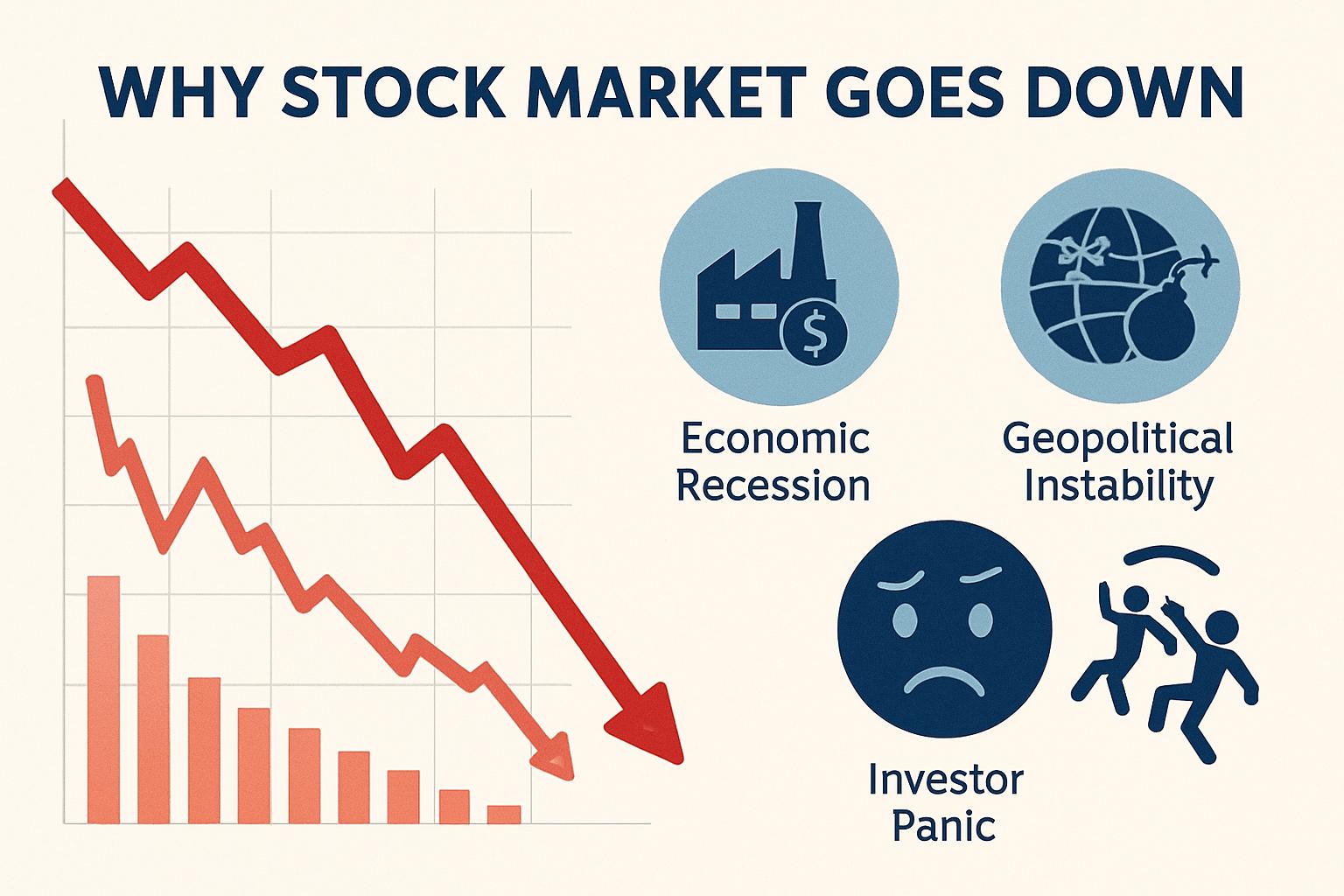
During periods of uncertainty, fear can become a dominant emotion among investors. When stock prices start to fall, the natural instinct for many is to protect their capital, leading to panic selling. This creates a downward spiral: as more people sell, prices drop further, triggering more selling. This “contagion” effect can quickly spread, turning a rational correction into an emotional overreaction. News headlines, social media chatter, and anecdotal stories of losses can exacerbate this fear, leading investors to abandon their long-term strategies in favor of immediate, often detrimental, reactions. Understanding this psychological aspect is key to resisting the urge to sell at the bottom.
Algorithmic Trading and Programmatic Selling: The Machine’s Influence
In today’s highly digitized markets, a significant portion of trading is executed by high-frequency trading firms and algorithms. These sophisticated computer programs are designed to react to market signals, news, and price movements instantaneously. While they provide liquidity, they can also amplify market volatility during downturns. If algorithms are programmed to sell when certain technical levels are breached or when specific keywords appear in news feeds, a cascade of automated sell orders can occur within milliseconds, leading to flash crashes or rapid, steep declines that seem to defy fundamental logic. This programmatic selling can accelerate downward momentum, making market corrections feel more abrupt and less predictable to human investors.
Technical Analysis and Support Levels: Self-Fulfilling Prophecies
Many traders and institutional investors rely on technical analysis, studying historical price charts and patterns to predict future movements. Concepts like “support levels”—price points where a stock or index has historically found buying interest—are closely watched. When a key support level is breached during a downturn, it can trigger further selling, as traders who use technical analysis interpret it as a sign of continued weakness. This can become a self-fulfilling prophecy, as the act of selling based on technical indicators pushes prices down further, validating the initial bearish signal. While technical analysis can offer insights into market sentiment, its widespread adoption can also create concentrated selling pressure at specific price points.
What Investors Can Do During a Downturn: A Strategic Response
While market downturns are unsettling, they are also a test of an investor’s discipline and long-term vision. Rather than reacting impulsively, a strategic approach can help mitigate losses and even uncover future opportunities.
Reassessing Your Portfolio and Risk Tolerance: A Health Check
A market downturn is an opportune time to revisit your investment portfolio and re-evaluate your risk tolerance. Are you overly concentrated in a particular sector or asset class that is suffering disproportionately? Does your current asset allocation still align with your financial goals and your comfort level with potential losses? This isn’t about panic selling, but rather about ensuring your portfolio is diversified and resilient. It might mean trimming positions in overvalued assets or rebalancing to maintain your desired risk profile. Understanding your personal risk tolerance is paramount; if the market’s swings are causing sleepless nights, it might be a sign that your portfolio is too aggressive for your comfort level.
The Power of Dollar-Cost Averaging: Consistency in Volatility
For long-term investors, market downturns present a unique advantage for dollar-cost averaging. This strategy involves investing a fixed amount of money at regular intervals, regardless of market fluctuations. When prices are high, your fixed investment buys fewer shares; when prices are low (during a downturn), it buys more shares. Over time, this averages out your purchase price and can lead to significant gains when the market eventually recovers. It removes the emotion from investing, preventing you from trying to time the market—a notoriously difficult feat—and instead leverages market volatility to your advantage. Consistent investing through troughs ensures you participate in the eventual rebound.
Focusing on Long-Term Goals: Maintaining Perspective
One of the greatest dangers during a market downturn is abandoning your long-term financial goals for short-term emotional reactions. Historically, equity markets have always recovered from downturns, often reaching new highs. While “today” feels significant, for a retirement fund or a child’s college savings, “today” is just one data point in a multi-decade journey. Maintaining perspective means remembering why you invested in the first place, understanding that market cycles are normal, and resisting the urge to sell assets at a loss that you may need in the distant future. This often involves tuning out the daily noise and focusing on the bigger picture of compounding returns over time.
Identifying Opportunities: Buying Low
Paradoxically, market downturns often create the best buying opportunities. High-quality companies, whose long-term prospects remain strong, may see their stock prices temporarily depressed alongside the broader market. For disciplined investors with cash on hand, this can be an chance to acquire shares of these solid businesses at a discount. This requires careful research and a belief in the fundamental value of the companies you’re considering, rather than simply chasing falling knives. Identifying genuinely undervalued assets during a market correction is a hallmark of successful long-term investing and can significantly enhance future returns.
Looking Ahead: The Path to Recovery
While no one can predict the exact timing or trajectory of a market recovery, understanding the conditions that typically precede an upturn can provide valuable context.
Potential Catalysts for an Upturn: Signs of Hope
Market recoveries are often triggered by a shift in the underlying economic and corporate landscape. This might include clear signs that inflation is indeed under control, leading central banks to pause or even reverse their monetary tightening policies. Positive developments in geopolitical situations, such as the resolution of conflicts or trade agreements, can also restore confidence. Stronger-than-expected corporate earnings or optimistic forward guidance from key companies can signal improving business conditions. A rebound in consumer confidence and spending, coupled with robust job growth, would further solidify the economic outlook. Ultimately, the market needs a clear catalyst—or a series of them—to reverse its negative sentiment and begin a sustained upward trend.
The Importance of Diversification: Spreading the Risk
Throughout all market cycles, diversification remains a cornerstone of prudent investing. Spreading investments across different asset classes (stocks, bonds, real estate, commodities), various industries, and geographical regions helps to mitigate risk. While a downturn might impact one sector or region heavily, others might be more resilient, cushioning the overall portfolio. Diversification doesn’t guarantee against losses, but it significantly reduces the impact of a single negative event, making your portfolio more robust against the unpredictable winds of the market and preparing it for whatever the future may hold.
In conclusion, when stocks are down today, it’s rarely a singular phenomenon but rather a reflection of numerous intertwined factors, from interest rates and inflation to geopolitical events and investor psychology. For savvy investors, understanding these drivers is the first step toward navigating volatility with a professional and insightful approach, transforming potential panic into strategic opportunity.
aViewFromTheCave is a participant in the Amazon Services LLC Associates Program, an affiliate advertising program designed to provide a means for sites to earn advertising fees by advertising and linking to Amazon.com. Amazon, the Amazon logo, AmazonSupply, and the AmazonSupply logo are trademarks of Amazon.com, Inc. or its affiliates. As an Amazon Associate we earn affiliate commissions from qualifying purchases.