
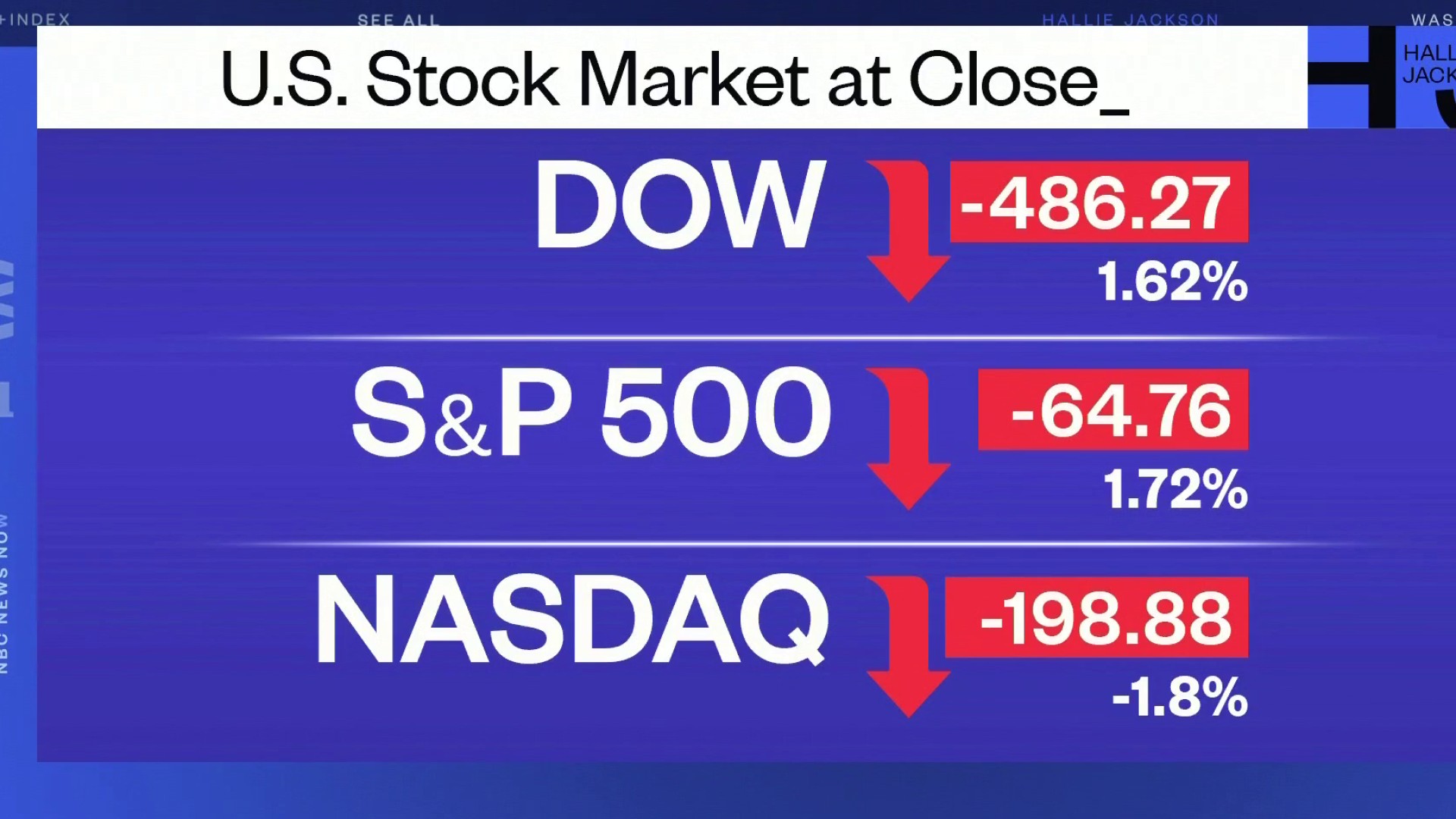
The daily performance of the Dow Jones Industrial Average (DJIA) is more than just a flashing number on a television screen or a notification on a smartphone; for millions of investors, it is the primary heartbeat of the American economy. When people ask, “What did the Dow end up today?” they are often looking for a shorthand explanation of the nation’s financial health. However, the closing bell is rarely the end of the story. Understanding the movement of the Dow requires a deep dive into the mechanics of the market, the psychological drivers of trading, and the macroeconomic forces that dictate whether the bulls or the bears win the afternoon.
Decoding the Daily Movement: Why the Dow Matters to Your Portfolio
The Dow Jones Industrial Average is one of the oldest and most watched equity indices in the world. Comprising 30 prominent “blue-chip” companies listed on stock exchanges in the United States, it serves as a price-weighted measure of the market’s heavy hitters. Unlike the S&P 500, which tracks 500 companies based on market capitalization, the Dow’s unique structure means that higher-priced stocks have a greater influence on the index’s daily movement than lower-priced ones.
The Composition of the Dow Jones Industrial Average
The companies within the Dow represent a cross-section of the U.S. economy, ranging from technology giants and healthcare providers to retail staples and financial institutions. While the name contains the word “Industrial,” the modern index is far more diversified than its 19th-century predecessor. Today, it includes names like Microsoft, Apple, UnitedHealth Group, and Home Depot. Because these companies are leaders in their respective sectors, their daily fluctuations often reflect broader trends in consumer spending, enterprise investment, and global trade. When the Dow ends the day higher, it typically suggests that these pillars of industry are seeing positive sentiment, which can bolster confidence across the wider financial landscape.
Price-Weighted vs. Cap-Weighted Indices
To truly understand what the Dow’s closing number signifies, an investor must grasp the concept of price-weighting. In a price-weighted index, a $300 stock has ten times the impact of a $30 stock, regardless of the companies’ actual sizes. This leads to a unique dynamic where a single corporate event—such as an earnings miss from a high-priced component—can drag the entire index down, even if the other 29 stocks are performing well. Critics often argue this makes the Dow less representative than the S&P 500, but its historical correlation with the broader market remains remarkably high, making it an indispensable tool for gauging daily sentiment.
Factors Influencing Today’s Market Performance
When the Dow moves significantly in a single session, it is rarely a random occurrence. Markets are sensitive to a delicate balance of data, rhetoric, and global events. If the Dow ended up today with a gain of several hundred points, or conversely, saw a sharp sell-off, it was likely driven by one of several recurring catalysts.
Federal Reserve Policy and Interest Rates
Perhaps no single entity has more influence over the Dow’s daily close than the Federal Reserve. Investors hang on every word from the Federal Open Market Committee (FOMC) regarding interest rates. Higher interest rates increase the cost of borrowing for corporations and can slow down economic growth, which often leads to a downward trend in stock prices. Conversely, when the Fed signals a pause in rate hikes or a potential cut, the Dow often reacts with a “relief rally.” Daily swings are frequently the result of investors trying to front-run the Fed’s next move based on new economic data points like the Consumer Price Index (CPI) or employment reports.
Corporate Earnings Reports: The Pulse of Big Business
During earnings season, the Dow’s performance is heavily dictated by the quarterly reports of its 30 components. Because the index is so concentrated, a standout performance by a company like Goldman Sachs or Caterpillar can provide enough momentum to lift the entire average. Investors look beyond the “top line” revenue and “bottom line” profit; they are searching for “guidance.” If a Dow component suggests that future quarters may be difficult due to rising labor costs or cooling demand, the stock—and by extension, the index—may end the day in the red, even if current profits are record-breaking.
Geopolitical Events and Global Supply Chains
In our interconnected global economy, the Dow is sensitive to news from far beyond Wall Street. Trade tensions, international conflicts, or disruptions in energy markets can create immediate volatility. For example, a spike in crude oil prices can boost the energy components of the Dow but weigh heavily on transportation and consumer-discretionary stocks. When the market closes, analysts often look to these external pressures to explain why the index behaved the way it did, as these factors influence the input costs and international sales of the 30 Dow giants.
Navigating Volatility: How to Read Daily Fluctuations Without Panic
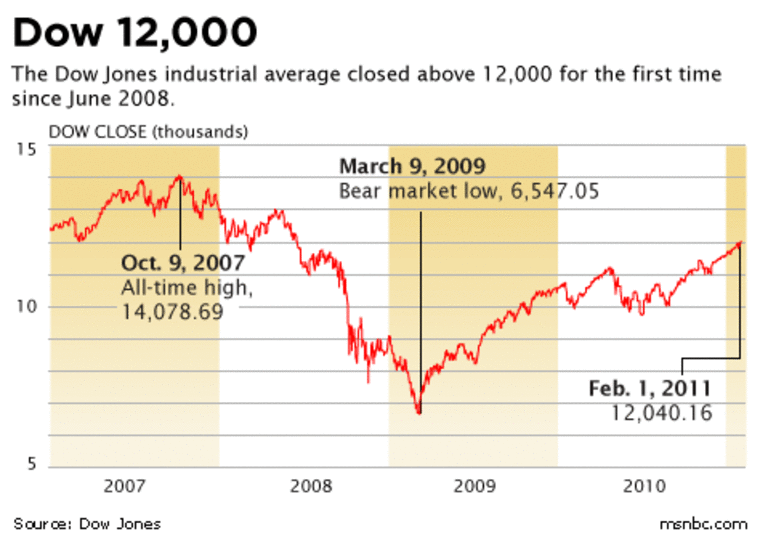
For the average retail investor, the daily closing number of the Dow can be a source of significant anxiety. A “red day” can feel like a personal loss, while a “green day” brings a sense of euphoria. However, successful long-term investing requires a level of emotional detachment from the daily “noise” of the market.
The Psychology of the “Red Day”
Market volatility is a feature, not a bug, of the financial system. The Dow does not move in a straight line; it breathes, expanding and contracting as it digests information. When the Dow ends down significantly, it is often a result of “profit-taking”—investors selling shares to lock in gains after a period of growth—or a collective overreaction to a single piece of news. Understanding that market pullbacks are a natural part of the economic cycle can help investors avoid the common mistake of “panic selling” at the bottom of a daily dip.
Distinguishing Between Noise and Signal
Not every hundred-point swing in the Dow is meaningful. In the context of an index trading at tens of thousands of points, a move of 1% or less is standard daily variance. Investors should focus on the “signal”—long-term trends in earnings growth and economic health—rather than the “noise” of daily price action. A signal might be a consistent downward trend over several weeks accompanied by deteriorating economic data. Noise, on the other hand, is a sharp drop followed by a quick recovery, often driven by high-frequency trading algorithms rather than fundamental changes in company value.
Investment Strategies for a Fluctuating Dow
Knowing where the Dow ended today is useful, but knowing what to do with that information is what separates successful investors from the rest. Rather than trying to time the market based on daily closes, savvy investors employ strategies that capitalize on volatility.
Dollar-Cost Averaging (DCA)
One of the most effective ways to handle a fluctuating Dow is through dollar-cost averaging. By investing a fixed amount of money at regular intervals—regardless of whether the Dow is up or down—investors buy more shares when prices are low and fewer when prices are high. Over time, this lowers the average cost per share and removes the emotional burden of trying to guess where the market will end on any given day. Whether the Dow ended up 500 points or down 500 points today, the DCA investor stays the course, knowing that time in the market is more important than timing the market.
Diversification Beyond the 30 Blue Chips
While the Dow is a fantastic indicator of large-cap industrial health, it is not a complete picture of the investment world. A well-rounded portfolio should include exposure to small-cap stocks, international markets, and fixed-income assets like bonds. Because the Dow is so concentrated, it can sometimes miss the growth happening in emerging sectors or mid-sized companies. By diversifying, an investor ensures that their financial future isn’t solely tied to the daily closing price of just 30 American corporations.

Looking Ahead: The Future Outlook for the Industrial Average
As we look toward the future, the Dow Jones Industrial Average continues to evolve. The committee that manages the index periodically swaps out companies that are no longer representative of the American economy for those that are. This ensures that the Dow remains a relevant benchmark even as we shift from a manufacturing-based economy to one driven by information, technology, and services.
The question of “what the Dow ended up today” will always be a staple of financial news, but its true value lies in the historical context it provides. Over decades, despite wars, recessions, and technological upheavals, the Dow has historically trended upward, reflecting the long-term growth and resilience of the American corporate sector. For the disciplined investor, today’s close is just one data point in a much larger, more promising journey. By focusing on fundamentals, maintaining a diversified strategy, and keeping a cool head during periods of volatility, anyone can navigate the complexities of the market and build lasting wealth, regardless of where the bell rings today.
aViewFromTheCave is a participant in the Amazon Services LLC Associates Program, an affiliate advertising program designed to provide a means for sites to earn advertising fees by advertising and linking to Amazon.com. Amazon, the Amazon logo, AmazonSupply, and the AmazonSupply logo are trademarks of Amazon.com, Inc. or its affiliates. As an Amazon Associate we earn affiliate commissions from qualifying purchases.