
The Dow Jones Industrial Average (DJIA), often simply referred to as “the Dow,” stands as one of the most recognized and frequently cited barometers of the U.S. stock market. For investors, economists, and the general public alike, the question, “How’s the Dow Jones?” isn’t just about a number; it’s a concise query reflecting the perceived health of corporate America and, by extension, the broader economic landscape. As we navigate an ever-evolving global economy, understanding the Dow’s movements, the forces that shape them, and its implications for personal finance and investment strategies becomes paramount. This article delves into the significance of the Dow, explores its current dynamics, and offers insights into how investors can interpret its signals effectively within their financial planning.

Decoding the Dow: What It Represents and Why It Matters
To truly appreciate the answer to “How’s the Dow Jones?”, one must first grasp its fundamental nature and its historical role in shaping financial narratives. It’s more than just an index; it’s a window into the performance of some of the nation’s most influential companies.
The Anatomy of an Icon
The Dow Jones Industrial Average is a price-weighted index comprising 30 significant publicly owned companies based in the United States. Unlike market-capitalization-weighted indices, where larger companies inherently have a greater impact, the Dow’s value is determined by the sum of its component stock prices, divided by a divisor (the “Dow Divisor”). This divisor is adjusted for stock splits, spin-offs, and other structural changes to maintain historical continuity. While its “industrial” moniker is largely a historical artifact—its components now span diverse sectors from technology and finance to healthcare and retail—the Dow continues to represent a cross-section of leading U.S. corporations. Its constituent companies are carefully selected to reflect broad trends in the U.S. economy, making changes to its lineup significant events that capture market attention. The strength of the Dow lies in the perceived stability and enduring influence of these 30 giants, making it a bellwether for investor confidence.
A Pulse Check on the American Economy
For well over a century, the Dow has served as a widely watched proxy for the overall health and direction of the U.S. stock market and, by extension, the American economy. When the Dow rises, it often signals investor optimism about future corporate earnings, economic growth, and stability. Conversely, a falling Dow can indicate concerns about recession, inflation, or other economic headwinds. While economists and sophisticated investors understand that the Dow represents only a small segment of the broader market (the S&P 500, for instance, tracks 500 companies and is often considered a more comprehensive gauge), its long-standing prominence and the high profile of its components give it unparalleled psychological weight. It’s the number most often quoted in news reports and daily financial summaries, shaping public perception of market performance and economic sentiment. Its movements can influence consumer confidence, business investment decisions, and even political discourse.
Historical Context and Evolution
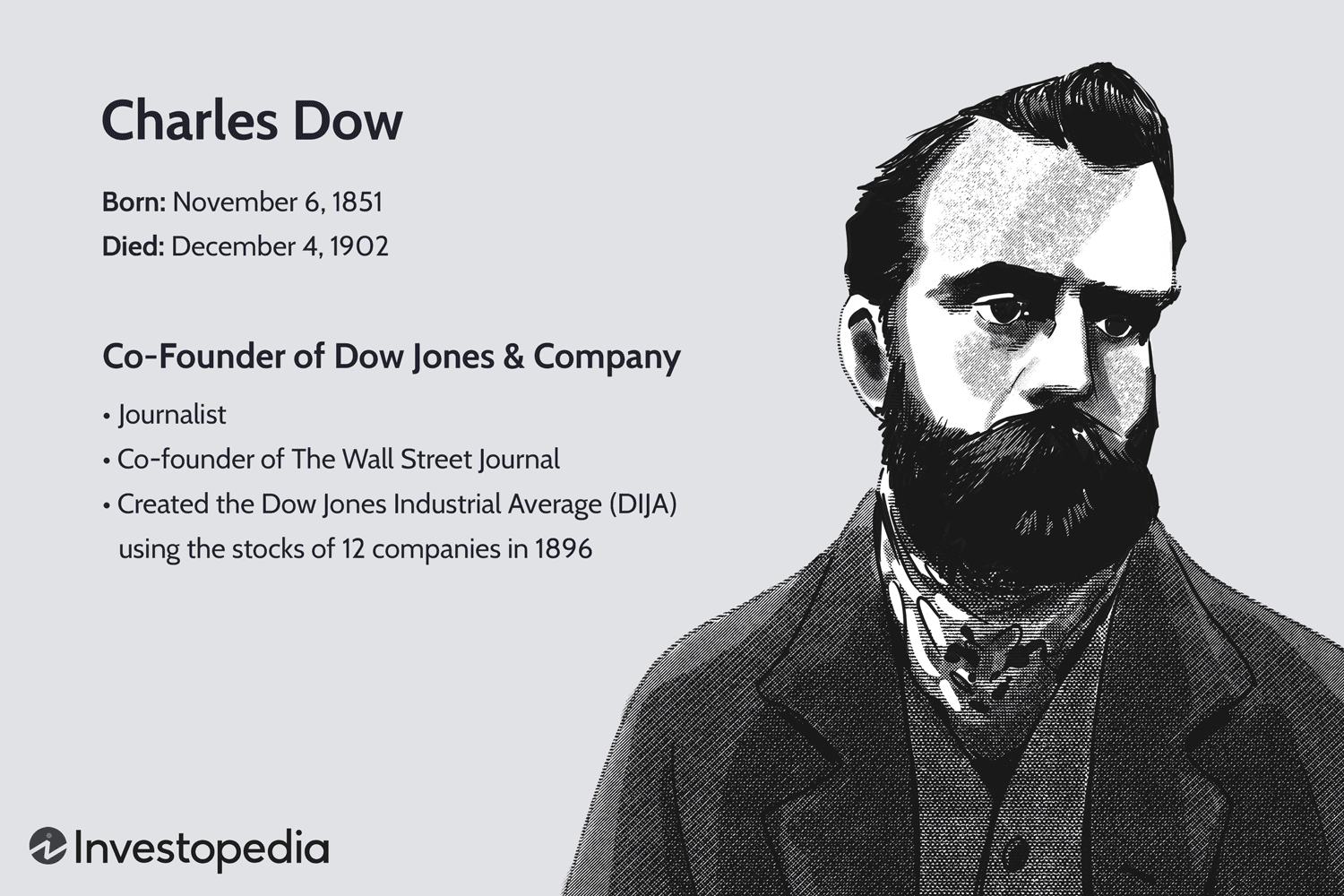
The Dow was created by Charles Dow in 1896, initially tracking 12 industrial companies. Over its long history, it has witnessed and reflected every major economic boom, bust, war, and technological revolution. From the roaring twenties and the Great Depression to the dot-com bubble and the 2008 financial crisis, the Dow has been a constant observer, its numbers etching the economic narrative of the nation. Its evolution reflects the dynamic nature of the U.S. economy itself. Companies that were once titans of industry have been replaced by new leaders in emerging sectors, ensuring the index remains relevant. This continuous adaptation, while sometimes sparking debate among financial analysts about its methodology, underscores its resilience and its persistent role as a historical benchmark for market performance and economic progress. Understanding this lineage helps contextualize its current standing and performance.
Current Market Dynamics and the Dow’s Performance Drivers
To answer “How’s the Dow Jones?” in the present tense, one must look beyond mere price fluctuations and delve into the multifaceted economic and corporate forces currently shaping its trajectory. The Dow’s performance is a complex interplay of macroeconomic data, corporate fundamentals, and global events.
Navigating Economic Headwinds and Tailwinds
The Dow’s current standing is significantly influenced by prevailing macroeconomic conditions. Inflation, a persistent concern in recent years, impacts corporate input costs and consumer purchasing power, directly affecting the profitability of Dow components. Central bank policies, particularly interest rate decisions by the Federal Reserve, play a crucial role. Higher interest rates can increase borrowing costs for businesses and dampen consumer spending, potentially leading to slower economic growth and impacting stock valuations. Conversely, periods of robust GDP growth, low unemployment, and strong consumer confidence often act as tailwinds, boosting corporate revenues and fostering investor optimism. Supply chain disruptions, energy price volatility, and labor market dynamics further complicate the picture, creating a constantly shifting landscape that investors must monitor closely. Analyzing these indicators provides a more nuanced understanding of the Dow’s day-to-day movements, moving beyond simple bullish or bearish sentiments.
Corporate Earnings and Sectoral Shifts
While macroeconomic factors set the stage, the individual performance of the 30 companies within the Dow ultimately dictates the index’s movement. Quarterly earnings reports are critical events, as strong revenue growth and profit margins can propel the index higher, even in a challenging economic environment. Investors meticulously analyze these reports for signs of corporate health, future guidance, and dividend prospects. Furthermore, shifts in sectoral dominance within the Dow can have a pronounced effect. For instance, if technology companies are outperforming traditional industrial firms, and the Dow has a significant tech weighting, it will naturally benefit. Conversely, if cyclical industries like manufacturing or finance are struggling, their drag on the index can be substantial. Understanding the relative strengths and weaknesses of the different sectors represented in the Dow—and how these sectors respond to current economic trends—is vital for anticipating the index’s direction. The composite health of these industry leaders paints a vivid picture of the Dow’s aggregate strength.
Geopolitical Influences and Global Interconnectedness

In an increasingly globalized world, the Dow is not immune to international events. Geopolitical tensions, trade disputes, conflicts, and even natural disasters in distant lands can send ripples through global markets, affecting the supply chains, production capabilities, and consumer bases of Dow components. For example, tariffs on imported goods can increase costs for manufacturers, while political instability in key markets can reduce demand for products and services. Currency fluctuations also play a role, as a strong U.S. dollar can make American exports more expensive, potentially hurting the international sales of multinational Dow companies. Therefore, a comprehensive assessment of the Dow’s performance necessitates an awareness of the global economic and political climate. The interconnectedness means that no market operates in isolation, and astute investors consider a broad range of factors extending far beyond domestic borders.
The Dow in Your Investment Strategy: More Than Just a Number
For individual investors, “How’s the Dow Jones?” should prompt a deeper inquiry than merely noting whether it’s up or down for the day. Its true value lies in how its movements inform a broader, more robust investment strategy, rather than dictating short-term actions.
Beyond the Daily Fluctuation: A Long-Term Perspective
The daily swings of the Dow, often amplified by financial news headlines, can be a source of anxiety for many investors. However, a key principle of successful investing is to adopt a long-term perspective. Over decades, the Dow has consistently trended upwards, reflecting the underlying growth and innovation of the U.S. economy. Short-term volatility is an inherent characteristic of stock markets and should not typically drive knee-jerk investment decisions. Instead, investors should view daily Dow movements as noise rather than signal, focusing on their long-term financial goals and investment horizon. Reacting impulsively to daily gains or losses can lead to buying high and selling low, eroding wealth over time. A disciplined approach, guided by a well-defined investment plan, is far more effective than trying to time the market based on daily index performance. The Dow is a snapshot, not the entire film; its true story unfolds over years, not hours.
Diversification and the Broader Market Landscape
While the Dow comprises 30 powerful companies, it does not represent the entirety of the U.S. stock market. Its price-weighted methodology and limited number of components mean it can be swayed significantly by the performance of just a few heavily weighted stocks. For comprehensive market insight and effective risk management, investors should consider a broader view that includes other major indices. The S&P 500, with its 500 large-cap companies weighted by market capitalization, offers a more diversified and often more accurate reflection of the overall U.S. equity market. The Nasdaq Composite, heavily weighted towards technology and growth stocks, provides insight into a different segment of the economy. A robust investment strategy emphasizes diversification across different asset classes (stocks, bonds, real estate), geographies, and market segments. Relying solely on the Dow as a guide can lead to an undiversified portfolio that is overly exposed to the fortunes of a select group of companies.
Risk Management and Behavioral Biases
Understanding “How’s the Dow Jones?” also involves acknowledging the psychological aspects of investing. Market movements, particularly sharp declines, can trigger fear and panic, leading investors to make emotional decisions that contradict their long-term goals. Conversely, periods of rapid growth can induce overconfidence and speculative behavior. Effective risk management involves setting clear investment objectives, understanding one’s risk tolerance, and sticking to a predetermined asset allocation. This often means rebalancing a portfolio periodically, regardless of market sentiment, to maintain desired risk levels. It also means recognizing common behavioral biases, such as herd mentality or loss aversion, and consciously working to counteract them. The Dow, like any market index, is a tool for information, not a dictator of emotion. A rational, disciplined approach to investing, rather than one driven by daily headlines, is the cornerstone of long-term financial success.
Anticipating What’s Next: Outlook and Potential Scenarios
Looking ahead, the question of “How’s the Dow Jones?” shifts from an analysis of the present to an informed anticipation of future trends. While predicting market movements with certainty is impossible, understanding the key drivers and potential scenarios can help investors prepare.
Expert Consensus and Divergent Views
Financial analysts and economists regularly offer projections for the Dow and the broader market, yet their views often diverge. Some may point to resilient corporate earnings, a strong labor market, and technological innovation as catalysts for continued growth, suggesting a “soft landing” for the economy. Others may highlight persistent inflation, elevated interest rates, geopolitical instability, or potential recessionary pressures as significant headwinds, forecasting a more challenging period. These differing perspectives underscore the inherent uncertainty in market forecasting. Investors should consume such analyses critically, understanding the assumptions behind each view, rather than relying on any single prediction as gospel. The consensus view, when it exists, can provide a general directional sense, but wise investors always consider a range of potential outcomes and prepare for various scenarios.
Key Catalysts and Headwinds to Watch
Several factors will be pivotal in shaping the Dow’s performance in the coming months and years. Central bank policy, particularly the trajectory of interest rates, remains a dominant catalyst. Future decisions on quantitative tightening or easing will have profound implications for market liquidity and corporate borrowing costs. Technological innovation, particularly in areas like artificial intelligence, renewable energy, and biotechnology, could provide significant tailwinds for growth, driving profitability for Dow components involved in these sectors. Conversely, sustained inflation, global economic slowdowns, or an escalation of geopolitical conflicts could act as powerful headwinds, dampening investor sentiment and corporate prospects. Consumer spending trends, influenced by employment figures and real wage growth, will also be crucial indicators, as a robust consumer base directly benefits many Dow companies. Keeping an eye on these macro and micro drivers will offer ongoing clues to the Dow’s potential direction.
Preparing Your Portfolio for Uncertainty
Given the inherent unpredictability of markets, the most effective approach for investors is to build a resilient and adaptable portfolio. This involves regularly reviewing one’s asset allocation to ensure it aligns with current financial goals and risk tolerance. Diversification, as previously discussed, remains a cornerstone, spreading investments across various asset classes, sectors, and geographies to mitigate specific risks. Maintaining a long-term investment horizon helps weather short-term volatility, allowing the power of compounding to work over time. Furthermore, keeping an adequate emergency fund liquid and separate from investment portfolios provides a buffer against unforeseen personal financial challenges, reducing the need to sell investments at inopportune times. Ultimately, understanding the Dow’s signals within a framework of disciplined, long-term financial planning is key to navigating the market’s ebbs and flows and achieving sustained financial growth.
In conclusion, the question “How’s the Dow Jones?” serves as a powerful prompt for a deeper exploration into the complex world of finance. While its daily fluctuations capture headlines, its true significance lies in its historical lineage, its representation of corporate giants, and its role as a key indicator within a broader economic context. For the discerning investor, interpreting the Dow’s performance involves understanding macroeconomic forces, corporate fundamentals, and geopolitical shifts, all while maintaining a disciplined, long-term, and diversified investment strategy. By doing so, investors can transform a simple market query into a foundation for informed financial decision-making and sustainable wealth creation.
aViewFromTheCave is a participant in the Amazon Services LLC Associates Program, an affiliate advertising program designed to provide a means for sites to earn advertising fees by advertising and linking to Amazon.com. Amazon, the Amazon logo, AmazonSupply, and the AmazonSupply logo are trademarks of Amazon.com, Inc. or its affiliates. As an Amazon Associate we earn affiliate commissions from qualifying purchases.