
In the fast-paced world of finance, the question “how much was the Dow down today?” is a common refrain, echoing through newsrooms, trading floors, and living rooms alike. It’s a query that encapsulates immediate market sentiment, reflecting a snapshot of economic health and investor confidence at any given moment. But understanding the Dow’s daily performance is far more nuanced than a simple number. It requires delving into what the Dow represents, the myriad forces that shape its movements, and how these fluctuations should be interpreted within a broader investment strategy. This article aims to demystify the Dow Jones Industrial Average (DJIA) and provide a comprehensive framework for understanding its daily ebb and flow, empowering investors to look beyond the headlines and make informed decisions.

Understanding the Dow Jones Industrial Average (DJIA)
To grasp the significance of the Dow’s daily performance, one must first understand what this iconic index truly represents. Far from being an arcane financial term, the DJIA is a powerful, albeit simplified, barometer of the U.S. stock market and, by extension, the American economy.
What is the DJIA?
The Dow Jones Industrial Average is a stock market index that measures the stock performance of 30 large companies listed on stock exchanges in the United States. Founded by Charles Dow in 1896, it is one of the oldest and most widely recognized stock market indices in the world. Despite its name, the companies included in the Dow today are not exclusively “industrial” in the traditional sense, but rather represent a diverse cross-section of major sectors, including technology, healthcare, finance, consumer goods, and more. Companies like Apple, Microsoft, Johnson & Johnson, Coca-Cola, and Goldman Sachs are typical constituents, reflecting the breadth of modern American enterprise.
Unlike some other indices, the DJIA is a price-weighted average, meaning that stocks with higher share prices are given greater weight in the index’s calculation, regardless of their total market capitalization. This unique weighting methodology means that a significant movement in a high-priced stock within the Dow can have a disproportionately larger impact on the index’s overall value compared to a lower-priced stock, even if the latter has a larger market presence. This characteristic is crucial for understanding how daily point changes translate into overall market perception.
Why Does the Dow Matter?
The Dow’s prominence stems from its role as a key indicator of overall market health and investor sentiment. While it only comprises 30 companies, these corporations are often bellwethers for their respective industries and the broader economy. Their collective performance can signal trends in corporate profitability, consumer spending, and the general economic outlook.
For many, the Dow serves as an accessible snapshot. A significant upward movement in the Dow often fosters optimism, suggesting economic growth and strong corporate earnings. Conversely, a substantial drop can trigger apprehension, signaling potential economic headwinds, reduced corporate profits, or increased market uncertainty. Beyond its immediate psychological impact, the Dow’s performance also influences decisions made by policymakers, central banks, and business leaders, making its daily fluctuations a subject of intense scrutiny and analysis worldwide. While financial professionals often look to broader, market-capitalization-weighted indices like the S&P 500 for a more comprehensive market view, the DJIA retains its cultural significance as the most frequently cited index in general news and public discourse.
Factors Influencing Daily Dow Performance
The Dow’s daily movements are rarely arbitrary; they are the cumulative result of a complex interplay of economic, corporate, geopolitical, and psychological factors. Understanding these drivers is essential for anyone looking to interpret the index’s performance meaningfully.
Economic Indicators
Macroeconomic data provides the fundamental backdrop against which the Dow operates. Reports on inflation (Consumer Price Index, Producer Price Index), employment figures (non-farm payrolls, unemployment rate), Gross Domestic Product (GDP) growth, retail sales, manufacturing output, and consumer confidence surveys can significantly sway market sentiment. Positive economic data, suggesting robust growth and stability, often leads to an upward swing in the Dow, as investors anticipate stronger corporate earnings. Conversely, weak data or signals of rising inflation and potential interest rate hikes by the Federal Reserve can dampen spirits and push the Dow lower, as higher rates can increase borrowing costs for businesses and potentially slow economic activity.
Corporate Earnings and News
Since the Dow is composed of 30 specific companies, their individual performance and news events have a direct and often immediate impact on the index. Quarterly earnings reports are critical; if a major Dow component like Microsoft or Visa reports better-than-expected profits and provides an optimistic outlook, it can lift the entire index. Conversely, a significant earnings miss or a pessimistic forecast from a heavy-weighted stock can drag the Dow down. Beyond earnings, other corporate news such as mergers and acquisitions, product launches, leadership changes, regulatory issues, or even scandals involving Dow components can influence their stock prices and, by extension, the index’s overall direction.
Geopolitical Events and Global News
The interconnectedness of the global economy means that events far beyond U.S. borders can ripple through financial markets and affect the Dow. Geopolitical tensions, such as conflicts in key regions, trade disputes between major economies, or political instability in crucial resource-producing nations, can introduce uncertainty and prompt investors to move towards safer assets, causing stock market indices like the Dow to decline. Similarly, significant global economic news, such as a recession in a major trading partner country or fluctuations in global commodity prices (e.g., oil and gas), can impact the revenue and profitability of multinational Dow companies, influencing their stock valuations and the index’s trajectory. Events like pandemics, natural disasters, or major policy shifts in other large economies also fall into this category of influential global factors.
Market Sentiment and Technical Factors
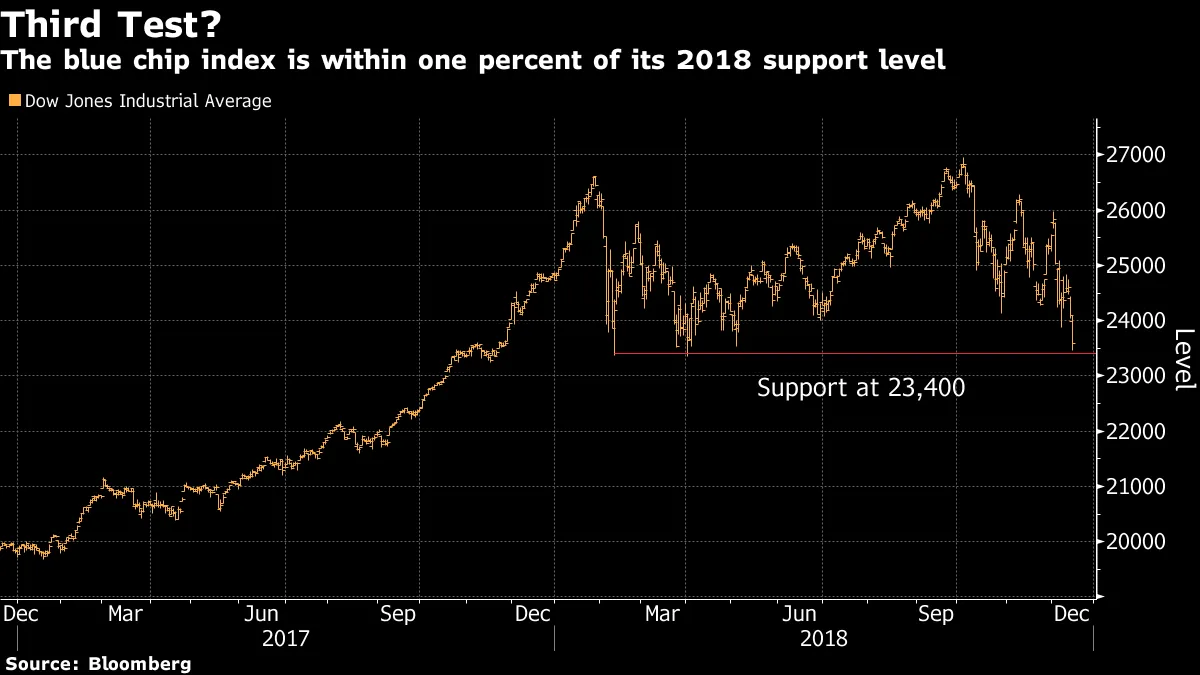
Beyond tangible news, the collective psychology of investors—often referred to as market sentiment—plays a powerful role. Fear and greed can drive irrational exuberance or panic selling, amplifying market movements. During periods of high optimism, investors may bid up stock prices even beyond fundamental valuations, leading to a rally. Conversely, during periods of fear, a wave of selling can trigger sharp declines. Technical factors, such as specific trading levels (support and resistance), trading volumes, and the activity of large institutional investors, also contribute to daily fluctuations. Algorithmic trading, which responds to market signals at high speeds, can further exacerbate or smooth out daily price movements, adding another layer of complexity to the Dow’s daily performance.
Interpreting Today’s Market Movement: More Than Just a Number
When the news reports “the Dow was down X points today,” it’s easy to get caught up in the immediate figure. However, a truly insightful interpretation requires understanding the context, scale, and comparative performance of that movement.
The Significance of Percentage vs. Point Drops
A common pitfall in interpreting the Dow’s daily movement is focusing solely on the point change. While a headline stating “Dow drops 500 points” sounds alarming, its actual significance is relative to the index’s total value. For instance, a 500-point drop when the Dow is at 10,000 represents a 5% decline. However, the same 500-point drop when the Dow is at 35,000 is only approximately a 1.4% decline. The percentage change provides a more accurate and contextual measure of the market’s movement, indicating the magnitude of the shift relative to the index’s overall value. Investors should always prioritize the percentage change as it offers a truer picture of market volatility and impact on portfolio values.
Intra-day Volatility vs. Closing Figures
The Dow’s reported “down today” figure refers to its closing price compared to the previous day’s close. However, throughout the trading day, the index can experience significant intra-day volatility, rising and falling multiple times before settling at its closing value. News events, rumors, algorithmic trading, and shifting sentiment can cause sharp swings. A market that opens down significantly might recover some losses by the close, or vice-versa. Understanding this distinction is important; the closing figure is the official record, but the journey to that figure can reveal much about market dynamics and the tug-of-war between buyers and sellers throughout the day. Investors who monitor markets throughout the day gain a richer understanding of the underlying forces at play.

Comparing Dow Performance to Broader Indices
While the Dow is a prominent index, it represents only 30 companies. For a more comprehensive view of market performance, it’s crucial to compare the Dow’s movement to other major indices like the S&P 500 and the Nasdaq Composite.
-
S&P 500: Comprising 500 large U.S. companies, the S&P 500 is market-capitalization-weighted and is generally considered a better barometer of the overall U.S. stock market due to its broader coverage and weighting methodology. If the Dow is down but the S&P 500 is flat or up, it might suggest the weakness is concentrated within a few specific large-cap companies rather than a broad market downturn.
-
Nasdaq Composite: Heavily weighted towards technology and growth stocks, the Nasdaq Composite often shows higher volatility. If the Dow is down significantly while the Nasdaq is relatively stable, it could indicate a sector-specific rotation out of traditional industries or into tech.
Analyzing these indices in conjunction provides a holistic picture, revealing whether market movements are broad-based, sector-specific, or concentrated within a few influential companies, offering a more nuanced understanding than the Dow alone can provide.
Navigating Volatility: Strategies for Investors
Market downturns and periods of high volatility, often signaled by a “Dow down today” headline, can be unsettling. However, for long-term investors, these periods are not necessarily causes for panic but rather opportunities for strategic reflection and disciplined action.
Long-Term Perspective is Key
One of the most crucial strategies during periods of market decline is to maintain a long-term perspective. Historically, stock markets have always recovered from downturns and gone on to reach new highs. Reacting emotionally to daily or weekly drops by panic selling can lock in losses and prevent participation in subsequent recoveries. Instead, investors with a time horizon of several years or decades should remember their original investment goals and consider downturns as temporary setbacks in a larger growth trajectory. Strategies like dollar-cost averaging, where one invests a fixed amount of money at regular intervals regardless of market fluctuations, can be particularly effective during volatile periods, as it allows investors to buy more shares when prices are low.
Diversification and Asset Allocation
A well-diversified portfolio is an investor’s best defense against market volatility. Rather than concentrating investments in a few stocks or a single sector, diversification involves spreading investments across various asset classes (stocks, bonds, real estate, commodities), different industries, geographic regions, and company sizes. When one part of the portfolio is underperforming, another might be performing well, thus mitigating overall risk. Asset allocation, the process of dividing an investment portfolio among different asset categories, should be aligned with an individual’s risk tolerance, financial goals, and time horizon. Regular rebalancing of the portfolio ensures that the asset allocation remains consistent with the investor’s strategy, even as market values shift.
Staying Informed, Not Overwhelmed
While it’s important to stay informed about market news and economic trends, becoming overwhelmed by constant headlines and noise can be detrimental. Excessive focus on daily fluctuations can lead to emotional decision-making. Instead, investors should seek out reliable, credible financial news sources and focus on broader economic trends and fundamental company analysis rather than sensationalized daily reports. Understanding the “why” behind market movements – be it interest rate policy, corporate earnings, or geopolitical events – is more valuable than just knowing the “how much.” Setting limits on checking portfolio values and market news can also help maintain a rational approach.
Consulting Financial Professionals
For many investors, especially those with complex financial situations or those new to investing, seeking guidance from a qualified financial advisor can be invaluable. A professional can help assess individual risk tolerance, define financial goals, construct a suitable investment portfolio, and provide objective advice during periods of market stress. They can help clients stick to their long-term plans, avoid impulsive decisions, and navigate the complexities of tax implications and estate planning. During a “Dow down” day, a financial advisor can provide context, reassure clients, and help them understand how the market’s movements fit into their personal financial plan.
Resources for Tracking the Dow and Market News
Staying informed is crucial for navigating financial markets. Fortunately, a wealth of resources exists to help investors track the Dow, understand market movements, and keep abreast of economic news.
Financial News Outlets
Reputable financial news outlets are the primary source for real-time market data, in-depth analysis, and expert commentary. Leading publications and networks include:
-
The Wall Street Journal (WSJ): Known for its comprehensive coverage of business and financial news, with detailed analysis of market trends and economic policy.
-
Bloomberg: Offers global financial news, data, and analytics, providing real-time market updates and in-depth reporting across various asset classes.
-
Reuters: A global news agency providing extensive coverage of financial markets, economic news, and breaking stories from around the world.
-
CNBC: A popular cable television channel and digital platform focused on business news, offering live market coverage, interviews with industry leaders, and financial analysis.
-
Financial Times (FT): A globally recognized publication providing insightful analysis on international business and financial markets.
These sources often provide detailed breakdowns of the Dow’s performance, along with explanations of the factors contributing to its movements, offering context beyond just the numerical change.
Online Financial Platforms and Apps
For quick access to market data, portfolio tracking, and personalized news feeds, several online platforms and mobile applications are indispensable:
-
Yahoo Finance: A widely used platform offering real-time stock quotes, charts, financial news, and portfolio management tools. It provides detailed information on individual stocks, including Dow components, and tracks index performance.
-
Google Finance: Offers a clean interface for tracking stock prices, market news, and creating watchlists. It’s integrated with Google’s search capabilities, making it easy to find information on specific companies or indices.
-
Brokerage Apps: Most online brokerage firms (e.g., Fidelity, Charles Schwab, E*TRADE, Vanguard) provide sophisticated mobile apps that allow users to track the Dow, monitor their portfolios, access research, and execute trades directly. These apps are often tailored to the user’s investment holdings and preferences.
-
Investing.com / MarketWatch: These platforms offer a broad range of financial tools, including real-time quotes, technical analysis charts, economic calendars, and market news, catering to both novice and experienced investors.
These digital tools provide convenience and immediacy, allowing investors to monitor the Dow and other indices from anywhere, at any time.
Economic Calendars
Economic calendars are essential for anticipating events that can influence market movements. These calendars list upcoming economic data releases, central bank meetings, and other significant events (e.g., speeches by Federal Reserve officials, major corporate earnings reports) that are known to impact market sentiment and volatility. By consulting an economic calendar, investors can be prepared for potential market reactions and understand the context behind sudden swings in the Dow. Many financial news outlets and online platforms integrate economic calendars, often highlighting the expected impact of each event.
In conclusion, understanding “how much was the Dow down today” goes beyond a simple number. It’s about comprehending the intricate web of economic forces, corporate performance, global events, and human psychology that shapes financial markets. By staying informed, adopting a long-term perspective, and utilizing available resources, investors can navigate the inevitable ups and downs of the market with greater confidence and make decisions aligned with their financial objectives.
aViewFromTheCave is a participant in the Amazon Services LLC Associates Program, an affiliate advertising program designed to provide a means for sites to earn advertising fees by advertising and linking to Amazon.com. Amazon, the Amazon logo, AmazonSupply, and the AmazonSupply logo are trademarks of Amazon.com, Inc. or its affiliates. As an Amazon Associate we earn affiliate commissions from qualifying purchases.